Fragile Gains and Compound Risks: Global Climate Action at a Crossroad
Recent data reveals an unexpected slight dip in fossil fuel emissions, yet escalating extreme weather disasters, adaptation funding deficits, and surging industry influence underscore a precarious moment for global climate diplomacy.
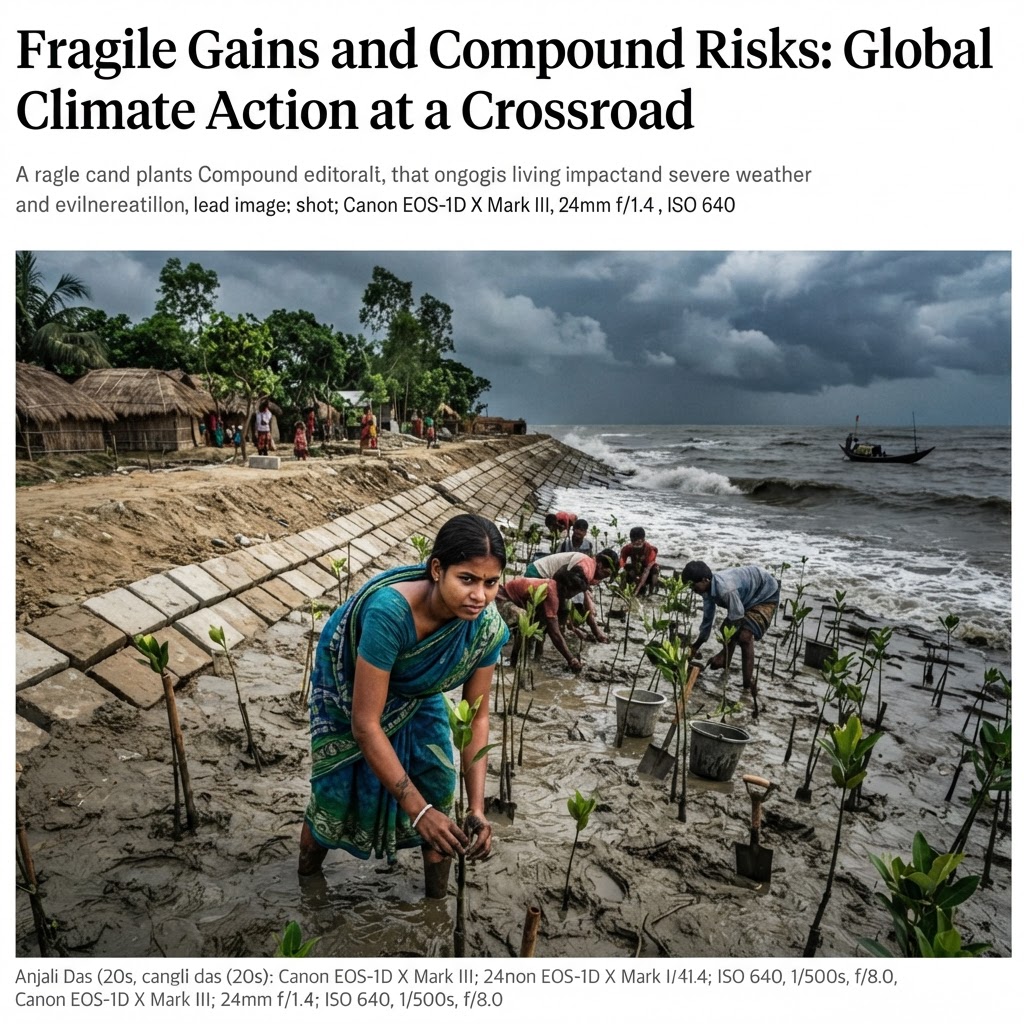
A Complex Dynamic in Global Emissions
In a rare departure from the historical trajectory of increasing greenhouse gases, latest assessments indicate that global fossil carbon dioxide emissions are projected to fall by roughly 0.4 percent this year. According to findings from the Global Carbon Project reported by ABC News and the Environmental News Network, this contraction has been driven by rapid acceleration in solar and wind deployment alongside major energy disruptions linked to geopolitical conflict involving Iran. While clean power adoption represents structural progress, analysts emphasize that geopolitical market shocks are notoriously volatile and could easily reverse if energy strategies pivot back toward fossil security.
Furthermore, broader indicators caution against premature celebration. The United Nations Environment Programme's latest assessments detailed on the UNEP website indicate that current international policies still put the world on course for approximately 2.8°C of warming over pre-industrial levels, far out of reach from the 1.5°C threshold envisioned under the Paris Agreement. UNEP leadership has emphasized that addressing super-pollutants such as methane remains an urgent and vital lever to curb warming trajectories in the near term.
The Non-Linear Escalation of Hydrological and Ecological Hazards
As policymakers navigate shifting emission trends, ecological and hydrological research highlights that climate consequences are escalating non-linearly. A landmark study published in Science Advances and covered by Phys.org examined the mechanism behind extreme precipitation and river runoff. Researchers found that anthropogenic climate warming amplified peak flood magnitudes far beyond the proportional rise in rainfall. For instance, when storm rainfall increased by under 10 percent, downstream flood peaks climbed by up to 22 percent because saturated soils fail to absorb excess moisture, channeling runoff directly into river systems and overwhelming existing infrastructure thresholds.
Marine and coastal ecosystems are experiencing similar cascading stresses. As noted by the Environmental News Network, ocean heatwaves and intensifying climate cycles have severely disrupted marine life, impairing the reproduction and metabolic health of large cetaceans like humpback whales. Parallel investigations into coastal resilience highlight that conventional sea-level rise models substantially underestimate cumulative impacts on shorelines, as groundwater inundation and amplified storm surges compound damage to critical civic infrastructure.
Diplomatic Confrontation at COP31
These escalating physical impacts serve as the backdrop for international climate negotiations at the COP31 summit in Antalya, Türkiye. Developing regions, facing the sharpest edge of intensifying climate hazards, are shifting tone from negotiation to demand. As reported by the Mail & Guardian, African delegations and civil society groups have underscored that public adaptation finance remains desperately deficient. With developing nations estimated to need up to $420 billion annually for adaptation by 2035, United Nations leadership has pressed wealthier countries and corporate carbon producers to support a robust Climate Justice Compact.
Simultaneously, the summit has drawn scrutiny over industry influence. Analysis published by the Center for International Environmental Law revealed that a record 700 carbon capture and storage lobbyists secured access to the proceedings, promoting technological abatement pathways that critics argue serve as cover to extend the lifespan of fossil energy infrastructure. These political skirmishes arrive alongside a sobering ten-year synthesis by the Lancet Countdown, reported by Environmental Health News, which directly attributed roughly 370,000 annual fatalities to climate-induced heat stress, demonstrating that inaction carries an immediate human toll.
Navigating the Path Ahead
The collective evidence gathered over recent weeks portrays an environmental landscape fraught with contradictions. On one hand, renewable capacity is displacing fossil energy at unprecedented scales, showing tangible potential to decouple economic activity from carbon output. On the other hand, legacy emissions continue to trigger complex ecological feedbacks, from ocean destabilization to severe flood spikes that exceed standard engineered defenses. As diplomatic delegates deliberate in Antalya, the focus increasingly centers on closing the vast gap between temporary market fluctuations and long-term structural resilience.
Recommended for you
Similar to “Environment”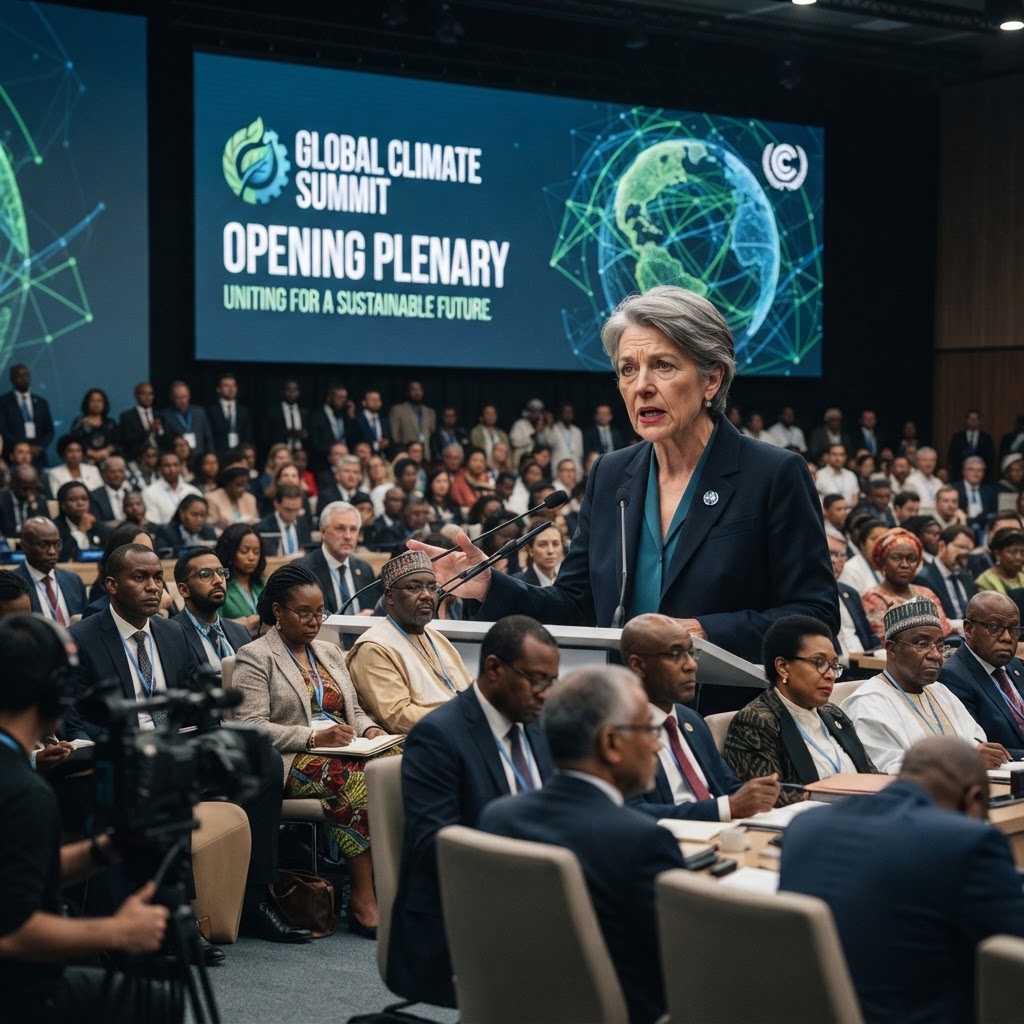
A World Under Compounding Pressures: Global Climate Summit Opens Amid Mounting Ecological and Meteorological Crises
As negotiators assemble at COP31 under warnings from the United Nations regarding sluggish adaptation and fossil fuel expansion, newly released research reveals how climate change is creating dangerous compound feedback loops in global weather systems.
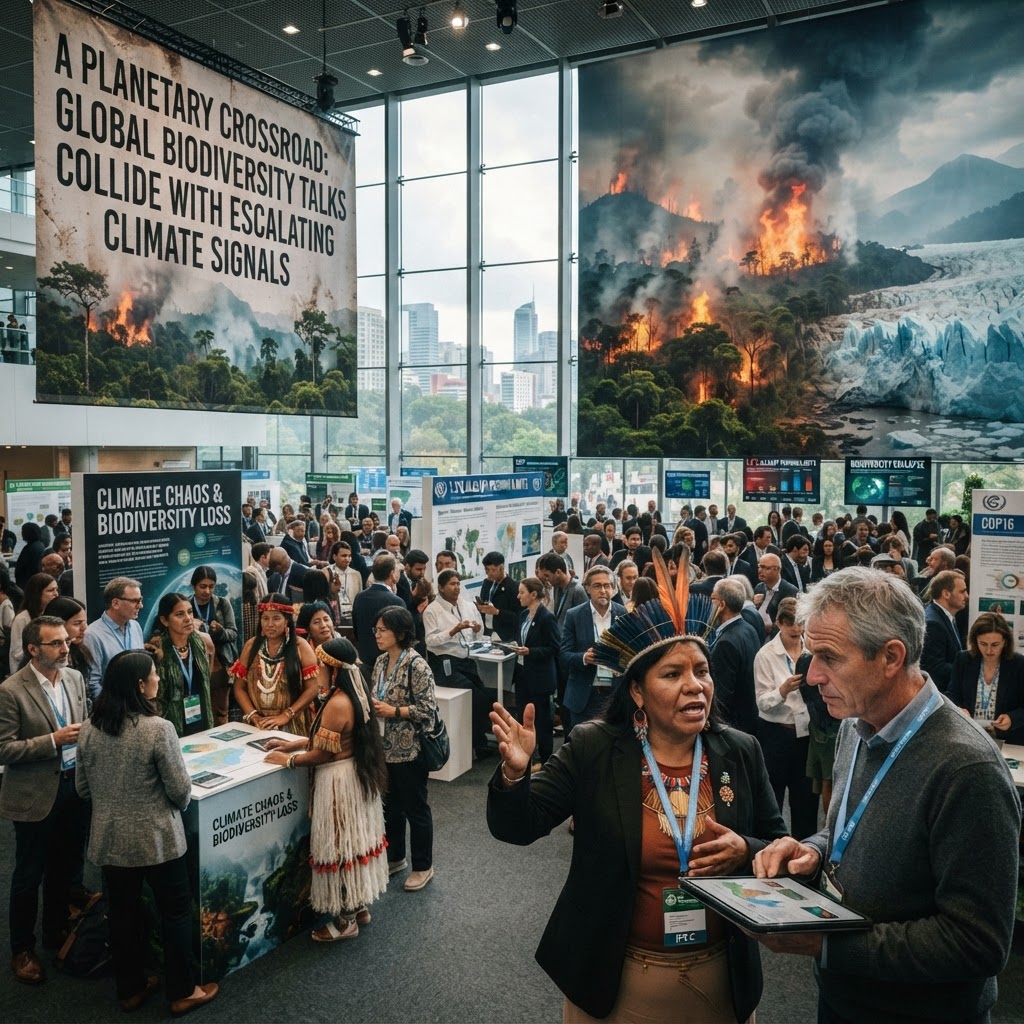
A Planetary Crossroad: Global Biodiversity Talks Collide With Escalating Climate Signals
As international delegates chart the new 'Yerevan Pathway' to rescue lagging 2030 biodiversity goals, newly released data highlighting record greenhouse gas concentrations and shifting marine currents underscore the mounting urgency of coordinated ecological action.
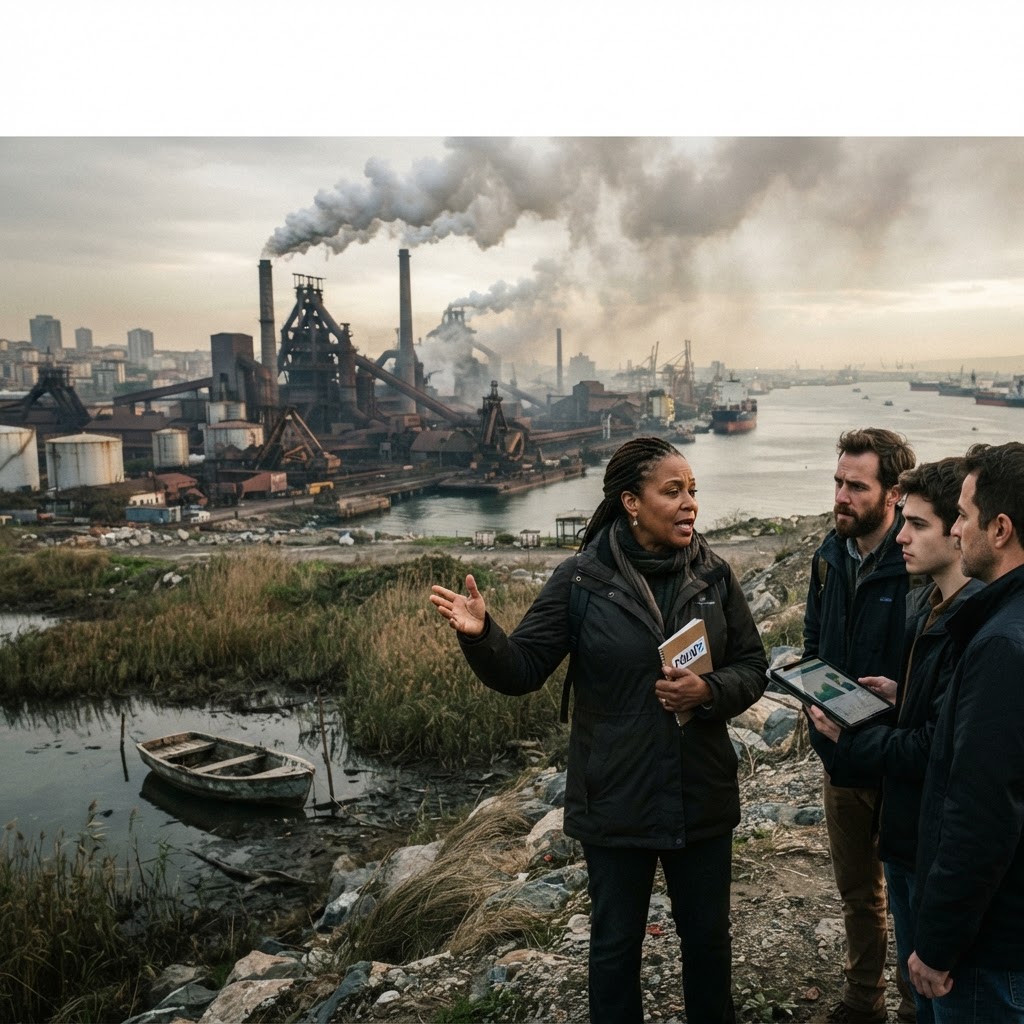
A Fragile Balancing Act: Global Environmental Policy Confronts Record Emissions and Shifting Timelines
As climate data reveals unprecedented temperature anomalies and climbing emissions, international policymakers face rising friction between ambitious environmental pledges and pragmatic rollout delays.