Diplomatic Realignment: Great Power Rivalries and Strategic Anxieties Clash at the Shenzhen APEC Summit
An unprecedented trilateral meeting between the leaders of the United States, China, and Russia in Shenzhen has reshuffled Pacific Rim diplomacy, overshadowing multilateral trade talks and stoking global security anxieties.
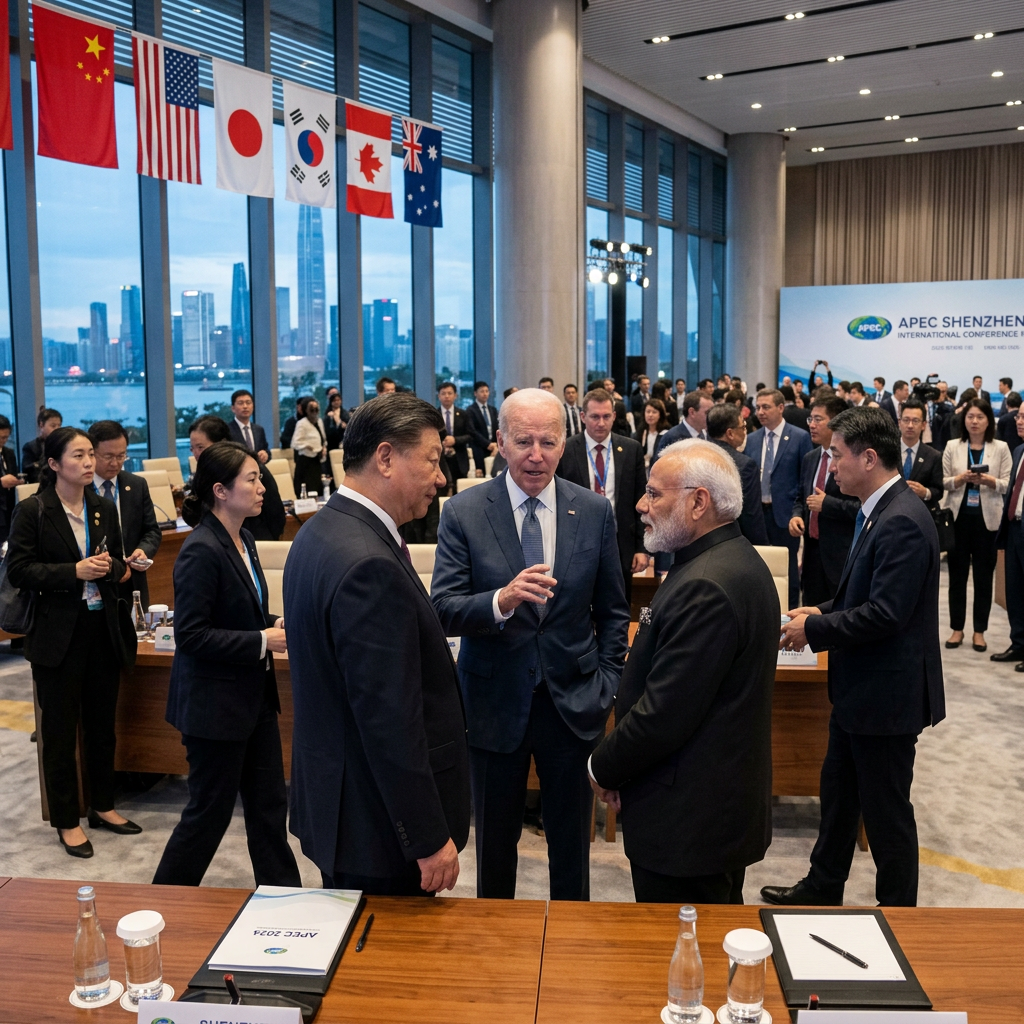
A High-Stakes Collision of Global Powers in Shenzhen
The annual gathering of the Asia-Pacific Economic Cooperation (APEC) forum in Shenzhen was intended to serve as a showcase for the future of multilateral commerce, high-technology infrastructure, and next-generation innovation. Instead, the conference floor has transformed into the epicenter of sweeping geopolitical maneuvers, thoroughly eclipsed by a historic trilateral dynamic involving Chinese President Xi Jinping, United States President Donald Trump, and Russian President Vladimir Putin, as reported by News4Jax. The gathering marks an extraordinary nexus where the traditional diplomatic architecture of trade integration must confront raw, tripartite power politics.
Addressing the 21 Pacific Rim delegations, President Xi issued an impassioned call for unity, urging member nations to safeguard open global trade and prevent the fragmentation of technological development. Drawing on maritime imagery, Xi warned that regional economies are akin to passengers in the same vessel who must cooperate to withstand unpredictable storms. Meanwhile, President Putin, participating in his first APEC summit in nearly a decade, reiterated calls for a constructive partnership agenda, framing regional cooperation as a counterweight to unilateral pressures.
Contrasting Visions on Technology and Global Governance
Despite joint expressions of goodwill regarding cross-border commerce, ideological divides quickly emerged during discussions on high-tech sovereignty and artificial intelligence. President Trump used his remarks to emphasize domestic economic expansion, promising aggressive trade initiatives while fiercely rejecting what he termed globalist attempts to regulate emerging artificial intelligence technologies. His insistence on technological dominance contrasts sharply with Beijing's persistent appeals for equitable access and international standard-setting.
Frictions over semiconductor supply chains and computing access continue to loom heavily over Pacific diplomacy. Washington has steadily intensified export controls, recently closing key regulatory avenues that allowed third-party remote access to state-of-the-art processor architectures. The battle over silicon and computing power highlights the broader strategic dilemma confronting regional partners, who find themselves caught between reliance on American technological standards and Beijing’s expanding commercial sphere of influence.
Global Alarm and the Shadow of New Spheres of Influence
Beyond the tech-heavy agenda, the prospect of direct, closed-door negotiations between Washington, Beijing, and Moscow has provoked widespread apprehension among international observers. Officials in multiple European capitals and Kyiv have voiced deep unease, warning that high-level three-way bargaining could lead to a modern reconfiguration of geopolitical spheres of influence, according to SBS News. Ukrainian leadership explicitly cautioned against any diplomatic choreography resembling historic post-war conferences where major powers determined regional boundaries without broader consensus.
While President Trump has sought to elevate nuclear nonproliferation and de-escalation in active international hotspots to the forefront of trilateral talks, Russian and Chinese leaders have demonstrated caution, signaling hesitation to endorse American strategic priorities on public platforms, as observed by The Japan Times. Concurrently, regional players across the Indo-Pacific are repositioning their strategies. Prior to arriving in China, Quad leaders—convening representatives from the United States, Japan, Australia, and India—reaffirmed their resolve against unilateral economic coercion, according to The Japan News. This diplomatic balancing act underscores how middle powers and traditional allies must navigate an increasingly fractured international order dominated by superpower confrontation.
Recommended for you
Similar to “Geopolitics”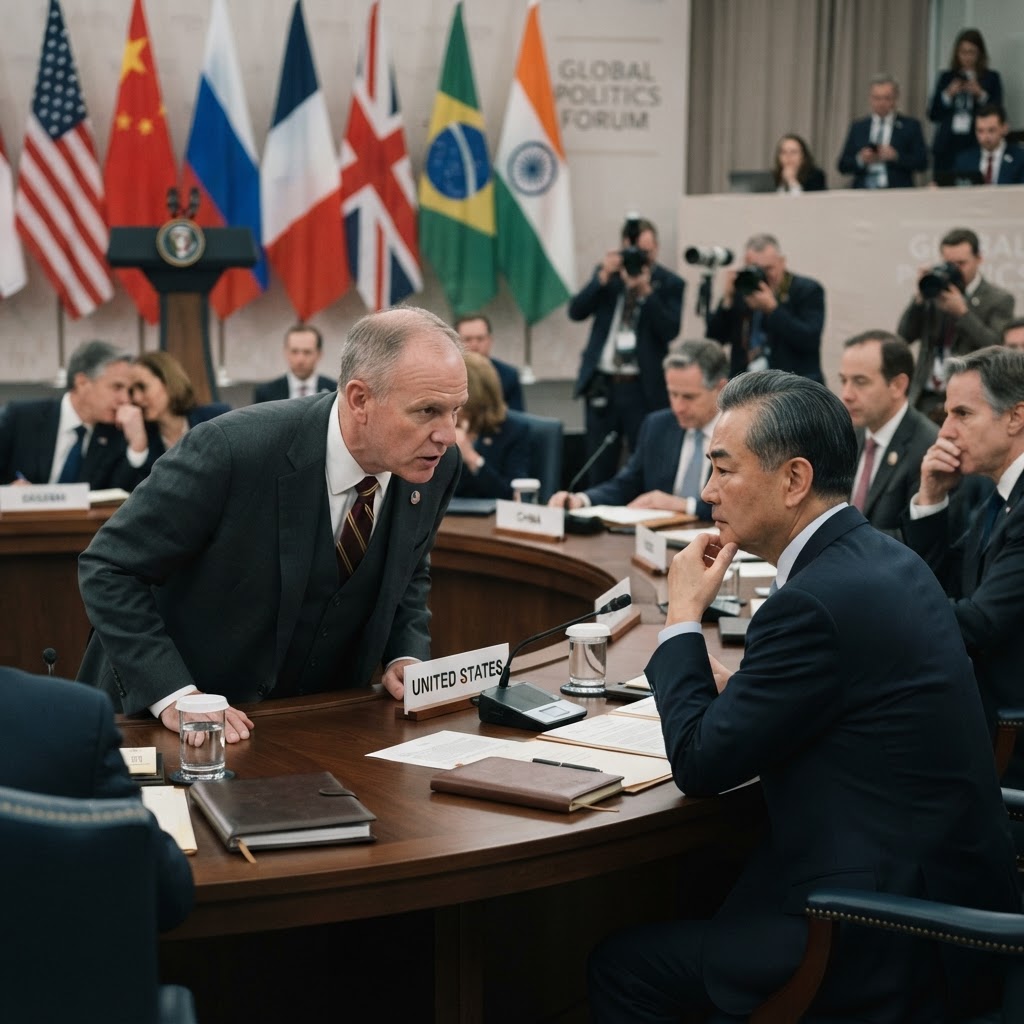
Diplomatic High Stakes and Shifting Power: Great Power Bargaining Dominates Global Politics
Intensive multilateral negotiations, potential trilateral superpower summits, and escalating security anxieties across Europe and Asia mark a volatile new chapter in international diplomacy.
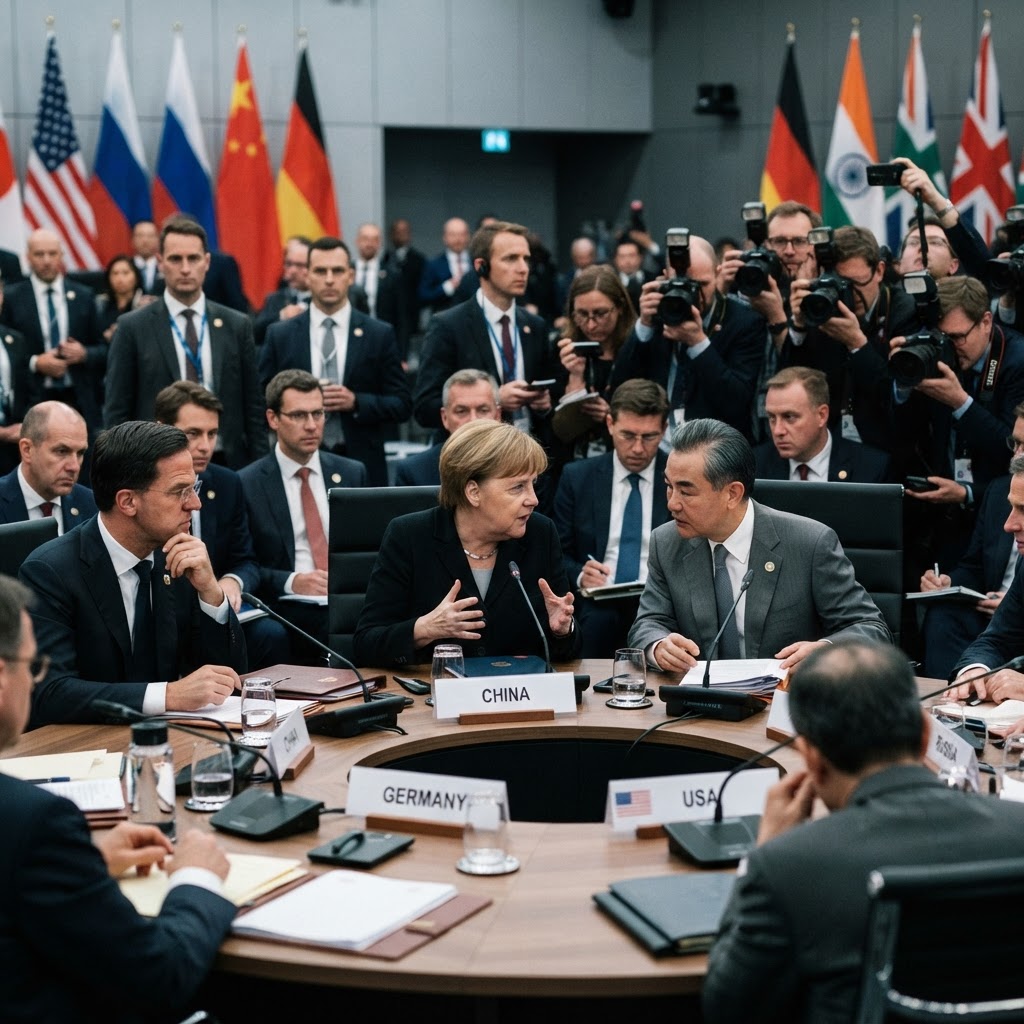
A Volatile Diplomatic Pivot: Great Power Summits, Shifting Coalitions, and Rising Regional Fractures
As high-stakes summits in Asia test alliances and bring global superpowers to Shenzhen and Manila, parallel security crises from Eastern Europe to the Middle East are reshaping international geopolitics.
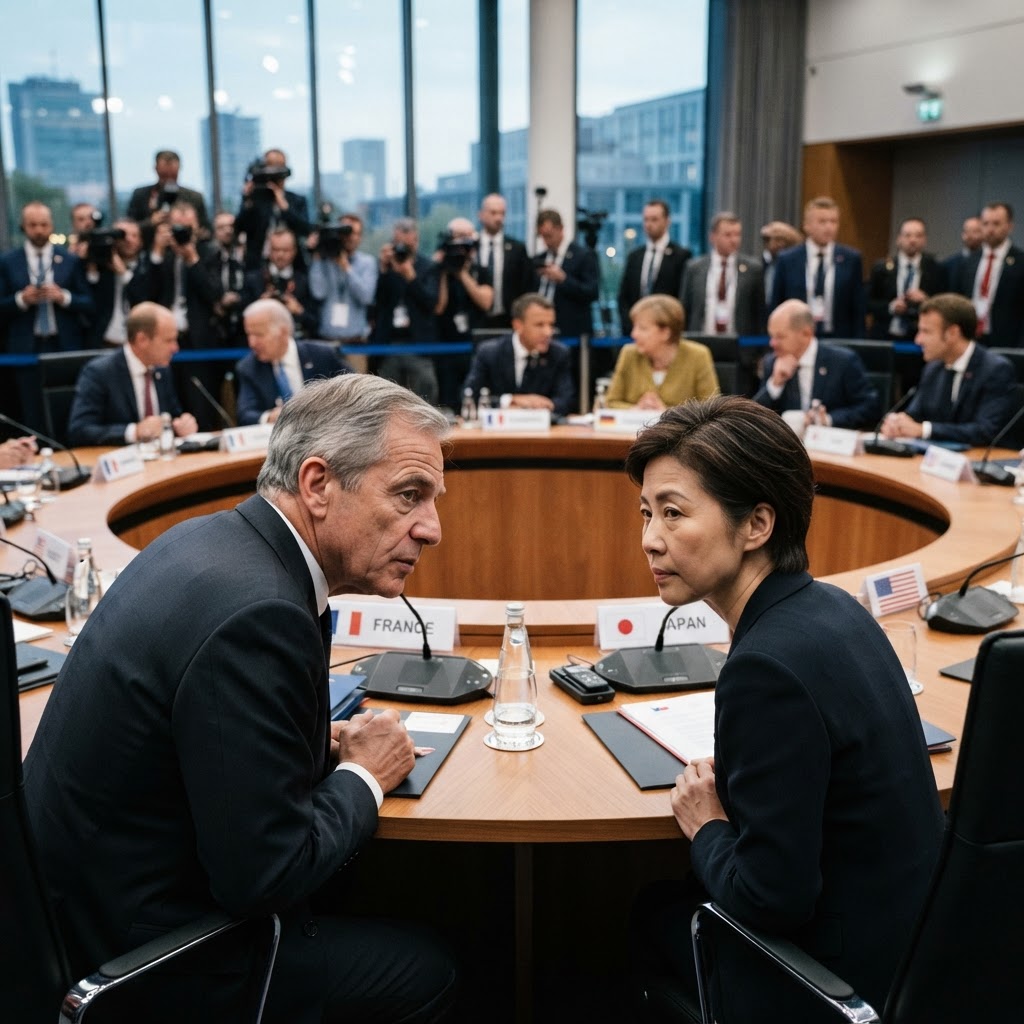
Diplomatic Chessboards and Shifting Alliances: High-Stakes Summits Unfold Amid Rising Geopolitical Friction
As major world leaders converge across Asia for a critical series of regional forums and an unprecedented trilateral summit, intensifying military tensions and domestic political battles test global stability.