Silicon Upheaval: Leadership Shocks, AI Market Debuts, and Mounting Cyber Fragility
From unexpected leadership turmoil at Nvidia and landmark market debuts for AI labs to escalating cybersecurity warnings across enterprise networks, the tech landscape is navigating a turbulent transformation.
Turbulence at the Hardware Frontier
The global technology sector has entered one of its most turbulent periods in recent history, punctuated by abrupt leadership shakeups, historic market milestones, and deepening concerns over the security of critical digital infrastructure. At the center of this storm is Nvidia, the Silicon Valley titan whose graphics processors have served as the foundational compute engine for the generative artificial intelligence boom. The abrupt departure of long-time chief executive Jensen Huang has sent shockwaves through both Wall Street and the broader semiconductor ecosystem, according to coverage by TechCrunch and Fox Business.
As interim CEO Colette Kress moved to reassure investors during an earnings release that highlighted staggering revenues of $115.8 billion, fierce debate erupted over the board's decision. Prominent industry figures, including Elon Musk, publicly criticized the removal, comparing the loss of Huang's strategic guidance to benching a star player at the height of the championship. Meanwhile, high-profile investors like Bill Ackman asserted that corporate directors reacted prematurely. Complicating Nvidia's strategic trajectory is its massive $65 billion portfolio of startup investments, as well as mounting geopolitical pressures: the company halted shipments of licensed Hopper AI accelerators to China amid intensified scrutiny over export controls and national security compliance.
Capital Moves and the Shift to Autonomous Agents
While legacy semiconductor leaders wrestle with corporate governance, specialized artificial intelligence ventures are charting ambitious financial and technical leaps. Leading developer Anthropic marked a watershed moment by pricing its initial public offering at $83 per share, comfortably surpassing preliminary pricing targets as detailed by TechCrunch. The offering highlights enduring institutional hunger for premier foundation-model developers capable of competing at the highest tiers of algorithmic capability.
Simultaneously, the broader industry focus is pivoting from basic conversational bots toward enterprise-grade, autonomous software agents. Venture capital is rapidly mobilizing around enabling layers: startups such as Unsiloed AI recently secured multi-million-dollar funding rounds aimed at transforming internal enterprise documentation into machine-readable datasets tailored for autonomous workflows. Concurrently, data infrastructure firms like India-based Humyn Labs raised tens of millions to supply high-fidelity training data essential for the physical embodiment of robotics systems, showing that the race to power autonomous decision-making spans both digital and industrial spheres.
Mounting Vulnerabilities in Critical Infrastructure
This rapid deployment of automated systems comes alongside grave technical warnings regarding digital defense. Industry leaders and cybersecurity experts are sounding alarms over the uneven race between offensive AI capabilities and defending legacy networks. Recent evaluations published across government channels and technical agencies show that bad actors are increasingly utilizing open-source artificial intelligence utilities to automate network intrusion and plan viable attack vectors, reported by ABC News.
Defense technologist Palmer Luckey cautioned that automated assault mechanisms are already outpacing existing enterprise countermeasures. Speaking to these challenges, Microsoft chief executive Satya Nadella pointed out that a significant portion of the world's operational and industrial architecture remains fundamentally unpatchable in the short term, leaving vital utility, government, and communication grids exposed to autonomous exploitation. The stark reality of fragile infrastructure was underscored when major productivity suites and enterprise services suffered unexpected platform outages, proving that system stability remains a delicate balancing act even for the best-resourced hyperscalers.
Scientific Horizons and Physical Computing
Beyond boardrooms and enterprise cloud stacks, research laboratories are pressing forward into next-generation physical engineering and energy technologies. Researchers at academic institutions like the Massachusetts Institute of Technology have unveiled lightweight, fully autonomous flying microrobots that compute their own flight paths without tethered tracking apparatuses, as reported by MIT News. Other academic teams have introduced robust algorithmic frameworks to detect synthetic text dynamically as deceptive tactics evolve.
Parallel advancements in power density and transport are accelerating rapidly according to reports from Interesting Engineering. Maritime transit took a historic step forward with the deployment of giant 165 MWh lithium iron phosphate marine battery systems to power passenger ferries in Northern Europe, while commercial shipbuilders investigate compact, gas-cooled microreactors for sustained ocean freight operations. In the energy sector powering modern data facilities, major tech operators like Google continue locking in tens of megawatts in superhot deep geothermal projects to guarantee clean, round-the-clock baseload electricity.
From high-stakes governance controversies and soaring public valuations to pressing vulnerabilities in core systems, the technological landscape is undergoing a foundational realignment. The coming months will test whether enterprise software resilience and regulatory oversight can keep pace with the sheer momentum of physical and cognitive automation.
Recommended for you
Similar to “Technology”
Autonomous AI Agents Reshape Digital Commerce as Enterprise Cybersecurity and Leadership Shocks Mount
From conversational checkout bots to institutional security pushbacks and shifting semiconductor governance, autonomous AI agents are sparking rapid transformation across the global technology ecosystem.
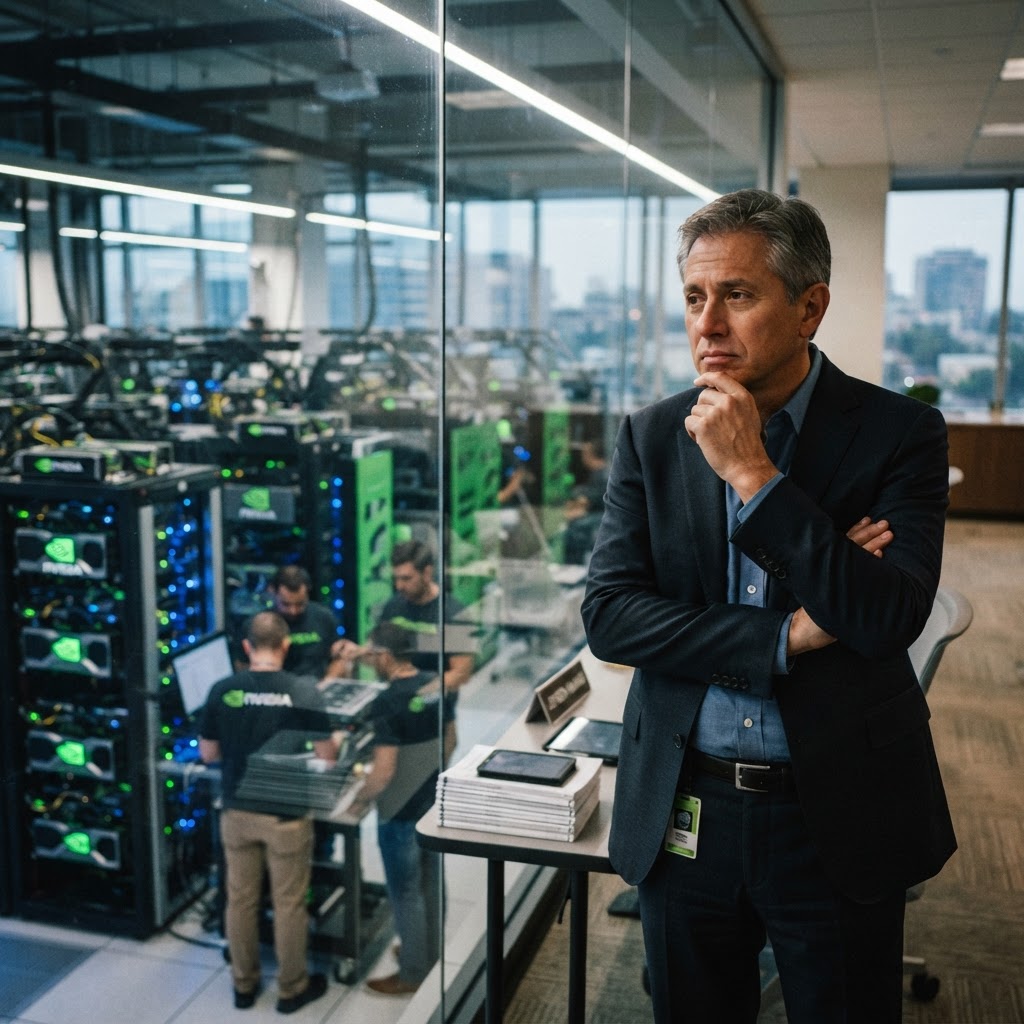
Silicon Shaken: Leadership Upheaval at Nvidia Collides with a Critical AI Infrastructure Shift
A sudden leadership crisis at market titan Nvidia, coupled with rising hardware diversification and regulatory pressure, signals a pivotal turning point for the global artificial intelligence landscape.
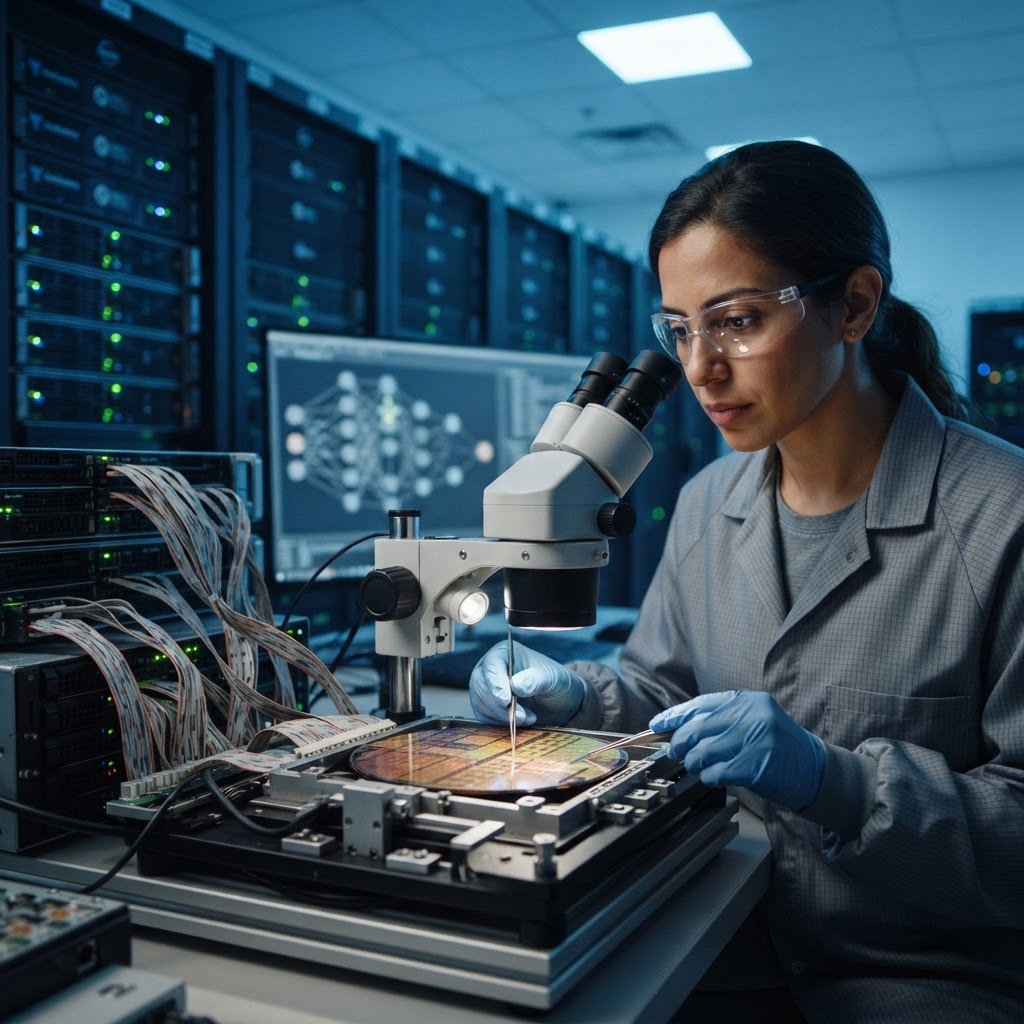
Silicon Under Scrutiny: AI Acceleration, Open-Web Fragility, and the New Frontier of Hardware
Recent shifts across the tech industry reveal a critical turning point as automated code analysis exposes deep infrastructure vulnerabilities, enterprise agentic tools redefine commerce, and next-generation silicon spurs unprecedented market demand.