Preserving the Human Touch: Global Culture Confronts Technological Shifts, Economic Realities, and Heritage Diplomacy
Recent developments across the cultural landscape reveal a sector navigating profound dualities, from the complex rise of artificial intelligence in the arts to innovative heritage diplomacy and economic challenges confronting live performance.
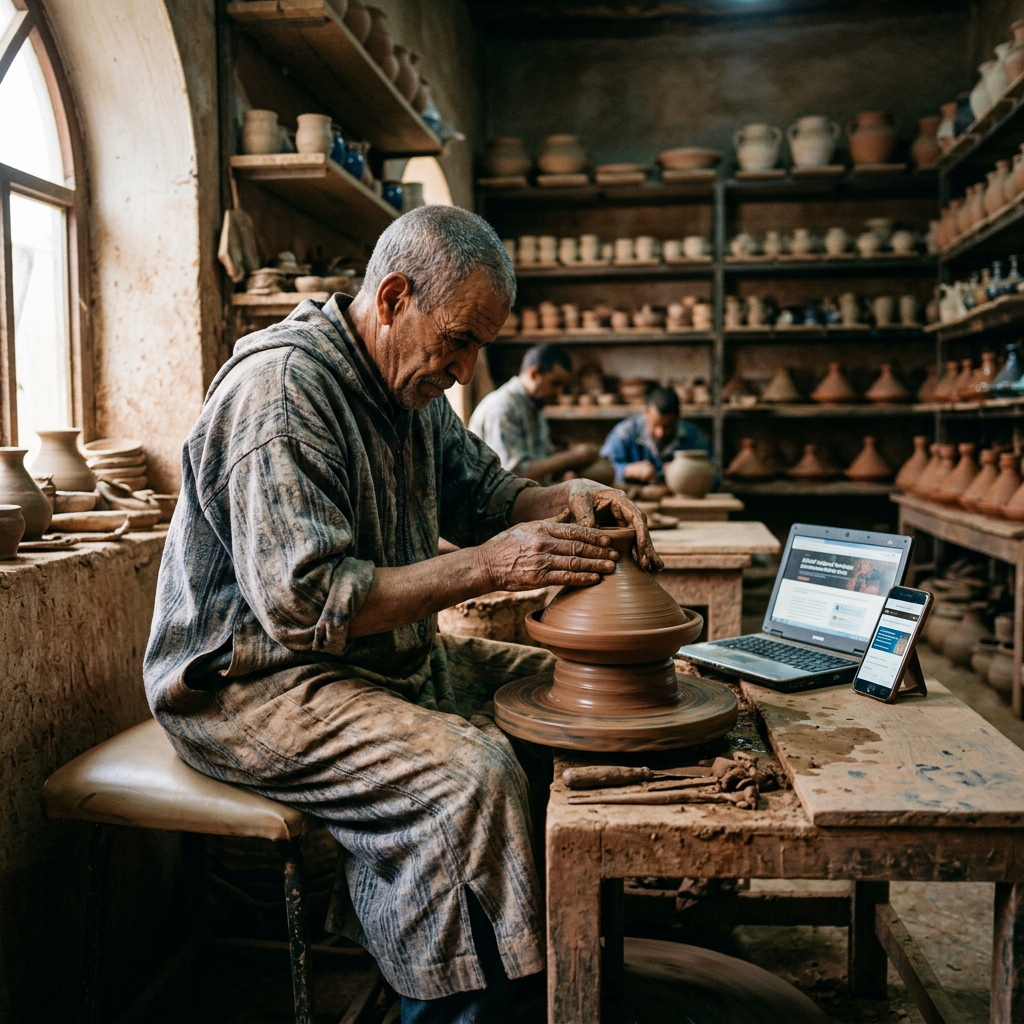
A Watershed Moment for the Cultural Sector
The global cultural sphere is undergoing a critical transformation marked by technological disruption, shifting economic dynamics, and renewed efforts in international heritage diplomacy. Across institutions and creative communities worldwide, cultural leaders and practitioners are actively renegotiating what it means to create, conserve, and participate in shared human heritage. While emerging technologies reshape artistic creation and public access, structural cost pressures and geopolitical interests are simultaneously redefining traditional artistic spaces.
The Digital Frontier and the Defence of the Human Hand
Nowhere is this tension more prominent than in the rapid intersection of artificial intelligence and creative expression. The ongoing debate over algorithmic art was underscored by Cambridge Dictionary selecting 'Human' as its Word of the Year, reflecting societal anxieties around machine learning encroaching on traditionally human domains. In music and live performance, creative artists and technologists are experimenting with hybrid forms—from collaborations with synthetic vocalists to robotic pianists performing alongside traditional musicians—yet these developments continue to provoke fierce debate. Veteran figures like Nick Cave have raised poignant alarms, cautioning against platforms that threaten to hollow out human endeavor and authentic emotional connection.
Simultaneously, international organizations and governments are striving to harness technology responsibly. Projects such as the European Union-funded CULTURAI initiative, alongside UNESCO, are seeking to establish ethical guardrails for AI applications across creative fields. In parallel, digital archiving is expanding accessibility on an unprecedented scale. India's Ministry of Culture recently entered into an agreement with Google Arts & Culture to digitize historical monuments, traditional crafts, and collections for major institutions, including the upcoming Yuge Yugeen Bharat Museum in New Delhi. Such efforts demonstrate how digital platforms can safeguard vulnerable heritage while opening doors to global exploration.
Heritage Diplomacy and Traditional Crafts
Alongside digital preservation, traditional craftsmanship and intangible heritage are taking center stage in cultural diplomacy. From initiatives revitalizing ancient crafts in Jeddah and endangered artisan traditions in Bethlehem to gatherings celebrating Congolese rumba, communities are highlighting living traditions as cornerstones of social resilience and historical memory. Institutional efforts have also expanded, with regional registers preserving archival histories and multilateral dialogues advancing the protection of underwater and land-based archaeological sites across Africa, Latin America, and Central Asia.
Cultural diplomacy is also expanding into dynamic physical spectacles. The Ethnosport Culture Festival in Riyadh exemplifies how traditional sports, folk games, and customary performances are being revitalized on global stages, positioning heritage celebration as an influential instrument of regional and international engagement.
The Economic Realities of the Live Performing Arts
Despite these vibrant digital and diplomatic milestones, the live performing arts confront severe headwinds. Analysts and industry observers warn of a deepening structural crisis across symphony orchestras, classical theaters, and regional opera companies. Escalating operational costs, public deficit reductions across historically supportive European cultural budgets, and the enduring effects of inflation on household disposable income have begun to turn live arts attendance into a prohibitive luxury for many families.
While stadium-sized pop concerts continue to flourish, mid-sized and community venues grapple with lingering audience hesitation and fierce competition from home entertainment platforms. Arts administrators now face the difficult task of re-evaluating funding models, ticket pricing, and outreach strategies to ensure that live civic culture remains accessible rather than exclusive.
Navigating the Path Forward
The contemporary cultural landscape reflects a delicate balance between celebration and vulnerability. Whether confronting the implications of generative automation, safeguarding centuries-old folk traditions, or sustaining live venues in uncertain economic times, the sector remains deeply committed to affirming the vitality of human creativity. As international forums and local initiatives continue to adapt, the enduring impulse to preserve collective memory, celebrate shared heritage, and champion the human imagination stands as the defining ethos of modern cultural life.
Recommended for you
Similar to “Culture & Heritage”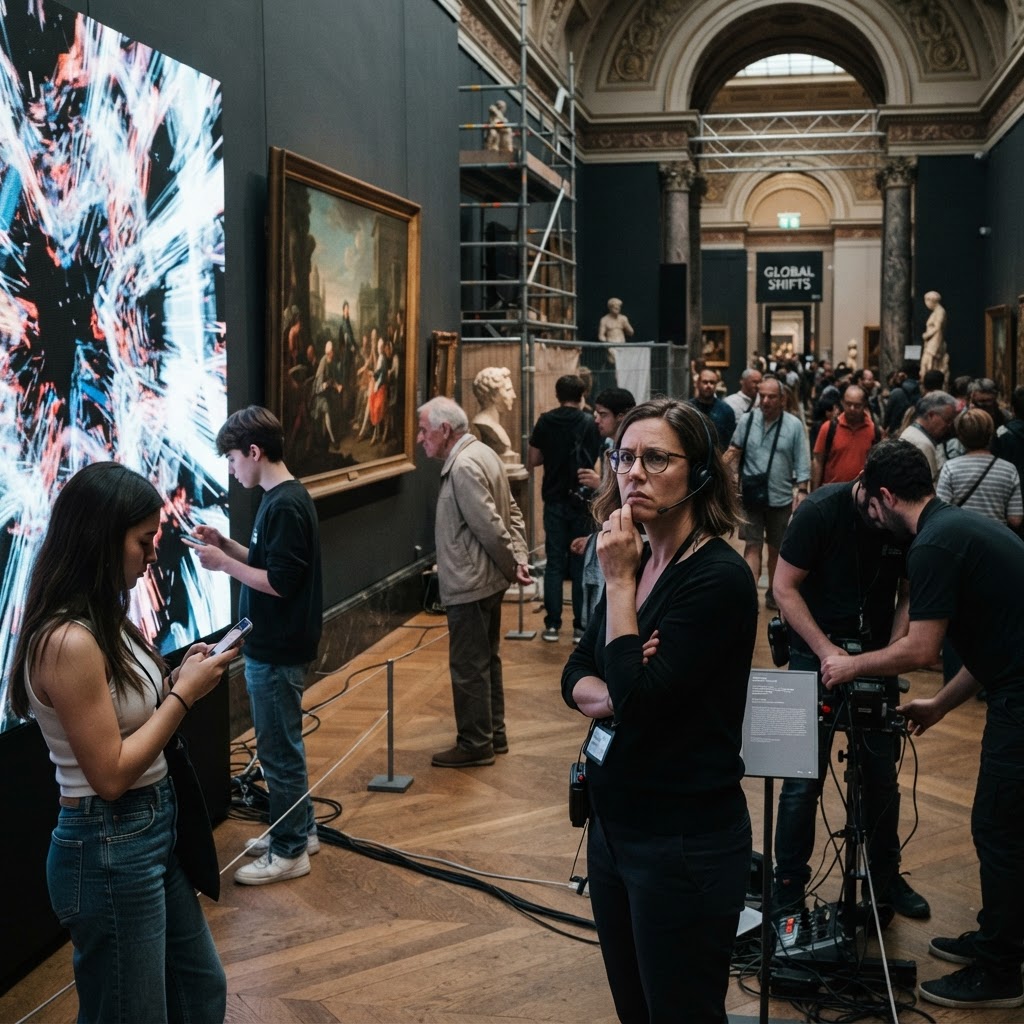
Culture at the Crossroads: Institutional Strain, Algorithmic Drift, and Global Shifts Redefine Global Arts
The international cultural sector is navigating profound transformations as institutional governance battles, artificial intelligence homogenization concerns, and new hubs of heritage diplomacy challenge established traditions.
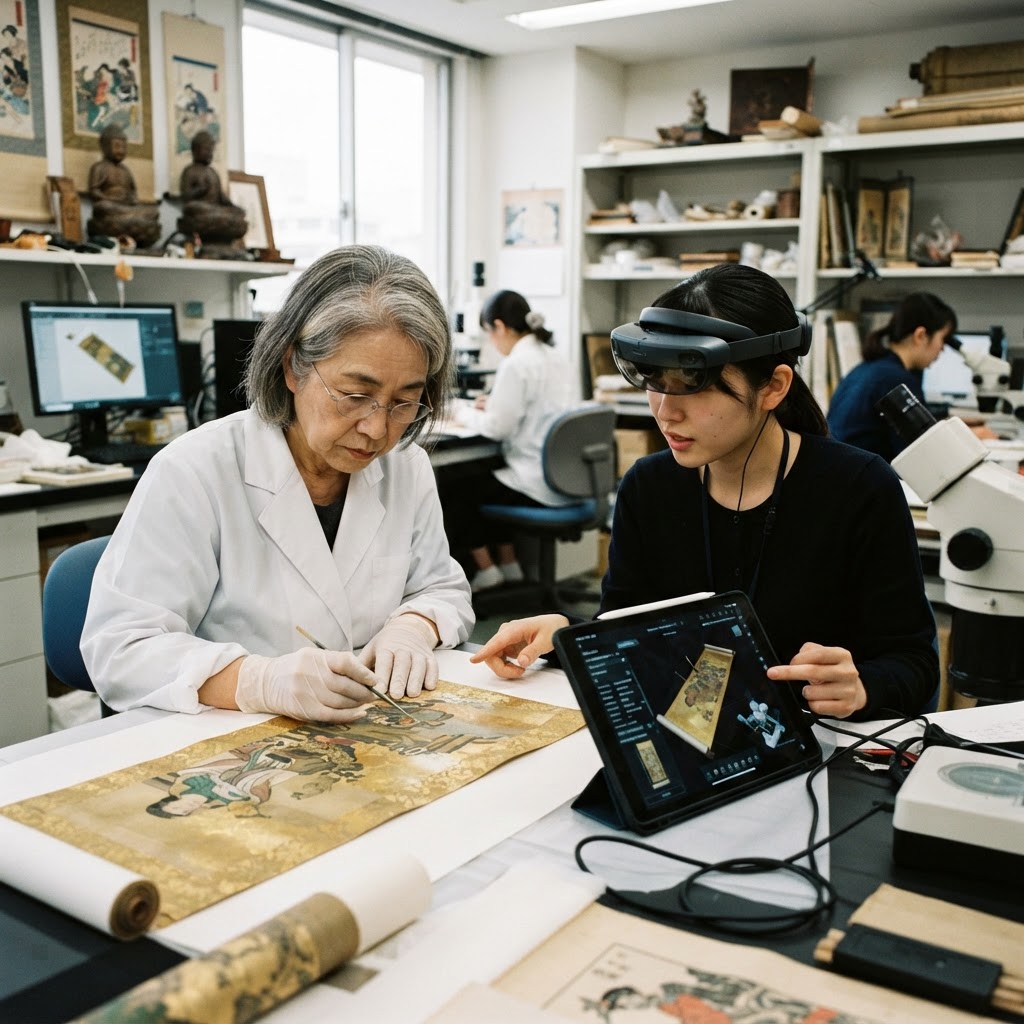
Between Preservation and Innovation: Global Culture Navigates Heritage Safeguards and the AI Frontier
Recent cultural developments across Europe, the Middle East, and Asia spotlight a delicate balance between conserving historical heritage, safeguarding public access, and confronting the disruption of generative artificial intelligence in the arts.

Preserving the Past, Navigating the Future: Global Culture Faces a Dual Revolution
Around the world, cultural institutions and artists are navigating unprecedented shifts, balancing the fight to protect tangible heritage against conflict and the challenges posed by artificial intelligence.