Global Health at a Crossroads: Resurging Epidemics, Chemical Threats, and Major Prevention Milestones
From rising infectious disease challenges to landmark prevention studies and new chemical exposure warnings, public health authorities worldwide are grappling with both critical breakthroughs and mounting risks.
Confronting Infectious Threats and Immunization Crises
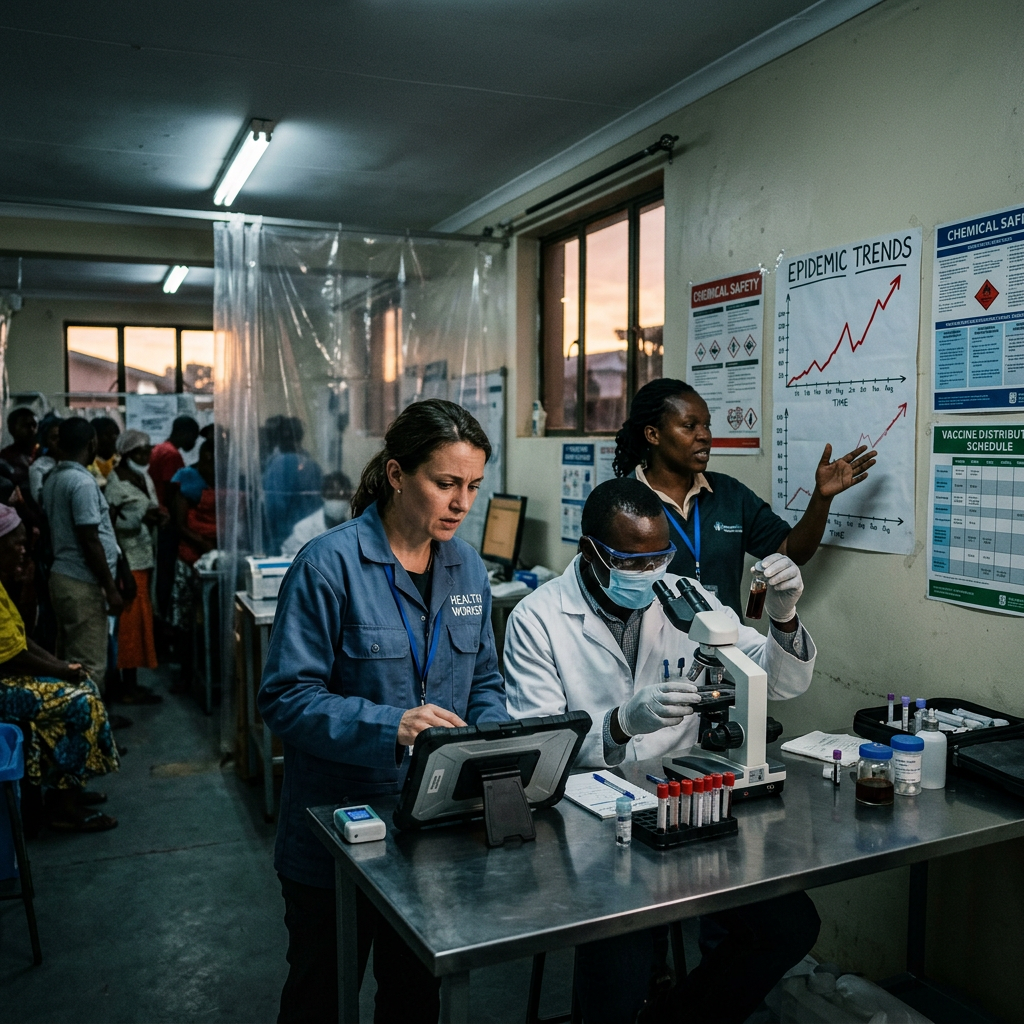
International health authorities are confronting a dual challenge of resurging infectious pathogens and fragile emergency responses. In the United States, public health specialists face mounting alarm over measles transmission, with infections surging past 5,000 cases this year and putting the country at risk of losing its formal elimination status, as highlighted in reporting from KFF Health News. Compounding this challenge, epidemiologists have noted a sharp uptick in vulnerable populations, with at least 167 confirmed measles diagnoses among pregnant women since 2025, according to state health registries detailed by KFF Health News. Medical professionals caution that milder cases are likely going underreported, leaving prenatal health at heightened risk.
Meanwhile, the global landscape reflects uneven progress in controlling complex viral outbreaks. In the Democratic Republic of the Congo, an ongoing outbreak of the Bundibugyo Ebola virus continues to strain emergency operations across eight provinces. While containment efforts have tempered initial epicenters, persistent insecurity and physical attacks against treatment facilities and responders have critically undermined the intervention, as outlined by Reuters and ReliefWeb. Even so, pockets of clinical success offer reassurance: health authorities in Geneva recently confirmed the discharge and full recovery of an evacuated Ebola patient, illustrating the effectiveness of high-standard supportive care.
Milestones in Disease Elimination and Dietary Interventions
Alongside frontline emergency responses, substantial progress has emerged in preventive medicine and global disease eradication. Eritrea achieved a landmark achievement by officially eliminating trachoma as a public health problem, according to announcement logs from the World Health Organization, adding to a growing list of nations eradicating preventable infectious blindness through persistent community-level interventions.
On the non-communicable disease front, widespread dietary changes could dramatically cut chronic illness death rates. A major global modeling investigation by researchers at The George Institute for Global Health, reported in their media release, evaluated the impact of substituting regular sodium table salt with potassium-enriched alternatives across 193 nations. The researchers estimated that a universal shift across both consumer kitchens and commercial food production could avert nearly three million premature deaths and prevent over ten million cases of cardiovascular and chronic kidney disease each year. While clinicians have traditionally raised concerns regarding hyperkalemia in patients with advanced renal dysfunction, the study showed that the broad population benefits decisively outweigh potential hazards, providing an actionable roadmap for international dietary reform.
Emerging Chemical Hazards and Youth Advocacy
Health bodies are also turning intensified scrutiny toward synthetic chemicals and consumer exposures. A joint report published by the UN Environment Programme and the World Health Organization, noted by the World Health Organization, warned of deepening scientific evidence that fetal exposure to endocrine-disrupting chemicals begins in utero, prompting renewed calls for tighter chemical governance and maternal health protections.
This momentum converged in Geneva during the fourth Global Model WHO, where more than 400 youth delegates from over 50 nations ratified the Youth Declaration on Plastics and Health, as covered in a WHO departmental update. Demanding that human health be formally integrated into the upcoming legally binding global plastics treaty, the delegates highlighted the presence of micro- and nano-scale plastic debris in vital tissues, blood, and amniotic fluid. Their platform urges strict production caps, transparent toxicological monitoring, and robust protections against industry influence.
Shifting Paradigms in Chronic Disease Management
Clinical approaches to non-communicable illnesses are undergoing noticeable shifts. The World Health Organization unveiled its first dedicated clinical management guidelines for adults living with type 1 diabetes, reported on the WHO newsroom, aiming to bridge long-standing diagnostic and treatment inequities across low- and middle-income settings.
Simultaneously, the foundational understanding of metabolic health is receiving reconsideration. A study highlighted by Reuters indicated that only 25 to 33 percent of people categorized as obese by body mass index exhibit markers of active metabolic illness, underscoring expert recommendations to abandon simplistic height-weight formulas in favor of detailed physiological evaluations. Together with revised clinical guidance recommending proactive prostate cancer screening from major oncological bodies, modern medicine is rapidly migrating toward personalized, data-driven prevention strategies.
Recommended for you
Similar to “Global Health”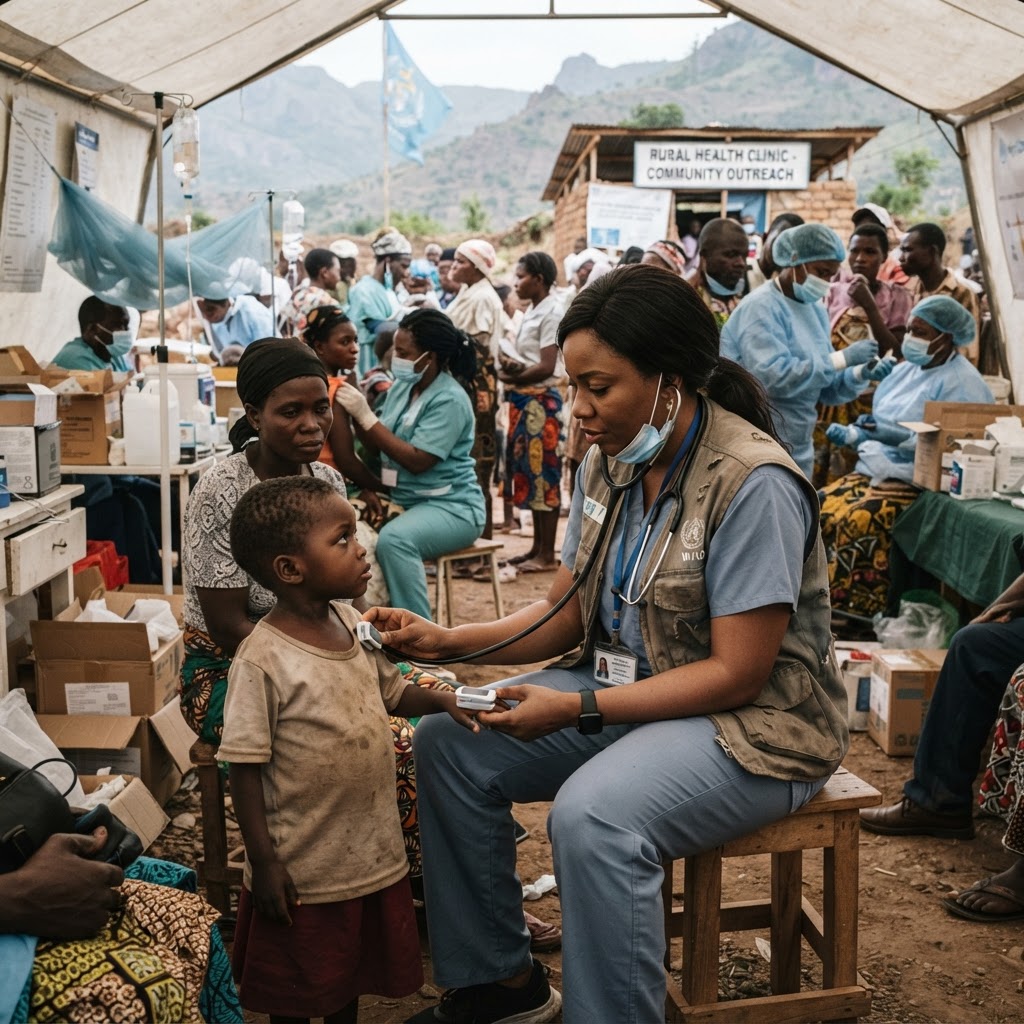
Global Health at a Crossroads: Resurgent Epidemics, Clinical Breakthroughs, and Evolving Policy
Recent public health developments reveal a dual landscape of mounting vector-borne and infectious threats alongside critical regulatory updates and therapeutic milestones.
Global Health at a Crossroads: Breakthrough Therapies Emerge Amid Resurgent Epidemics and Prevention Challenges
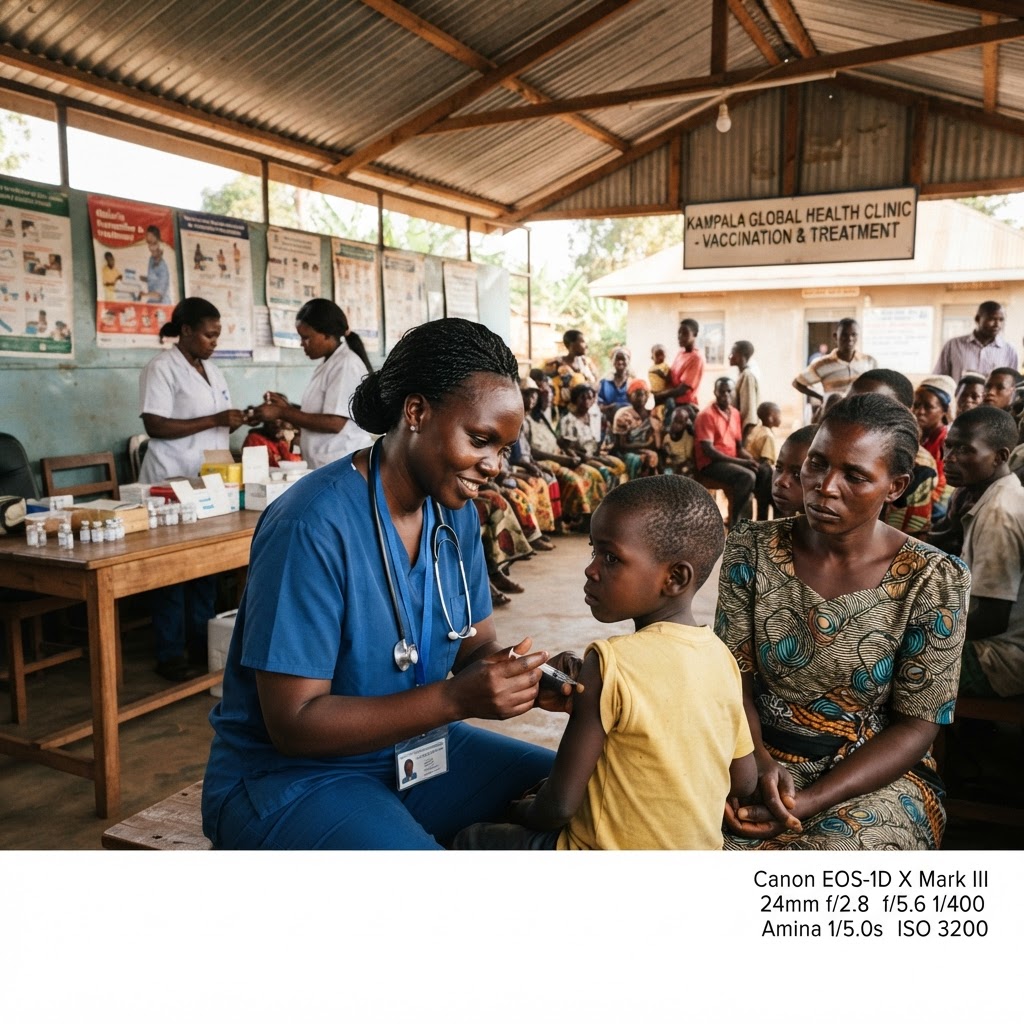
While groundbreaking pharmaceutical pipelines and gene therapies reshape chronic disease management, public health systems grapple with resurging infectious outbreaks and routine preventive care gaps.
Global Health at a Crossroads: Tackling Chronic Crises, Emerging Pathogens, and Diagnostic Shifts
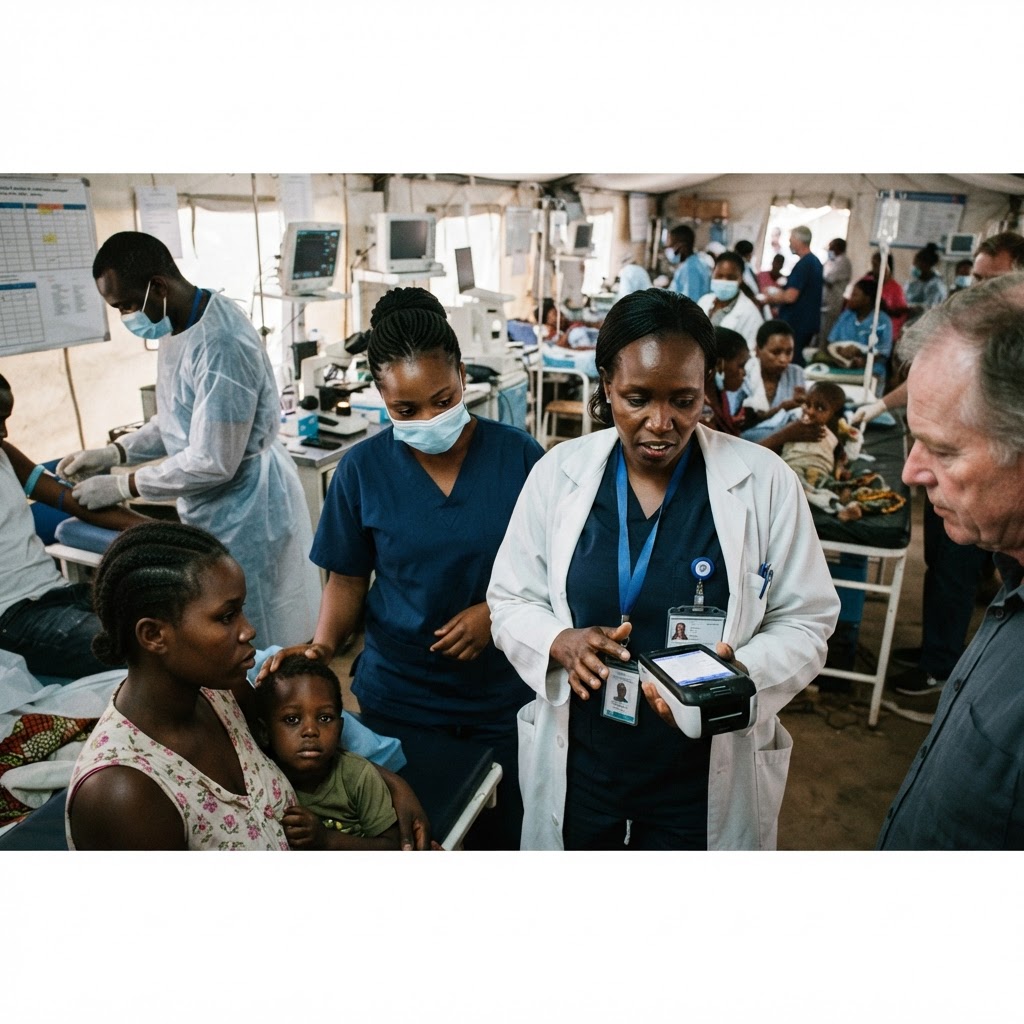
Recent major announcements across international public health spotlight urgent new clinical guidelines for diabetes and oncology alongside critical discoveries in pathogen transmission and neurodegenerative disease.