Ocean Protection and Market Integrity Clash on the Global Stage as COP31 Targets Biodiversity and Carbon Systems
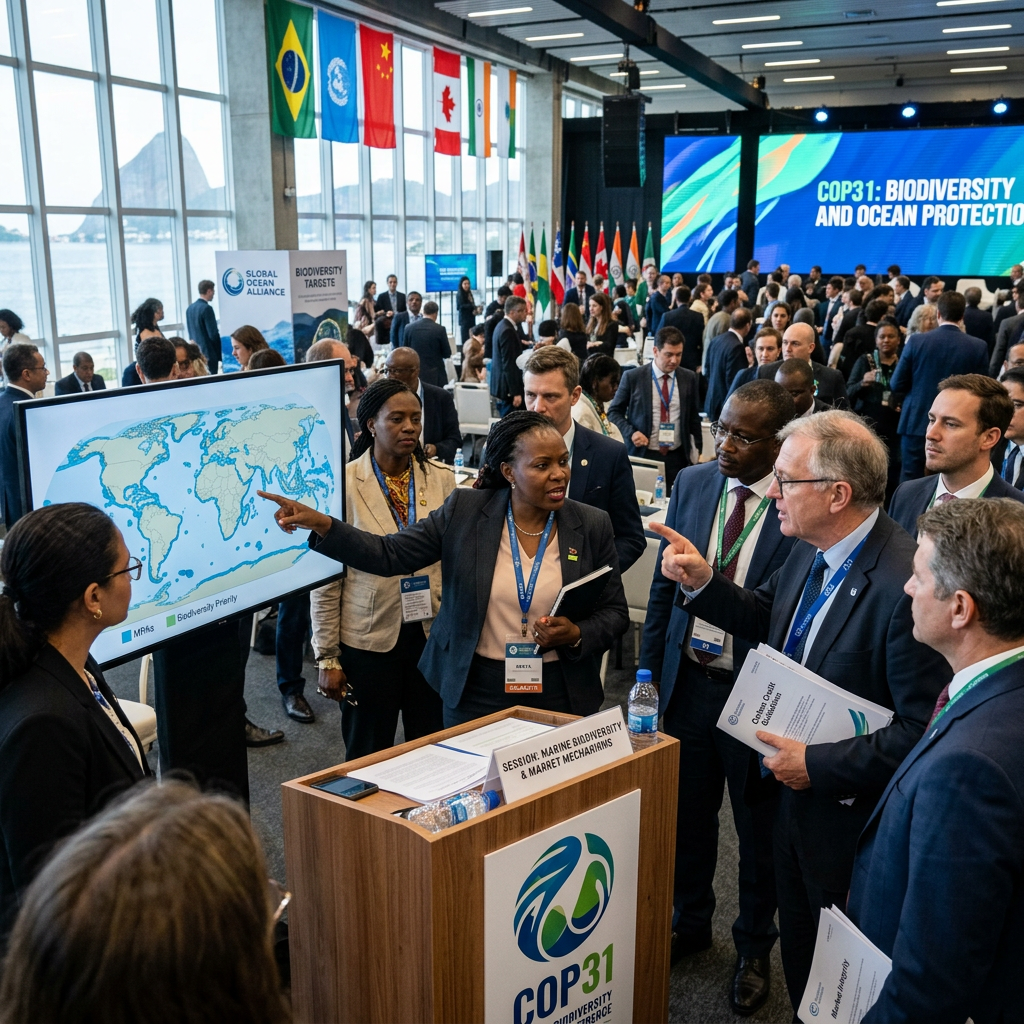
Recent high-stakes talks at the COP31 climate summit highlighted a sharp division between expanding marine conservation pledges and unresolved disputes over carbon accounting integrity and forest preservation.
A Complex Convergence of Climate and Biodiversity Mandates
As the international community convenes in Antalya, Türkiye, for the 31st Conference of the Parties (COP31), environmental policy has pivoted decisively toward the intersection of climate resilience and ecological conservation. Delegations face mounting urgency to turn sweeping multilateral treaties—most notably the Paris Agreement and the Kunming-Montreal Global Biodiversity Framework—into measurable, enforceable domestic reality. However, ongoing sessions demonstrate that while momentum behind marine protection and conservation financing is surging, profound fractures persist regarding carbon credit verification, supply-chain deforestation, and multilateral governance.
Expanding Frontiers in Marine Conservation and Blue Carbon
Ocean preservation has emerged as one of the summit's central storylines, defined by ambitious unilateral commitments and complex diplomatic negotiations. Demonstrating substantial progress toward the global target of safeguarding 30 percent of the planet's oceans by 2030, Portugal officially unveiled a massive Atlantic marine reserve spanning roughly 17.2 million hectares. The landmark declaration brings approximately 25 percent of Portugal’s sovereign marine waters under formal protection, marking one of the single most expansive marine conservation measures established by a European state in recent years.
Complementing these conservation frameworks, developing archipelagic nations are rapidly building institutional mechanisms to finance marine stewardship. Indonesia introduced a comprehensive regulatory framework dedicated to economic instruments in the marine and fisheries sector, aiming to accelerate high-integrity blue carbon projects across its extensive coastal zones. Concurrently, regional support has been reinforced by institutions such as the European Commission, which allocated €119 million through its Blue Economy Observatory to advance 17 major ocean restoration and coastal sustainability projects.
Despite this progress, global ocean governance encountered notable diplomatic head的问题. Efforts to finalize consensus on ocean language within the COP31 cover decision faced vocal resistance, including lone objections from the Russian Federation over proposed marine text. Meanwhile, broader United Nations negotiations addressing sustainable high-seas fisheries saw a proposed ban on bottom trawling across fragile deep-sea seamounts withdrawn following entrenched pushback from a small coalition of fishing nations, highlighting the friction between economic extraction and deep-sea habitat preservation.
Carbon Markets, Governance Integrity, and the Nature-Based Solutions Dilemma
Parallel to ocean policy, negotiators in Antalya have engaged in rigorous deliberations regarding the mechanics of Article 6 international carbon trading and the Paris Agreement Crediting Mechanism (PACM). Despite aggressive lobbying by market participants to relax stringent baseline requirements, party leaders have largely held their ground, refusing to weaken newly ratified accounting standards. The integrity debate remains paramount, even as sovereign entities surpass 53 million tonnes in contracted Article 6 carbon credits, valued at over $1.6 billion.
In the jurisdictional market for nature-based solutions, governments in the Global South continue to notch concrete milestones. Ghana announced the issuance of 6.5 million forest carbon credits under the rigorous ART TREES standard, while the Philippines delivered its national carbon market framework for top-level review. In Latin America, Brazil’s National Commission for REDD+ (CONAREDD+) enacted a specialized measurement, reporting, and verification (MRV) body designed to integrate national forest data directly into its incoming emissions trading system.
Nevertheless, analysts caution that administrative frameworks alone cannot bridge structural shortcomings. A newly published assessment by the International Union for Conservation of Nature (IUCN) warned that national policies championing nature-based solutions routinely fail to provide adequate proof of long-term financial feasibility. Independent watchdogs unveiled data demonstrating that major corporate supply chains in soy and livestock industries continue to accelerate deforestation within critical biomes such as the Brazilian Amazon, despite pervasive net-zero pledges. This tension underscores an ongoing structural challenge: ensuring that market mechanisms yield genuine ecological preservation rather than unverified corporate offsets.
Mobilizing Multilateral Finance for Resilience
In response to recurring warnings from developing economies regarding climate adaptation deficits, public finance mechanisms recorded crucial capital injections. The Global Environment Facility (GEF) crossed a major threshold, with newly confirmed contributions propelling total pledges for its 2026–2030 funding round beyond $4.5 billion. Additional bilateral and multilateral disbursements followed suit: Norway confirmed a 1 billion kroner ($104.7 million) results-based payout to Indonesia for verified reductions in tropical deforestation, alongside a dedicated $33 million package targeting climate adaptation and biodiversity across vulnerable nations.
At the structural level, alliances such as the ENACT Partnership expanded their footprints, with nations like Albania formally joining to align national infrastructure resilience with nature-based restoration standards. Yet, as academics in London and civic observers across the Global South have noted, disaster recovery funding must fundamentally shift toward preemptive natural capital investments. As delegates head into final negotiations, the summit’s lasting legacy will hinge on whether this influx of capital can transcend bureaucratic compromise to deliver tangible protection for vulnerable ecosystems.
Recommended for you
Similar to “Environment”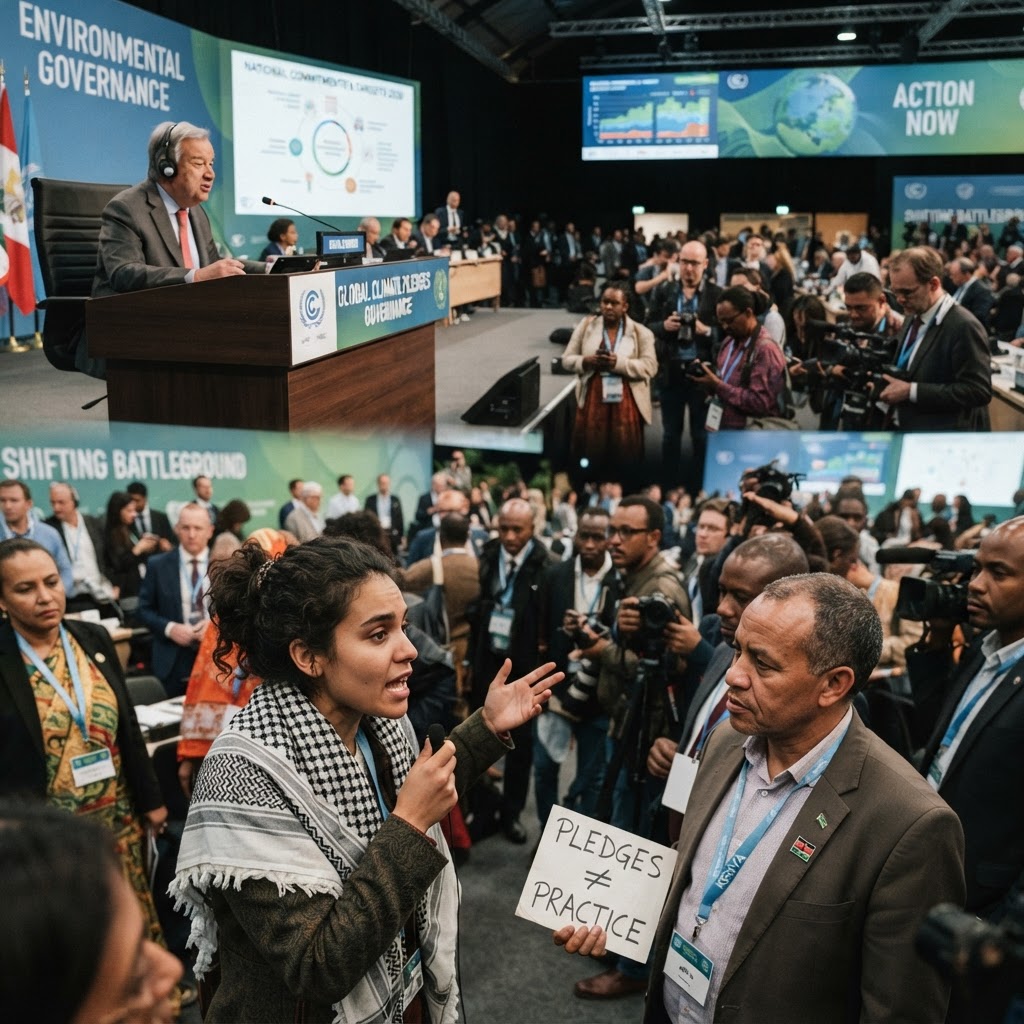
Between Pledges and Practice: The Shifting Battleground of Global Environmental Governance
As climate-fueled disasters intensify and conservation targets face scrutiny over real-world implementation, global policymakers struggle to bridge the gap between paper commitments and practical planetary protection.
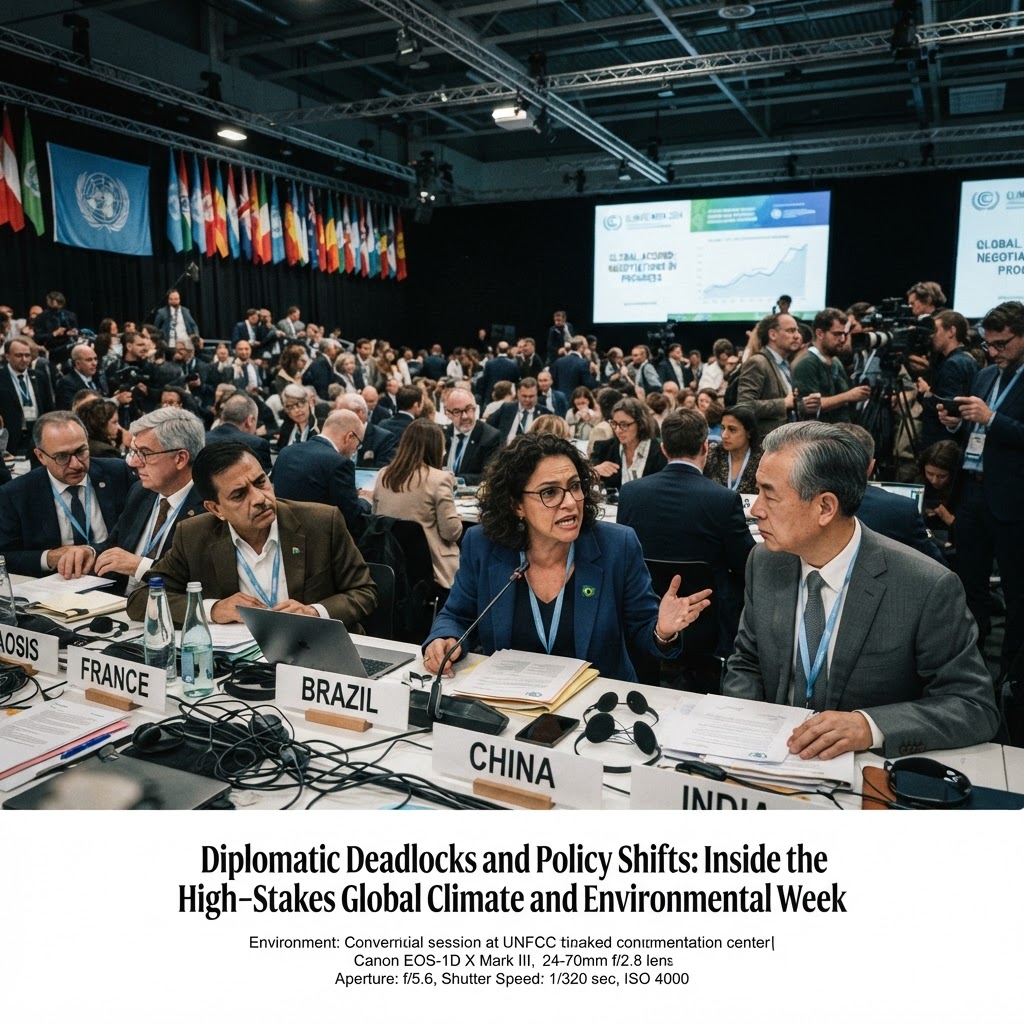
Diplomatic Deadlocks and Policy Shifts: Inside the High-Stakes Global Climate and Environmental Week
As high-stakes COP31 negotiations in Antalya reach a contentious climax over fossil fuels and climate finance, parallel decisions in Europe and fresh scientific assessments underscore the complex balancing act between environmental ambition and political pragmatism.
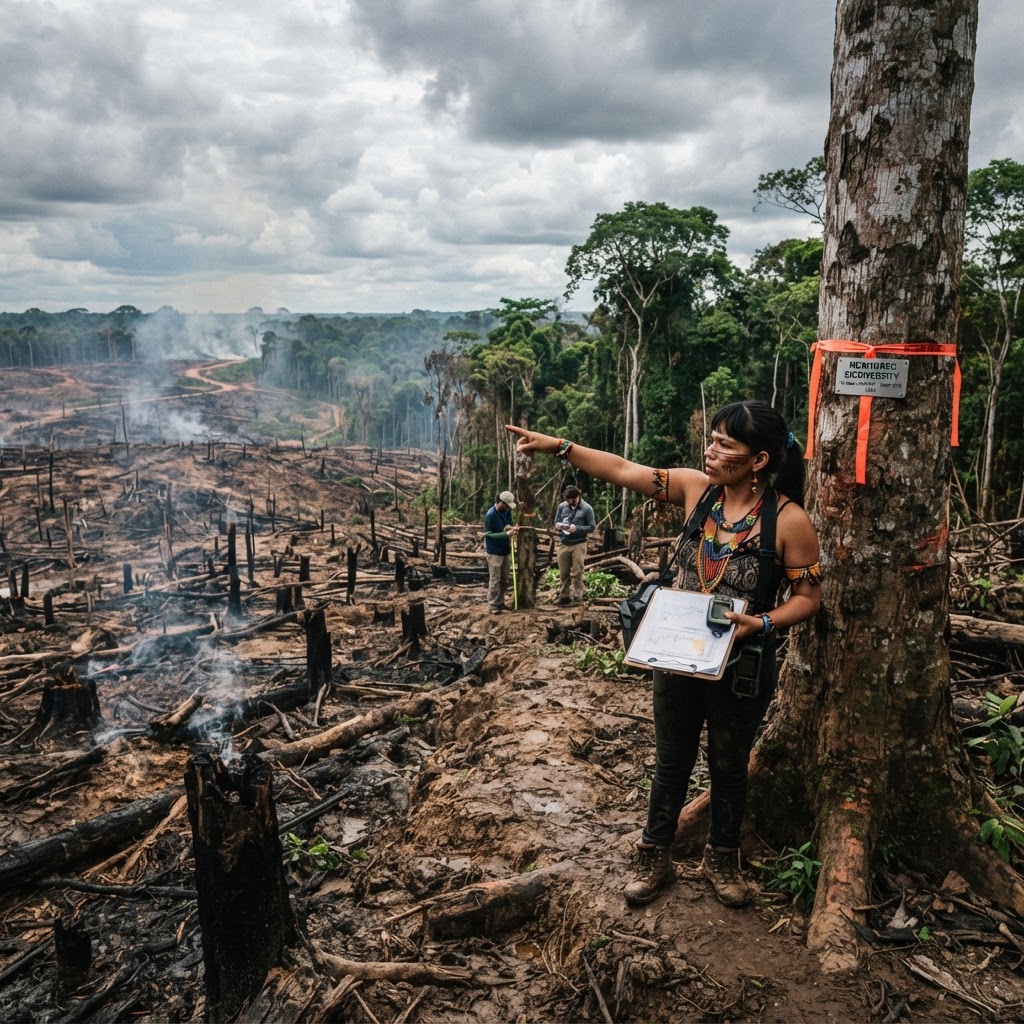
A Planetary Crossroad: Climate Pledges Falter as Biodiversity and Carbon Integrity Face Intense Scrutiny
As global average temperatures continuously challenge key warming thresholds, scientific bodies and multilateral summits highlight widening implementation gaps across carbon markets, biodiversity finance, and ozone protection.