A World in Disjointed Motion: How Global Commentary Views the Fracturing Multilateral Order
Recent international opinion pages reflect growing anxiety over the retreat of major powers from climate commitments, shifting regional alliances, and the moral strains on global institutions.
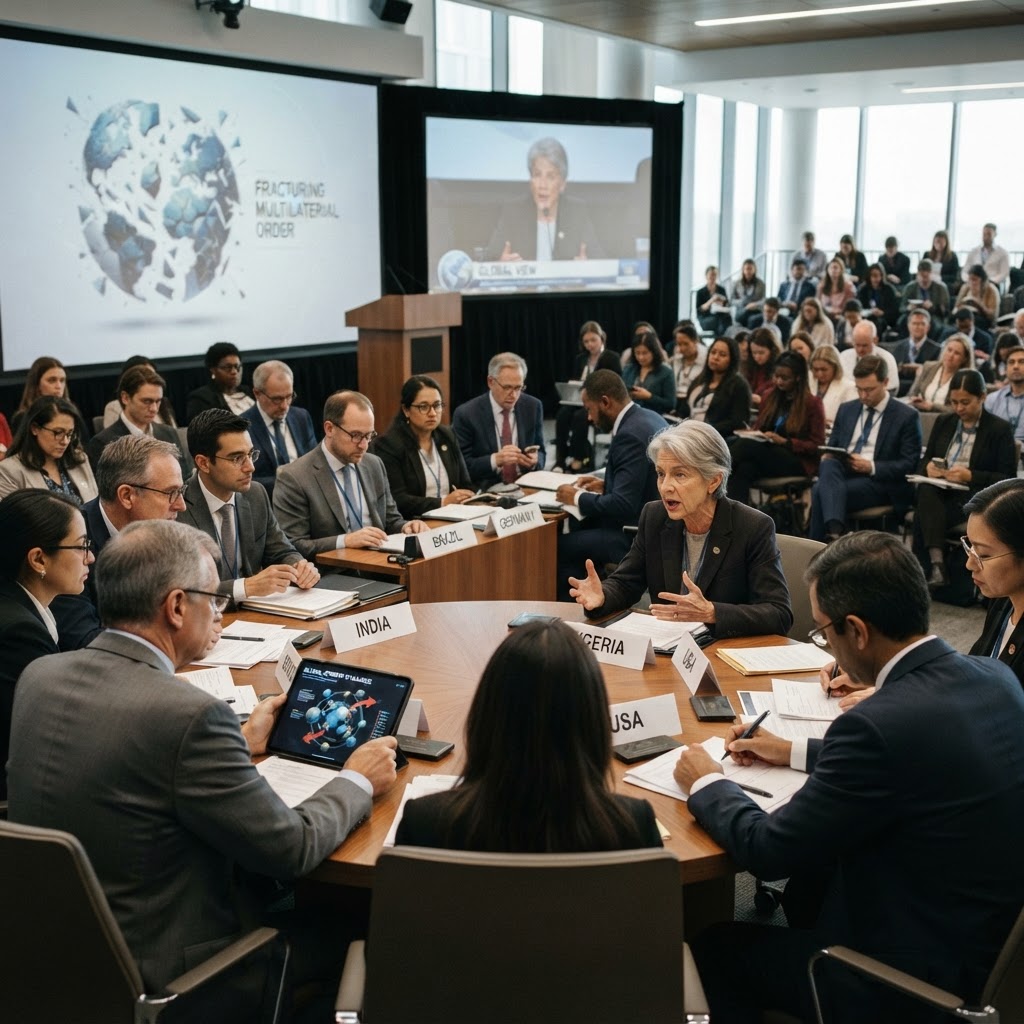
The Strain on Multilateral Climate Diplomacy
Across major international editorial and opinion pages in recent days, a recurring thread has dominated global commentary: the profound fragmentation of traditional multilateralism. From European and Asian columns analyzing the COP31 climate negotiations in Antalya to Middle Eastern assessments of regional realignment, analysts are grappling with an increasingly multipolar and transactional international order. The climate forum in Antalya has become a primary flashpoint for this debate. Commentators in The Japan Times warn of what many describe as a perilous 'post-American world,' marked by Washington's absence and formal withdrawal moves from the United Nations Framework Convention on Climate Change framework, leaving international institutions to chart a fragmented path without superpower consensus.
Simultaneously, critical perspectives highlighted by development scholars at institutions like the Institute of Development Studies point out that global summits continue to suffer from significant representation gaps. Opinion contributors emphasize that frontline communities—including pastoralists and vulnerable populations facing unprecedented heatwaves and extreme weather—remain largely sidelined from high-level decision-making. Meanwhile, media outlets in East Asia, notably commentaries in China Daily, have stressed that climate transitions will falter entirely unless governance frameworks prioritize affordability and tangible financing mechanisms over mere aspirational declarations.
Shifting Alliances and Regional Sovereign Realities
Parallel to the climate debate, opinion writers are examining the changing dynamics within regional blocs that were once seen as steady anchors of diplomacy. Commentators monitoring Southeast Asia at Philstar.com note significant tensions over domestic governance and regional cohesion during recent ASEAN gatherings. Editors note that while regional diplomacy maintains a polite veneer, persistent friction over codes of conduct, public accountability, and domestic political divisions continues to challenge unified multilateral action.
In the Middle East, columnists writing for Arab News have focused extensively on the shifting balances of power and the limits of traditional security partnerships. From debates over the enduring deadlock between Washington and Tehran to the complex legal, financial, and strategic maneuvers of Gulf states, analysts suggest that regional powers are no longer waiting for external guarantees. Instead, opinion pieces argue for proactive, self-reliant diplomatic frameworks to safeguard regional stability and address emerging economic pressures caused by persistent conflicts.
Institutional Resilience and Moral Dilemmas
Underpinning these geopolitical shifts is a deeper critique of international institutions and their capacity to enforce justice and stability. Essays across foreign policy forums such as the Global Policy Journal and East Asian commentaries highlight the precarious position of bodies like the International Criminal Court. While countries like Japan maintain vital financial contributions to judicial organs, commentators raise uncomfortable questions about whether financial underwriting alone can preserve the authority of international law when leading military and economic powers routinely dismiss its jurisdiction.
Ultimately, the latest spectrum of international editorial thought reflects a shared realization: the post-Cold War institutional architecture is facing its most consequential test. Whether confronting climate devastation, legal accountability, or regional security vacuums, opinion writers worldwide argue that future stability will not emerge from old formulas of superpower leadership. Instead, the consensus among global commentators points toward an era defined by pragmatic, middle-power coalitions, decentralized agreements, and an urgent demand to reconnect global policy with local realities.
Recommended for you
Similar to “Global Opinion”
A World Turning Inward: How Fractured Alliances and Economic Nationalism Are Redefining Global Governance
Recent commentary across leading global editorial pages reveals an escalating anxiety over economic nationalism, shifting migration compacts, and the gradual disintegration of post-war international frameworks.

A World in Flux: How Geopolitics, AI Disruptions, and Climate Realism Are Reshaping Global Opinion
Recent commentary across major international publications reveals a shared reckoning over shifting electoral dynamics, the unvarnished realities of the global climate crisis, and the unchecked footprint of modern technology.

A Fractured Consensus: How Opinion Pages Around the World Reflect an Era of Distrust and Disruption
From growing scrutiny of multilateral institutions to domestic political friction and artificial intelligence debates, international opinion pages highlight a fractured global order navigating rapid technological and geopolitical transitions.