Global Health in Transition: Shifting Guidelines, Environmental Alarms, and Emerging Epidemic Hurdles
Recent major developments across international public health highlight transformative shifts in screening standards, growing alarms over environmental contaminants, and persistent challenges facing disease containment.
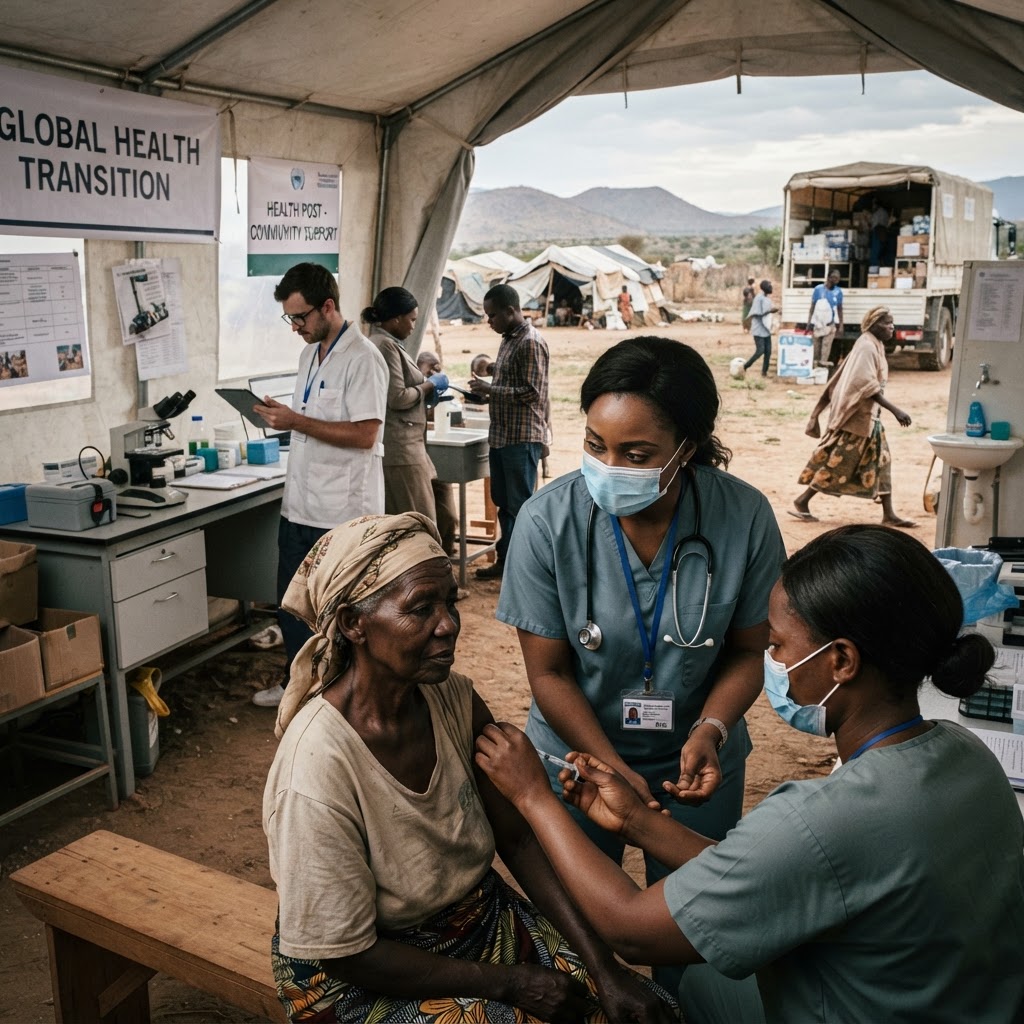
A Major Paradigm Shift in Clinical Screenings and Chronic Care
In a historic development altering preventive medicine standards, the American Cancer Society recently updated its guidance on prostate cancer screening, calling for routine testing for many men as documented in international medical dispatches reported by Reuters. Departing from long-standing advisory guidelines established in 2010—which favored individualized shared decision-making due to risks of overdiagnosis and treatment-related complications—the organization determined that recent therapeutic advancements and accumulating clinical evidence mean the potential benefits of early detection now outweigh harms.
Parallel shifts are unfolding across chronic condition management. The World Health Organization marked a major milestone by releasing its first-ever official guidelines focused specifically on adult type 1 diabetes care, according to announcements from the WHO Newsroom. Simultaneously, the definition of metabolic disease itself is facing intense scrutiny. A comprehensive study published in Nature reported that merely a quarter to a third of individuals currently categorized as obese suffer from actual adverse metabolic health, supporting expert petitions to transcend simple body mass index measurements in favor of nuanced diagnostic evaluations of body composition and physiological function.
Mounting Environmental Hazards and Chemical Exposures
Beyond lifestyle and diagnostic medicine, urgent environmental warnings are capturing global attention. A joint report released by the United Nations Environment Programme and the World Health Organization revealed alarming evidence that prenatal human exposure to hormone-disrupting chemicals begins before birth, as cataloged in updates from the World Health Organization. These endocrine-disrupting agents pose significant developmental risks, prompting heightened scrutiny of consumer products, industrial manufacturing, and chemical regulation frameworks.
Public concern regarding environmental toxins is also reverberating across international diplomatic forums. Hundreds of youth representatives at the Global Model WHO adopted a formal Youth Declaration on Plastics and Health, demanding that negotiators actively incorporate binding public health clauses, industrial conflict-of-interest safeguards, and production limits into the forthcoming global plastics treaty negotiations, per statements from the World Health Organization.
Frontline Epidemics and Fragile Containment Efforts
While preventative and environmental frameworks evolve, acute biological crises continue to strain global resilience. In the eastern Democratic Republic of the Congo, public health interventions targeting an Ebola outbreak that has claimed thousands of lives face critical disruptions. The Africa Centres for Disease Control and Prevention cautioned that escalating violence, including armed incursions, assaults against frontline healthcare personnel, and targeted arsons of clinical centers, have severely disrupted vital containment efforts, as covered in dispatches from Reuters.
Even in nations with established disease monitoring infrastructure, persistent vigilance remains essential. In the United States, tracking by the Centers for Disease Control and Prevention revealed ongoing measles transmission with high clinical impact, showing approximately 40 percent of documented cases requiring acute hospitalization for complications or isolation management. Combined with systemic obstacles in delivering antimicrobial resistance diagnostics to low-resource clinics, global authorities remain locked in a multi-front struggle to reinforce core medical defenses worldwide.
Recommended for you
Similar to “Public Health”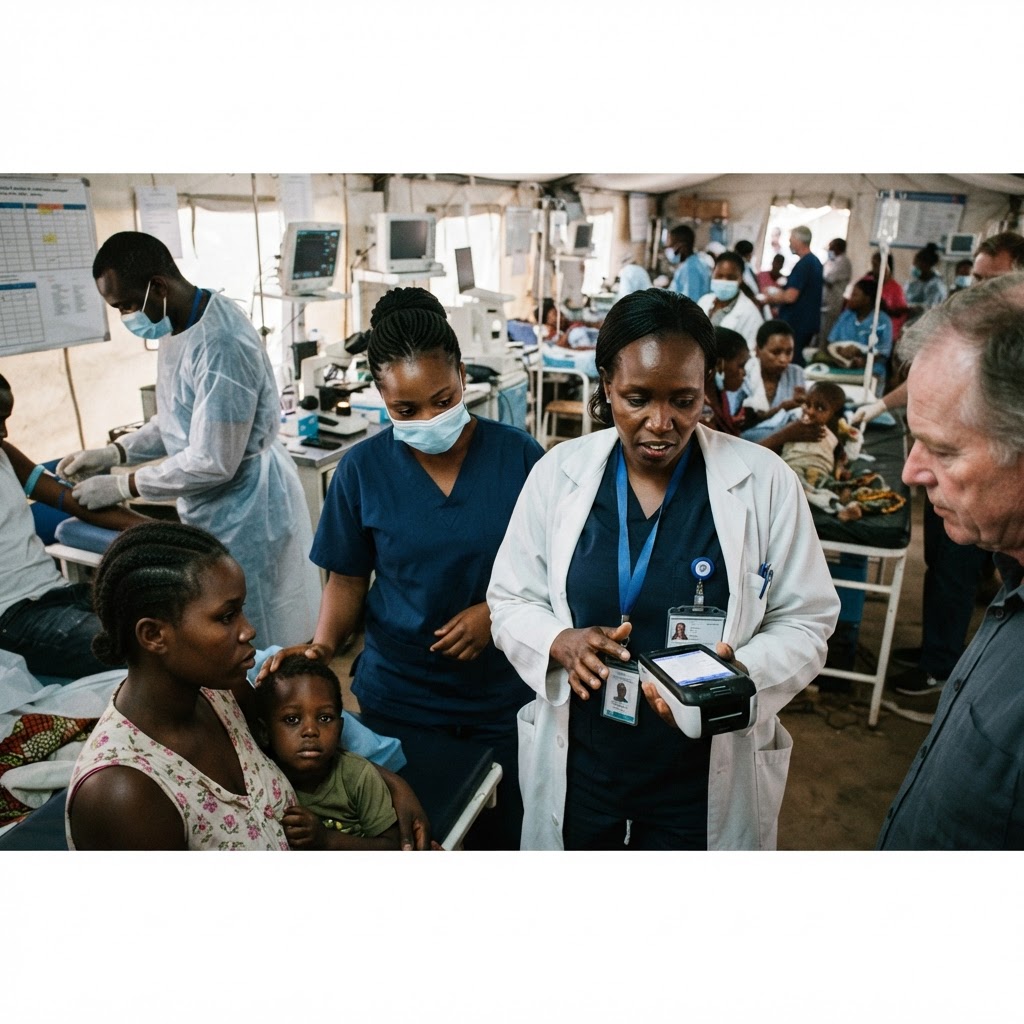
Global Health at a Crossroads: Tackling Chronic Crises, Emerging Pathogens, and Diagnostic Shifts
Recent major announcements across international public health spotlight urgent new clinical guidelines for diabetes and oncology alongside critical discoveries in pathogen transmission and neurodegenerative disease.
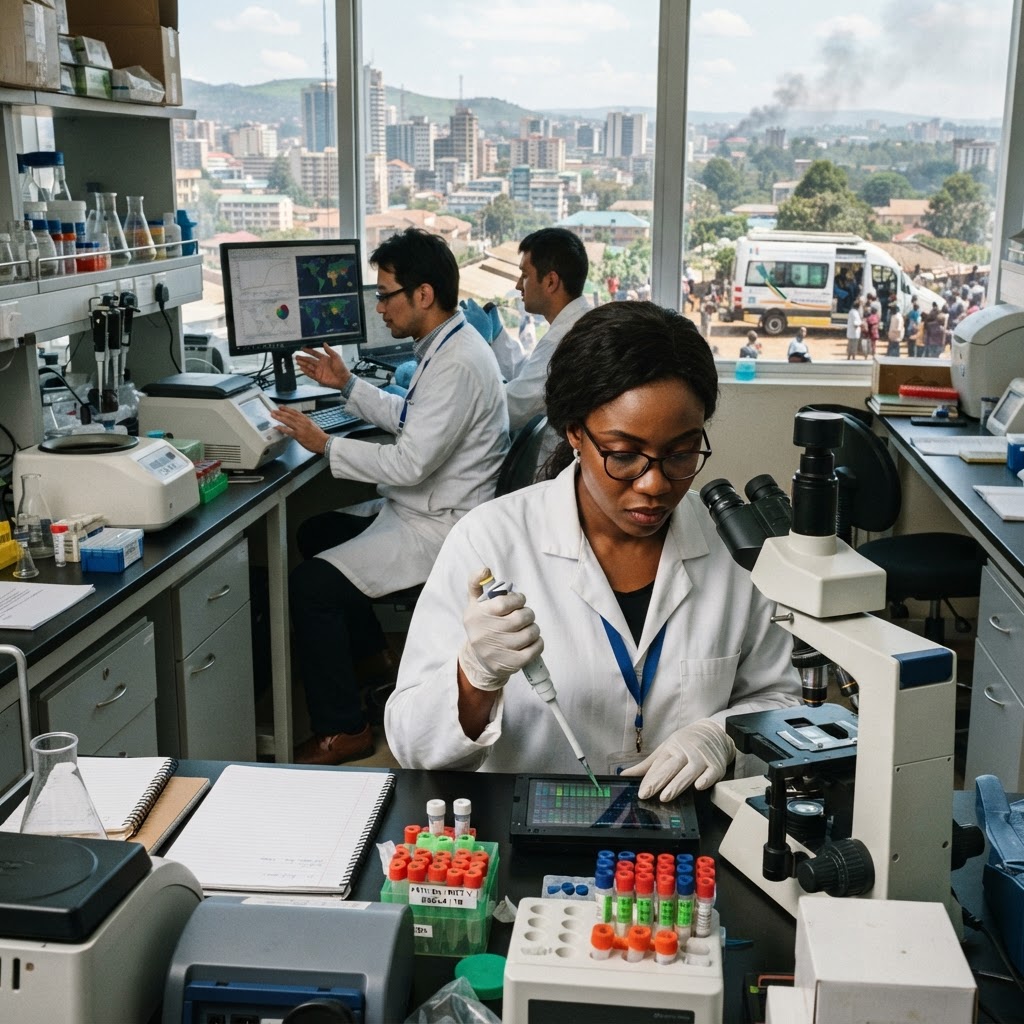
Frontiers in Global Health: Resurgent Pathogens, Breakthrough Diagnostics, and Emerging Environmental Threats
Recent developments across public health reveal a stark contrast between accelerating medical innovations—including blood tests for CTE and shortened tuberculosis regimens—and escalating threats from infectious resurgences, microplastics, and chronic disease.
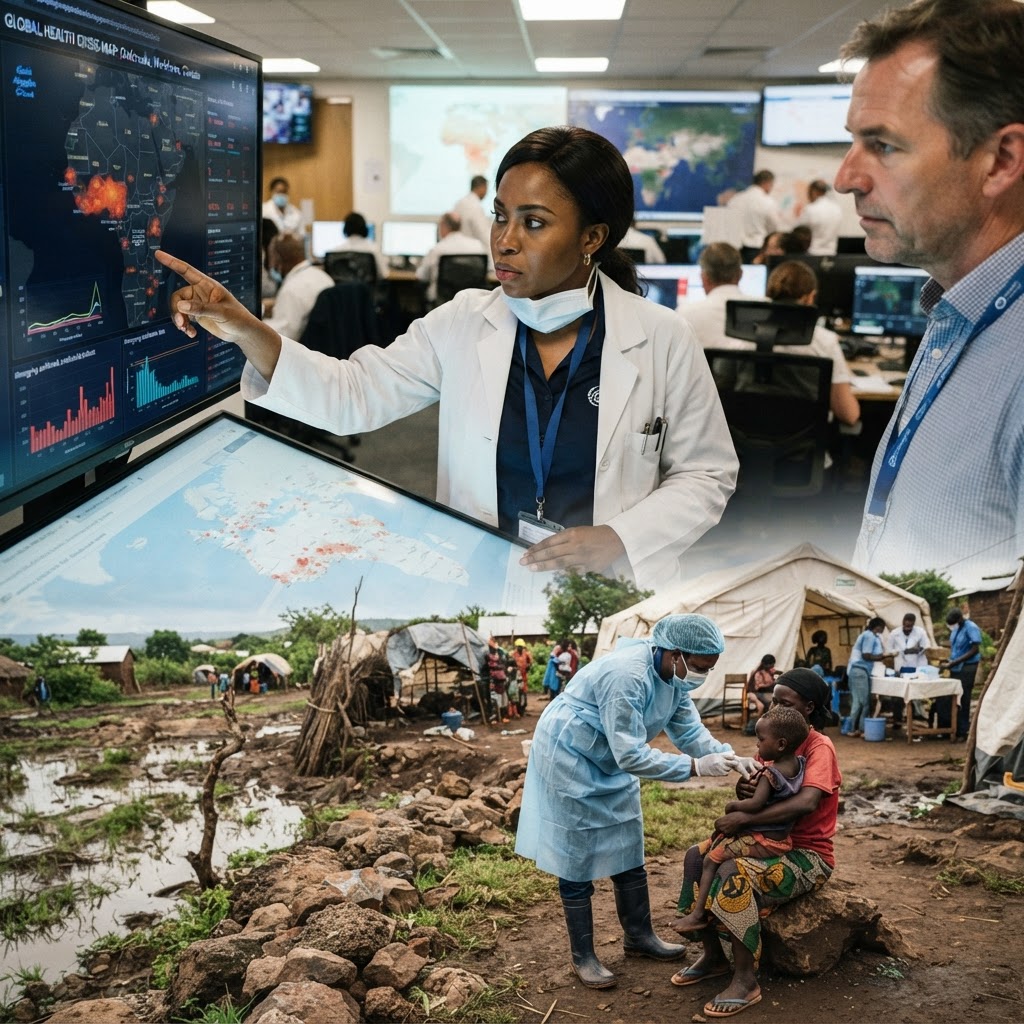
Global Health at a Crossroads: Resurgent Outbreaks, Workforce Deficits, and Emerging Environmental Threats
Recent surveillance updates from international agencies highlight intensified cross-border disease containment efforts, escalating climate risks for maternal health, and a looming deficit among healthcare professionals.