Global Diplomacy at a Crossroads: High-Stakes Summits, Escalating Middle East Tensions, and Climate Reckonings
As world powers prepare for rare trilateral leadership talks amid continuing regional conflicts in Eastern Europe and the Middle East, international negotiators face mounting geopolitical strain and fractured multilateral consensus.
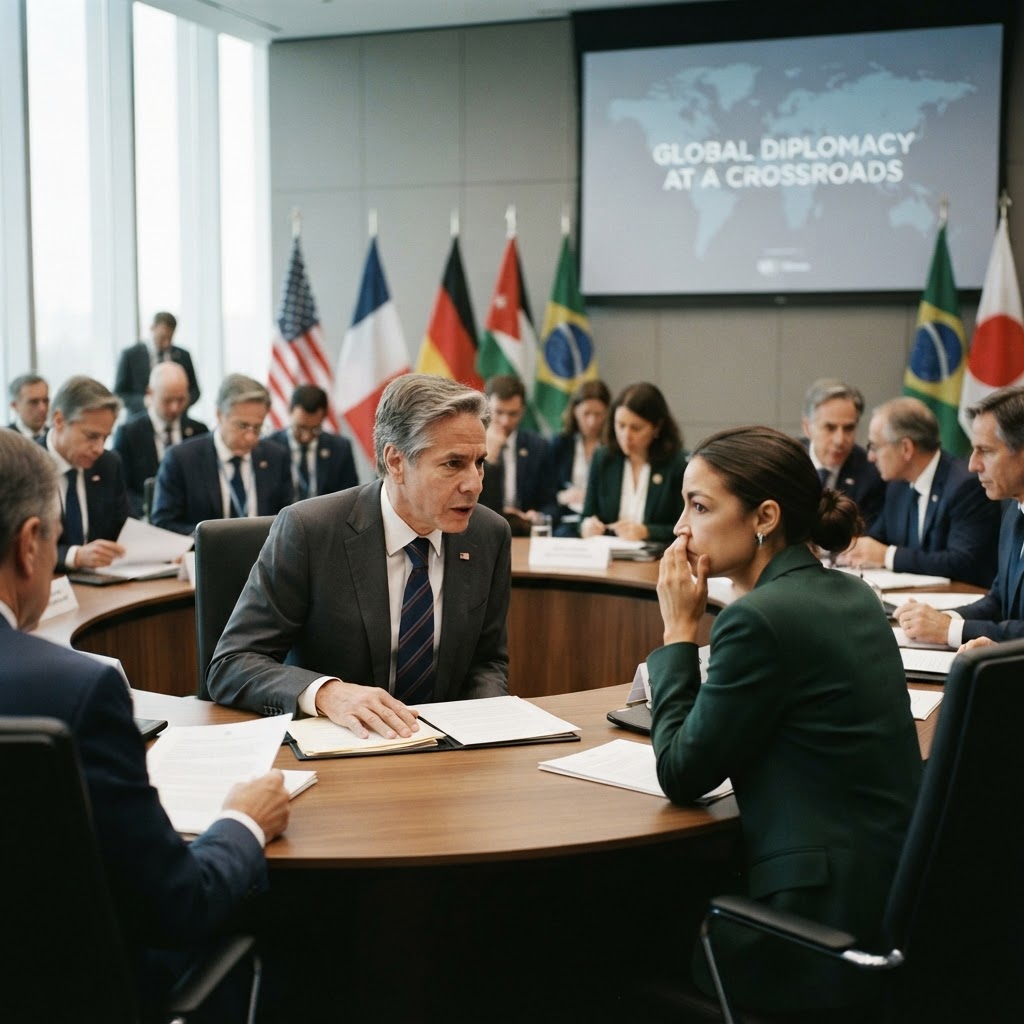
A Complex Convergence of Great-Power Diplomacy
In one of the most unexpected diplomatic maneuvers of the decade, the White House announced that United States President Donald Trump will engage in trilateral talks with Russian President Vladimir Putin and Chinese President Xi Jinping on the sidelines of the Asia-Pacific Economic Cooperation (APEC) summit in Shenzhen, China, as reported by the Gulf Times. According to administration officials, the discussions are anticipated to center heavily on nuclear arms nonproliferation and broader regional stability, including containment of Middle Eastern hostilities. While Washington has indicated that direct negotiations regarding the ongoing conflict in Ukraine will likely remain on separate, specialized diplomatic tracks involving Kyiv and Moscow, the broader geopolitical reverberations of the meeting loom large across international capitals.
European leadership has reacted with cautious vigilance to any talks addressing continental stability that occur outside structured multilateral frameworks. German Chancellor Friedrich Merz and key European Union counterparts have strongly underscored that Europe's overarching security architecture must not be negotiated over their heads, reiterating the firm doctrine of 'no discussions about Ukraine without Ukraine, and no discussions about Europe without Europe,' according to reporting from the Gulf Times. Despite statements from the Kremlin signaling conditional openness to European involvement in prospective peace negotiations, skepticism remains high throughout Brussels as eastern member states confront ongoing hybrid defense challenges along their borders.
Intensified Aerial Warfare and European Strains
The urgency surrounding diplomatic engagement is sharply contrasted by severe kinetic escalation on the ground in Eastern Europe. Recent reports indicate unprecedented aerial operations between Russian and Ukrainian forces. Ukrainian forces launched a massive overnight assault involving over 1,300 drones targeting Russian military infrastructure and key logistical supply arteries, including the vital Crimean Bridge, as detailed by News Twig. Authorities in Moscow acknowledged that hundreds of uncrewed aerial vehicles were directed toward the Russian capital and surrounding oblasts, marking one of the largest synchronized aerial confrontations since the outbreak of hostilities.
Simultaneously, frontline tactics continue to undergo rapid modernization, with defense organizations investing heavily in autonomous aerial extraction technologies and long-range strike capabilities. The escalating tempo of strikes has pushed neighboring countries to harden their defensive posture, further complicating any nascent overtures toward de-escalation and reinforcing European anxieties that peace mechanisms cannot bypass collective security treaties.
Turbulence and Deterrence Across the Middle East
The Middle East remains trapped in a volatile cycle of strikes and defensive redeployments. Despite public declarations from United States Secretary of State Marco Rubio asserting that direct military objectives against Tehran's nuclear infrastructure have fundamentally succeeded in preventing weaponization, tensions across the Persian Gulf continue to flare, notes the Gulf Times. Recent drone operations launched toward Bahrain prompted widespread regional condemnation from Gulf Cooperation Council members, including the United Arab Emirates, documented by the UAE Ministry of Foreign Affairs.
The maritime security environment has grown similarly fraught. As the United States deploys enhanced naval assets to the region, including the arrival of a third aircraft carrier strike group, Iranian officials have adopted an assertive public stance, warning that domestic forces would maintain aggressive readiness to preempt incoming threats, according to reports highlighted by News Twig and The Japan Times. In parallel, cross-border skirmishes and airstrikes in the Levant—including strikes striking medical facilities in southern Gaza, as reported by POLITICO—continue to exacerbate humanitarian suffering and complicate multilateral mediation efforts spearheaded by regional allies.
Multilateral Fractures at Climate and Regional Summits
Beyond traditional conflict zones, systemic international cooperation is facing acute stress tests across multiple multilateral bodies. At the COP31 global climate summit, negotiators are grappling with the structural consequences of formal acknowledgments that the 1.5-degree Celsius global temperature threshold cannot realistically be preserved under present trajectory targets, as covered by the Gulf Times. While prominent delegations, including newly empowered US congressional leaders, have emphasized the domestic economic viability of clean energy deployment, the summit has highlighted growing rifts between developing economies, heavily impacted states, and major industrial emitters over climate finance and technical mitigation pathways.
Regional organizations are experiencing similar institutional headwinds. At the Association of Southeast Asian Nations (ASEAN) summit in Manila, Southeast Asian leaders and Beijing missed their deadline to conclude a binding South China Sea Code of Conduct, as reported by News Twig. Concurrently, regional gatherings have struggled to build consensus on domestic crises such as the ongoing civil strife in Myanmar, illustrating the widening gulf between sovereign strategic priorities and unified international governance.
The Fragile Balance Ahead
As major powers prepare for unprecedented head-of-state meetings in Asia, the international system finds itself caught between emerging balance-of-power diplomacy and acute structural instability. Whether upcoming leadership dialogues between Washington, Beijing, and Moscow can forge pragmatic guardrails against catastrophic escalation remains uncertain. What is evident, however, is that regional conflicts, technological military advances, and fractured multilateral institutions are reshaping global order at a pace that severely tests the capacity of traditional diplomacy.
Recommended for you
Similar to “World Affairs”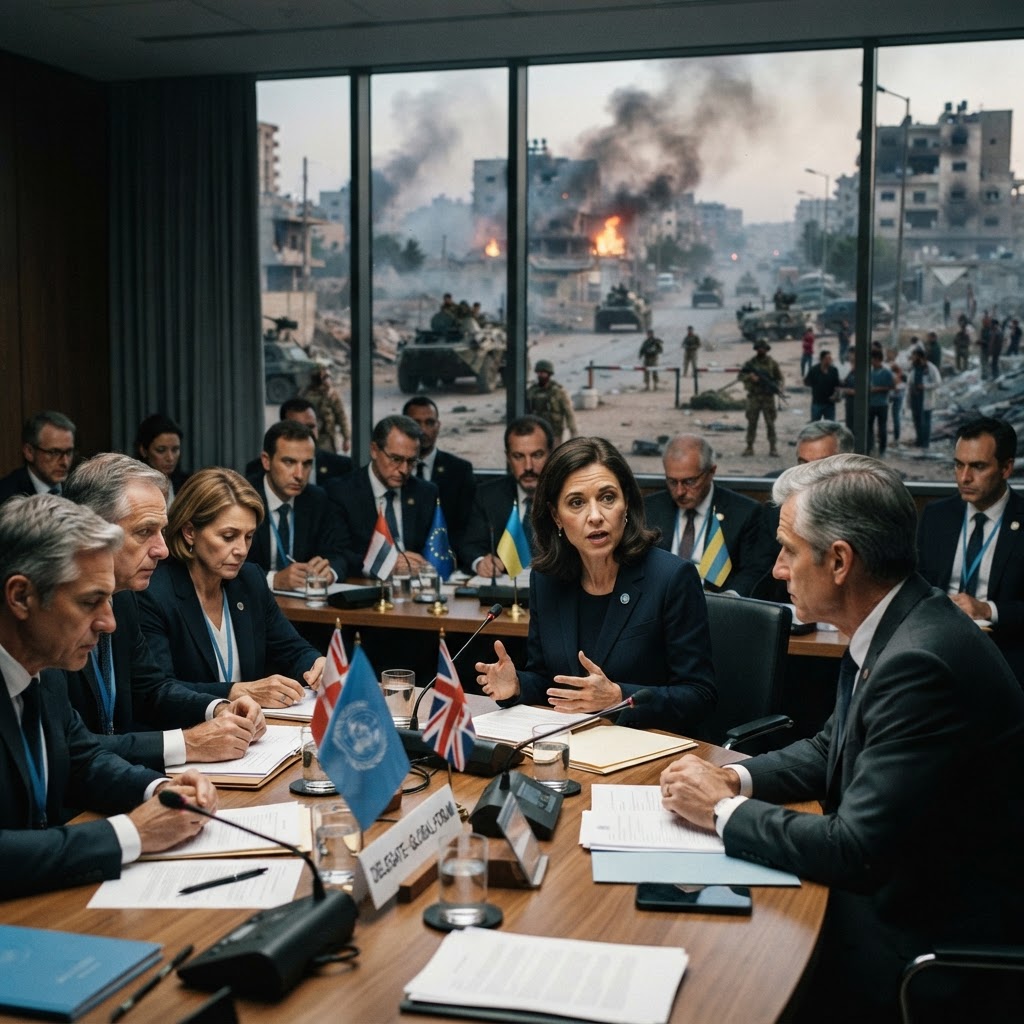
Fragile Diplomacy and Escalating Fronts: Global Tensions Test International Order
High-stakes diplomatic negotiations in the Middle East and Eastern Europe face mounting strain as battlefield strikes, political shakeups, and maritime friction disrupt peace efforts across multiple continents.
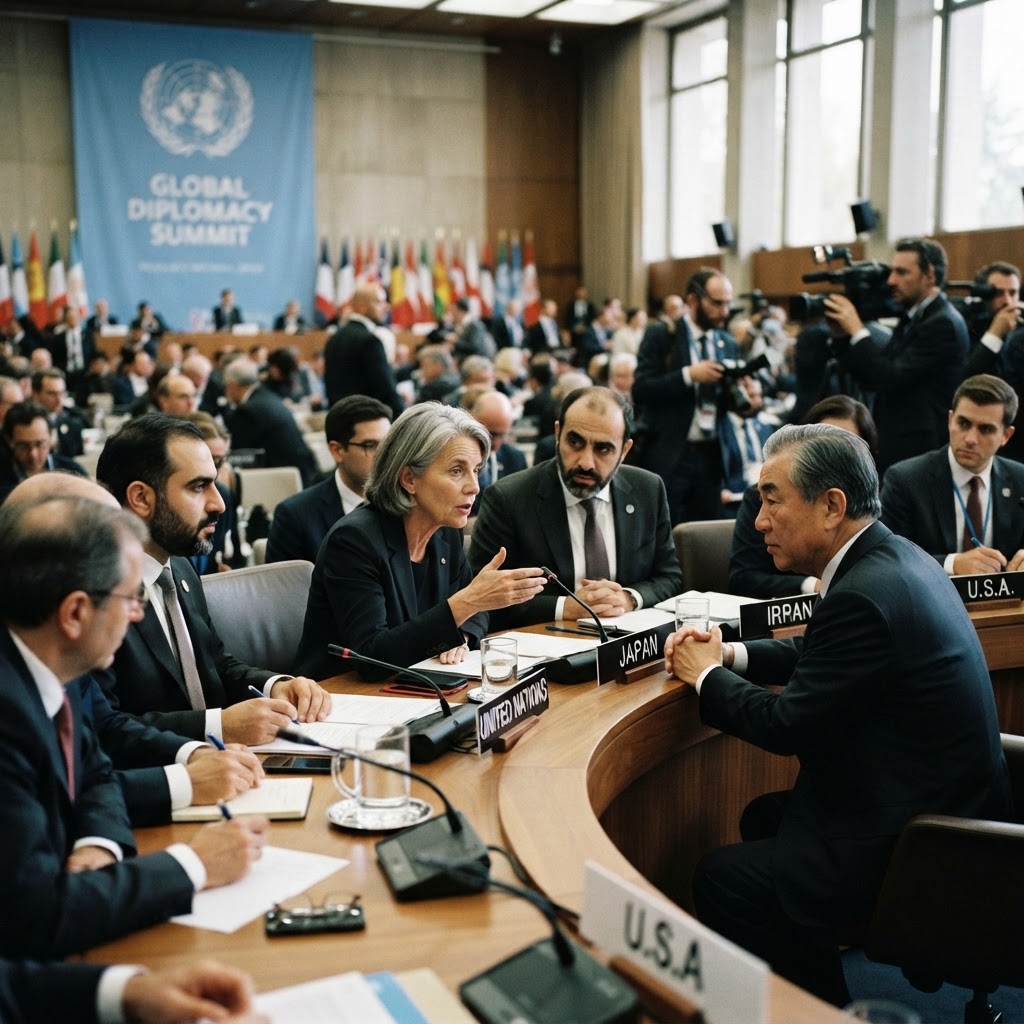
Global Diplomacy at a Crossroads: High-Stakes Summits, Regional Escalations, and Persistent Frontlines
Recent high-level diplomacy in Asia failed to yield concrete breakthroughs as major geopolitical flashpoints intensify across the Middle East, Eastern Europe, and global climate forums.
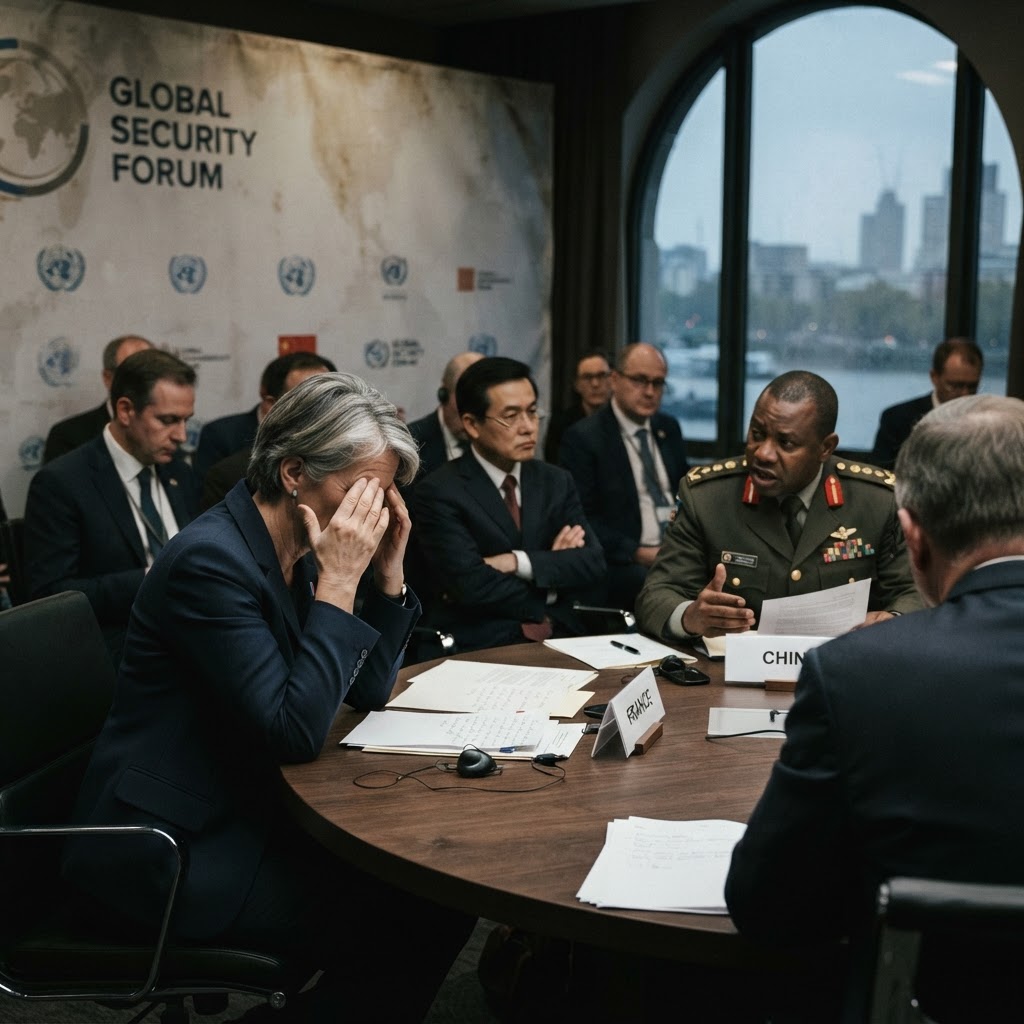
Fractured Frontlines and Strained Diplomacy: The Shifting Architecture of Global Security
Escalating regional clashes in Eastern Europe and the Middle East, coupled with mounting climate shocks, are testing the resilience of international diplomatic frameworks and humanitarian capacity.