A World Turning Inward: How Fractured Alliances and Economic Nationalism Are Redefining Global Governance
Recent commentary across leading global editorial pages reveals an escalating anxiety over economic nationalism, shifting migration compacts, and the gradual disintegration of post-war international frameworks.
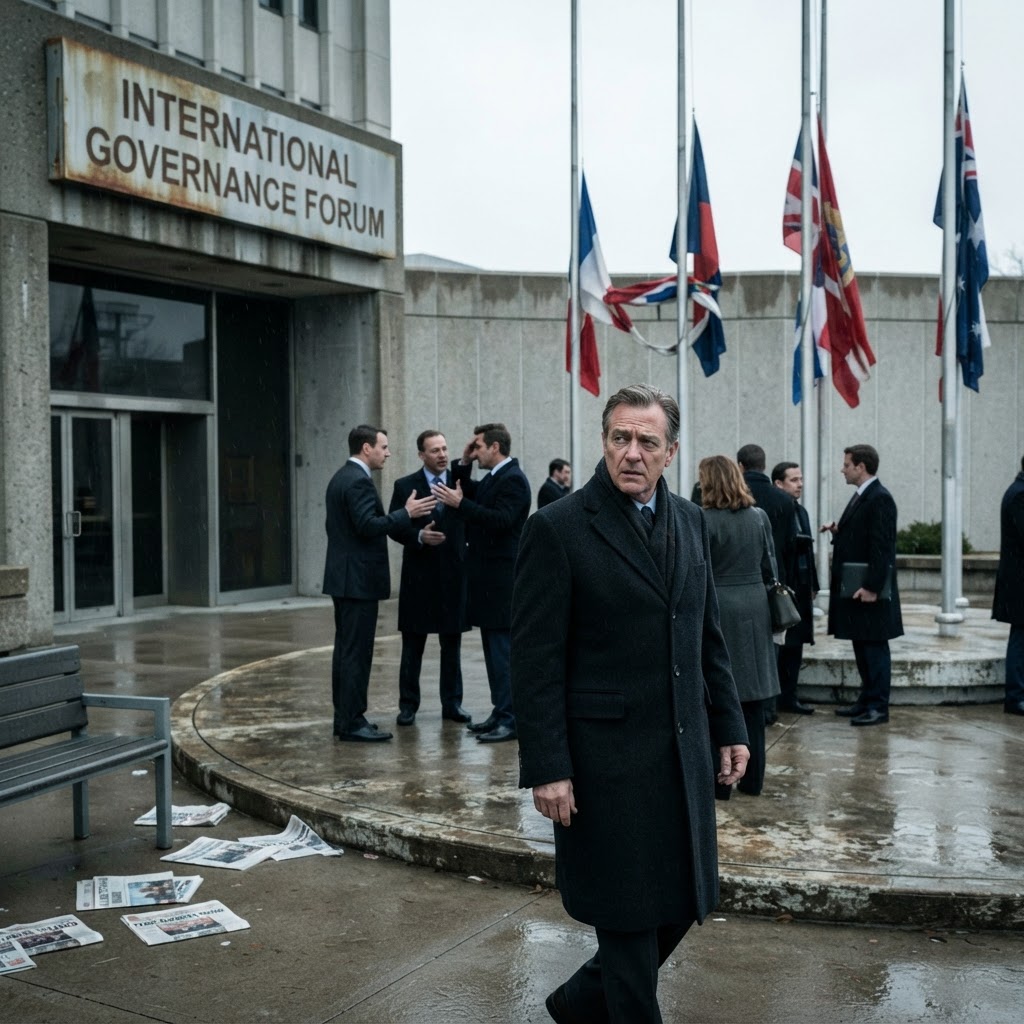
The Crumbling Architecture of Post-War Globalism
In commentary desks from Tokyo to Washington and New Delhi, a consistent and unsettling narrative has crystallized in recent days. The architecture of multilateral diplomacy and open-market integration, long taken for granted as the bedrock of international stability, is facing structural fractures. As world capitals navigate shifting domestic mandates and heightened geopolitical friction, opinion writers and policy scholars increasingly warn that the world is moving away from collective problem-solving and toward an unpredictable era of defensive nationalism.
Analyses featured across global platforms highlight how systemic cooperation has deteriorated into transactional posturing. Writing for publications tracking international relations such as Global Policy Journal, commentators point out that post-1945 international order is under unprecedented strain. The erosion of consensus is visible everywhere: from deadlocked climate summits to the weakening influence of multilateral bodies like the G20, where consensus is increasingly replaced by strategic rivalry and diplomatic paralysis.
The Repercussions of Economic Protectionism
Nowhere is this shift more acute than in the sphere of trade, industrial strategy, and cross-border labor. Political debate in the United States, amplified across outlets like POLITICO, reflects deepening partisan battles over bilateral trade arrangements and protective barriers. The appetite for unfettered globalization has largely evaporated, replaced across both sides of the political aisle by an emphasis on economic self-reliance, domestic supply-chain security, and assertive tariff policy.
This protectionist pivot carries sharp international fallout. International commentators, including voices featured on NDTV Opinions, have drawn attention to tightening restrictions on skilled migration and corporate visas. The sudden vulnerability of long-standing arrangements, such as high-skilled technology sponsorship and cross-border corporate integration, has forced economies in Asia and beyond to reconsider their reliance on Western employment pipelines. What once looked like an interdependent global talent market is rapidly segmenting into regional enclaves governed by strict domestic quotas.
Alliances in Recalibration: Proximity vs. Autonomy
The re-emergence of national borders is not confined to economic flow; it has also complicated traditional diplomatic and defense alliances. In East Asia, editorial boards are closely parsing the delicate balancing act facing regional partners. As observed in The Japan Times, regional powers find themselves caught between wanting close security ties with the West and guarding against unpredictable shifts in foreign policy agendas. There is a palpable anxiety that an inward-focused Washington could leave allies exposed, prompting debates on defense self-reliance, indigenous technological development, and cautious hedging strategies toward Beijing.
Simultaneously, immigration debates across wealthy industrialized societies have adopted a noticeably transactional tone. As noted by several international commentators, whether in Europe or the Asia-Pacific, wealthy nations are shifting toward policies that treat foreign talent purely through the lens of short-term demographic utility while significantly raising the barriers to long-term integration and citizenship. The promise of borderless opportunity is steadily giving way to calculated immigration quotas designed strictly around domestic political expedience.
Human Rights and the Emerging Multipolar Disorder
Against this rising tide of sovereign assertiveness, defenders of universal norms are sounding alarms about the fraying fabric of international law. Figures in global advocacy remind audiences that behind polarized headlines lies a silent majority that still seeks basic legal protections, peace, and humanitarian safeguards. Yet, with conflicts multiplying and international enforcement mechanisms sidelined, the capacity of global institutions to mediate disputes or hold actors accountable has rarely felt weaker.
The collective tone across the world's editorial pages is neither outright defeatist nor naive; it is pragmatic and wary. The consensus among contemporary essayists suggests that humanity is entering an uncharted transitional phase. As traditional leadership falters and emerging coalitions seek to assert their own priorities, nations must confront a world where cooperation can no longer be assumed as a baseline default, but must instead be painstakingly rebuilt from the ground up.
Recommended for you
Similar to “Global Politics”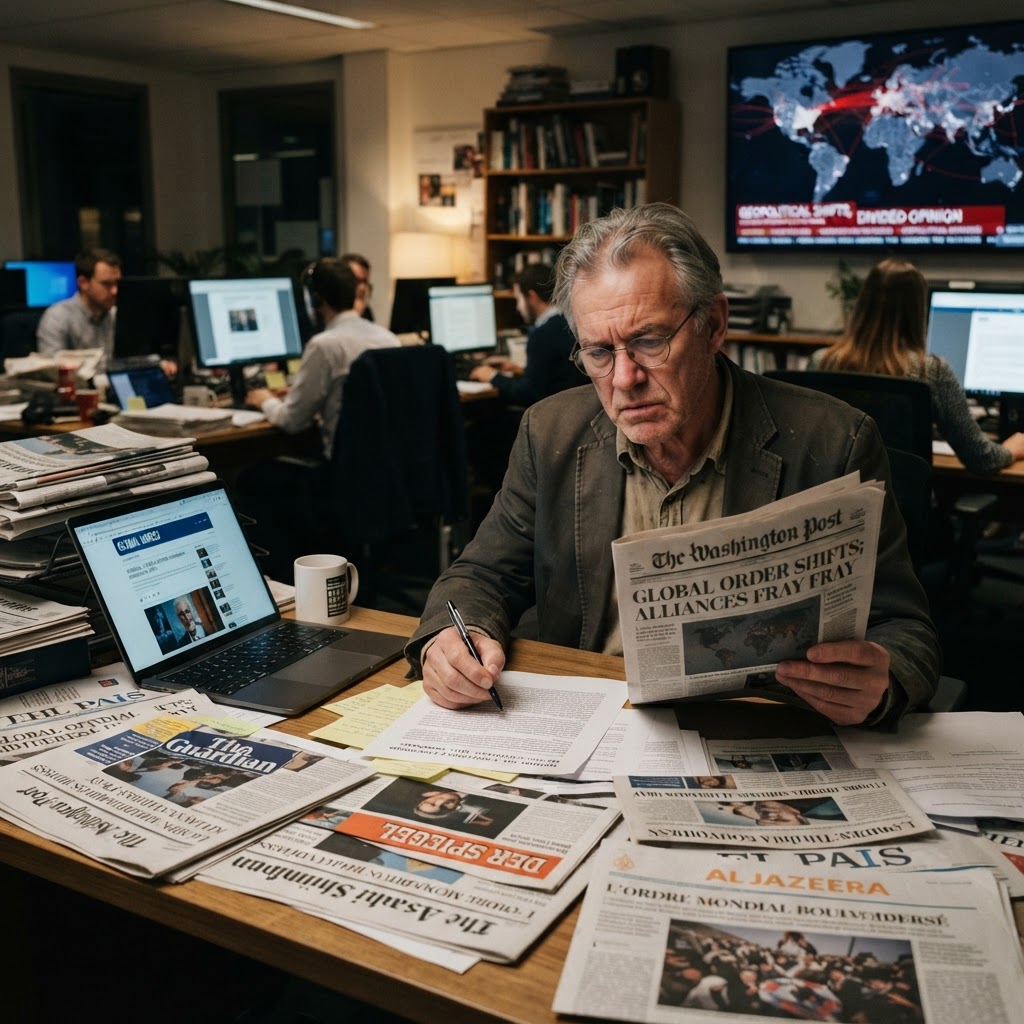
A Fractured Consensus: How Opinion Pages Worldwide Are Reckoning with a Shifting Global Order
Recent commentary across leading global publications reflects mounting anxiety over macroeconomic instability, shifting geopolitical alliances, and the disruptive emergence of artificial intelligence.
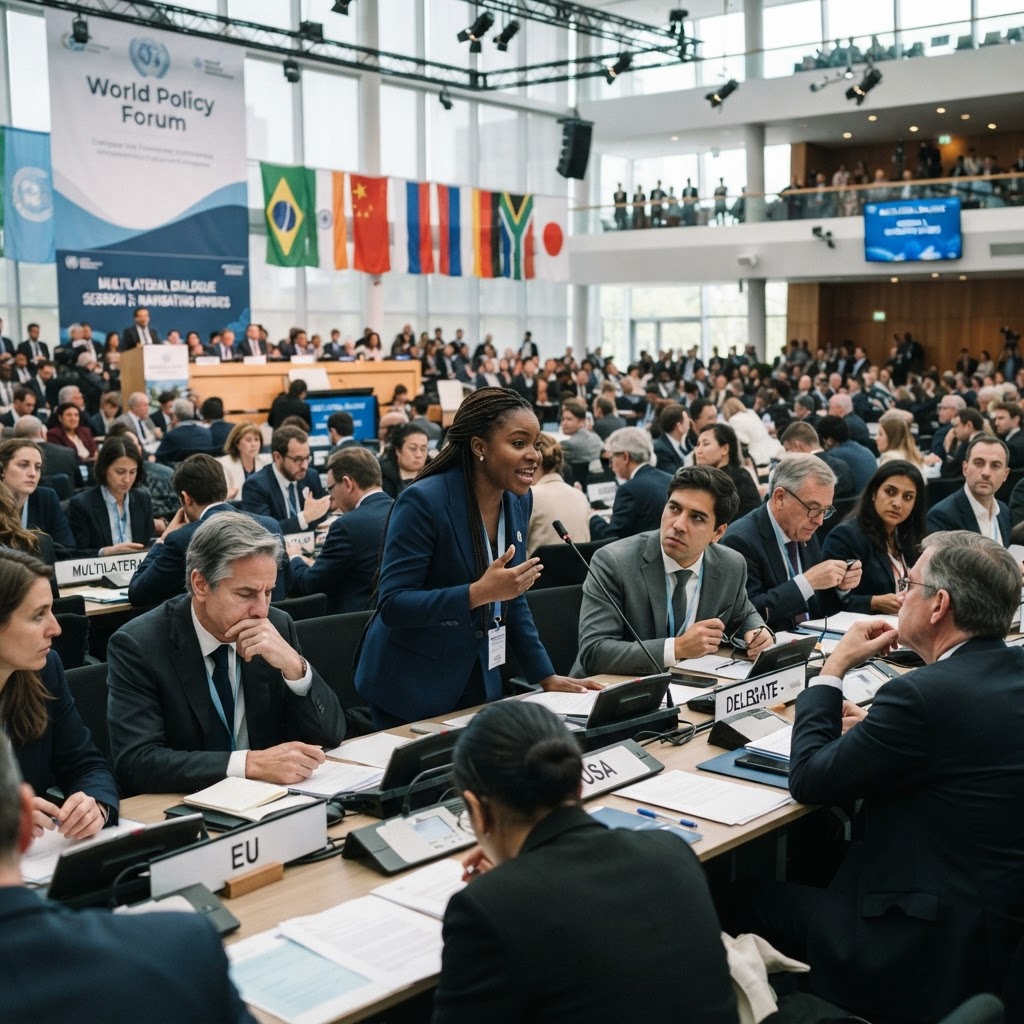
The Fracture of Consensus: How World Opinion Is Navigating a Multipolar Reality
Recent commentary across global editorial boards reflects deep anxiety over fractured alliances, economic protectionism, and the rise of an uncompromising multipolar diplomacy.
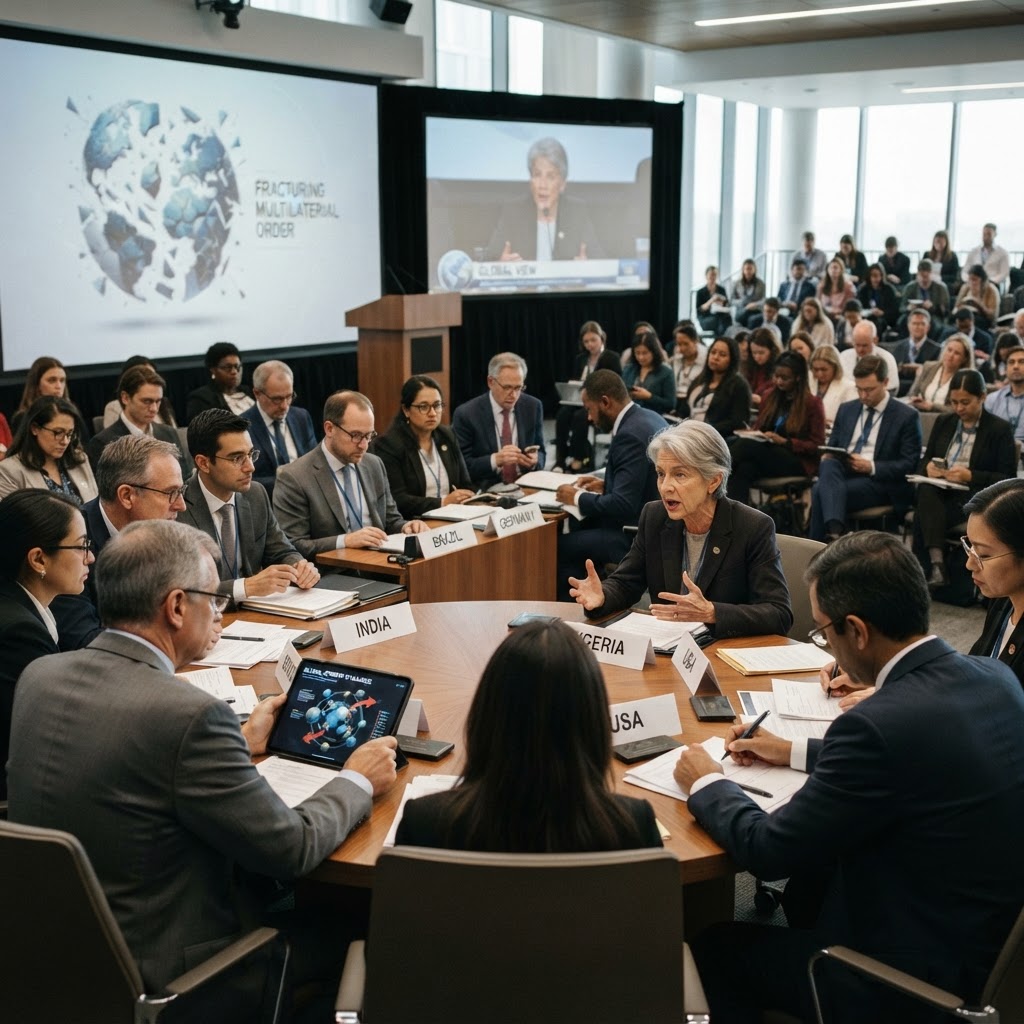
A World in Disjointed Motion: How Global Commentary Views the Fracturing Multilateral Order
Recent international opinion pages reflect growing anxiety over the retreat of major powers from climate commitments, shifting regional alliances, and the moral strains on global institutions.