Frontiers and Fractures: Global Health Advances Amid Funding Shifts and Outbreak Crises
Recent breakthroughs in oncology and precision diagnostics are transforming modern medical practice, even as international public health infrastructure grapples with geopolitical funding shifts and persistent infectious disease crises.
A Dynamic Era in Biomedical Discovery
In recent days, the medical community has observed a wave of significant scientific advancements poised to alter the trajectory of disease management. Leading the charge, oncology investigators at The University of Texas MD Anderson Cancer Center have reported promising phase 1b clinical data on firmonertinib, a structurally guided targeted therapy designed for patients carrying uncommon non-small cell lung cancer mutations. Historically, patients with non-classical genetic variations have faced limited therapeutic options; however, tailoring therapies directly to the three-dimensional structural characteristics of specific mutations offers a crucial roadmap for overcoming drug resistance.
Complementing this progress is a landmark spatial mapping project examining ductal carcinoma in situ (DCIS). Published in part by researchers using advanced single-cell genomics, this newly released cellular atlas charts the microenvironments surrounding stage-zero breast lesions. By cataloging the exact molecular cross-talk between preinvasive cancer cells and surrounding stromal tissues, pathologists and surgical oncologists anticipate refining risk-stratification models—ensuring that patients with benign or dormant trajectories avoid aggressive overtreatment, while those at elevated risk of invasive progression receive timely, targeted intervention.
Tackling Global Pathogens and Diagnostic Infrastructure
While lab benches yield novel therapies, international organizations are racing to bolster clinical infrastructure where the burden of infectious disease remains highest. The World Health Organization (WHO) recently released standardized operational toolkits and an essential package of diagnostic protocols aimed at curbing antimicrobial resistance (AMR), bacteriological infections, and emergent fungal pathogens across low- and middle-income regions. The initiative underscores that without accessible point-of-care testing and robust mycology monitoring, the efficacy of existing antimicrobials will continue to degrade globally.
At the same time, collaborative transnational programs such as the Global Health EDCTP3 Joint Undertaking have pooled hundreds of millions of euros across scores of partner organizations in Europe and sub-Saharan Africa. These consortia are actively progressing clinical pipelines targeting neglected parasitic infections, pediatric severe malaria, and novel tuberculosis vaccine candidates, demonstrating how coordinated multilateral investments bridge the gap between basic laboratory science and real-world clinical impact.
Geopolitical Headwinds and Outbreak Complexities
Despite these collaborative strides, international public health programs are operating under mounting strain. In the United States, significant policy maneuvers have triggered widespread debate among global health economists and diplomats, as plans emerge to withhold or reallocate congressional international aid funding—including hundreds of millions previously designated for family planning and reproductive health abroad—toward corporate-driven technological innovation initiatives, according to reports by CNN. Health policy experts warn that sudden contractions in baseline public health grants threaten to leave primary care clinics in developing regions without vital resources.
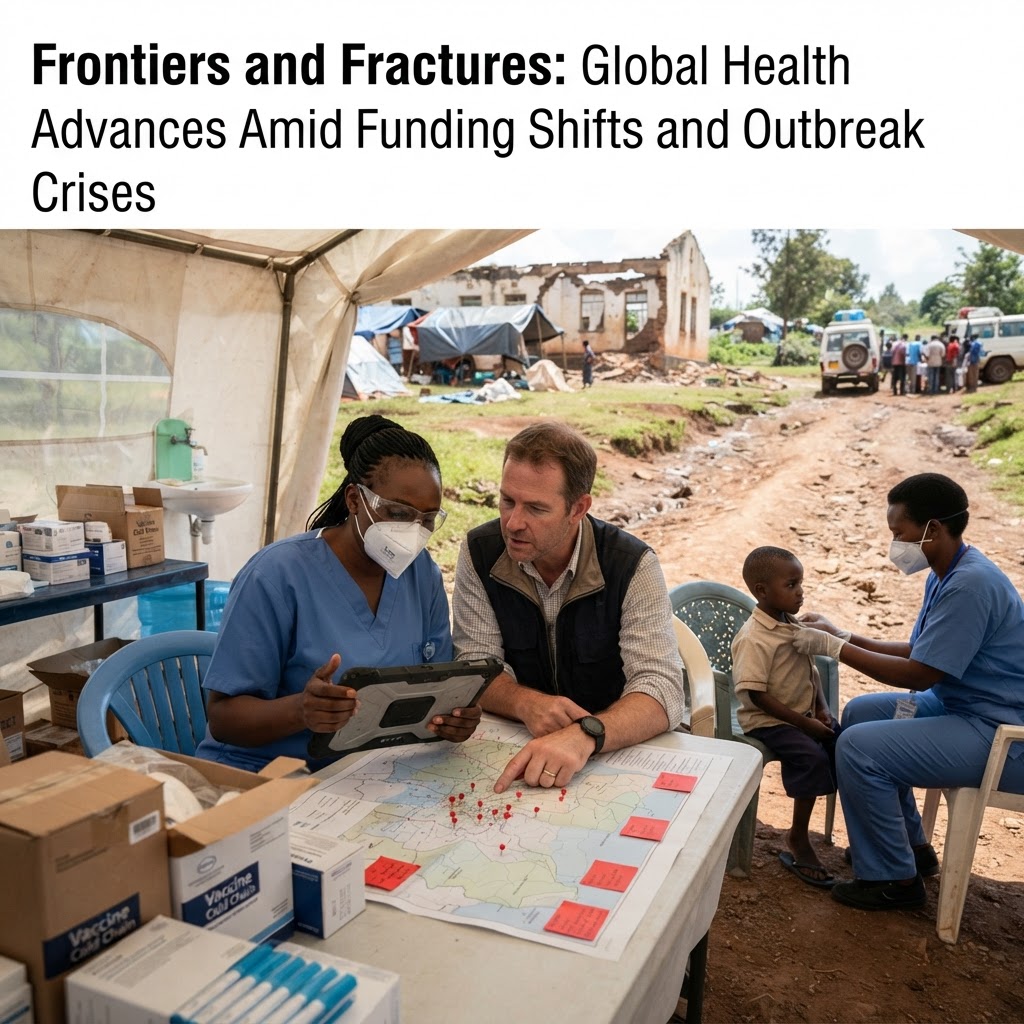
These systemic strains are unfolding alongside severe on-the-ground challenges in humanitarian hotspots. As reported in an international brief by Reuters, the Africa Centres for Disease Control and Prevention recently cautioned that escalating violence and armed raids against health facilities in the eastern Democratic Republic of the Congo have severely compromised containment operations during ongoing viral hemorrhagic fever outbreaks. Community containment and contact tracing remain precarious when frontline care providers face direct physical danger, illustrating that biomedical preparedness is ultimately inseparable from geopolitical stability and frontline security.
The Chronic Burden of Cardiometabolic Disease
Beyond acute epidemics and laboratory innovations, the chronic disease crisis continues its relentless ascent. Updated baseline assessments from global health bodies show that diabetes prevalence has more than quadrupled over recent decades, surpassing 800 million individuals worldwide, with low- and middle-income nations bearing the disproportionate share of both incidence and unmanaged complications, according to recent figures from the World Health Organization. More than half of those diagnosed fail to receive consistent, evidence-based pharmacotherapy, accelerating rates of secondary cardiovascular collapse, stroke, and kidney failure.
Addressing this dual reality requires an integrative approach. Preventative medicine must evolve past isolated clinical interventions to encompass systemic food policy reform, equitable pharmaceutical distribution, and early diagnostic access. As the scientific frontier pushes toward molecular-level cancer interventions and targeted therapeutics, the ultimate benchmark of global health progress will hinge on whether health systems can translate cutting-edge biology into accessible, sustained care for vulnerable populations worldwide.
Recommended for you
Similar to “Global Health”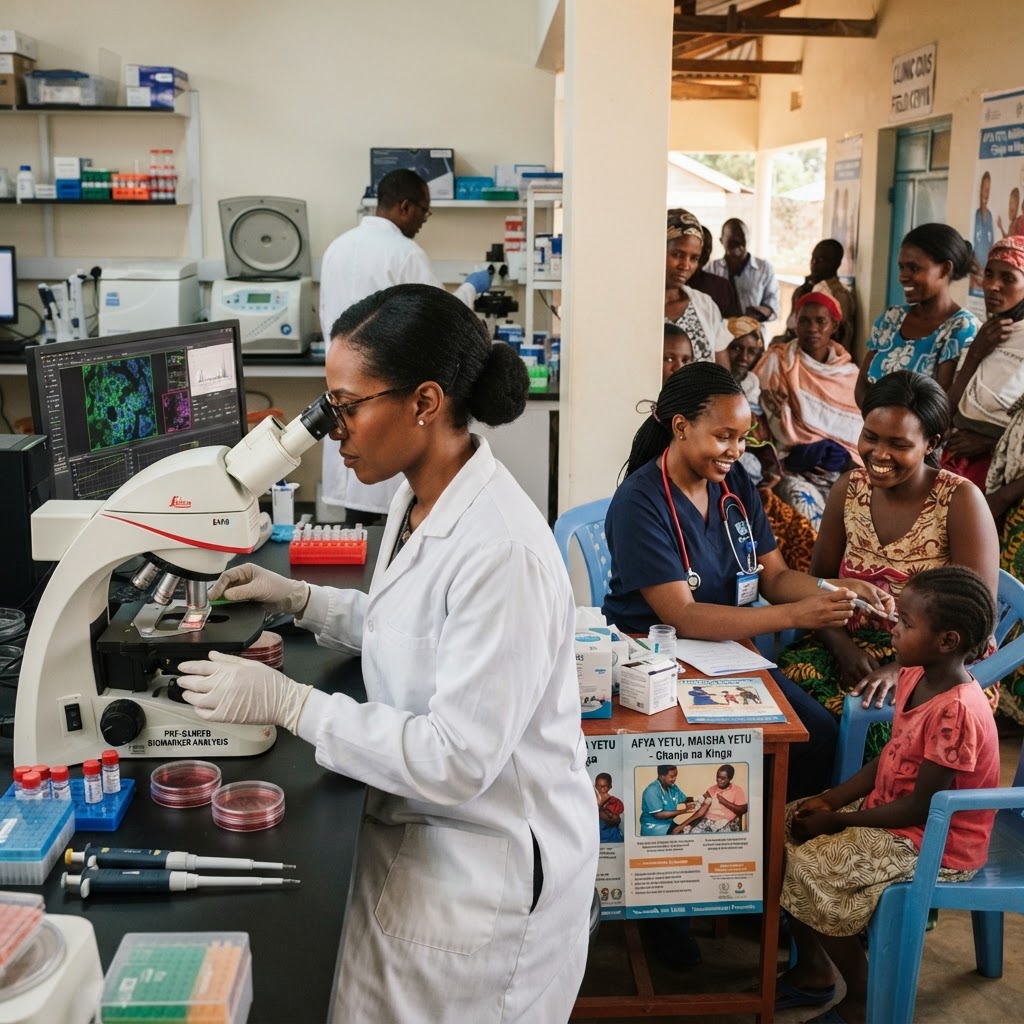
Frontiers in Medicine and Public Health: From Precancerous Biomarkers to Global Preventative Shifts
Recent breakthroughs in non-invasive cancer screening, dietary sodium reduction, and maternal-focused clinical trials are reshaping healthcare delivery even as public health infrastructure confronts funding and epidemic pressures.
Global Health at a Crossroads: Breakthrough Therapies Emerge Amid Deepening Public Health and Access Crises
Recent advances in precision oncology and genetic medicine offer unprecedented clinical hope, yet resurgence of preventable infectious diseases and systemic healthcare disparities continue to test global resilience.
Global Health at the Crossroads: Resurgent Outbreaks, Precision Breakthroughs, and the Challenge of Access
Recent data reveals severe spikes in infectious disease mortality alongside unprecedented therapeutic advancements, exposing persistent inequities in the delivery of modern medical innovation.