A Turning Point in Global Health: Life Expectancy Rebounds Amid a Shifting Chronic Disease Epidemic
Fresh epidemiological assessments reveal a historic rebound in worldwide longevity following pandemic shocks, while health systems brace for an unprecedented surge in chronic noncommunicable illnesses and metabolic disorders.

A Complex Rebound for Global Longevity
The global public health sphere is navigating an intricate transition. According to newly updated baseline metrics released by the World Health Organization (WHO), worldwide life expectancy has staged a notable recovery, approaching levels observed prior to the disruptive shockwaves of the COVID-19 pandemic. While this restoration signals significant structural resilience across clinical networks and primary prevention frameworks, it comes alongside a profound transformation in the underlying causes of morbidity and mortality across both developed and developing regions.
Rather than celebrating a straightforward health victory, international health authorities and epidemiologists emphasize that societies now confront a distinct, slower-moving health crisis. Noncommunicable diseases (NCDs)—including cardiovascular conditions, adult-onset diabetes, dementia, neurodegenerative disorders, and mental health conditions—now claim an increasingly dominant share of annual global deaths. The emerging reality is stark: while populations are living longer, they are simultaneously managing complex combinations of chronic conditions for far greater spans of their adult lives.
The Metabolic Shift: Diabetes and Multi-Agonist Therapeutics
Leading the surge in noncommunicable illness is the expanding footprint of metabolic disease, particularly type 2 diabetes and associated obesity syndromes. In response, modern pharmacological pipelines have shifted aggressively toward multi-targeted incretin mimetics and receptor multi-agonists. Emerging clinical trial evaluations, highlighted in comprehensive therapeutic analyses from Medscape, demonstrate that dual- and triple-agonist compounds—such as retatrutide alongside combinations of cagrilintide and semaglutide—are revolutionizing glycemic control and chronic weight management.
Unlike traditional singular therapeutic agents, these multi-agonist molecular profiles act simultaneously upon several endocrine pathways, orchestrating systemic metabolic resets that yield substantial reductions in body weight alongside sharp improvements in blood sugar regulation. Such interventions offer a preventive shield against vascular inflammation, kidney disease, and congestive heart failure. However, public health economists caution that high manufacturing costs and unequal geographic distribution continue to threaten access in regions experiencing the steepest climbs in diabetes diagnoses.
Frontier Technologies: Gene Editing and Transplant Innovations
Simultaneously, the therapeutic landscape for historically intractable diseases is undergoing a parallel revolution driven by precision bioengineering. As noted in assessments published by the Association of American Medical Colleges (AAMC), tailored CRISPR-based personalized gene-editing platforms are moving out of theoretical frameworks into verifiable clinical success, offering corrective treatments for ultra-rare pediatric metabolic disorders that formerly possessed no curative avenues.
Surgical medicine is breaking similar ground through pioneering organ transplants and tissue-preserving procedures. The successful introduction of complex reconstructive transplants, including landmark full-organ human bladder transplants, illustrates how regenerative strategies can avert long-term urinary diversion complications, bowel resections, and recurrent sepsis. When integrated with expanding liquid biopsy technologies capable of identifying oncological DNA fragments circulating within bodily fluids long before conventional imaging detects a tumor, clinical care is increasingly pivoting from late-stage palliative crisis management to hyper-early interceptive intervention.
Infectious Threats, Vaccines, and System Vulnerabilities
Despite the rapid ascendancy of chronic noncommunicable diseases, infectious threats remain an enduring danger, particularly in low- and middle-income regions. The ongoing deployment of milestone vaccines, such as targeted inoculations against malaria and RSV highlighted across international health monitoring, proves that immunization strategies remain vital pillars for lowering childhood mortality. Nevertheless, public health leaders emphasize that cutting-edge vaccines must augment, rather than supplant, foundational measures such as sanitation, vector-control equipment, and accessible clinical staffing.
Recent studies in major journals like the JAMA Network illustrate that foundational primary healthcare services across sub-Saharan Africa and isolated migrant populations continue to face persistent resource shortfalls. Without uninterrupted funding, the historic gains made against infant mortality and infectious pathogens remain in jeopardy. The international health agenda must maintain a precarious double mandate: financing sophisticated molecular innovations for burgeoning chronic illnesses while preserving the basic primary health safety nets that prevent infectious flare-ups from reversing years of hard-won progress.
Recommended for you
Similar to “Global Health”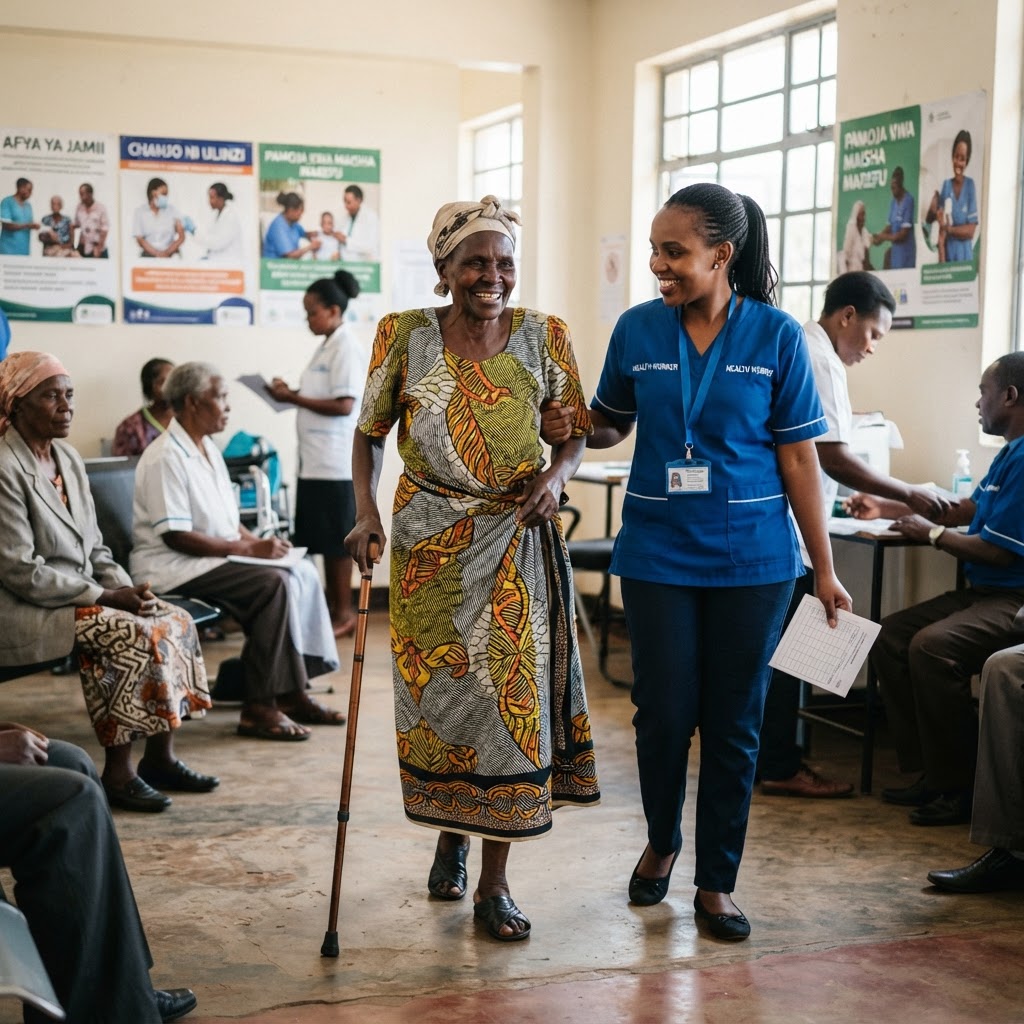
A Turning Point for Global Health: Longevity Rebounds Amid Chronic Burdens and Epidemic Vulnerabilities
Recent data from international health authorities reveal a post-pandemic rebound in life expectancy alongside rising noncommunicable diseases and active containment efforts against localized outbreaks.

A Turning Point for Global Health: Longevity Rebounds Amid Chronic Disease Surges and Next-Gen Therapies
Recent data from the World Health Organization shows global life expectancy rebounding near pre-pandemic levels, even as health systems confront an escalating burden of noncommunicable diseases and race to deploy next-generation metabolic and cellular therapeutics.
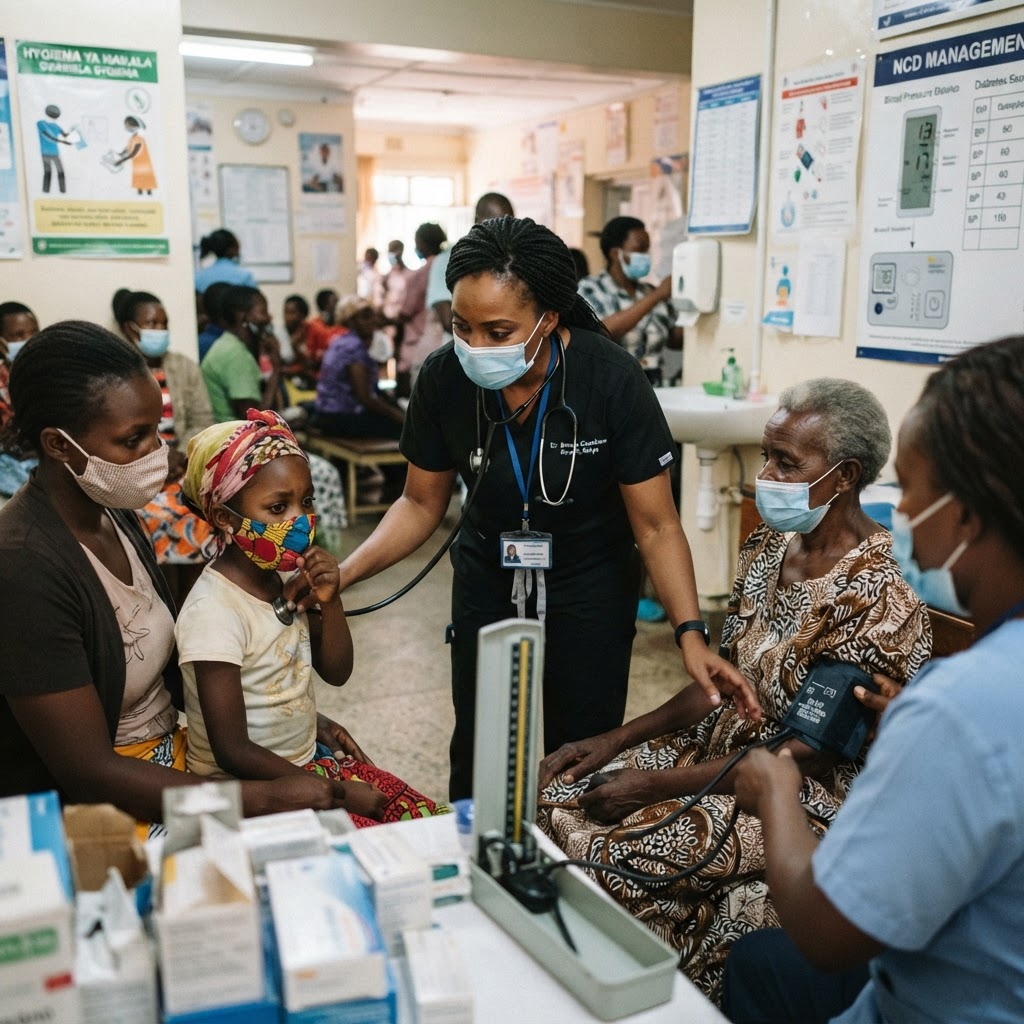
A Dual Challenge in Global Health: Balancing Epidemic Resurgence with a Rising Chronic Disease Burden
As global life expectancy rebounds toward pre-pandemic norms, international health organizations confront a precarious landscape defined by deadly localized outbreaks and an unprecedented surge in chronic noncommunicable illnesses.