A Turning Point for Global Health: Longevity Rebounds Amid Chronic Burdens and Epidemic Vulnerabilities
Recent data from international health authorities reveal a post-pandemic rebound in life expectancy alongside rising noncommunicable diseases and active containment efforts against localized outbreaks.
The Shifting Contours of Global Longevity
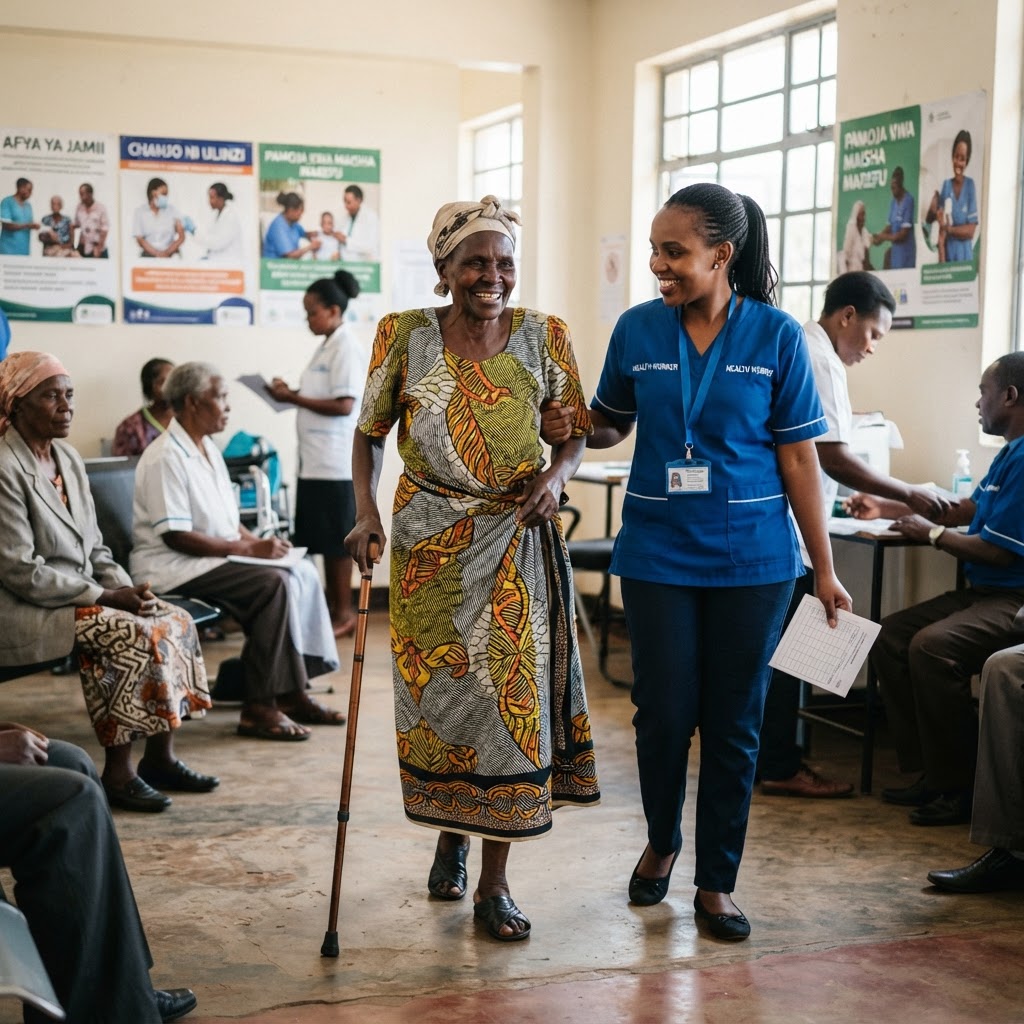
In recent days, leading international monitoring bodies have revealed a significant turning point in worldwide health statistics. Following years of sharp disruptions and statistical reversals caused by the COVID-19 pandemic, global life expectancy metrics have largely stabilized and climbed back toward pre-pandemic benchmarks. This structural rebound underscores the resilience of international public health interventions and healthcare delivery mechanisms, even as deep disparities persist across different socio-economic strata.
However, the recovery in life expectancy introduces a complex paradigm shift for hospital systems and policymakers. A longer lifespan across diverse populations is directly coinciding with an escalating burden of noncommunicable diseases (NCDs). The latest health landscape evaluations show conditions such as type 2 diabetes, chronic metabolic disorders, dementia, substance abuse, and severe mental health challenges accounting for an increasingly overwhelming majority of chronic illness and mortality worldwide.
Metabolic Innovations and Precision Diagnostics
Addressing this mounting crisis in noncommunicable diseases has spurred a wave of scientific breakthroughs. The medical community has made substantial strides in managing metabolic illnesses, spearheaded by the clinical introduction and expansion of multiagonist incretin-mimetic therapies. Treatments targeting multiple metabolic pathways simultaneously—such as combinations of GLP-1 and novel receptor agonists—are demonstrating significant clinical benefits not only in weight regulation but also in sustaining glycemic control and reducing secondary cardiovascular risks.
In parallel, the landscape for neurodegenerative disease diagnostics is undergoing a major evolution. Where diagnosing conditions like Alzheimer's disease once relied almost solely on invasive spinal taps or expensive imaging technologies that were out of reach for community clinics, blood biomarker assays measuring p-tau and amyloid-beta ratios are reaching regulatory clearance and clinical integration. Medical specialists note that while these tests are not singular diagnostic panaceas, their incorporation into broader clinical evaluations allows for earlier identification and targeted intervention for patients experiencing progressive cognitive decline.
Frontline Vigilance and Emerging Infectious Threats
While chronic conditions command institutional planning, acute infectious hazards remain a permanent fixture on the global agenda. Even as life expectancy recovers, epidemiologists and disease surveillance teams continue to manage active flare-ups of lethal pathogens in remote and underserved regions. Public health agencies, including the World Health Organization and the U.S. Centers for Disease Control and Prevention, have heightened surveillance protocols and emergency countermeasures in response to localized viral hemorrhagic fevers, such as outbreaks of Ebola disease caused by the Bundibugyo virus in central Africa.
These ongoing containment efforts highlight how vital international logistics networks, rapid laboratory screening, and localized community engagement remain. Health authorities emphasize that preventing spillover into wider geographic populations requires sustained infrastructure financing and the prompt deployment of personal protective gear and therapeutic interventions, demonstrating that communicable disease control cannot be relegated to secondary status while addressing chronic health issues.
A Dual-Track Challenge for Global Healthcare Systems
The juxtaposition of emerging high-tech clinical solutions and persistent frontline infectious crises illustrates the dual pressures bearing down on modern medicine. Academic and clinical centers are racing to bring personalized cell therapies, organ transplants, and advanced diagnostics into everyday clinical practice. Concurrently, regional authorities must maintain core primary care defenses against recurring infectious threats, antimicrobial resistance, and childhood diseases.
Ultimately, navigating this changing landscape will depend on how successfully international partnerships balance prevention, cutting-edge therapies, and equitable access. As societies age and chronic ailments consume higher proportions of national health budgets, strengthening resilience against unexpected epidemics will be the defining test for healthcare systems worldwide over the coming decade.
Recommended for you
Similar to “Global Health”
A Turning Point for Global Health: Longevity Rebounds Amid Chronic Disease Surges and Next-Gen Therapies
Recent data from the World Health Organization shows global life expectancy rebounding near pre-pandemic levels, even as health systems confront an escalating burden of noncommunicable diseases and race to deploy next-generation metabolic and cellular therapeutics.

A Turning Point in Global Health: Life Expectancy Rebounds Amid a Shifting Chronic Disease Epidemic
Fresh epidemiological assessments reveal a historic rebound in worldwide longevity following pandemic shocks, while health systems brace for an unprecedented surge in chronic noncommunicable illnesses and metabolic disorders.
A Dual Challenge in Global Health: Balancing Epidemic Resurgence with a Rising Chronic Disease Burden
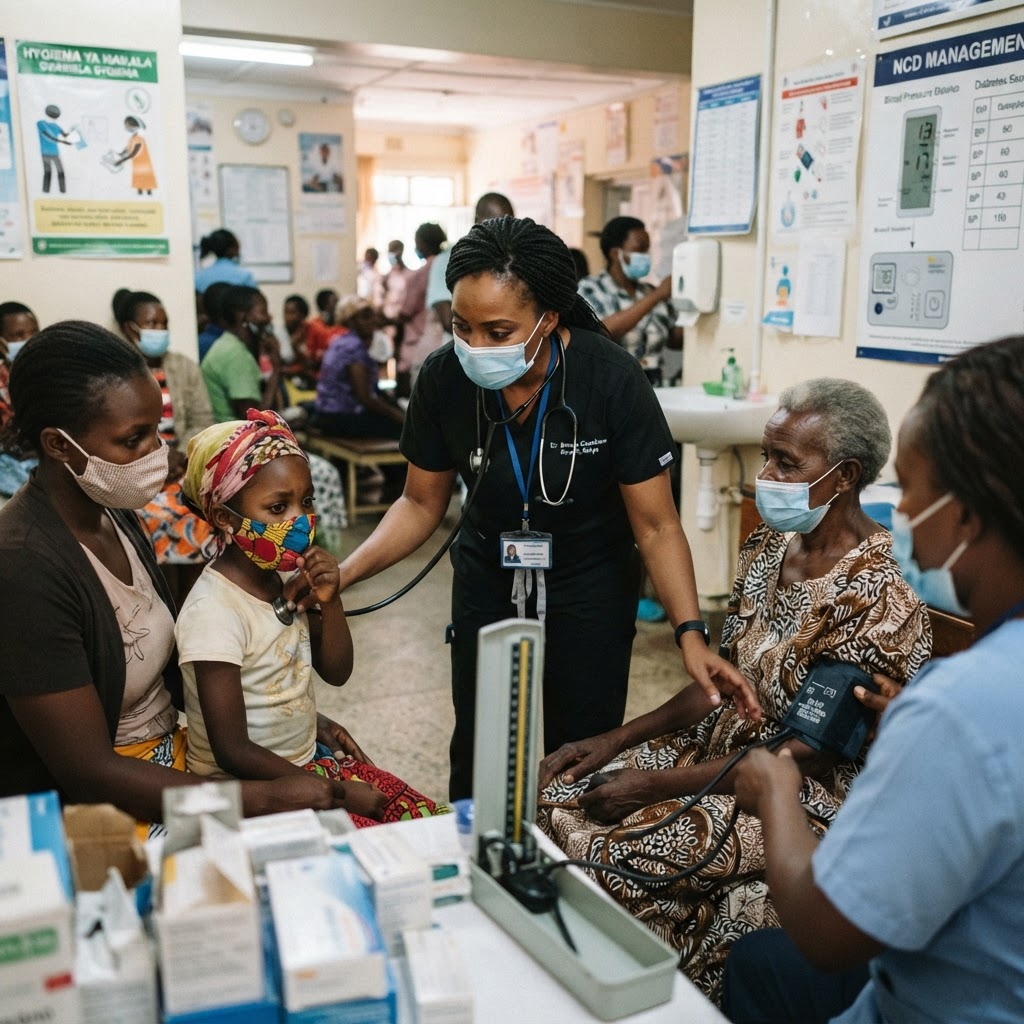
As global life expectancy rebounds toward pre-pandemic norms, international health organizations confront a precarious landscape defined by deadly localized outbreaks and an unprecedented surge in chronic noncommunicable illnesses.