A Dual Challenge in Global Health: Balancing Epidemic Resurgence with a Rising Chronic Disease Burden
As global life expectancy rebounds toward pre-pandemic norms, international health organizations confront a precarious landscape defined by deadly localized outbreaks and an unprecedented surge in chronic noncommunicable illnesses.
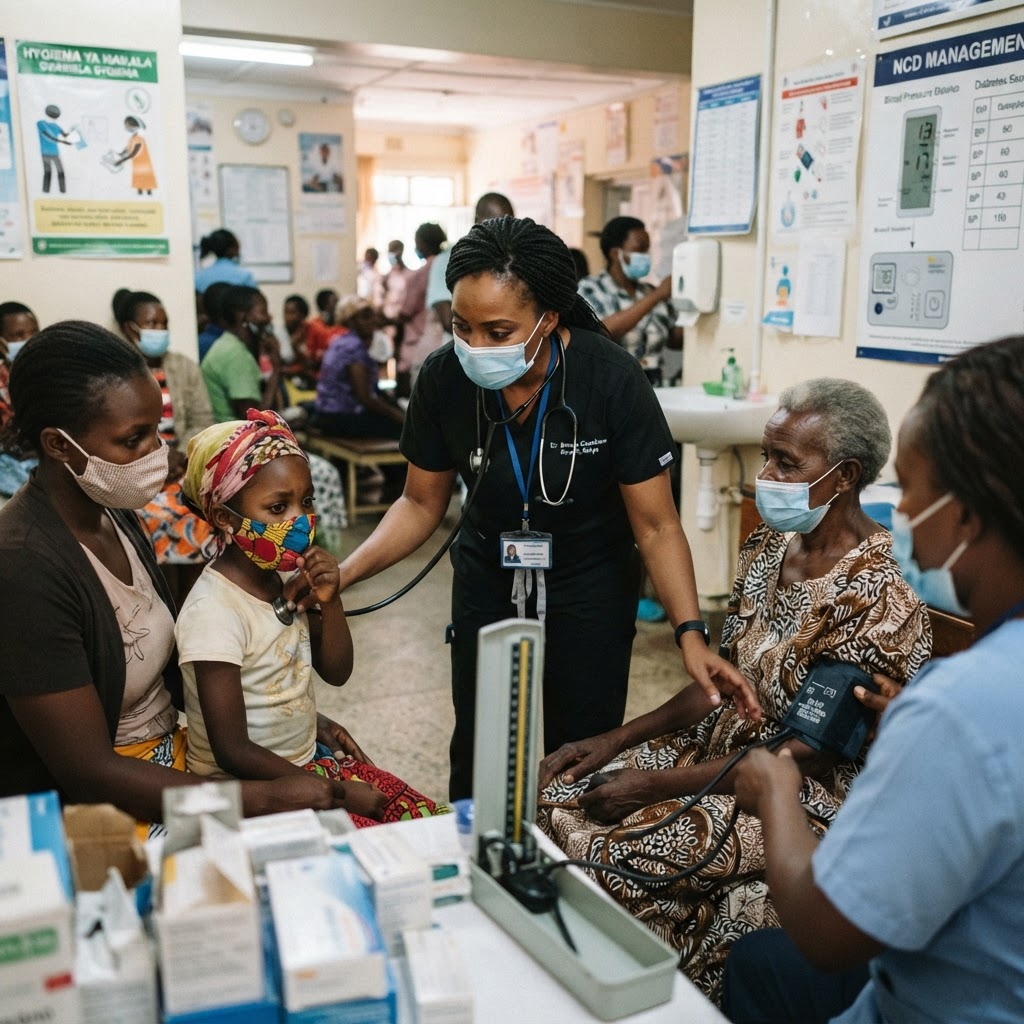
The Shifting Contours of Global Longevity
The global public health sphere is navigating a defining period of transition. Recent surveillance from international agencies reveals that overall longevity has substantially rebounded following the acute shocks of the COVID-19 pandemic. According to the World Health Organization's Global Health Estimates, worldwide life expectancy has climbed back to 73.3 years, nearing the pre-pandemic watermark of 73.4 years recorded in 2019. However, the recovery has not been uniformly matched by improvements in population well-being. Healthy life expectancy, which measures the average duration people live free from serious disease or disability, continues to lag behind, recovering at a notably slower pace to 62.8 years.
This discrepancy reflects a profound epidemiological shift across the globe. Chronic noncommunicable diseases (NCDs)—including cardiovascular conditions, diabetes, neurological disorders, and mental health conditions—now account for approximately 74 percent of all deaths worldwide, a steep increase from 58 percent at the turn of the century. Notably, low-income nations have crossed a historic milestone where communicable diseases represent less than half of all fatalities for the first time. Even so, the double burden of managing chronic care while responding to persistent infectious crises is testing the capacity and finances of fragile healthcare infrastructures worldwide.
The Re-emergence of Preventable Infectious Threats
While the long-term trend favors an aging population contending with chronic conditions, acute infectious diseases continue to produce severe shocks. Recent reports highlight alarming resurgences of waterborne and bacterial illnesses in vulnerable regions. Global cholera fatalities surged dramatically, exceeding 7,800 reported deaths in a single year—the highest tally reported to international monitors in decades, as documented by the WHO trends assessment. The vast majority of the caseload remains concentrated in conflict-affected and infrastructure-poor territories across Africa and the Middle East, including the Democratic Republic of the Congo, South Sudan, and Yemen.
The paradox of these outbreaks lies in the availability of preventative tools. Although production of oral cholera vaccines expanded significantly to roughly 80 million doses annually, supply constraints and logistics still limit coverage in remote hotspots. Health officials stress that clean water access and sanitation investments remain the fundamental bottlenecks. Compounding these crises are active regional containment operations against other viral pathogens, such as recurring regional flare-ups of Ebola in Central and East Africa, where cross-border monitoring and rapid isolation protocols are actively deployed.
Accelerating Countermeasures and Trial Pipelines
In response to recurring infectious threats, global health coalitions and research consortia are mobilizing new intervention frameworks. According to updates from the Global Health Technologies Coalition, the Coalition for Epidemic Preparedness Innovations (CEPI) and its partners have advanced critical clinical trials to evaluate vaccine candidates against strains of the Ebola virus that currently lack approved therapies, such as the Bundibugyo strain. Phase 2 and 3 assessments are evaluating candidate efficacy and safety profiles across multi-center setups to strengthen emergency preparedness in high-risk zones.
Simultaneously, genomic surveillance has achieved critical refinements. Newly published guidelines and mutation catalogues for the Mycobacterium tuberculosis complex are helping frontline clinicians pinpoint antimicrobial resistance with greater precision, mitigating the risk of ineffective therapies and halting resistant transmission corridors early. Alongside laboratory advances, multilateral agencies are setting aggressive early-warning standards, including mandates aimed at detecting emergent biological threats within twenty-four hours to avert future transnational health crises.
Integrating Chronic Care and Environmental Resilience
Addressing the shifting global disease burden also requires systemic restructuring away from reactive emergency response toward comprehensive primary care. With cardiovascular disease remaining the single leading cause of death globally, accounting for nearly 10 million lives annually from ischaemic heart disease alone, public health advocates are demanding systematic integration of hypertension monitoring and metabolic health programs directly into community healthcare systems.
The compounding influence of climate factors has further intensified the imperative for resilient healthcare delivery. In comprehensive reviews published alongside the Canadian Public Health Association and international research coalitions, public health professionals have highlighted the compounding risks posed by extreme heat, wildfire smoke, and shifting vector distributions. High temperatures and air pollution increasingly exacerbate maternal hypertension, pediatric malnutrition, and chronic cardiopulmonary disorders. Health leaders argue that future public health investments can no longer evaluate clinical delivery in isolation; safeguarding long-term health gains demands intertwining environmental defense, equitable vaccine distribution, and modern primary care.
Recommended for you
Similar to “Global Health”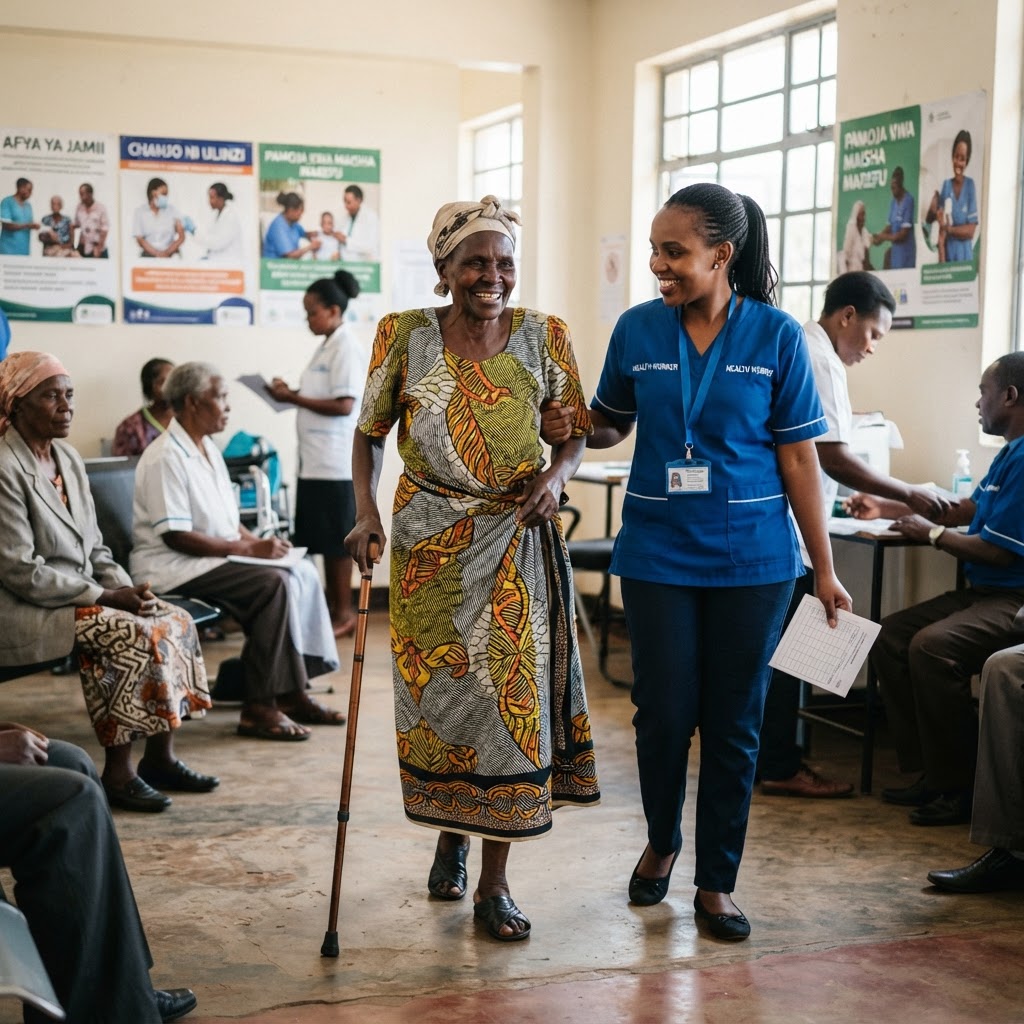
A Turning Point for Global Health: Longevity Rebounds Amid Chronic Burdens and Epidemic Vulnerabilities
Recent data from international health authorities reveal a post-pandemic rebound in life expectancy alongside rising noncommunicable diseases and active containment efforts against localized outbreaks.
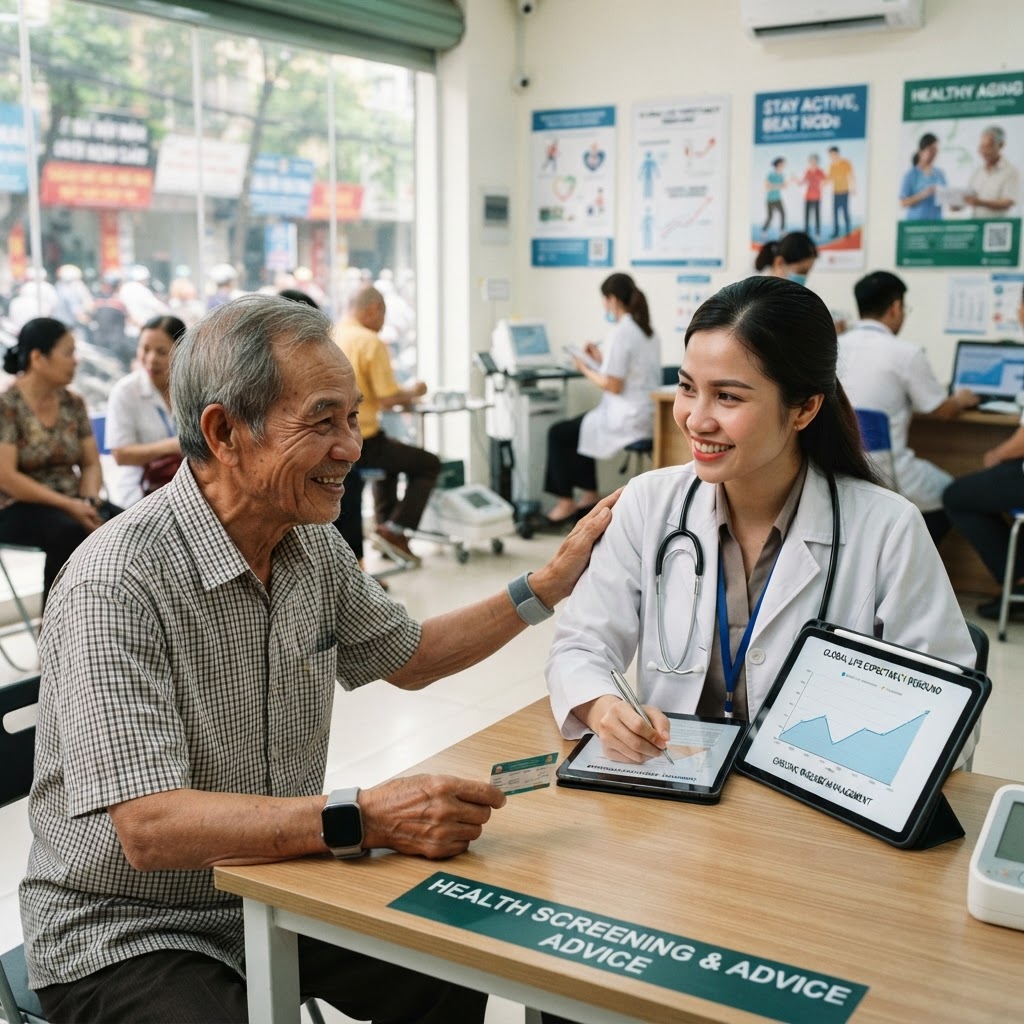
A Turning Point in Global Health: Life Expectancy Rebounds Amid a Shifting Chronic Disease Epidemic
Fresh epidemiological assessments reveal a historic rebound in worldwide longevity following pandemic shocks, while health systems brace for an unprecedented surge in chronic noncommunicable illnesses and metabolic disorders.
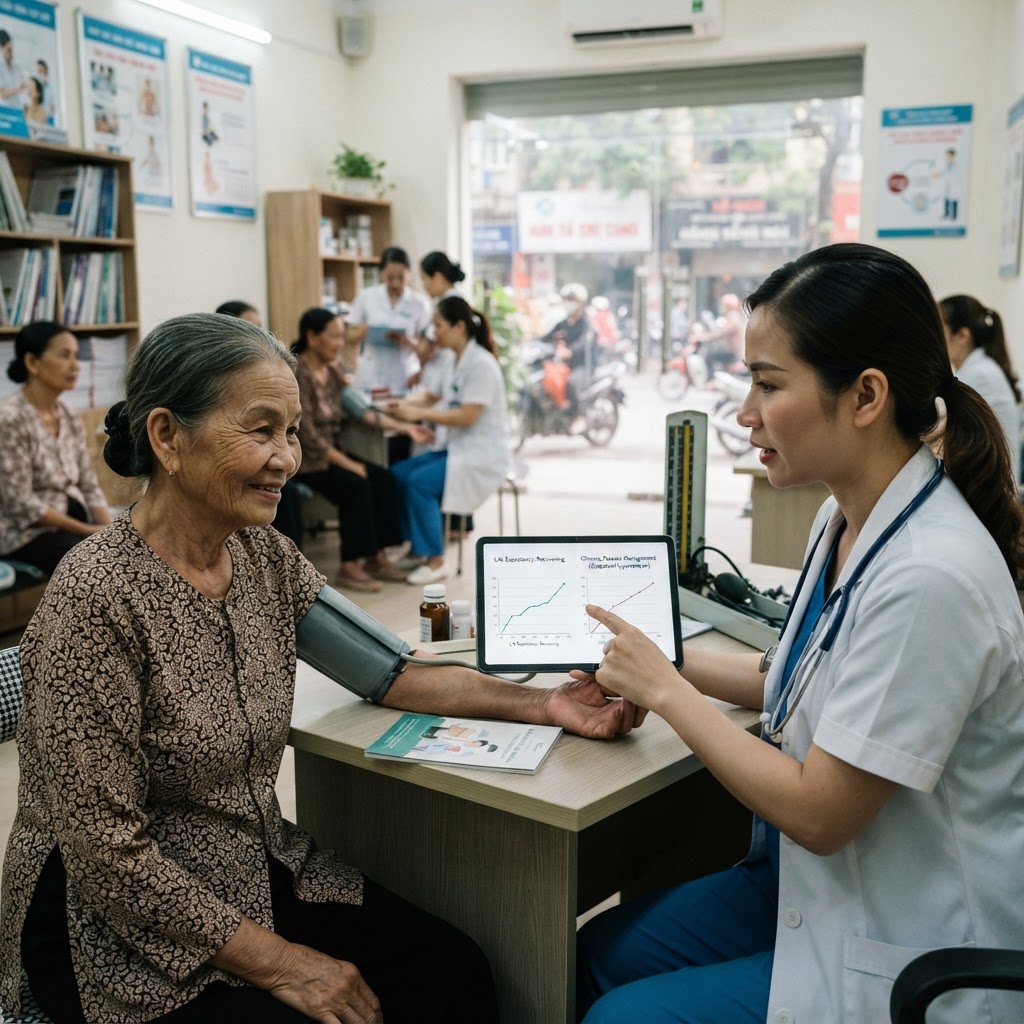
A Turning Point for Global Health: Recovering Life Expectancy Meets the Chronic Disease Surge
Recent data from international health organizations shows that worldwide life expectancy has rebounded to near pre-pandemic levels, even as health systems face a mounting burden of noncommunicable diseases.