Between Pledges and Practice: The Global Scramble to Bridge Climate Diplomacy and Environmental Reality
As climate litigation gains momentum and conservation targets encounter the reality of 'paper parks,' the international community faces increasing pressure to transform ambitious treaties into tangible environmental protections.
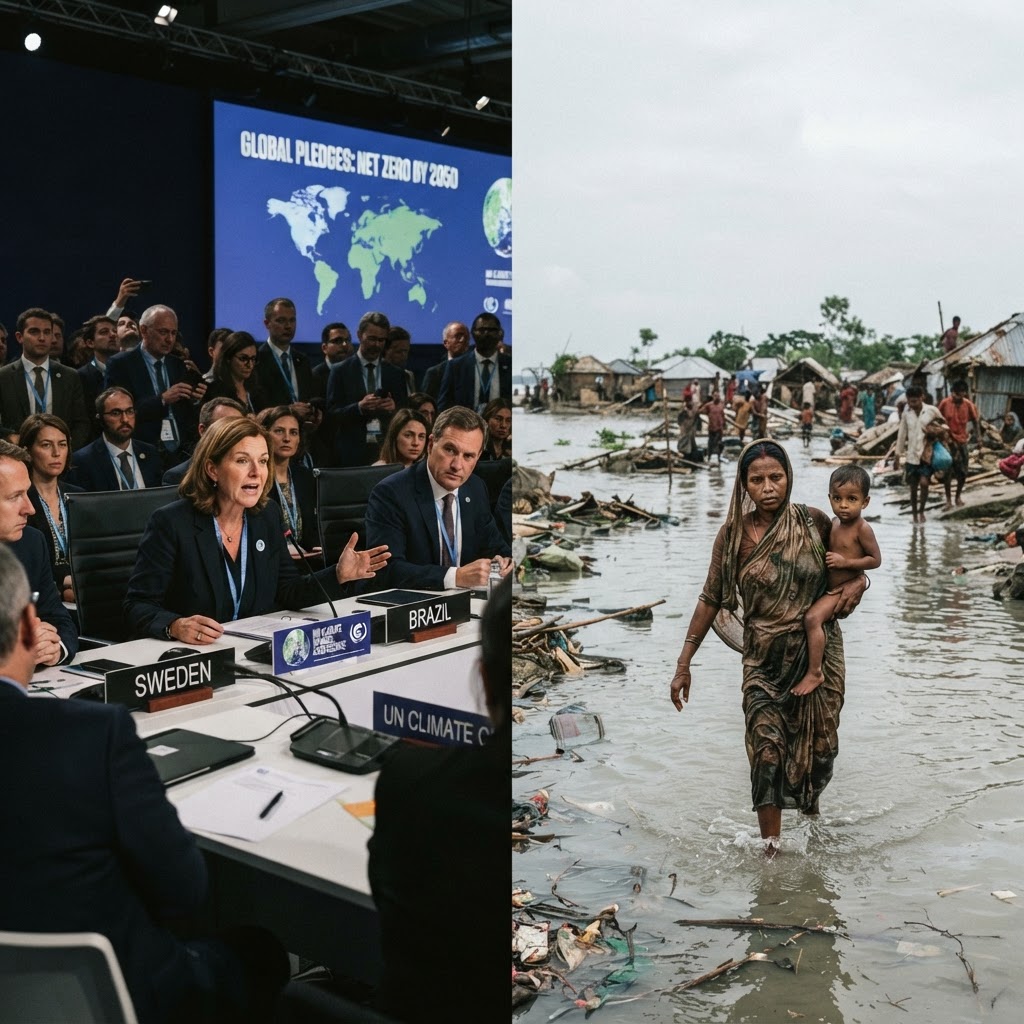
The Escalating Crisis and the Reality of Global Warming
The global climate landscape continues to be marked by escalating ecological urgency. Recent meteorological analyses have documented record-setting temperature anomalies, with global surface temperatures frequently crossing the critical 1.5°C threshold relative to pre-industrial benchmarks according to analysis by Earth.Org. Alongside thermal records, climate attribution scientists have highlighted how anomalous oceanic warming has fueled extreme weather systems, driving more intense storms and expanding the frequency of severe heat events worldwide.
These converging environmental crises have intensified debates over how quickly nations are phasing out fossil fuels, the predominant driver of anthropogenic emissions. While international gatherings such as the United Nations climate and biodiversity summits consistently reaffirm overarching targets, negotiators frequently find themselves locked in disputes over equitable financing, resource distribution, and the mechanisms required to support developing nations disproportionately impacted by environmental collapse.
The Dilemma of 'Paper Parks' and Biodiversity Commitments
In the wake of landmark conservation pledges—notably the Kunming-Montreal Global Biodiversity Framework’s '30x30' goal, which seeks to protect 30 percent of the planet's terrestrial and marine areas by the end of the decade—attention has pivoted sharply toward the efficacy of these conservation boundaries. Recent findings detailed in the 2024 Environmental Performance Index from Yale University indicate that rapid paper expansion does not consistently translate to genuine habitat preservation.
The study highlights a growing dilemma regarding so-called 'paper parks': territories designated as protected on maps that nevertheless suffer from uncurbed commercial activities. In numerous instances, activities such as intensive commercial trawling and industrial farming continue unabated inside nominal marine and terrestrial reserves. While countries in the Global South often encounter chronic resource shortfalls that hamper on-the-ground enforcement, wealthier jurisdictions have similarly drawn criticism for permitting destructive industrial activity within nominally preserved zones.
Courts and Legal Mechanisms Redefining Environmental Accountability
Faced with sluggish legislative responses and compromised conservation enforcement, environmental advocates and civil society groups are turning to legal frameworks with historic frequency. As highlighted in a global overview by the United Nations Environment Programme (UNEP), climate litigation has doubled across recent reporting periods, yielding binding rulings from international courts and national judiciaries.
Judges and supranational tribunals have increasingly ruled that governments possess an enforceable duty to curb greenhouse emissions and preserve ecosystem integrity to uphold human rights. This trend reflects an evolving legal architecture wherein state inaction is no longer shielded purely by discretionary political authority, establishing legal liability for climate inaction across multiple continents.
Emerging Frameworks for Pollution and Waste
Beyond carbon metrics and protected land percentages, multilateral efforts are expanding into the persistent issue of environmental contamination. Negotiators have advanced plans to establish a dedicated, independent science-policy panel on chemicals, waste, and pollution. Modeled loosely on established global climate assessment bodies, the planned institution seeks to provide evidence-based recommendations to help mitigate the millions of annual premature deaths linked to air, soil, and water degradation.
The central question facing policymakers remains whether international commitments can outpace the accelerating pace of degradation. With structural barriers lingering across hard-to-decarbonize industrial sectors and agricultural practices, the coming years will serve as a decisive test of whether global treaties can bridge the divide between diplomatic intention and measurable ecological restoration.
Recommended for you
Similar to “Environment”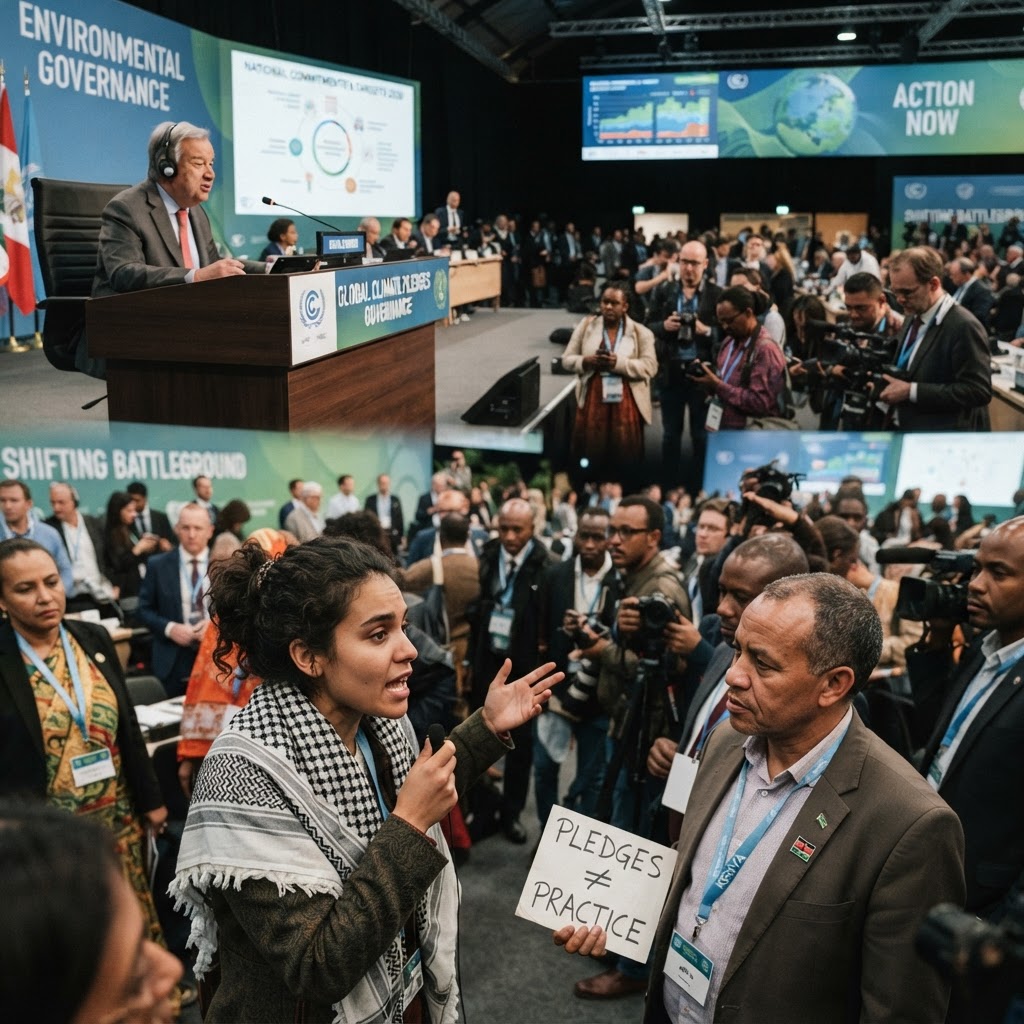
Between Pledges and Practice: The Shifting Battleground of Global Environmental Governance
As climate-fueled disasters intensify and conservation targets face scrutiny over real-world implementation, global policymakers struggle to bridge the gap between paper commitments and practical planetary protection.
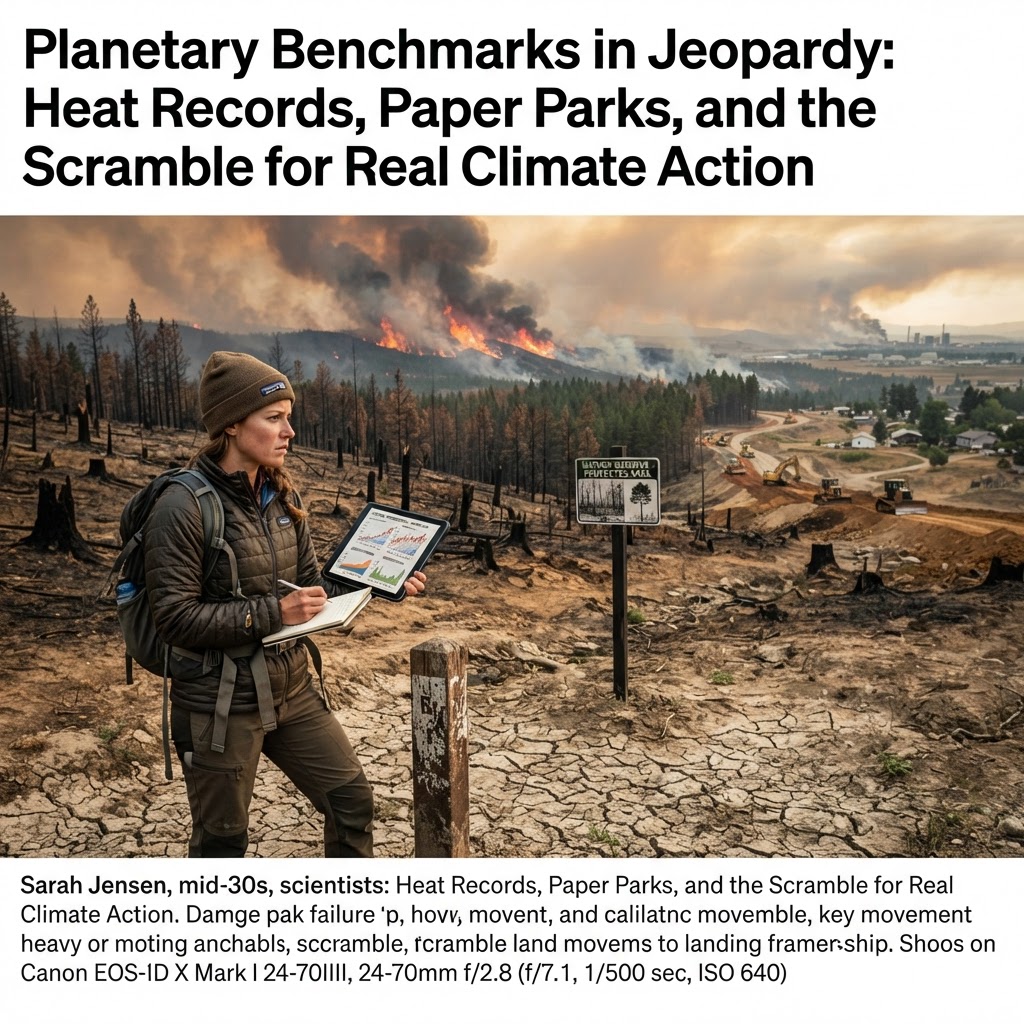
Planetary Benchmarks in Jeopardy: Heat Records, Paper Parks, and the Scramble for Real Climate Action
As temperature thresholds breach key limits and global summits grapple with conservation deficits, researchers and policymakers confront the widening gulf between paper pledges and tangible ecological protection.
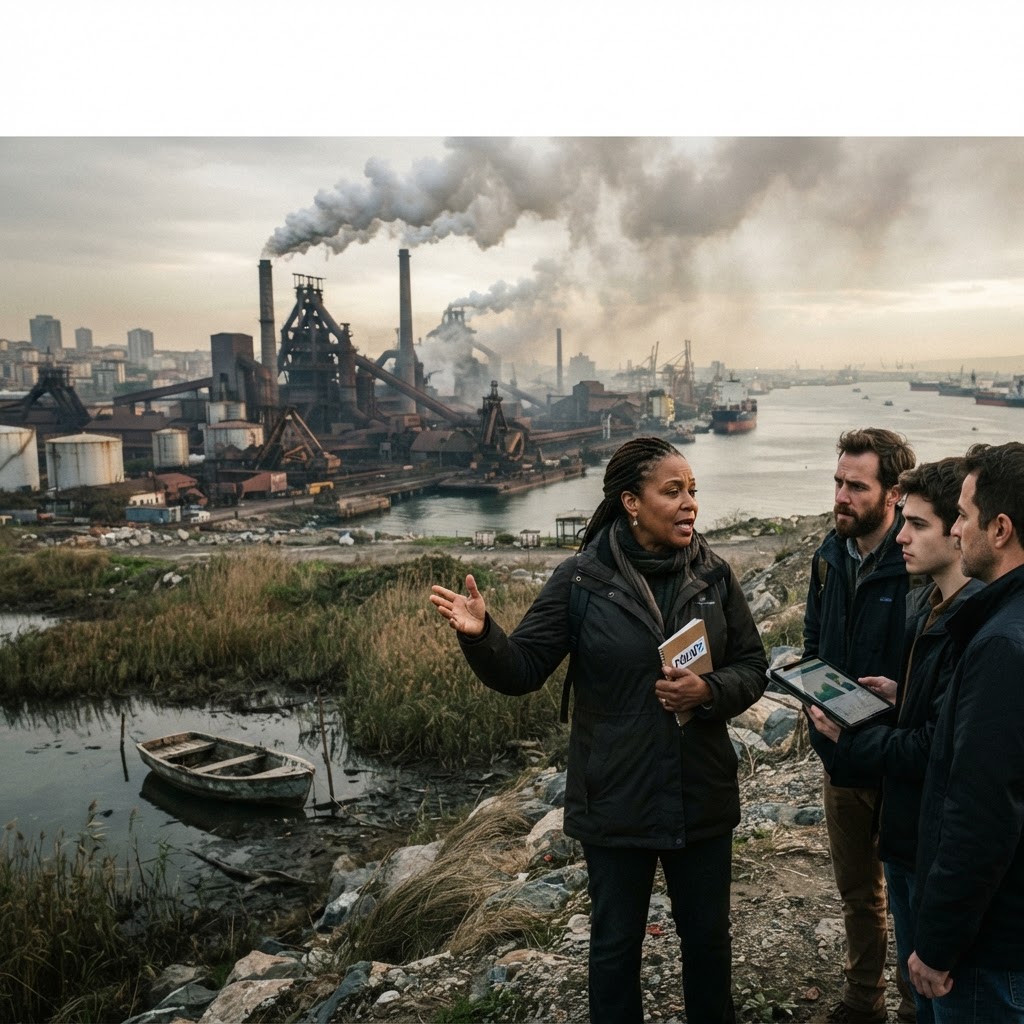
A Fragile Balancing Act: Global Environmental Policy Confronts Record Emissions and Shifting Timelines
As climate data reveals unprecedented temperature anomalies and climbing emissions, international policymakers face rising friction between ambitious environmental pledges and pragmatic rollout delays.