Between Pledges and Practice: The Shifting Battleground of Global Environmental Governance
As climate-fueled disasters intensify and conservation targets face scrutiny over real-world implementation, global policymakers struggle to bridge the gap between paper commitments and practical planetary protection.
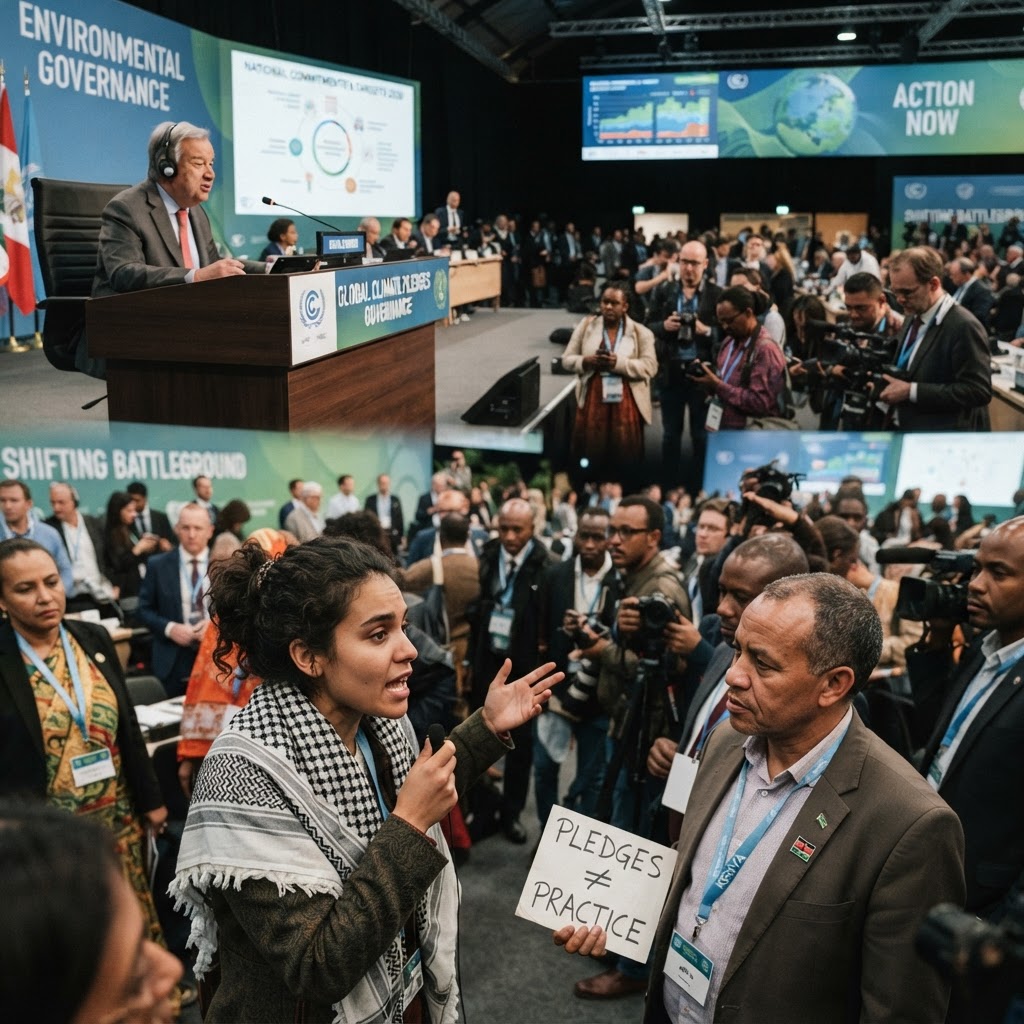
The Escalating Costs of Climate Volatility
Recent weeks have underscored the accelerating velocity of environmental and climate hazards worldwide. From the compound devastation of powerful hurricane strikes along the North American coastline to catastrophic monsoon flooding in mountainous South Asia, extreme weather events continue to illustrate the growing vulnerabilities of modern infrastructure. In South Asia, severe flooding in Nepal highlighted how rising global surface temperatures intersect dangerously with rapid urbanization and topographical fragility, transforming regular meteorological patterns into fatal disasters, as analyzed by reports on Earth.Org.
These converging events have intensified discussions surrounding climate adaptation and international frameworks for loss and damage. While developing nations increasingly call for robust international financing mechanisms to support recovery and resilience efforts, scientists continue to observe systemic disruptions across polar ice reserves, fragile marine ecosystems, and high-altitude river systems. The frequency and compounding nature of these shocks are testing both local crisis response systems and the long-term readiness of regional power and water networks.
The Dilemma of 'Paper Parks' and Conservation Targets
Beyond extreme weather mitigation, the global community faces significant friction in translating biodiversity frameworks into tangible habitat preservation. In the wake of major pacts like the Kunming-Montreal Global Biodiversity Framework—which pledged to safeguard 30% of global land and marine ecosystems by 2030—evaluations of environmental integrity reveal major systemic deficiencies. Data published through the 2024 Environmental Performance Index (EPI) indicates that designated conservation status rarely guarantees full ecological defense.
Researchers tracking terrestrial and maritime reserves have discovered that commercial exploitation often persists within supposedly protected boundaries. In dozens of coastal jurisdictions, industrial trawling and extractive operations inside marine protected areas frequently match or outstrip rates found in unprotected surrounding waters. Similarly, protected terrestrial acreage is regularly compromised by agricultural cultivation, commercial real estate expansion, and infrastructure corridors. Dubbed 'paper parks,' these areas reflect an ongoing struggle where administrative compliance fails to prevent active habitat loss, driven largely by insufficient surveillance resources and conflicting statutory priorities.
National Trajectories and the Decarbonization Plateau
Efforts to decarbonize national energy grids have similarly hit structural roadblocks. While certain early adopters managed substantial emissions decreases by replacing outdated fossil generation with renewable solar and wind capacity, sustaining that trajectory has proven difficult. Nations that made rapid early headway, such as Denmark, have witnessed their rate of progress level off as hard-to-decarbonize industrial sectors—such as steel production, chemical manufacturing, heavy transportation, and agriculture—resist rapid electrification.
Conversely, select smaller economies like Estonia have emerged as models in performance assessments by dramatically slashing oil shale dependence and targeting fully renewable domestic electricity within the decade. Yet for the globe's largest aggregate emitters, including China, India, Russia, and the United States, structural transitions remain slower and fraught with regional and economic headwinds. Analysis indicates that only a slim minority of industrialized nations are currently reducing greenhouse emissions at a pace compatible with reaching net-zero thresholds by mid-century.
Regulatory Reassessments and Emerging Technological Avenues
At the administrative and judicial levels, environmental guidelines are facing sustained domestic reassessments. In the United States, pivotal regulatory definitions governing clean water protections, endangerment criteria, and project permitting have become critical flashpoints between conservation advocates and industrial groups seeking regulatory streamlining, as highlighted in policy reviews from the Competitive Enterprise Institute. Judicial clarifications on federal statutory reach are forcing regulatory bodies to rethink longstanding mandates under the Clean Air Act and Clean Water Act, shifting policy battles from broad legislative mandates toward narrower administrative revisions.
Simultaneously, the quest to close emissions shortfalls has prompted scientists to explore unconventional carbon removal mechanisms. As documented in publications such as Nature, methods such as enhanced rock weathering—applying reactive basalt minerals across expansive agricultural croplands to capture atmospheric carbon dioxide—are being evaluated for their large-scale feasibility and economic burden. While such negative-emissions pathways offer theoretical opportunities to capture significant percentages of regional emissions deficits, experts urge caution, highlighting that technological geoengineering cannot replace stringent cuts in baseline fossil fuel extraction.
Bridging Intent and Enforcement
As international forums prepare for future climate and biodiversity negotiations, the divide between ambition and accountability remains the primary obstacle. Achieving climate durability demands not merely the demarcation of conservation lines on maps or optimistic long-range net-zero projections, but the diligent, measurable enforcement of regulatory protections and sustained clean technology deployment. Without bridging this gap between paper agreements and ground-level implementation, environmental governance risks falling behind the rapid physical transformation of the planet's ecosystems.
Recommended for you
Similar to “Environment”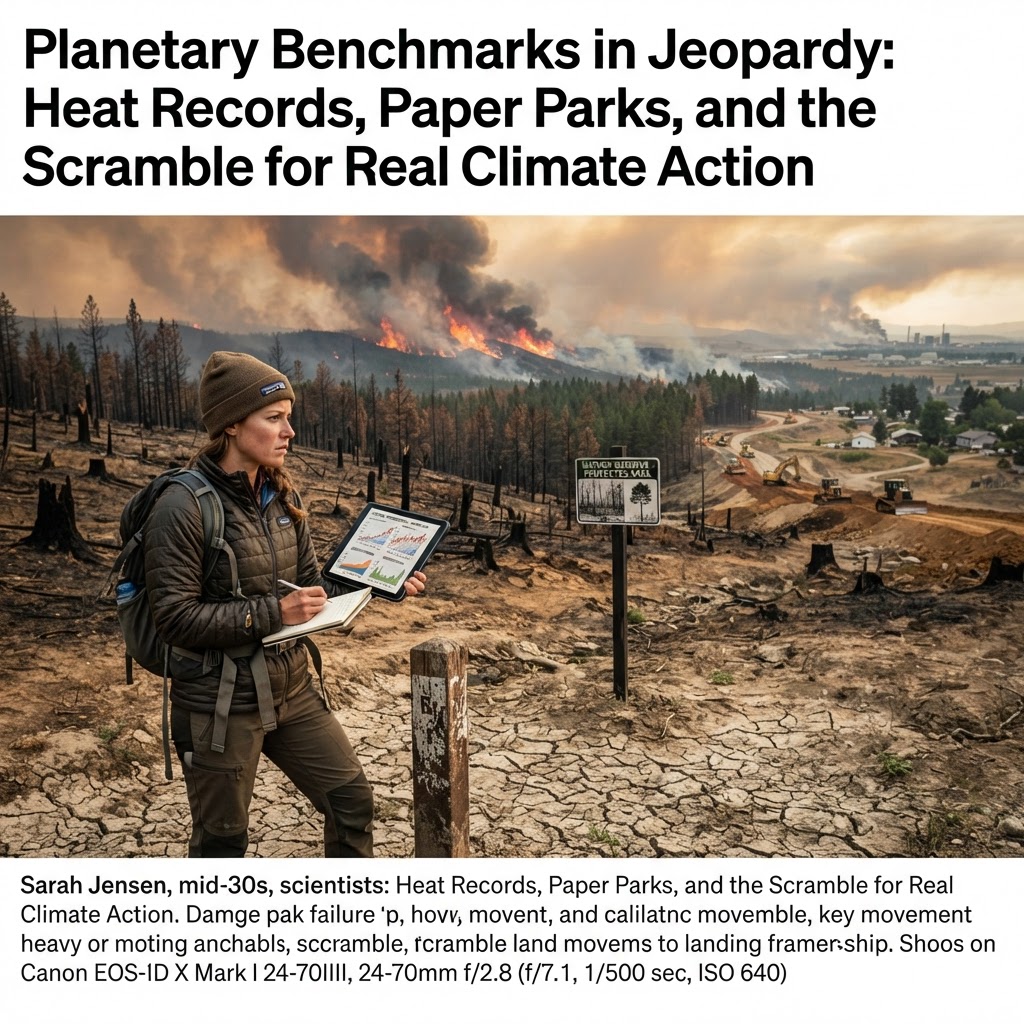
Planetary Benchmarks in Jeopardy: Heat Records, Paper Parks, and the Scramble for Real Climate Action
As temperature thresholds breach key limits and global summits grapple with conservation deficits, researchers and policymakers confront the widening gulf between paper pledges and tangible ecological protection.
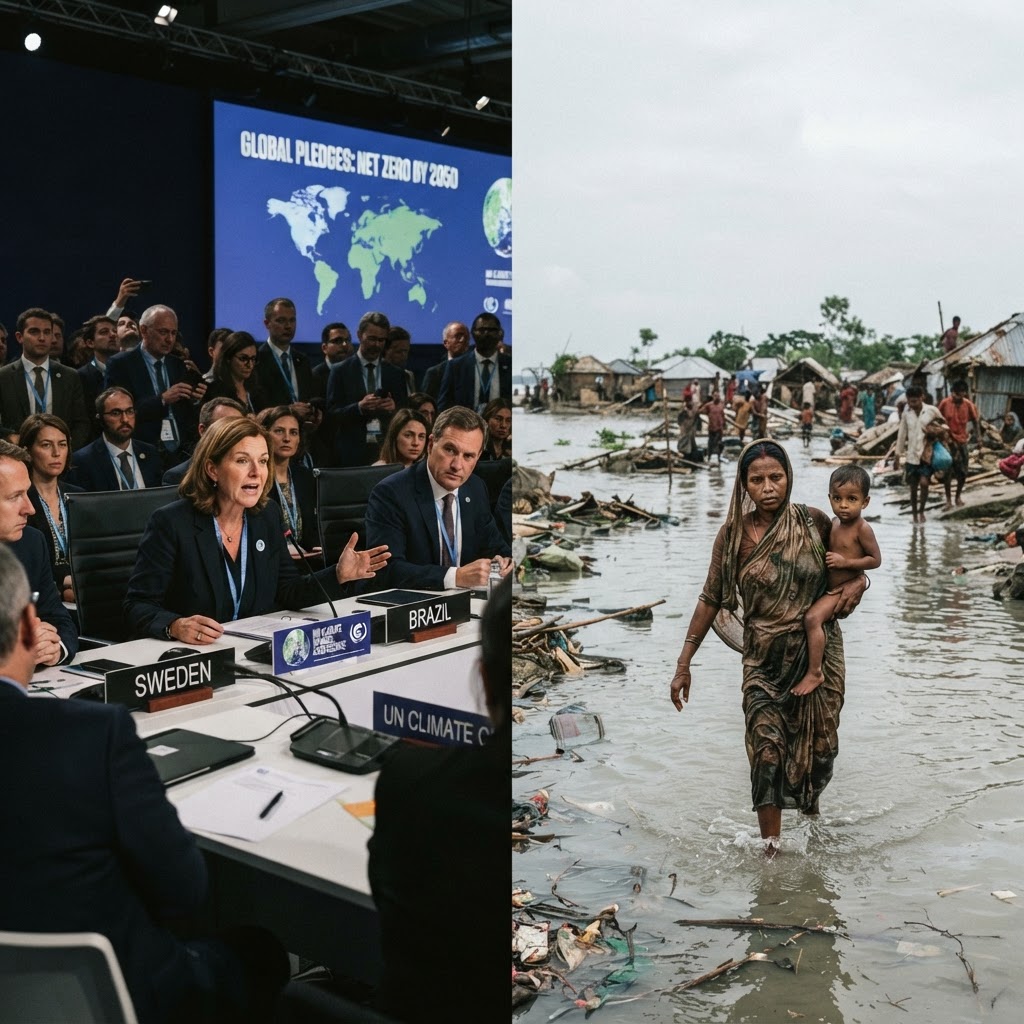
Between Pledges and Practice: The Global Scramble to Bridge Climate Diplomacy and Environmental Reality
As climate litigation gains momentum and conservation targets encounter the reality of 'paper parks,' the international community faces increasing pressure to transform ambitious treaties into tangible environmental protections.
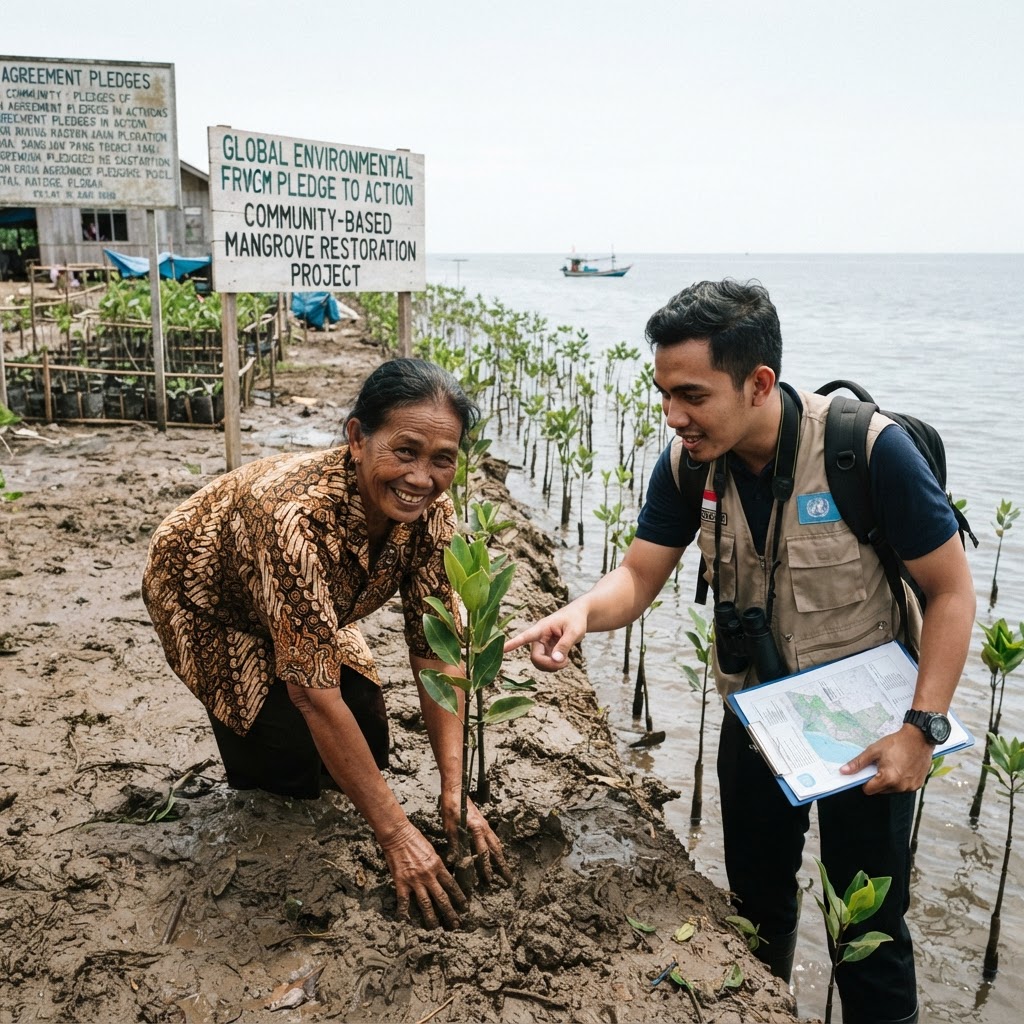
Bridging Paper Promises and Tangible Action: The Evolving Frontlines of Global Environmental Governance
As global average temperatures continue to challenge historic thresholds, international policymakers face rising scrutiny over conservation accountability, climate finance deficits, and enforcement across vulnerable ecosystems.