Global Politics in Flux: Rising Tensions, Diplomatic Balancing Acts, and Pivotal Regional Shifts
From strategic maneuvers in the Baltic and Persian Gulf to electoral realignments across North America and West Africa, international politics faces mounting friction and domestic realignment.
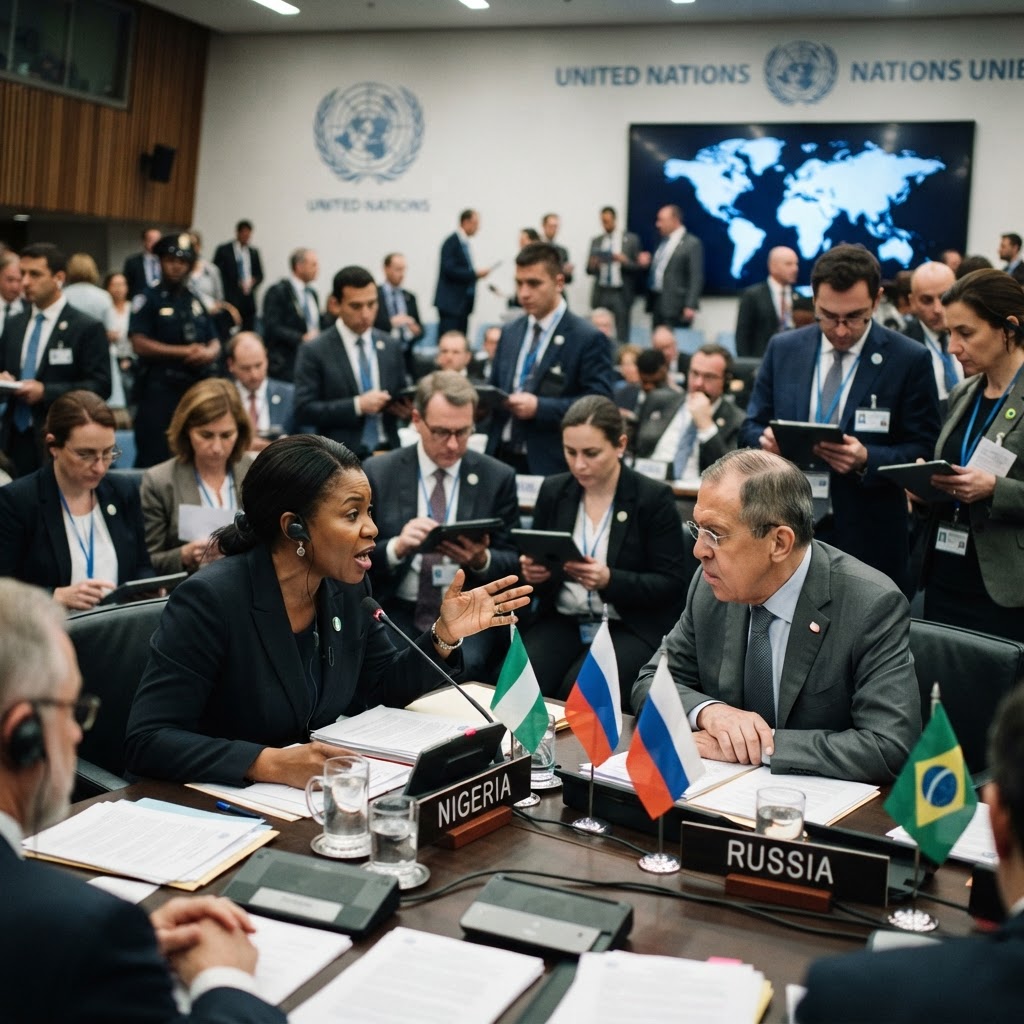
A World of Intensifying Geopolitical Confrontation
International statecraft is enduring a period of sharp contestation as global powers test diplomatic thresholds and defense postures. Security dialogues between Western capitals and traditional rivals continue to oscillate between fragile openings and stark warnings. European defense analysts are keeping a watchful eye on Northern Europe, where rising frictions across the Baltic corridor have triggered escalatory rhetoric, as noted in reports by The Japan Times highlighting harsh warnings from Moscow toward NATO states. The balance between deterrence and outright confrontation remains exceptionally narrow, leaving little margin for error among regional military planners.
Simultaneously, key maritime choke points and global transit arteries are witnessing sudden shifts in diplomatic leverage. In the Middle East, the Persian Gulf remains at the center of commercial and security concerns. Recent signaling regarding maritime passage through the strategic Strait of Hormuz, alongside renewed overtures regarding nuclear negotiations reported by CNBC, demonstrates how energy security and non-proliferation diplomacy continue to intersect. Regional powers appear keen on trading tactical concessions to stave off harsher multilateral penalties, even as proxy conflicts throughout neighboring corridors threaten to destabilize broader regional agreements.
Technological Espionage and Great-Power Competition
Beyond military maneuvering, high-stakes competition has entrenched itself in the realms of advanced technology, academic cooperation, and intelligence apparatuses. Bilateral engagements between major powers are increasingly shadowed by human rights concerns and industrial espionage investigations. Diplomatic encounters involving Washington and Beijing continue to navigate sensitive domestic issues, including the detention of high-profile pro-democracy figures in Hong Kong, according to accounts from The Japan Times.
Concurrently, security agencies across Western democracies are hardening their institutional defenses against intellectual property theft and covert influence operations. British intelligence disclosures pointing to foreign state intelligence ties within domestic academic programs—specifically targeting critical sectors like artificial intelligence and defense technologies—illustrate the expanding frontier of international security. As computational superiority and advanced manufacturing emerge as primary determinants of geopolitical sway, traditional statecraft is compelled to integrate counter-intelligence frameworks into basic scientific and economic policies.
Domestic Turmoil and Electoral Transformations
While external friction commands global attention, internal electoral battles and institutional maneuvering are reshaping the domestic terrain across several continents. In North America, regional sentiment has once again exerted pressure on federal unity. In Canada, the political landscape shifted as the sovereigntist Parti Québécois captured a significant victory in provincial elections, falling just shy of an outright majority as detailed by Okay News. The outcome signals a resurgence of regional identity politics and introduces fresh policy challenges regarding federal-provincial coordination, language rights, and resource jurisdiction.
Across the Atlantic and into West Africa, institutional integrity and electoral administration are defining national political trajectories. In Nigeria, preparations for upcoming cycles have seen significant developments, from updates to national voter rolls in populous commercial hubs to judicial rulings outlining legal ballot participation for presidential contenders, according to reports by Okay News. Meanwhile, administrative leadership remains focused on managing troop welfare and localized security operations amid economic strain. Across democratic systems worldwide, the strain between judicial oversight, administrative execution, and voter expectations underscores the delicate balance required to maintain institutional stability amid an increasingly unpredictable global environment.
Recommended for you
Similar to “World Politics”
Global Political Currents: Separatist Resurgence, Rising Social Unrest, and Geopolitical Realignments
Recent political developments worldwide reflect mounting domestic friction and shifting strategic alliances, highlighted by nationalist election victories in North America and deepening domestic unrest across Europe.

Diplomatic Realignments and Domestic Turmoil: The Shifting Currents of Global Politics
As high-stakes international summits navigate rising tensions over Taiwan and regional conflicts, domestic political institutions confront fresh judicial debates, contentious legislative hearings, and critical electoral milestones across the globe.
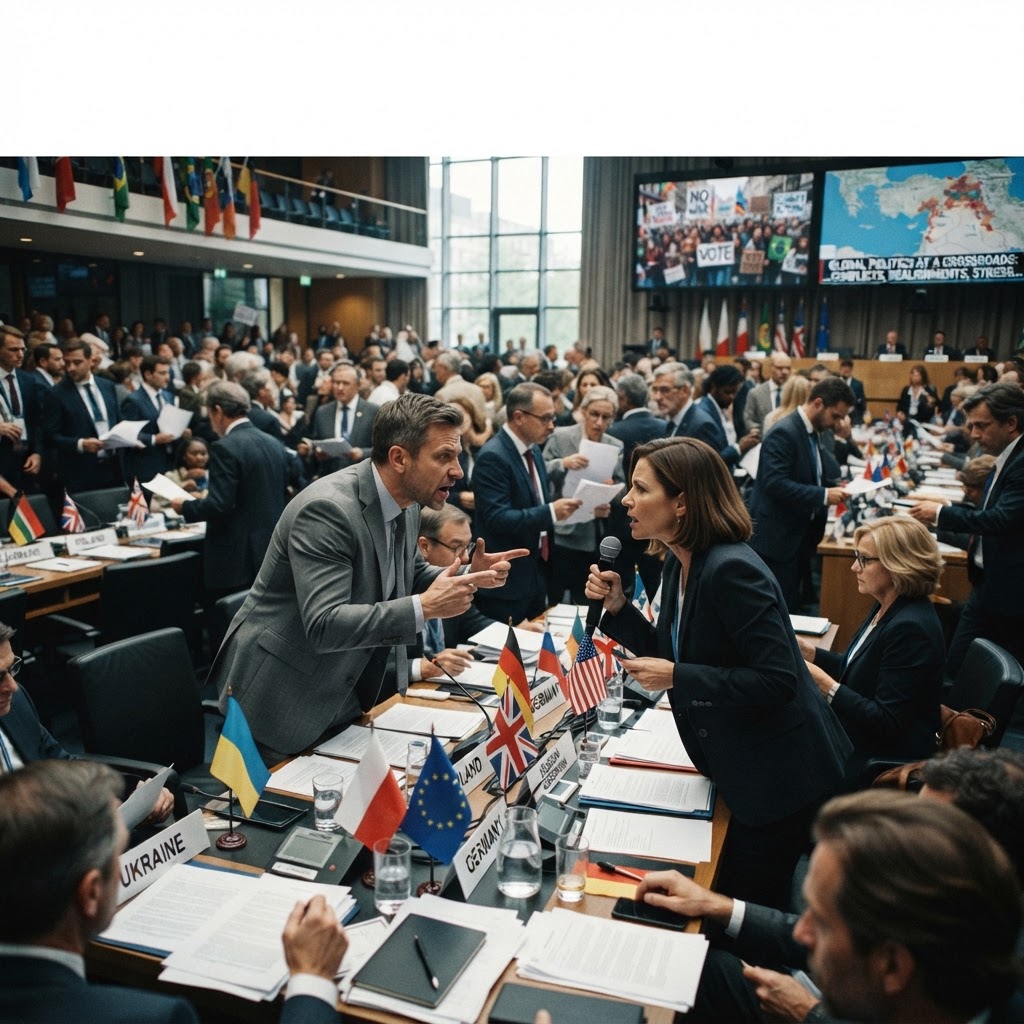
Global Politics at a Crossroads: Escalating Conflicts, Electoral Realignments, and Institutional Stress
Recent developments across international theaters highlight deep strategic fractures, from escalating regional tensions and security challenges to shifting domestic party coalitions and institutional tests.