Diplomatic Realignments and Domestic Turmoil: The Shifting Currents of Global Politics
As high-stakes international summits navigate rising tensions over Taiwan and regional conflicts, domestic political institutions confront fresh judicial debates, contentious legislative hearings, and critical electoral milestones across the globe.

A Complex Web of Great-Power Diplomacy
In recent days, the global diplomatic arena has witnessed intense maneuvering as major powers seek to recalibrate their relations amid overlapping geopolitical flashpoints. Discussions surrounding high-level summits between Washington and Beijing have placed long-standing strategic fault lines under renewed scrutiny. Front and center is the recurring tension over the status of Taiwan. Following recent bilateral engagements between Donald Trump and Chinese President Xi Jinping, observers have closely monitored both sides for potential policy recalibrations. While Beijing has continued to assert historical narratives and urged opposition to Taiwanese independence, regional stakeholders, including Taipei, have actively countered these characterizations, highlighting the delicate balance required to maintain stability across the Pacific.
These diplomatic overtures unfold against a backdrop of broader international realignments. Trade negotiations and tariff policies remain central to ongoing bilateral dialogues, even as leaders grapple with persistent regional instability, including protracted conflict dynamics involving Iran and the strategic waterways of the Middle East. With multilateral institutions experiencing friction and shifting engagement from key powers, traditional diplomatic allies and rising global powers alike are compelled to chart increasingly independent paths.
Judicial Dynamics and Partisan Clashes in Washington
Domestically, the political landscape in the United States continues to be shaped by significant friction across all three branches of government. Speculation regarding the future composition of the Supreme Court has intensified following signals that Justice Samuel Alito is weighing retirement. Given the deeply polarized nature of federal judicial confirmations, any forthcoming vacancy promises to ignite a fierce battle over ideological balance, constitutional interpretation, and the long-term direction of the nation's highest court.
Simultaneously, the judiciary has delivered rulings that directly intersect with contentious executive policies. Recent decisions touching upon immigration enforcement and deportation protocols have once again propelled border management and administrative power into the legislative spotlight. On Capitol Hill, partisan tensions remain elevated, underscored by combative congressional hearings where lawmakers have engaged in sharp rhetoric over federal investigations and executive oversight. The intersection of legal disputes, high-profile investigations, and public scrutiny over domestic welfare and healthcare policies illustrates a governance environment increasingly defined by zero-sum legislative warfare.
Impending Elections and Regional Governance Worldwide
Beyond North America and East Asia, national governance and upcoming democratic milestones are driving policy decisions globally. In South America, attention is converging on Brazil's critical general election, where incumbent President Luiz Inácio Lula da Silva seeks another mandate amidst intense political polarization and regional scrutiny. Heightened tensions surrounding the electoral process have even prompted international observers and diplomatic missions to monitor the situation with exceptional caution, wary of potential post-election unrest.
In Europe and the broader Western sphere, leadership transitions and evolving economic strategies are testing traditional political coalitions. Across capitals, governments are striving to balance post-transition stability, union-driven economic debates, and the ever-present necessity of managing cost-of-living concerns for their citizens. From European administrative shifts to the changing security postures of Western military forces abroad, the international community finds itself navigating an era characterized by fragmented alliances and sharp domestic contestation.
Conclusion: An Order in Flux
Whether in the form of pivotal diplomatic discourse in Washington, shifting legal dynamics within federal courts, or looming general elections spanning continents, contemporary politics remains defined by rapid realignment. As nations prepare for upcoming electoral outcomes and ongoing geopolitical realignments, the coming months will test the resilience of democratic institutions and the durability of international compacts in an increasingly unpredictable world.
Recommended for you
Similar to “World Politics”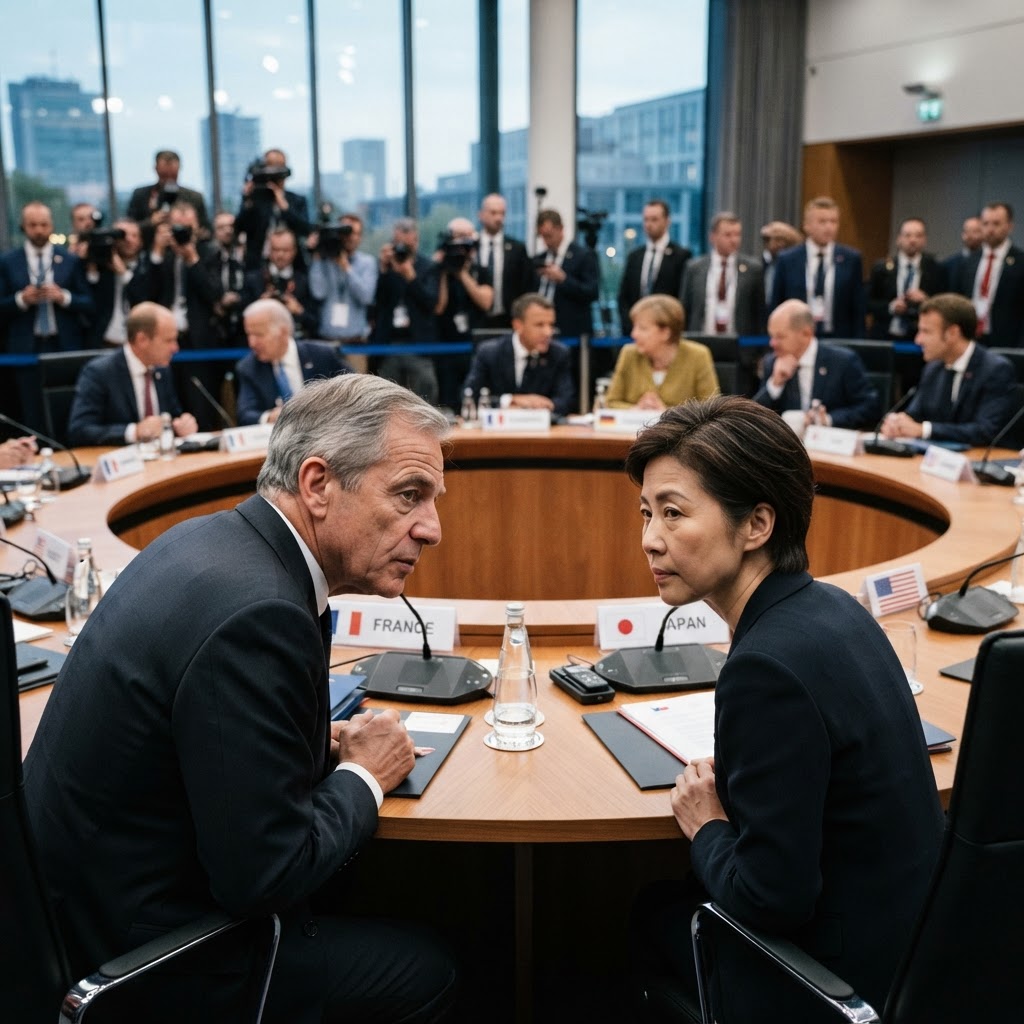
Diplomatic Chessboards and Shifting Alliances: High-Stakes Summits Unfold Amid Rising Geopolitical Friction
As major world leaders converge across Asia for a critical series of regional forums and an unprecedented trilateral summit, intensifying military tensions and domestic political battles test global stability.
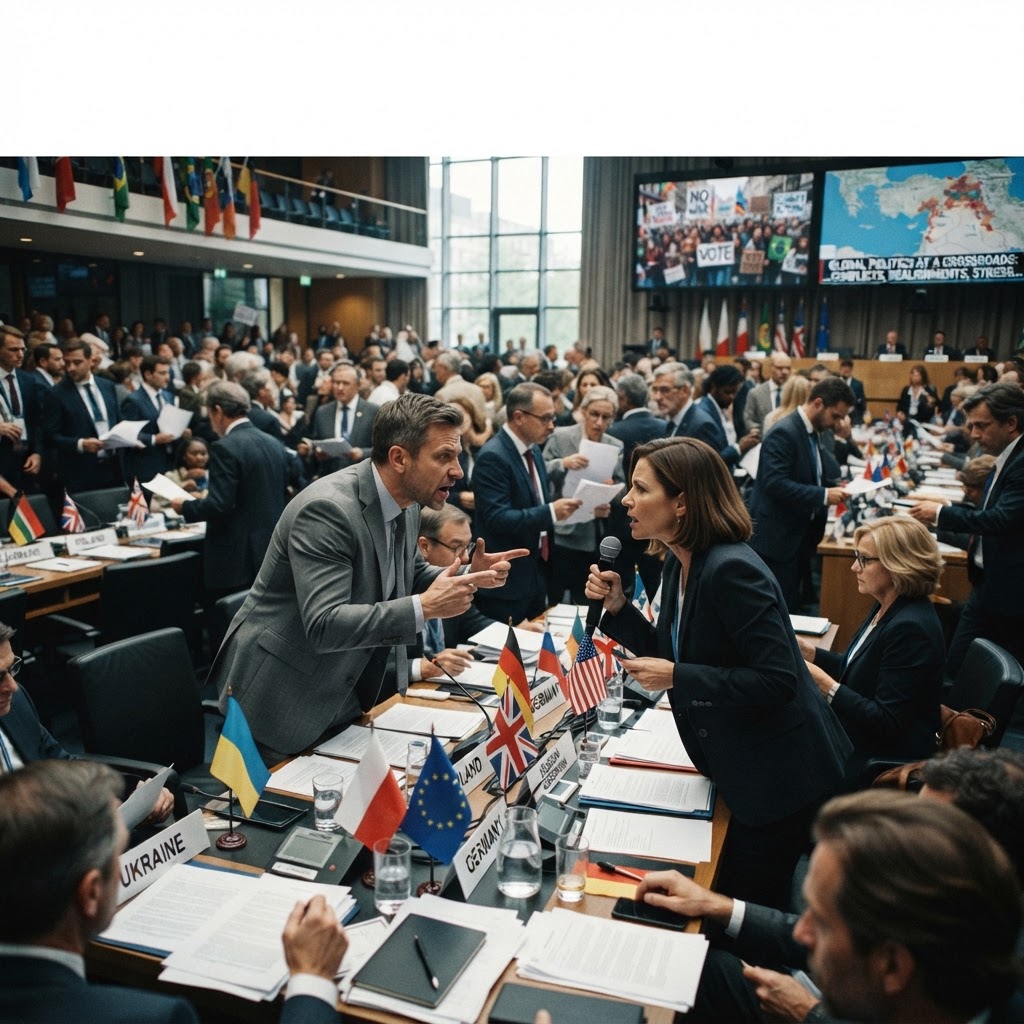
Global Politics at a Crossroads: Escalating Conflicts, Electoral Realignments, and Institutional Stress
Recent developments across international theaters highlight deep strategic fractures, from escalating regional tensions and security challenges to shifting domestic party coalitions and institutional tests.
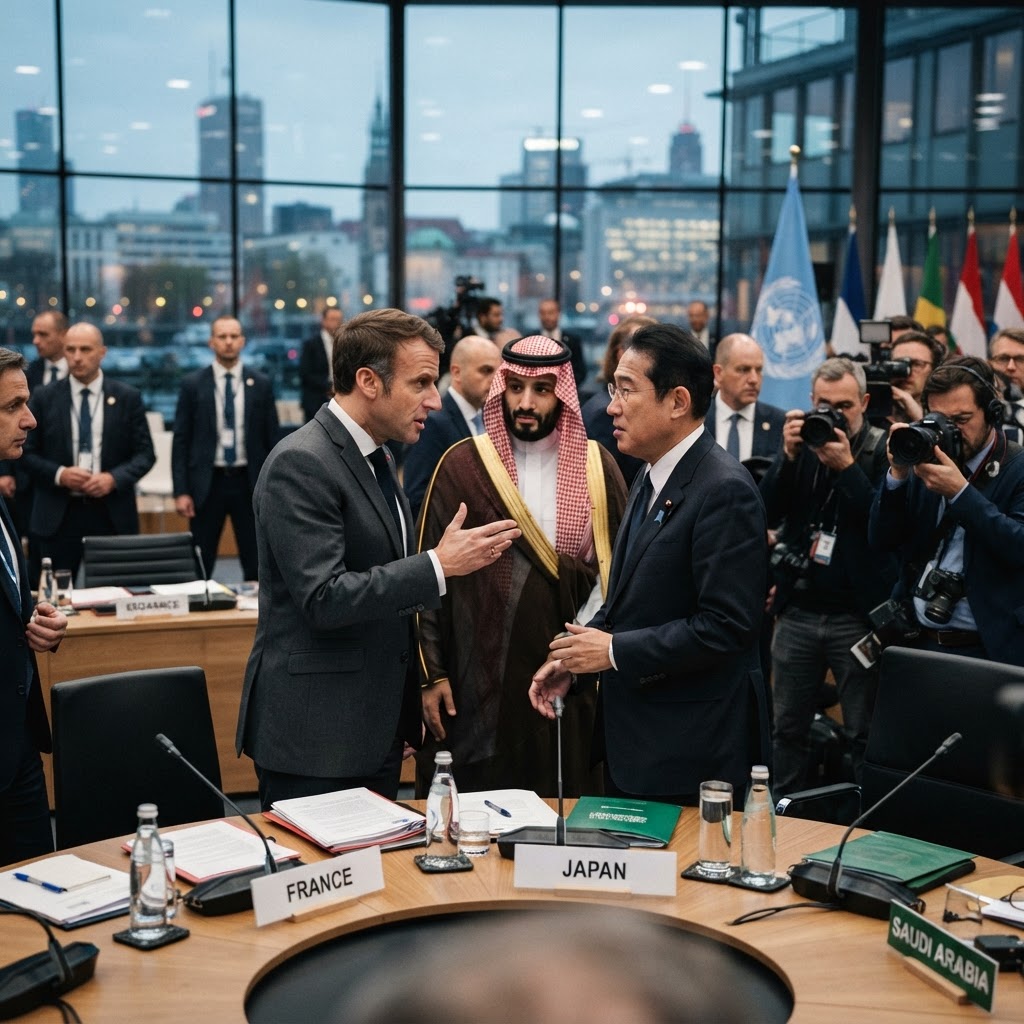
Diplomatic Realignments and Security Fractures: Global Politics Navigates High-Stakes Summits and Geopolitical Friction
As international leaders reconvene for vital summits amid shifting security alliances and economic strain, high-stakes diplomacy tests transatlantic ties and domestic political stability across major capitals.