A Dual Front in Global Health: Chronic Disease Surges as Outbreak Responses and Gene Therapies Advance
Recent data from international health authorities reveal a decisive shift toward noncommunicable diseases and metabolic disorders, even as clinicians make unprecedented strides in genetic medicine and combat recurring viral outbreaks.

The Shifting Global Burden of Disease
In a comprehensive update on international wellbeing, the World Health Organization released new health estimates indicating that while life expectancy across the globe has rebounded to near pre-pandemic baselines, healthcare infrastructures face a profound transformation in disease patterns. Noncommunicable conditions, led by type 2 diabetes, dementia, mental health challenges, and metabolic disorders, now account for the dominant share of global morbidity and mortality. Public health systems are finding themselves forced to adapt rapidly, shifting priorities from acute epidemic readiness to long-term preventative care and chronic symptom management.
Breakthroughs in Metabolic and Genetic Therapies
Meeting this rising burden of metabolic illness, pharmaceutical and biomedical researchers have reported promising clinical trial results for next-generation multiagonist compounds, including experimental incretin mimetics designed to target multiple hormonal pathways simultaneously. Therapies such as retatrutide have shown significant efficacy in driving substantial weight reduction and glycemic control in individuals with severe obesity and type 2 diabetes, heralding an era where chronic conditions can be managed with far greater biochemical precision.
Parallel advancements in genetic engineering continue to transform horizons for previously intractable rare disorders. Gene therapies utilizing precise editing tools like CRISPR are increasingly moving beyond proof-of-concept into curative treatments, demonstrating sustained relief from debilitating inherited illnesses like sickle cell disease and beta thalassemia. Academic medical institutions report that targeted, individualized gene therapies are poised to become standard interventions over the coming decade, moving clinical practice from palliative interventions to definitive genetic corrections.
Persistent Infectious Threats and Containment Vigilance
Despite the long-term tilt toward chronic disease management, public health agencies remain tested by acute viral threats. Epidemiologists from the U.S. Centers for Disease Control and Prevention and international field teams continue containment efforts against emerging outbreaks, including localized transmissions of Ebola virus variants in Central Africa. Health officials emphasize that while therapeutic and preventative toolkits have significantly matured, robust surveillance networks, equitable vaccine access, and prompt regional response protocols remain indispensable to preventing regional flare-ups from expanding into wider emergencies.
Building Resilient and Integrated Care Systems
The convergence of cutting-edge molecular therapies and surging chronic conditions underscores an urgent imperative for global health governance: expanding access to high-tier medical advancements while reinforcing primary frontline care. Medical leaders stress that without concerted policy efforts to bridge disparities in drug distribution and clinical training, the gap between high-income nations benefiting from curative gene technologies and underserved regions bearing the weight of both chronic illnesses and infectious threats will only widen.
Recommended for you
Similar to “Global Health”
A Turning Point for Global Health: Longevity Rebounds Amid Chronic Disease Surges and Next-Gen Therapies
Recent data from the World Health Organization shows global life expectancy rebounding near pre-pandemic levels, even as health systems confront an escalating burden of noncommunicable diseases and race to deploy next-generation metabolic and cellular therapeutics.
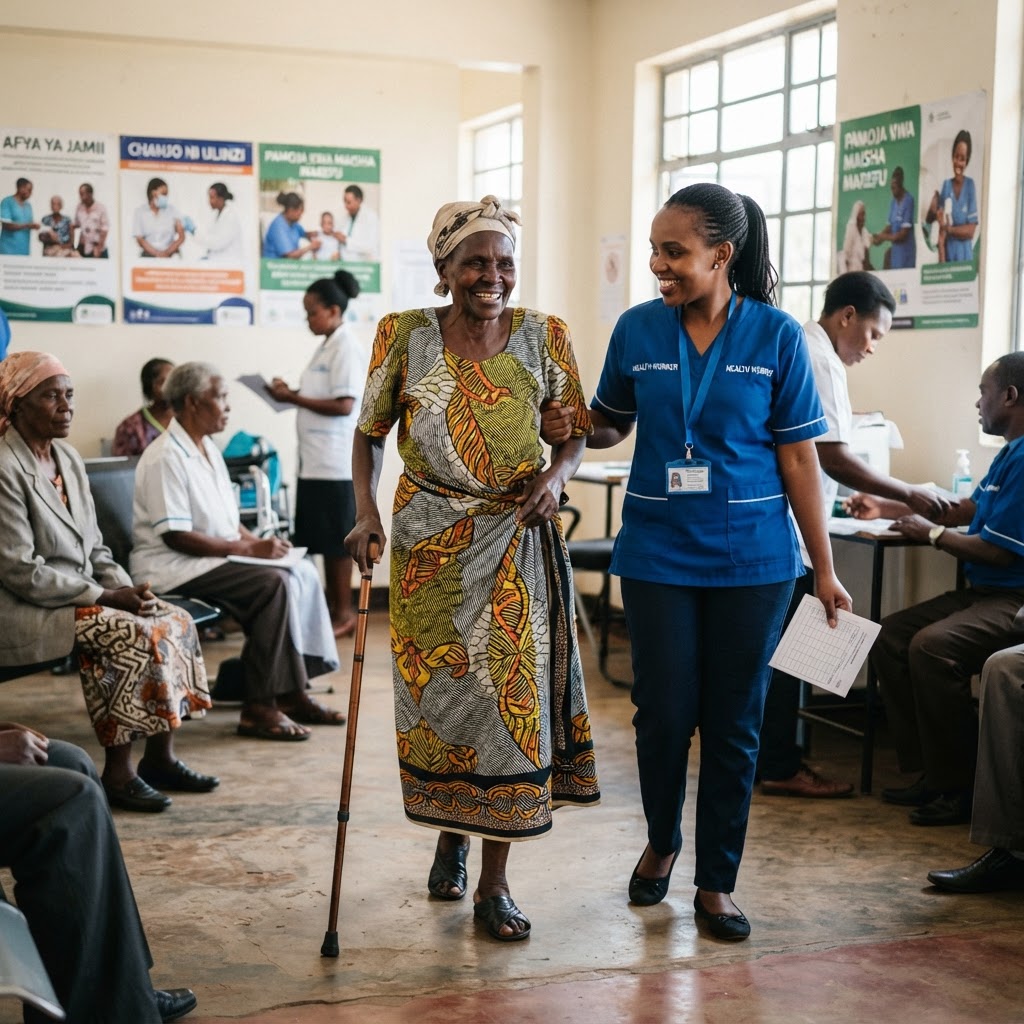
A Turning Point for Global Health: Longevity Rebounds Amid Chronic Burdens and Epidemic Vulnerabilities
Recent data from international health authorities reveal a post-pandemic rebound in life expectancy alongside rising noncommunicable diseases and active containment efforts against localized outbreaks.
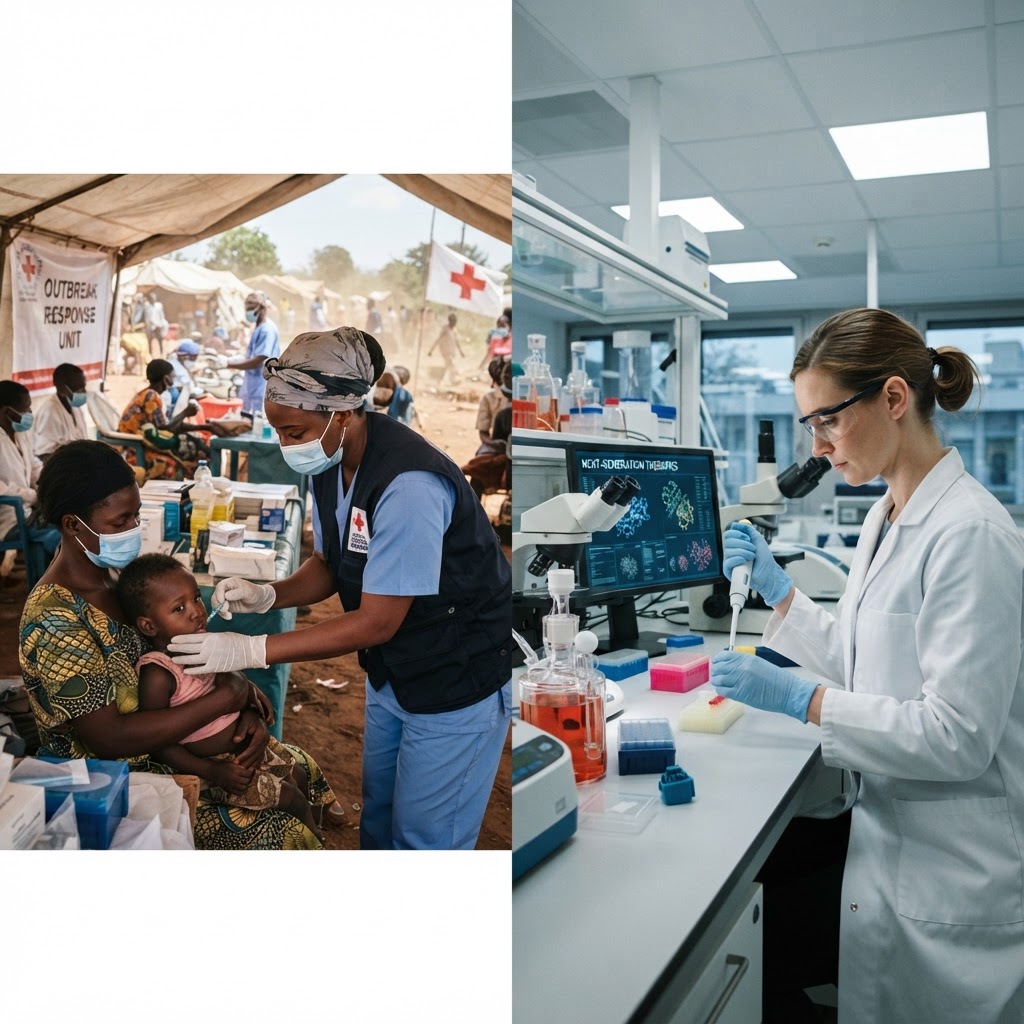
Frontlines and Frontiers: Global Health Navigates Outbreak Surges and Next-Generation Therapies
International health bodies are confronting alarming escalations in infectious disease outbreaks while clinical medicine reaches major milestones in synthetic biology, cancer detection, and metabolic care.