Frontlines and Frontiers: Global Health Navigates Outbreak Surges and Next-Generation Therapies
International health bodies are confronting alarming escalations in infectious disease outbreaks while clinical medicine reaches major milestones in synthetic biology, cancer detection, and metabolic care.
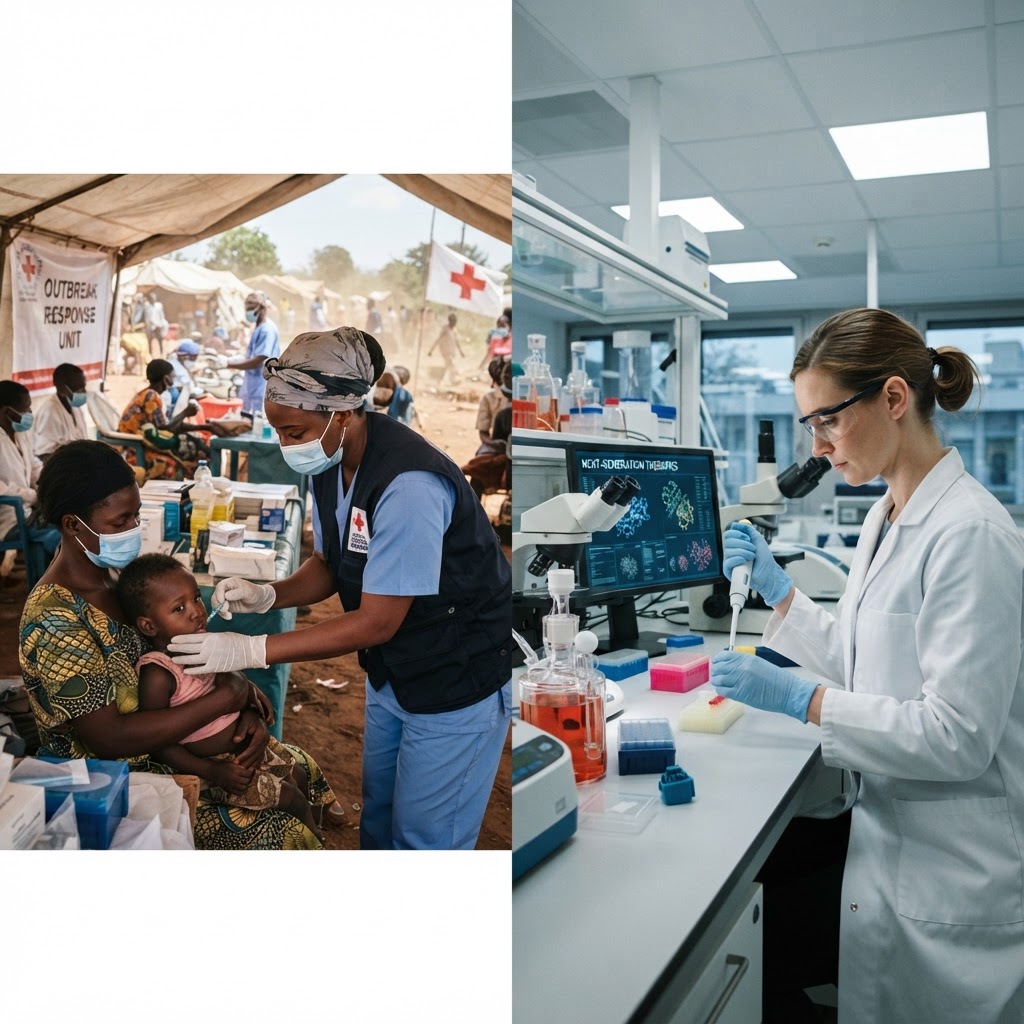
Rising Threats and Resurgent Pathogens
The global public health arena is facing intensified strain as health authorities confront widespread outbreaks of preventable and life-threatening infections. In central Africa, the Democratic Republic of the Congo continues to grapple with a deteriorating Ebola crisis, with caseloads reaching severe thresholds that have spurred emergency response teams to deploy additional resources. Recognizing the urgency, the World Health Organization has greenlit trials for two new candidate Ebola vaccines, aiming to reinforce outbreak response mechanisms and bolster immunity in severely impacted zones.
Simultaneously, vaccine-preventable illnesses are resurfacing across high- and middle-income regions. In the United States, pediatric health officials have sounded alarms over climbing measles cases, with fatal complications and severe transmissions renewing discussions surrounding routine immunization protocols. Interestingly, severe community outbreaks have prompted unexpected shifts in vaccination uptake, including among traditionally hesitant populations such as certain Amish communities in Pennsylvania, underscoring how immediate epidemiological risk can reframe public health decisions. In a parallel concern, pediatricians are reporting a spike in avoidable infant bleeding disorders driven by parental refusals of routine newborn vitamin K prophylaxis.
Frontier Medicine: Synthetic Biology and AI-Designed Treatments
While frontline responders manage infectious threats, modern laboratory research is demonstrating landmark progress in precision medicine and biotechnology. In what researchers have hailed as a historic milestone, a patient suffering from a treatment-resistant bacterial infection was recently injected with an artificial intelligence-designed synthetic virus. This therapeutic breakthrough leverages custom bacteriophages engineered through machine learning models to neutralize stubborn superbugs that shrug off traditional antibiotics, pointing toward a transformative path against antimicrobial resistance.
Cancer diagnostics are likewise moving into broader clinical implementation. The UK National Health Service has launched a large-scale clinical evaluation testing a non-invasive multi-cancer blood panel capable of detecting up to twelve distinct forms of malignant disease. Target participants include individuals displaying ambiguous early symptoms such as chronic abdominal discomfort or persistent bloating. By identifying tumor-derived biomarkers in routine blood samples, clinicians hope to diagnose difficult-to-detect cancers before they reach metastatic stages.
Metabolic Health and Preventive Interventions
Chronic conditions and metabolic disease remain at the center of ongoing therapeutic innovation. In the wake of booming interest in GLP-1 receptor agonists, clinical trials have shown that next-generation pharmacological agents continue to demonstrate superior efficacy in reversing prediabetes and regulating blood glucose compared to older standard regimens. Meanwhile, non-pharmacological interventions are yielding equally compelling results: recent dietary and lifestyle intervention studies among young adults with early type 2 diabetes revealed that targeted exercise and nutritional shifts led to disease remission in over half of participants within six months.
Cardiovascular prevention is also gaining momentum through population-level strategies. Epidemiologists emphasize that widespread adoption of potassium-enriched salt substitutes could substantially reduce global hypertension-related mortality by addressing chronic sodium overconsumption. At the intersection of technology, proactive public health policies, and cutting-edge biotechnology, the latest developments highlight a dual reality: overcoming basic gaps in health delivery while rapidly rewriting the rulebook for advanced medical science.
Recommended for you
Similar to “Global Health”
Frontiers in Global Medicine: Tackling Emerging Outbreaks, Metabolic Threats, and Epidemic Preparedness
Recent international health updates spotlight concerted actions against infectious disease outbreaks, innovative strategies for epidemic surveillance, and major scientific insights into chronic metabolic disorders.

A Dual Front in Global Health: Chronic Disease Surges as Outbreak Responses and Gene Therapies Advance
Recent data from international health authorities reveal a decisive shift toward noncommunicable diseases and metabolic disorders, even as clinicians make unprecedented strides in genetic medicine and combat recurring viral outbreaks.
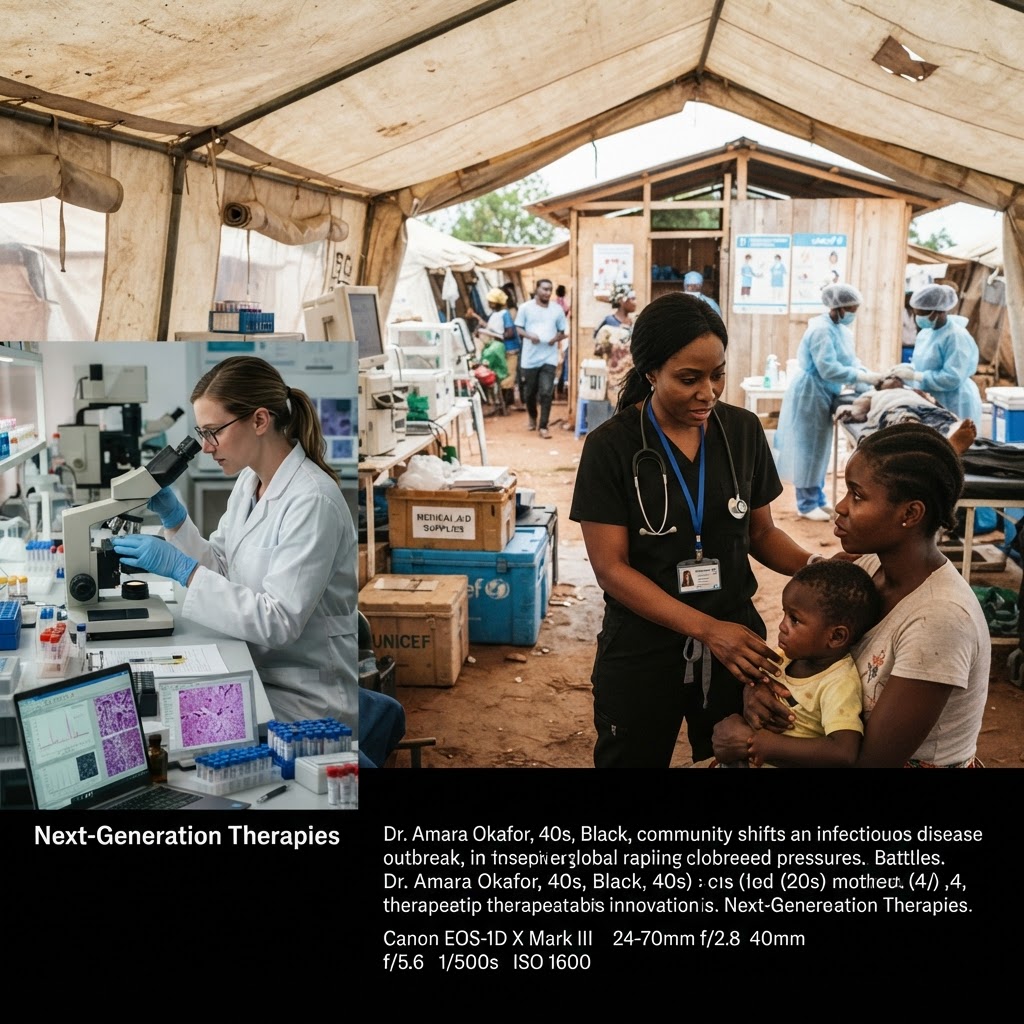
Global Health at a Critical Crossroads: Outbreak Pressures, Financing Shifts, and Next-Generation Therapies
As infectious outbreaks like Ebola test fragile containment frameworks and prompt renewed calls for a global pandemic treaty, breakthroughs in long-acting therapeutics and precision medicine face growing delivery and financing hurdles.