Global Diplomacy Strained as Energy Pacts, Weapon Shortages, and Political Fractures Reshape World Order
Recent diplomatic realignments, shifting energy agreements between major powers, and escalating regional tensions across Eastern Europe, the Middle East, and Asia are testing long-standing geopolitical alliances.
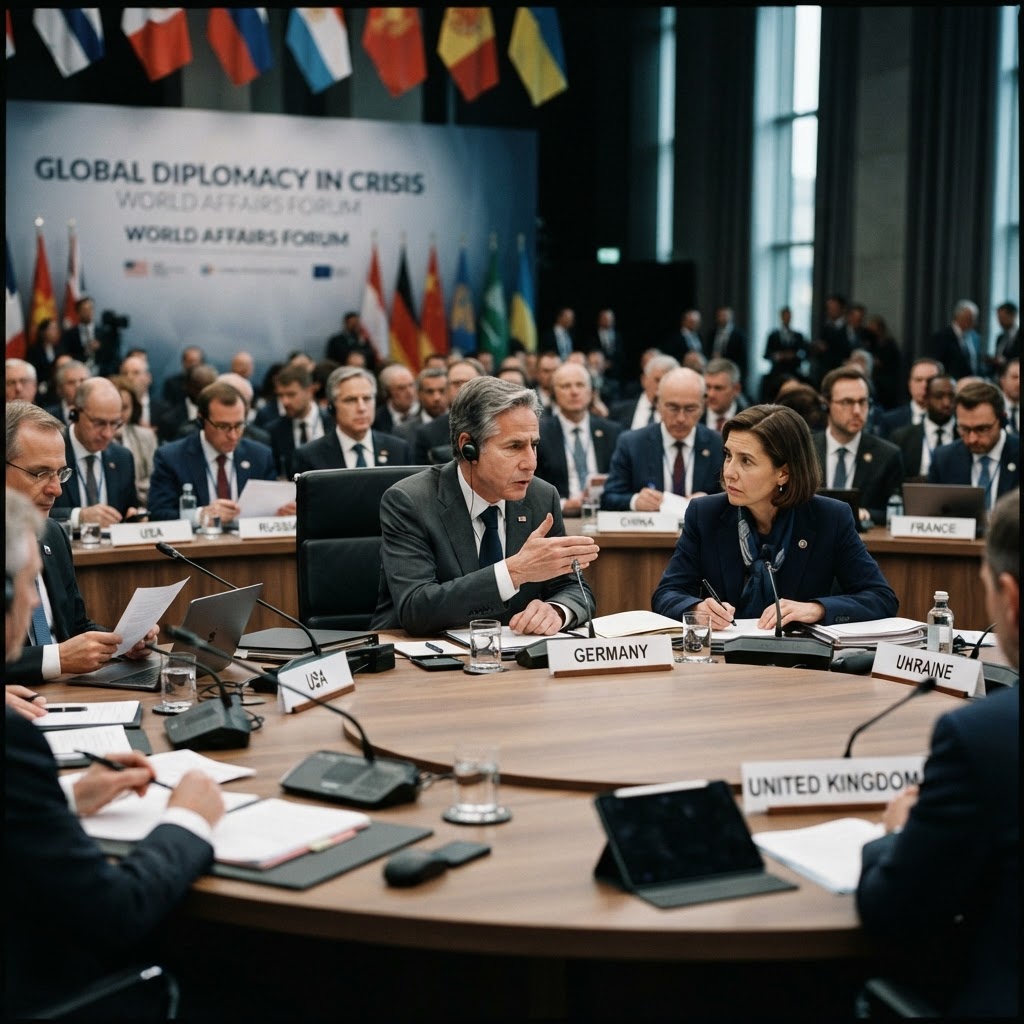
A Rapidly Shifting Diplomatic Landscape
The global geopolitical balance has entered a period of pronounced unpredictability, marked by tactical realignments and intense security challenges across multiple continents. International diplomacy is currently navigating the ripples of unilateral negotiations, mounting defense shortages, and volatile economic maneuvers that challenge existing multilateral frameworks.
Transatlantic Strains and the War in Eastern Europe
In Eastern Europe, the conflict between Russia and Ukraine has reached a delicate diplomatic juncture. Strains have emerged between Kyiv and Washington following controversial bilateral energy arrangements that saw selective sanctions relief exchanged for broader diesel and oil supply releases onto the open market. Ukrainian leadership has expressed deep alarm over the measures, warning that concessions risk undermining coordinated economic pressure against Moscow while Russian missile strikes continue to target civilian infrastructure.
Compounding political friction is an increasingly precarious defense environment. Key Ukrainian defenses have faced acute supply crunches, notably regarding advanced anti-air capabilities and interceptor stockpiles, heightening vulnerabilities against aerial bombardment. In response to fluctuating political backing in Washington, Ukrainian diplomats have rapidly intensified outreach across European capitals, urging continental allies to bridge military aid deficits and reinforce security guarantees independently.
Simmering Conflict Across the Middle East
Instability across the Middle East remains at a critical threshold. In the Gulf region, renewed clashes involving regional coalitions and insurgent forces have re-emerged as a major threat to trade corridors and civilian centers. Aerial incursions and drone barrages targeting strategic facilities, including critical transit hubs around Riyadh, underscore how fragile ceasefire agreements remain in neighboring theaters such as Yemen.
Simultaneously, broader peace initiatives across the Levant remain fraught with friction. Despite international diplomatic frameworks aimed at stabilizing conflict zones and brokering lasting armistices, localized strikes persist and disarmament mechanisms remain largely unfulfilled. Regional powers continue to balance defensive preparedness with the urgent need to keep maritime commerce and vital waterways open amidst recurring security hazards.
Domestic Polarization Challenges European Governance
Internal political pressures within leading Western democracies are further complicating international consensus. In Germany, mainstream political parties are grappling with systemic stress as traditional firewalls against populist and far-right factions show signs of erosion. Institutional leaders have warned that shifting voting patterns and legislative coordination with non-traditional blocs could fundamentally reshape Berlin’s long-standing foreign policy doctrines, particularly regarding European integration and unified defense spending.
Economic Interventions and Civil Unrest in Asia
Economic headwinds and domestic frictions are driving policy adjustments across Asia. Major emerging economies are contending with volatile foreign exchange environments. In India, fiscal and monetary authorities have initiated stringent currency-defense measures to curb dollar demand and safeguard national reserves against capital flight, reflecting the turbulent effects of global trade shocks.
At the same time, youth-led political movements and civil demonstrations have disrupted political normalcy in major metropolitan centers, challenging established electoral mechanisms and prompting severe administrative clampdowns. Further east, strategic ambiguity surrounding the Taiwan Strait continues to fuel intense debate among defense analysts, who caution that mixed signals and sporadic defense pipeline schedules could destabilize deterrence across the Indo-Pacific.
Conclusion: An Era of Fluid Alliances
As the international community confronts intersecting challenges—ranging from energy security compromises to localized warfare and shifting political centers of gravity—the architecture of post-Cold War diplomacy is facing its most rigorous test in decades. The coming months will likely determine whether regional coalitions can maintain coherence or if fragmentation will redefine global governance for years to come.
Recommended for you
Similar to “World Affairs”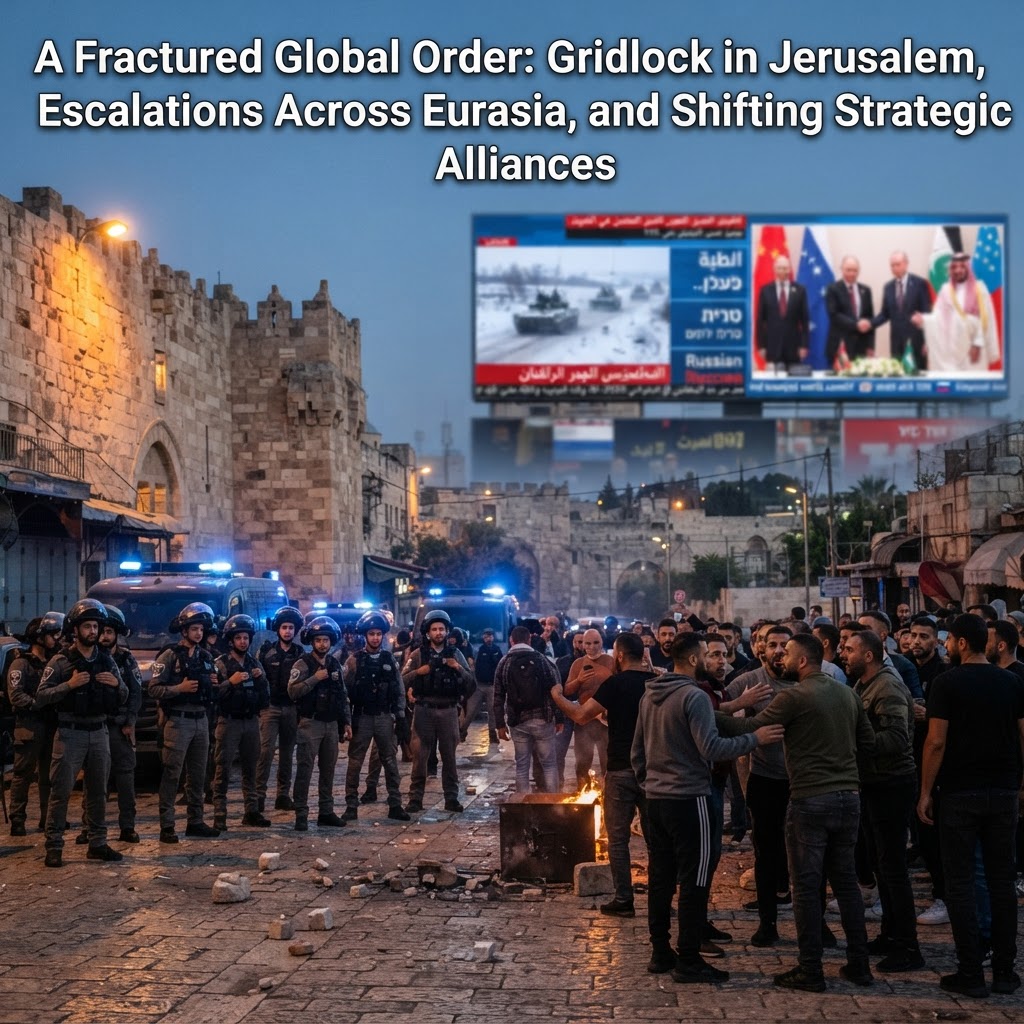
A Fractured Global Order: Gridlock in Jerusalem, Escalations Across Eurasia, and Shifting Strategic Alliances
Recent diplomatic maneuvers and electoral stalemates across the Middle East, Eastern Europe, and Latin America underscore a deeply fragmented geopolitical landscape marked by parliamentary paralysis and regional realignments.
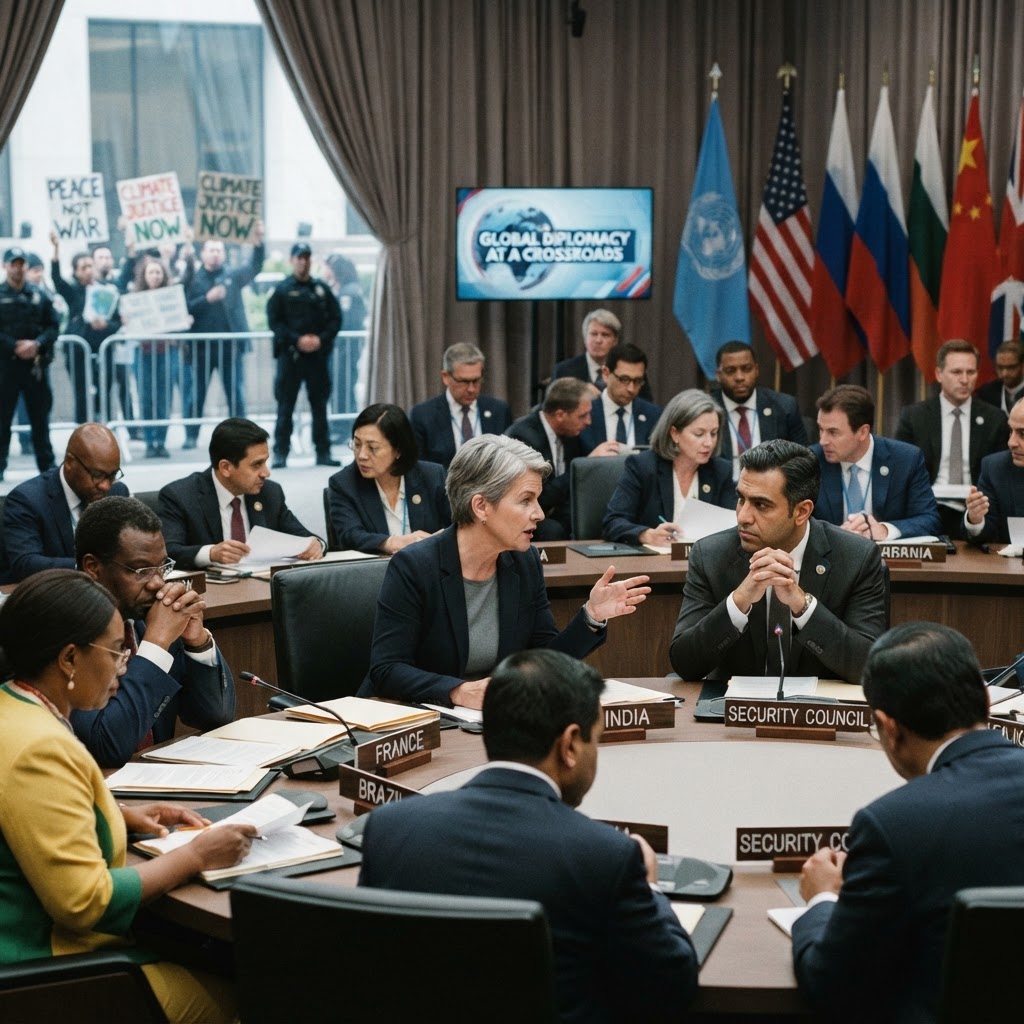
Global Diplomacy at a Crossroads: Security Crises, Shifting Alliances, and Civil Dissent Reshape International Politics
From escalated friction in the Middle East and Eastern Europe to dramatic political demonstrations in Asia, the international order is confronting a critical wave of systemic tests. As middle powers adapt to evolving multipolarity, multilateral frameworks and state institutions face intense pressure worldwide.
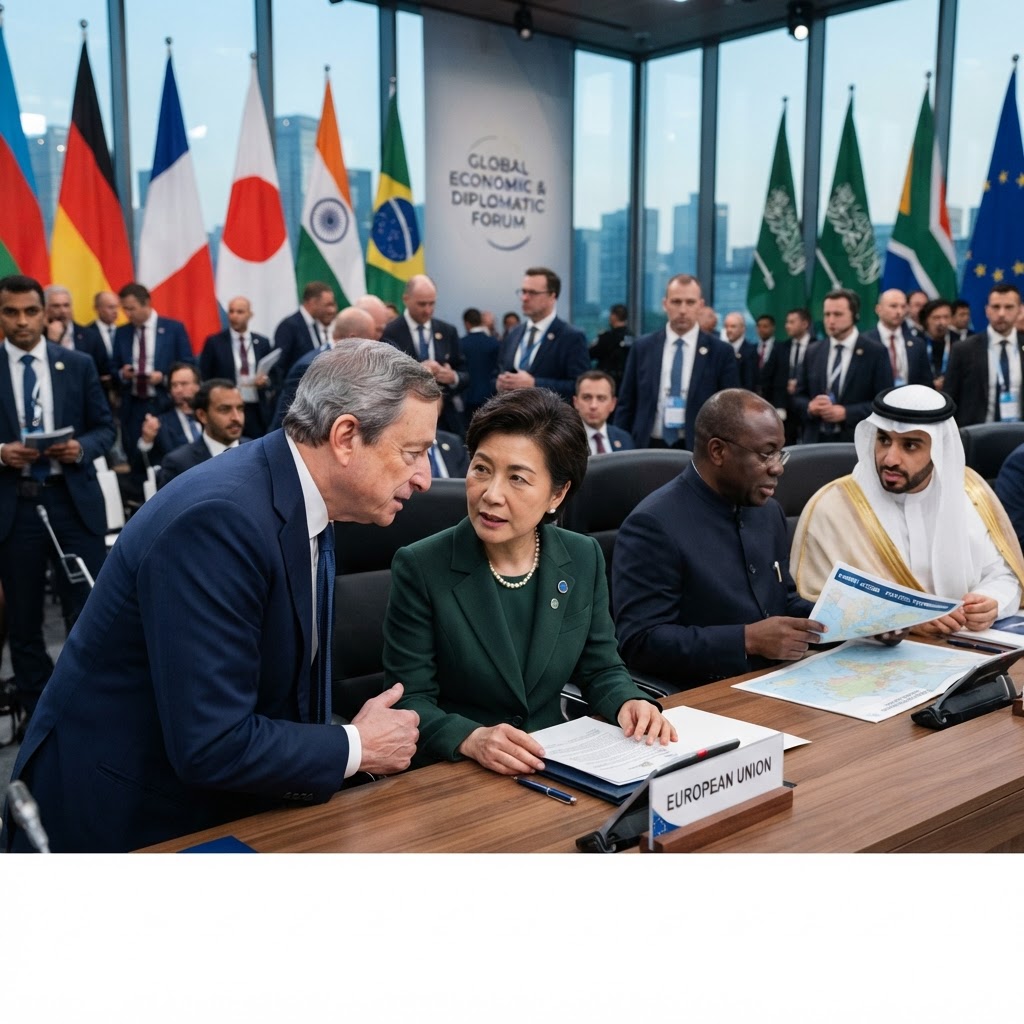
Diplomatic Realignments and Shifting Frontlines: How Energy Deals and Economic Tailwinds Are Reshaping Global Geopolitics
Recent policy reversals in Washington and escalating security friction across Eastern Europe and the Middle East highlight an increasingly fragmented international order, even as technology investment propels global trade forecasts.