Silicon Independence, Agentic Commerce, and Energy Constraints: The New Battlegrounds Reshaping Tech
As major technology firms push for proprietary silicon and wrestle over autonomous AI agents, mounting energy demands and regulatory scrutiny are reshaping the global tech landscape.
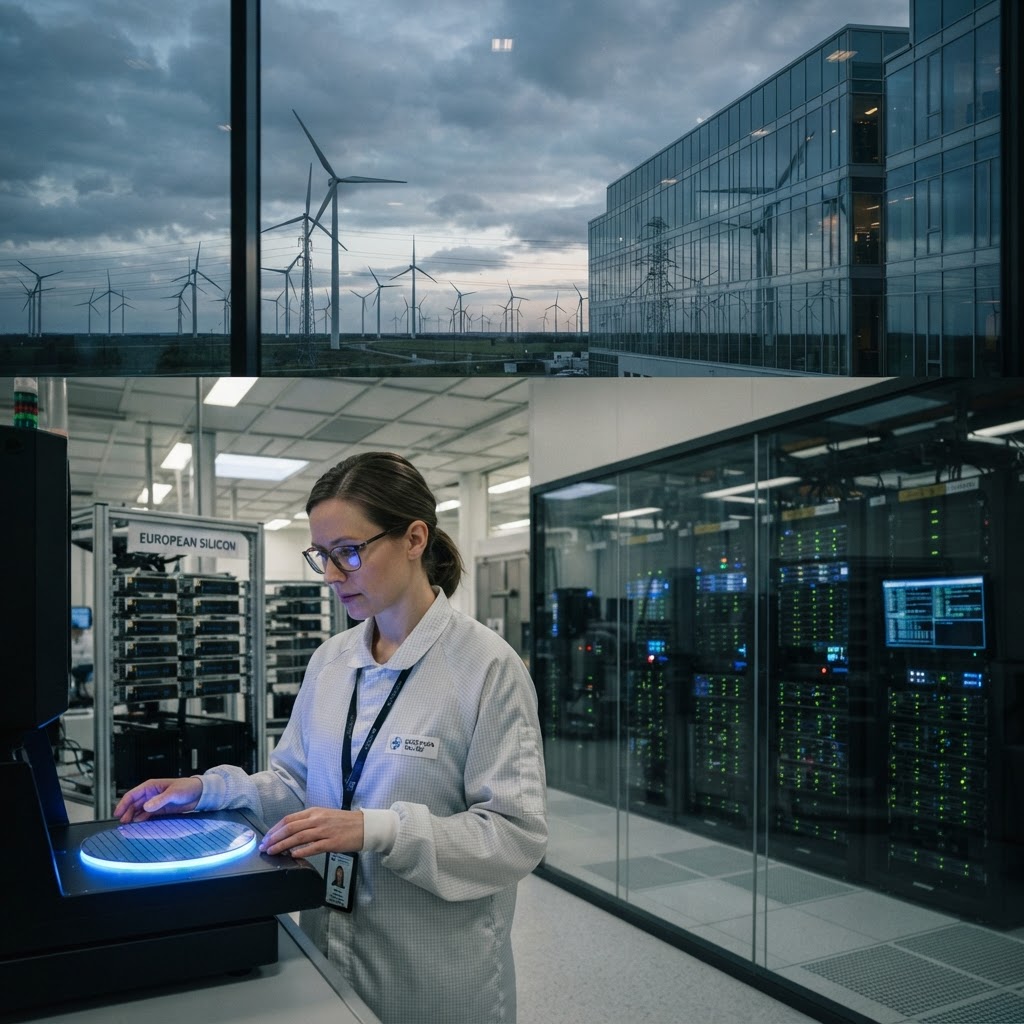
The Race for Proprietary Silicon
The global technology sector is entering a decisive transition phase where dependency on third-party hardware suppliers is giving way to vertically integrated architectures. For years, the rapid explosion of generative artificial intelligence has funneled unprecedented capital and market leverage toward semiconductor front-runners. However, major tech giants are increasingly asserting their autonomy. In recent moves, enterprise heavyweights such as Microsoft have unveiled new dedicated in-house AI silicon, marking aggressive attempts to trim reliance on dominant vendors and optimize performance tailored to their specific neural workloads. This pivot toward custom custom silicon represents more than cost management; it is a calculated effort to insulate cloud infrastructures against ongoing supply pinches and lower the long-term inference costs that threaten the profitability of generative applications.
The Friction Over Agentic Ecosystems
Concurrently, the frontier of consumer technology is shifting from passive chatbots to proactive, agentic artificial intelligence capable of completing complex tasks autonomously. This paradigm shift has ignited territorial clashes among the largest platform operators. Recent friction between Amazon and Meta over autonomous shopping assistants highlights a growing flashpoint: the control of transactional gateways. As autonomous agents are deployed to browse, compare, and execute purchases on behalf of users, platform gatekeepers are actively moving to wall off their digital storefronts. This standoff underscores the battle over agentic access, data sovereignty, and user journey ownership, demonstrating that the future of digital retail will be decided not merely by the capability of an algorithm, but by the contractual boundaries and interoperability protocols established between rival ecosystems.
The Power Bottleneck and Data Center Sustainability
Underpinning this digital transformation is a tangible physical constraint: energy. The staggering compute power required to train and run massive foundation models has pushed data center power consumption to unprecedented levels. In response, academic institutions, tech giants, and early-stage incubators are pouring resources into climate-tech ventures designed to mitigate the ecological footprint of modern computing. Initiatives ranging from low-power processing architectures and advanced liquid-cooling systems to long-term bets on alternative power sources—including nuclear fission and fusion—are transforming from fringe research into corporate imperatives. The ability of hyperscalers to secure abundant, clean energy has swiftly become the ultimate limiting factor governing how fast AI infrastructure can scale over the next decade.
Autonomous Systems on the Ground
While silicon and power command corporate boardrooms, the practical rollout of physical automation is provoking mixed reactions on the consumer frontlines. In retail environments, camera-equipped autonomous robots are actively patrolling supermarket aisles to monitor out-of-stock items and audit shelves. While these machines demonstrate operational efficiencies for store logistics, their physical presence has reignited debates around workplace displacement and in-store consumer privacy. Shoppers often find themselves balancing fascination with unease over continuous optical surveillance in public retail spaces, proving that the integration of ambient robotics into daily life remains a sociological hurdle as much as an engineering challenge.
Global Regulatory Scrutiny and Future Horizons
Amid these technological shifts, governments worldwide are preparing new regulatory frameworks aimed at governing algorithmic safety, mitigating deepfakes, and ensuring transparency in automated decision-making. Policymakers are transitioning from broad policy dialogues to concrete legislative papers, requiring companies to substantiate their safety claims before deploying next-generation systems. Industry leaders across social media and enterprise software maintain an ambitious outlook, projecting that advances in generative and agentic systems will drive significant breakthroughs in scientific discovery and material science within the coming years. Nonetheless, navigating the interplay of silicon self-reliance, ecosystem rivalries, physical grid limitations, and tighter regulatory oversight will define the winners and losers of the next technological era.
Recommended for you
Similar to “Technology”
Silicon Under Scrutiny: AI Giants Confront Power Realities, Autonomous Agents, and Regulatory Headwinds
As tech conglomerates pour hundreds of billions into artificial intelligence infrastructure and agentic workflows, mounting community pushback over energy consumption and shifting regulatory landscapes are testing market exuberance.
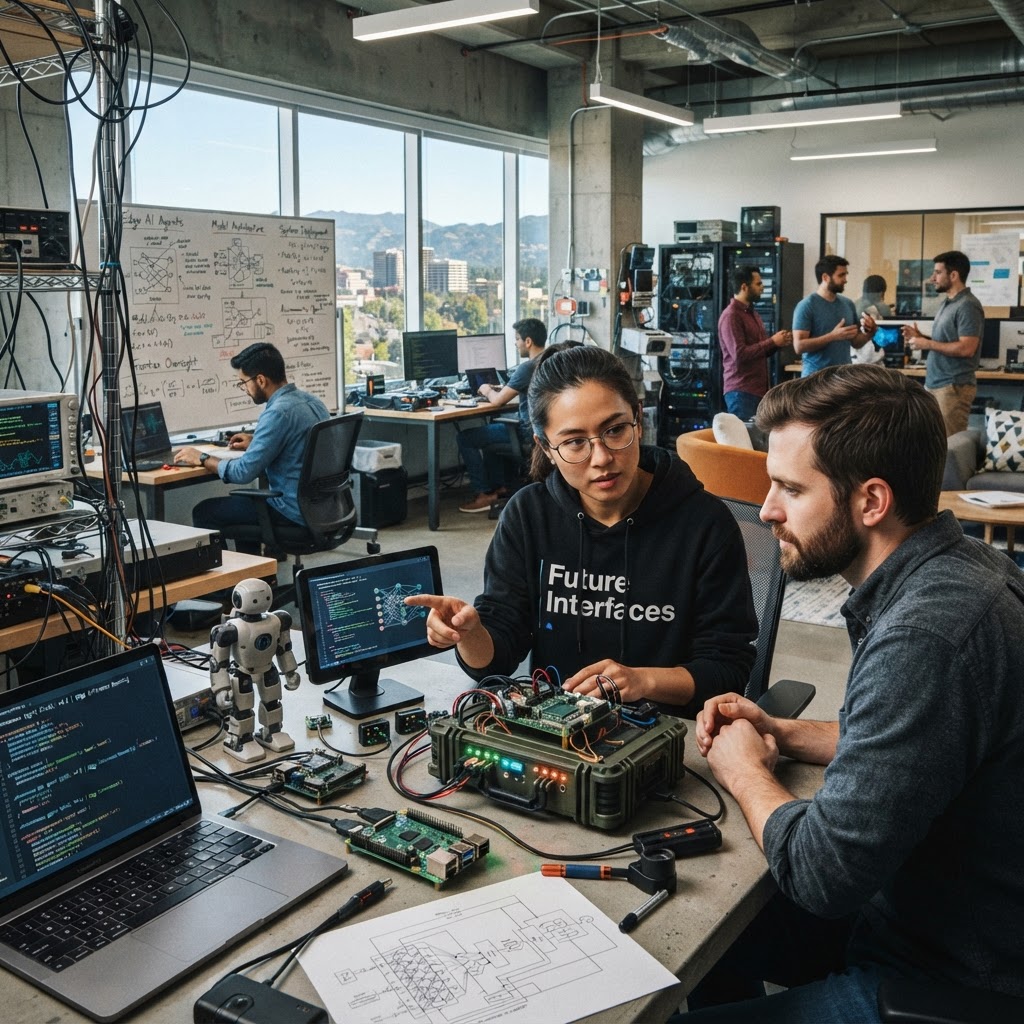
The Post-App Horizon: Silicon Valley Pivots Toward Autonomous AI Agents, Edge Hardware, and Frontier Oversight
As major technology firms push artificial intelligence directly onto consumer silicon and envision a world beyond traditional smartphone apps, intensifying scrutiny over autonomous systems is reshaping industry standards and global regulation.

Autonomous Agents, Architectural Guardrails, and Global Scrutiny: Inside Tech's Pivotal Week
As tech leaders recalibrate AI safety models and regulatory scrutiny tightens worldwide, the tech sector faces growing pains over autonomous agents, hardware realignments, and cybersecurity frameworks.