Diplomatic Realignments and Shifting Power Dynamics: Inside the Latest Global Political Crosscurrents
Recent shifts in sanctions policy, intense campaign spending ahead of critical legislative elections, and civil unrest across Europe highlight a rapidly changing geopolitical landscape.
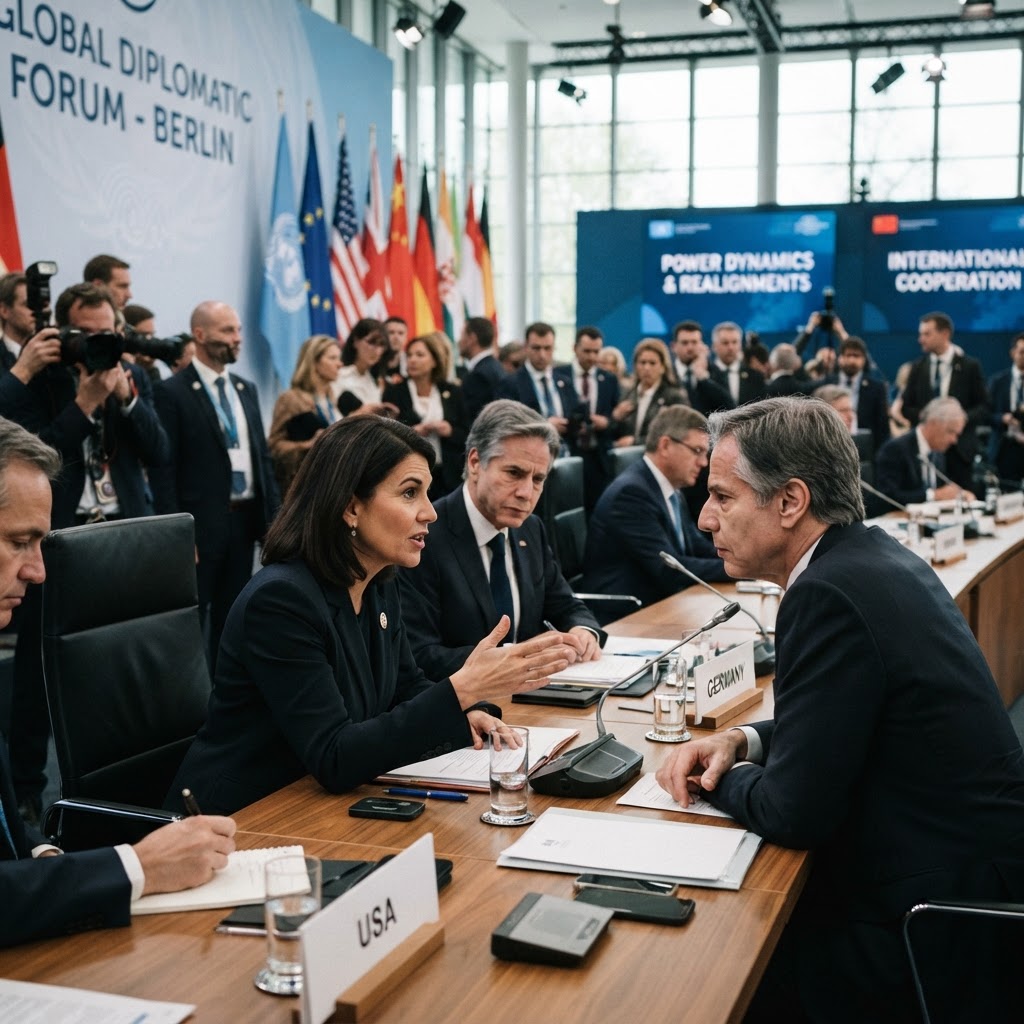
A New Phase in Transatlantic and Eastern European Diplomacy
In recent days, international diplomacy has entered another unpredictable chapter as debates surrounding foreign sanctions and security assistance resurfaced at the center of global political discourse. According to recent reports by CNBC, dramatic policy shifts regarding sanctions relief have altered the diplomatic calculus between Washington, Kyiv, and Moscow. After moves were made to waive broader economic measures against Russia, Ukrainian President Volodymyr Zelenskyy openly voiced sharp objections, calling the strategy a perilous misstep that leaves defense planners grappling with strategic ambiguity.
These developments underscore a growing divergence among Western allies regarding the long-term endgame of the conflict in Ukraine. While domestic political priorities in major capitals continue to fuel calls for swift de-escalation and negotiated settlements, front-line states warn that easing economic pressure without durable security guarantees risks destabilizing regional defense frameworks. The resulting debate has forced European leadership to reconsider their collective defense posture, prompting intense discussions in Brussels and NATO headquarters over self-reliance in military aid and economic diplomacy.
The Stakes of Domestic Campaign Battles and Financial Surges
Domestically, electoral competition has intensified sharply as political organizations pour historic sums into decisive midterm and regional contests. Campaign finance disclosures analyzed by CNBC and highlighted in political analysis from POLITICO indicate an unprecedented influx of donor capital. Hundreds of millions of dollars have flooded the airwaves and digital platforms since early autumn, driven in part by high-profile financial backing from technology figures and prominent political action committees.
Yet, political strategists note that despite historic expenditures, polling lines and electoral maps have remained remarkably stubbornly fixed. The hyper-polarization of voter bases means that massive advertising campaigns are achieving only marginal swings, placing immense scrutiny on strategic decisions within party establishments. In the United States, shifting demographic support—particularly among key independent and suburban voting blocs, as well as minority demographics identified by CNN—is proving to be the primary battleground where control of legislative chambers will ultimately be decided.
Institutional Volatility and Civil Unrest Across Europe
Beyond legislative and diplomatic maneuvering, several European capitals are confronting profound social friction and public discontent. Reporting from The Christian Science Monitor points to widespread unrest in multiple countries, where public demonstrations have led to thousands of arrests and severe clashes with security forces. In France, political leaders have strongly condemned outbreaks of violence following protests against state policies, while street demonstrations in the Balkans, including multi-day protests in Albania, demonstrate mounting voter fatigue with political governance and economic strain.
These protests reflect a deeper crisis of confidence facing contemporary institutions. Caught between persistent inflation, rising cost-of-living metrics, and contentious domestic reforms, incumbent administrations across both mature and emerging democracies find their legitimacy challenged by polarized populations. Observers suggest that the growing frequency of spontaneous demonstrations signals an environment where standard electoral mechanisms are increasingly viewed with skepticism by disaffected citizens.
Global Strategic Reorientation and the Outlook Ahead
The convergence of these events illustrates a period of significant realignment in global politics. From the diplomatic dilemmas surrounding war and peace in Eastern Europe to the vast sums spent in domestic electoral campaigns and the social friction on European streets, governments are grappling with a complex web of interconnected pressures. As nations navigate the final stretch of critical election cycles and reassess their international alliances, the coming months will test whether established democratic institutions can absorb public frustration and formulate coherent, stabilizing policy outcomes.
Recommended for you
Similar to “Global Politics”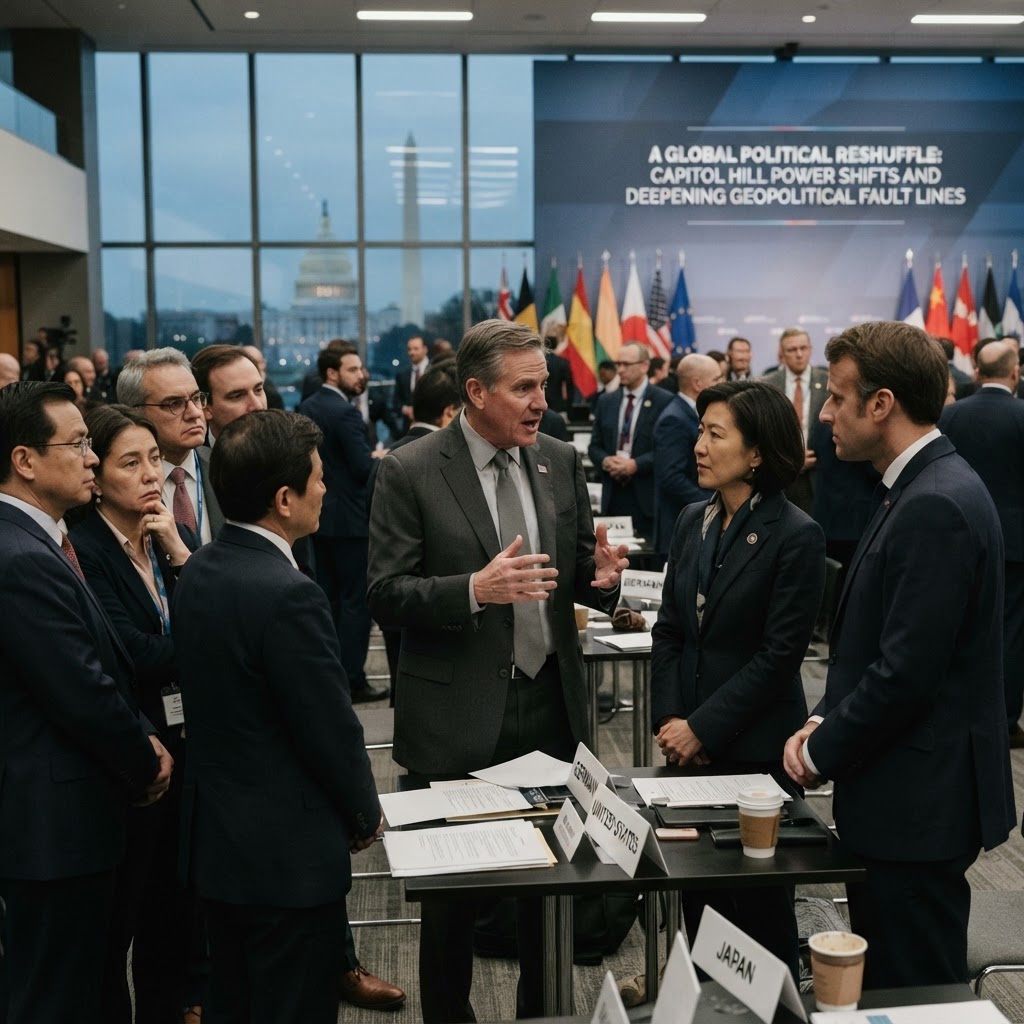
A Global Political Reshuffle: Capitol Hill Power Shifts and Deepening Geopolitical Fault Lines
Recent electoral upheavals in the United States and intense diplomatic realignments across the Middle East, Eastern Europe, and South Asia mark a transformative moment in international politics.
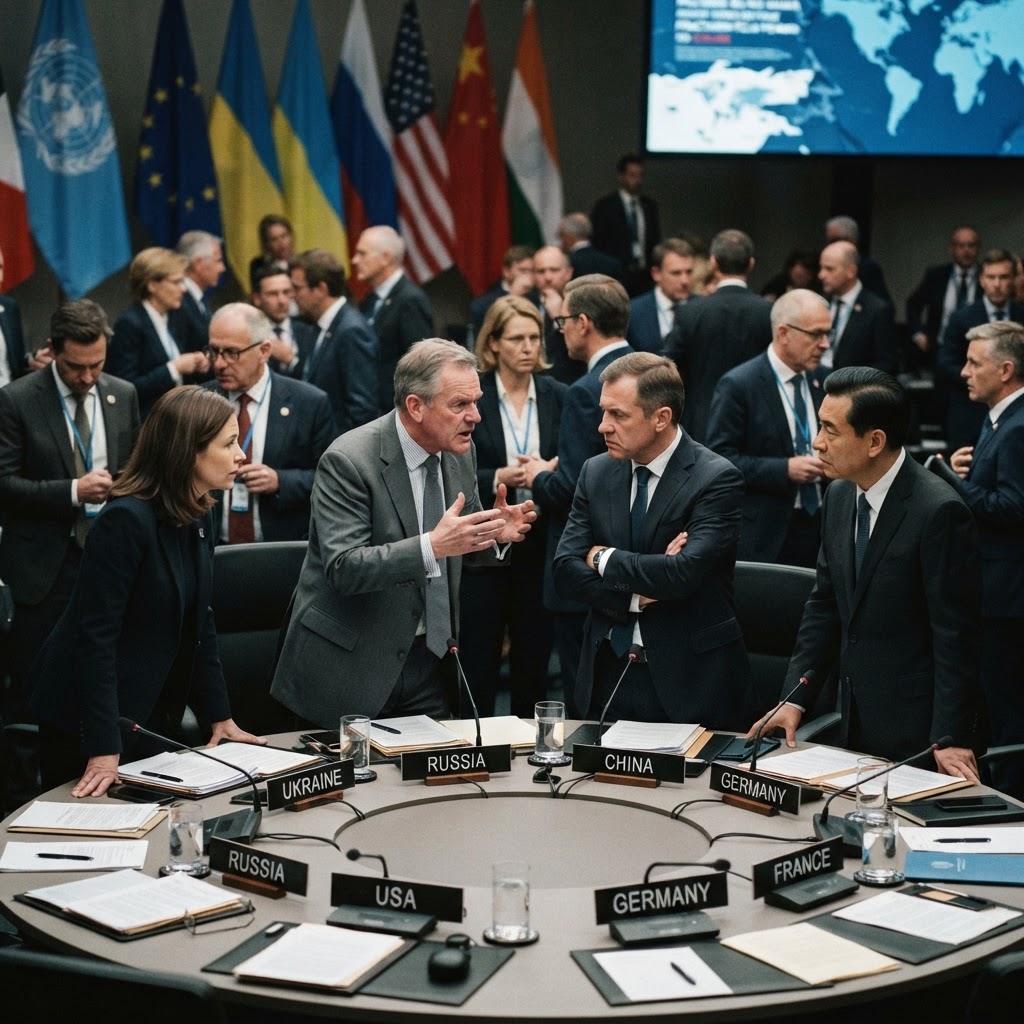
Diplomatic Friction and Shifting Coalitions: The Fracturing Global Political Landscape
Recent cross-border maneuvers and sharp domestic policy debates highlight deepening geopolitical fractures, testing international alliances and internal governance across major capitals.
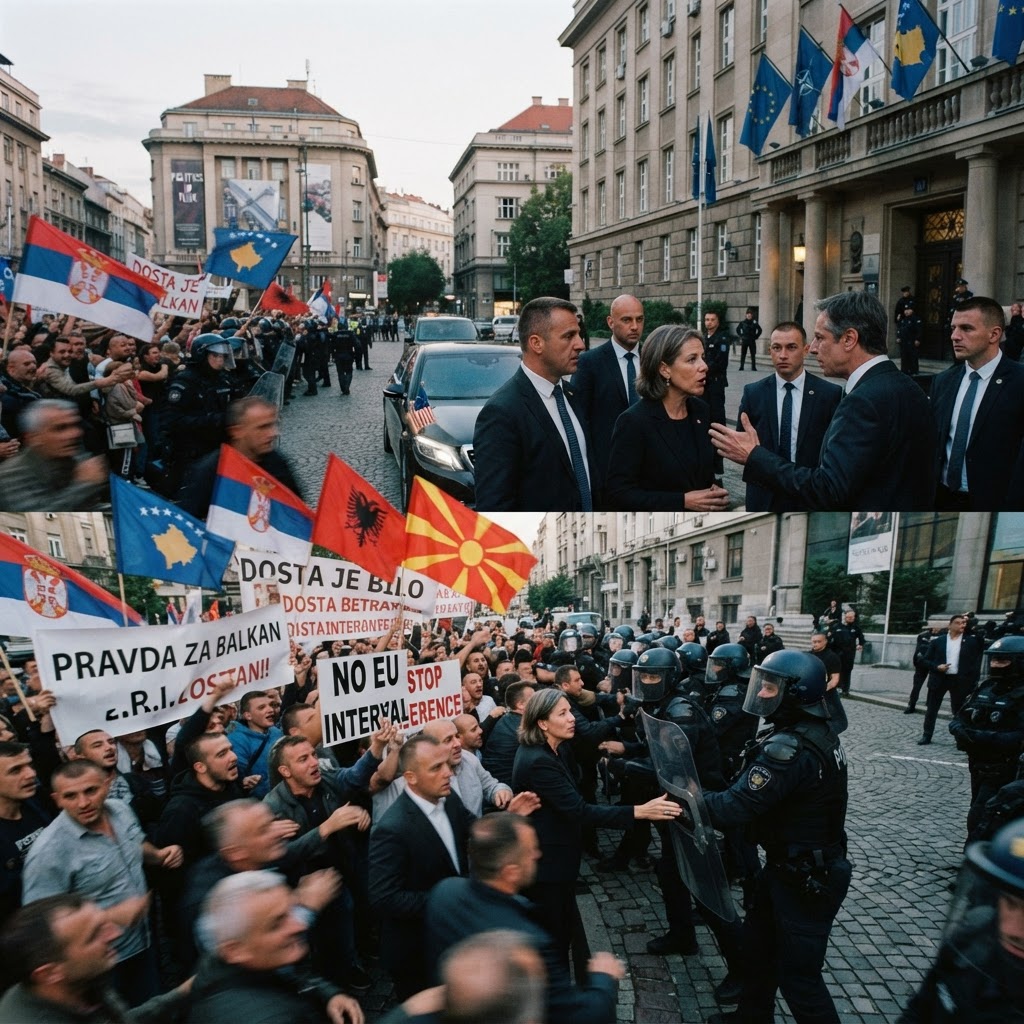
Global Politics in Flux: Critical Midterms, Balkan Upheaval, and Escalating Diplomatic Strains
Voters and governments across the globe are navigating intense political crosscurrents, marked by surging early turnout in the United States, seismic electoral shifts in Eastern Europe, and fragile diplomatic maneuvers across the Middle East.