Diplomatic Friction and Shifting Coalitions: The Fracturing Global Political Landscape
Recent cross-border maneuvers and sharp domestic policy debates highlight deepening geopolitical fractures, testing international alliances and internal governance across major capitals.
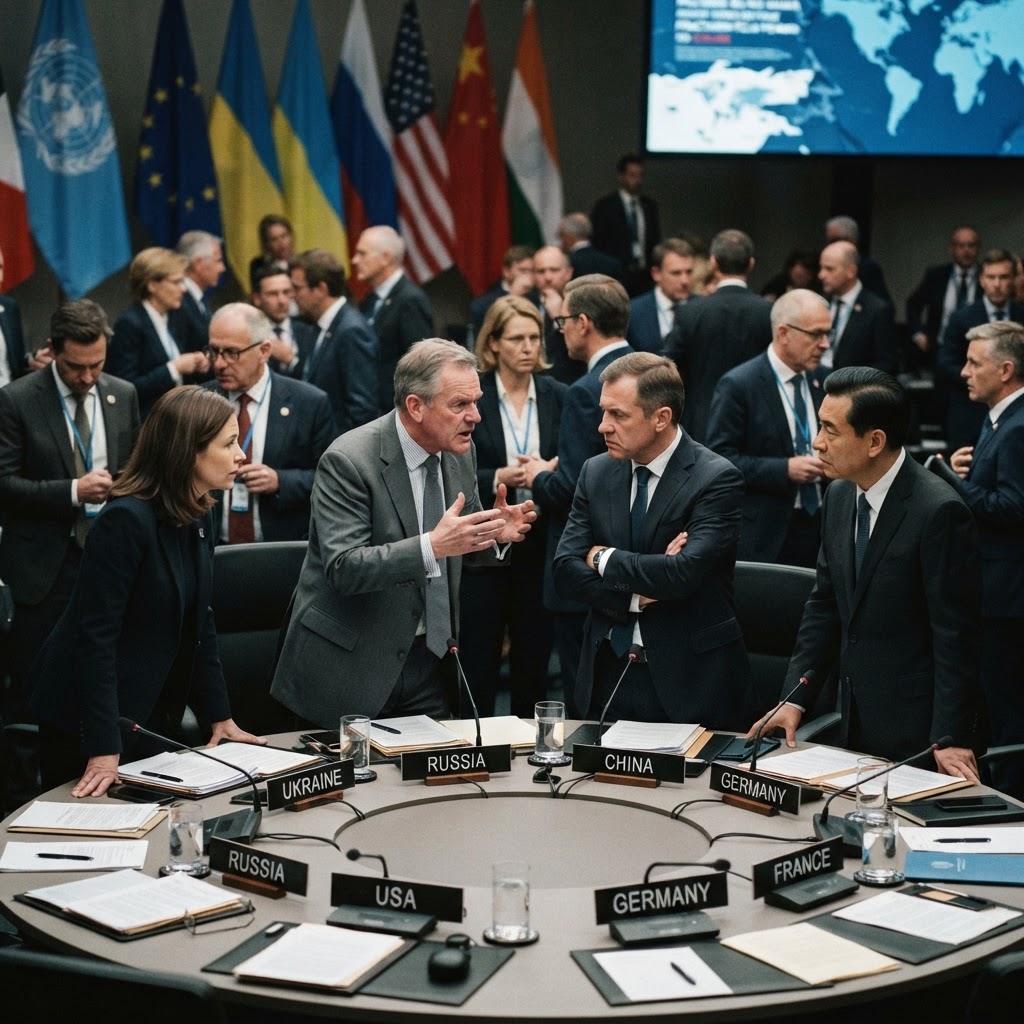
Rising Tensions Across Western Alliances and Eastern Frontiers
In recent days, the architecture of global diplomacy has shown renewed signs of strain as governments navigate shifting security concerns and volatile power dynamics. Along Europe's periphery, heightened rhetoric has underscored deep divisions between regional powers and defense coalitions. Russia's ongoing diplomatic provocations toward NATO member states—particularly in the Baltic corridor—have renewed international anxieties over strategic stability and deterrence, according to coverage by The Japan Times. As security dialogues stutter, regional partners find themselves caught between necessary military readiness and the urgent mandate to prevent accidental escalation in sensitive sea and air spaces.
The Reconfiguration of Post-Brexit Governance and European Realpolitik
Concurrently, Western European capitals continue to recalibrate their multilateral relationships in an increasingly unpredictable economic climate. In the United Kingdom, political leadership faces mounting scrutiny over fiscal discipline and public spending priorities, alongside emerging legal and administrative flashpoints abroad, as documented by The Guardian. At the same time, discussions surrounding Britain's long-term post-Brexit trade arrangements and diplomatic alignments continue to surface across European capitals. While some Continental leaders have signaled an openness to closer cooperation with London on joint defense and security strategies, the domestic hurdles and historical impasses of full economic reintegration keep cross-Channel negotiations cautious and contested.
Domestic Polarization and Washington's Evolving Strategy
Across the Atlantic, the American political stage remains marked by intense ideological friction and heightened electoral maneuvering. The contest between national party leadership and grassroots movements has amplified internal rivalries across both the Democratic and Republican organizations, reported by NBC News and POLITICO. At the administrative level, clashes persist regarding federal expenditure, the deployment of public resources, and judicial challenges over campaign ethics and executive powers, highlighted by Al Jazeera. These domestic cross-currents are directly shaping how Washington approaches key bilateral discussions, from bilateral engagements with Beijing on sensitive human rights disputes to critical trade negotiations.
Technological Espionage and the New Frontiers of Competition
Beyond traditional geopolitical and legislative disputes, modern statecraft is increasingly being dictated by competition over advanced technologies. Western intelligence bodies and parliamentary oversight committees have ramped up their scrutiny of international influence operations, warning that foreign state actors are weaponizing academic collaborations to gain access to cutting-edge artificial intelligence, semiconductor developments, and dual-use defense tech, as detailed in reports from The Japan Times. In response, national leadership is actively formulating specialized governance roles and cross-agency task forces to safeguard domestic innovation, according to reporting by Yahoo News.
Conclusion: A Complex Balancing Act for World Leaders
Whether navigating territorial flashpoints, technological competition, or bitter domestic partisanship, political leaders across the globe are confronting an era of compound crises. The coming months will test whether established diplomatic apparatuses and democratic institutions possess the institutional resilience required to foster stability amid rising ideological and structural pressures.
Recommended for you
Similar to “Global Politics”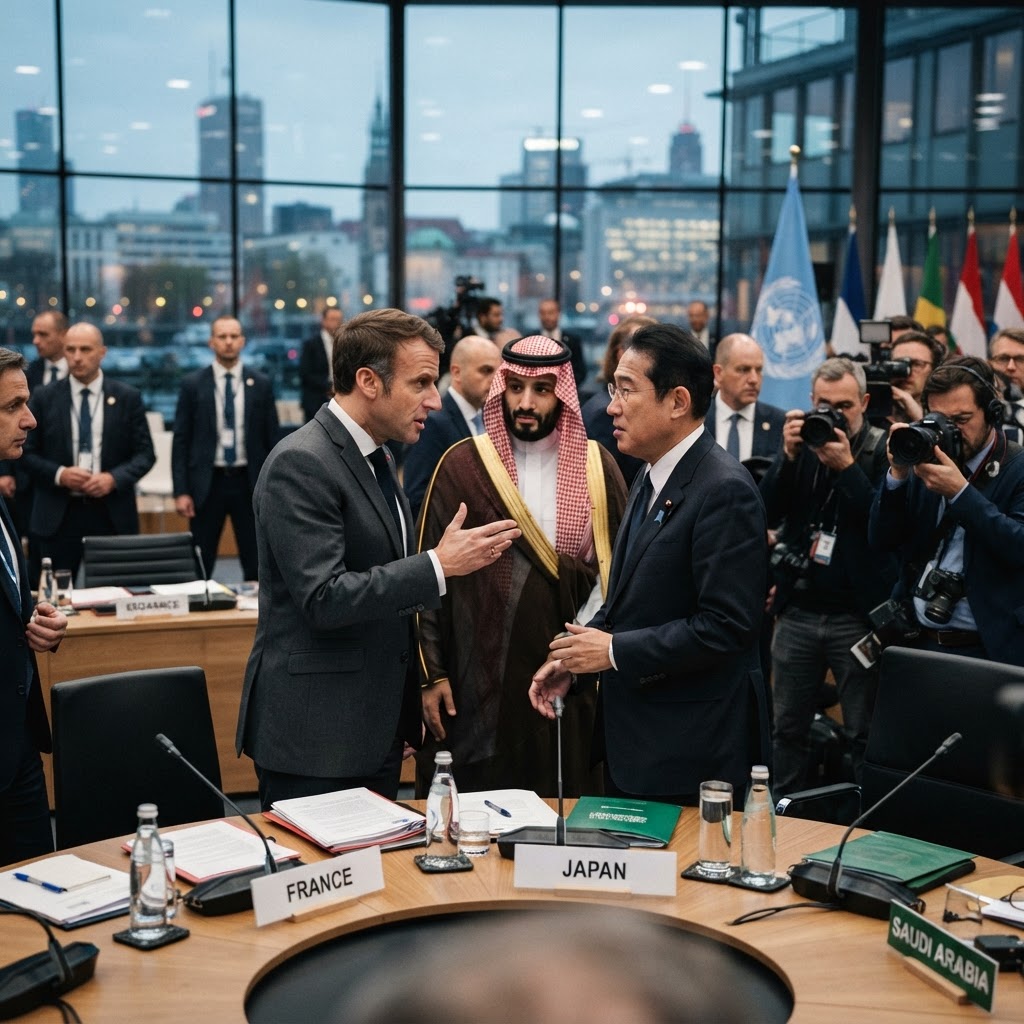
Diplomatic Realignments and Security Fractures: Global Politics Navigates High-Stakes Summits and Geopolitical Friction
As international leaders reconvene for vital summits amid shifting security alliances and economic strain, high-stakes diplomacy tests transatlantic ties and domestic political stability across major capitals.
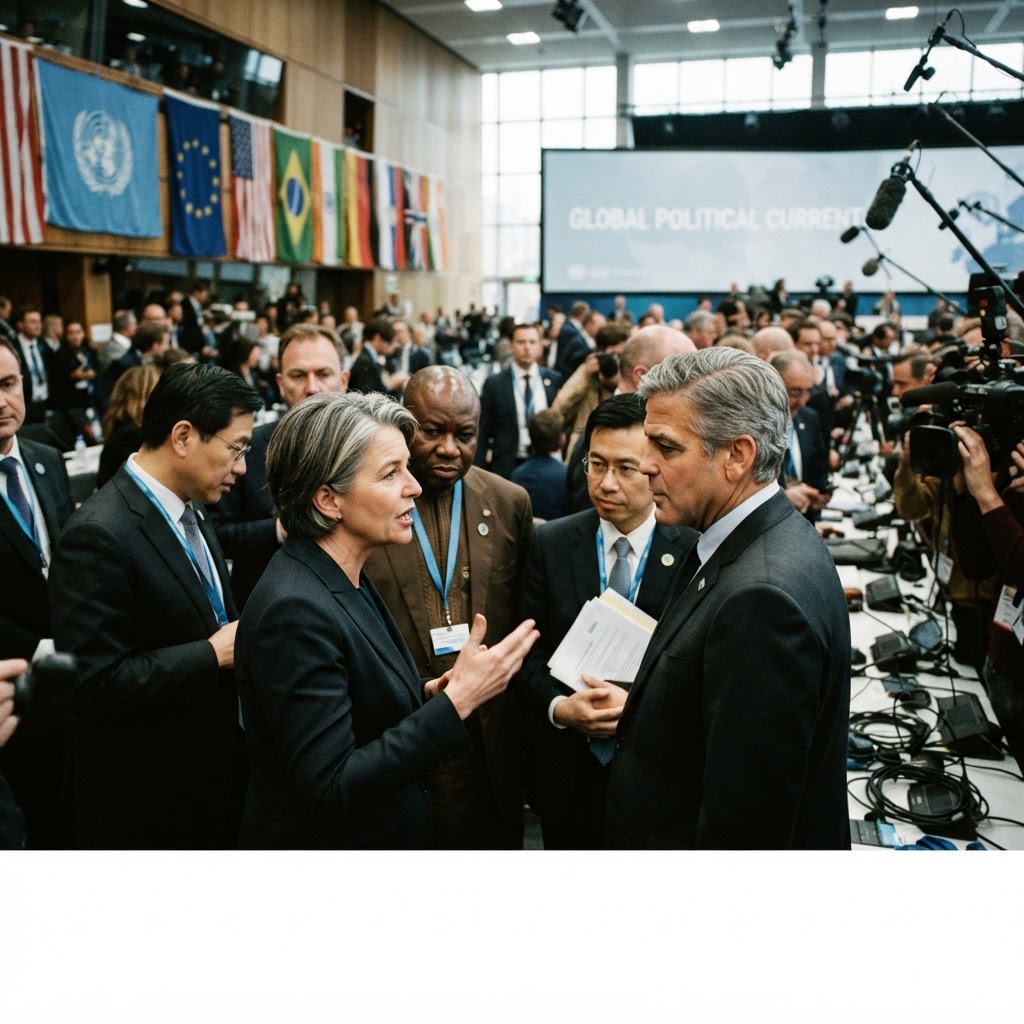
Global Political Currents: Shifting Alliances, Electoral Turbulence, and Deepening Cross-Border Realignments
Recent political developments across major capitals reflect growing polarization, contentious campaign spending, and recalibrated foreign policy agendas.
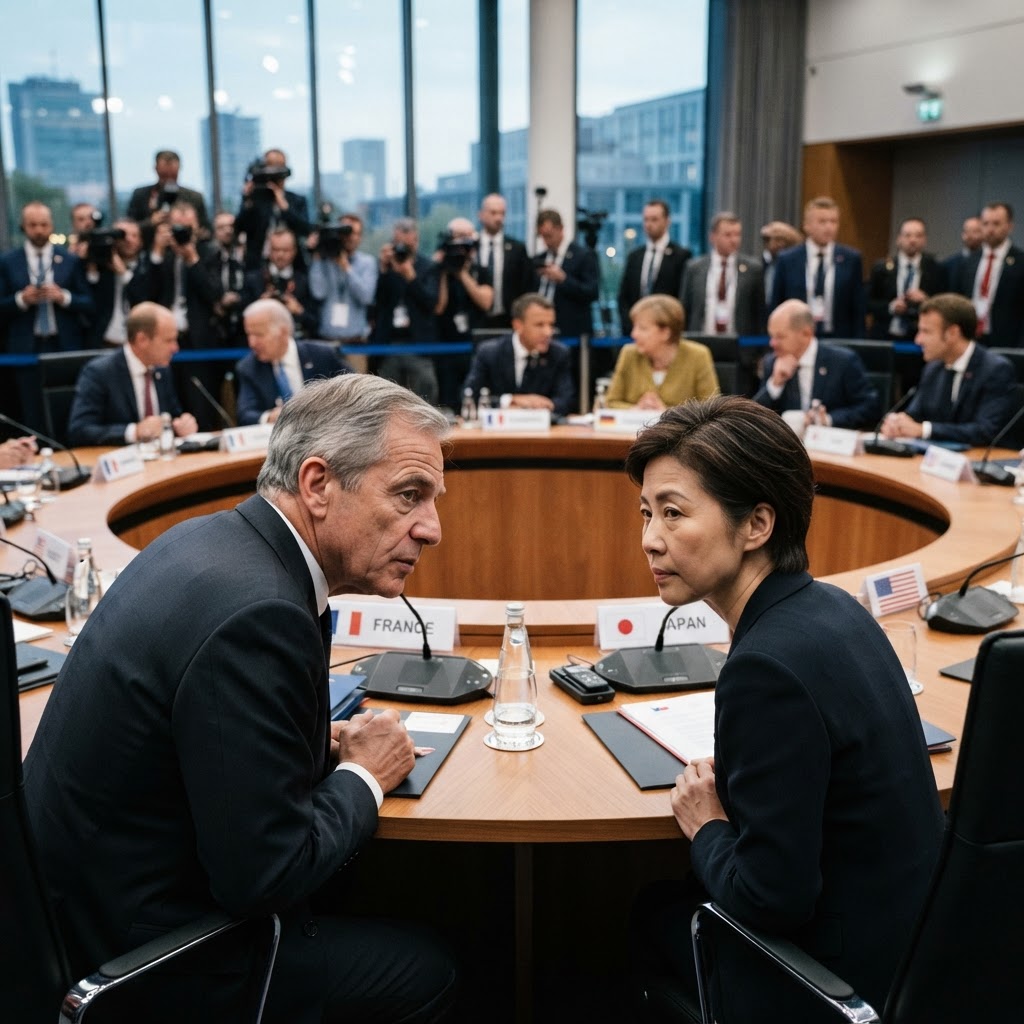
Diplomatic Chessboards and Shifting Alliances: High-Stakes Summits Unfold Amid Rising Geopolitical Friction
As major world leaders converge across Asia for a critical series of regional forums and an unprecedented trilateral summit, intensifying military tensions and domestic political battles test global stability.