Global Politics in Flux: Critical Midterms, Balkan Upheaval, and Escalating Diplomatic Strains
Voters and governments across the globe are navigating intense political crosscurrents, marked by surging early turnout in the United States, seismic electoral shifts in Eastern Europe, and fragile diplomatic maneuvers across the Middle East.
The High-Stakes Sprint to the United States Midterms
With national midterm elections entering their final decisive stretch, political friction in the United States has reached a fever pitch. A combination of historic early voting figures and aggressive rallies led by prominent figures from both parties has set the tone for what analysts view as a pivotal referendum on federal governance. According to reporting from NPR, tens of millions of early ballots have already been cast, underscoring intense civic engagement that extends far beyond routine political cycles.
Former President Barack Obama has re-entered the campaign trail in force, delivering pointed speeches that criticize the sitting administration’s conduct while rallying democratic voters ahead of polling day, as noted by Al Jazeera. Meanwhile, conservative leaders and high-profile surrogates have converged on tightly contested congressional districts, framing the election as a defining mandate for their agenda. Beneath the rhetorical battles lies a contentious legal and institutional terrain; an emergency hearing in a federal appeals court saw judges openly challenge efforts by the Justice Department to intervene in state-level vote-tabulation protocols, highlighting ongoing disputes over the integrity and administration of the ballot, as detailed by Westfair Communications.
Electoral Upheaval Across Eastern and Southeastern Europe
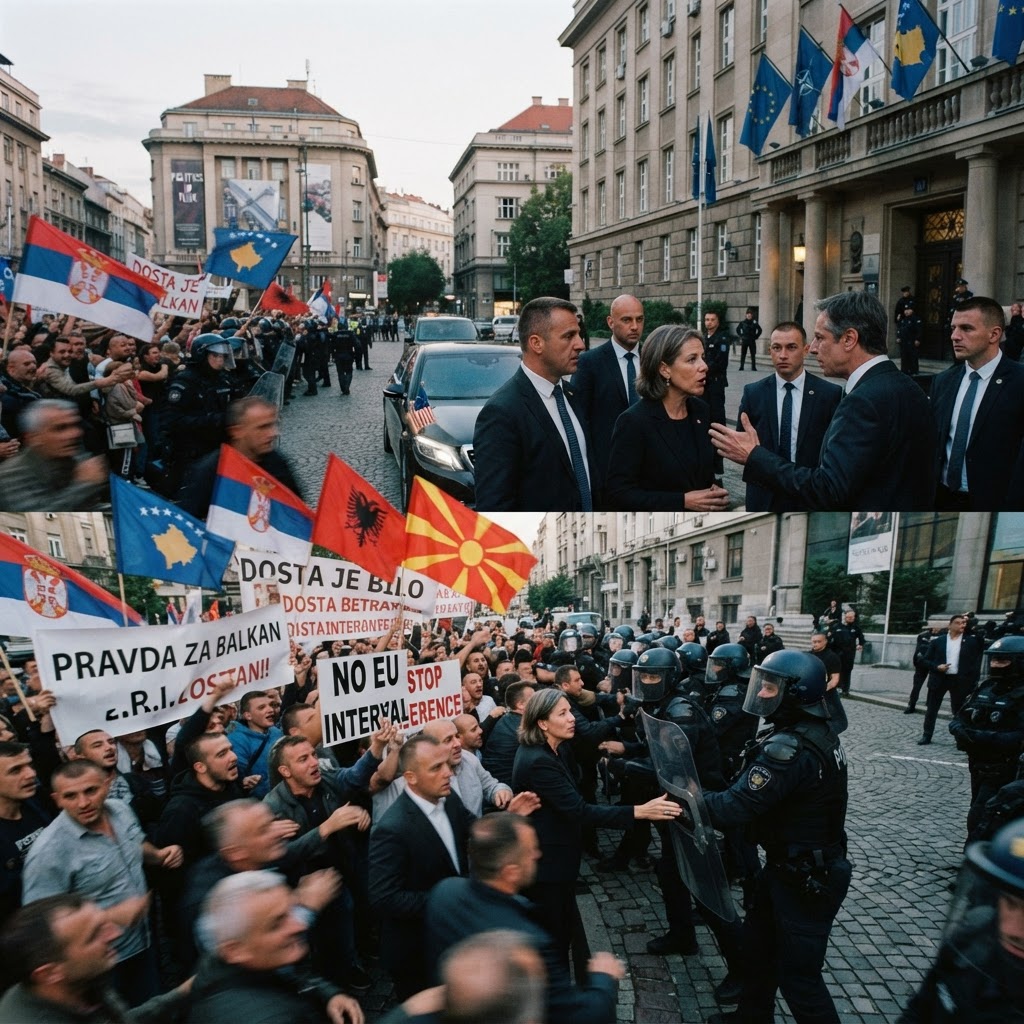
Across the Atlantic, southeastern Europe has experienced significant electoral shocks that challenge entrenched political dynasties. In Serbia, a historic parliamentary contest resulted in dramatic gains for student-led and youth-focused opposition factions. Coverage from the BBC highlighted scenes of widespread celebration as the nascent student movement disrupted long-standing political orthodoxies, delivering a substantial blow to established ruling coalitions.
Simultaneously, Bulgaria held high-stakes presidential elections against the backdrop of Russia’s prolonged war in neighboring Ukraine. Voters cast their ballots under profound economic uncertainty and regional geopolitical strain, testing whether the electorate would reaffirm alignments with Western institutions or shift toward alternative political blocs. These Balkan developments signal a broader generational and geopolitical realignment across Eastern Europe, where domestic grievances over governance and rule of law intersect directly with continental security concerns.
Fragile Alliances and Brinkmanship in the Middle East
In the Middle East, political and military developments remain tightly linked to diplomatic recalibrations in global capitals. Tensions between the United States, Israel, and Iran continue to hover at dangerous thresholds. Regional analysts at the Asia Times report that Middle Eastern capitals are closely watching Washington's political trajectory, assessing how the outcome of domestic U.S. contests could reshape regional defense postures and diplomatic commitments.
Simultaneously, local defense dynamics are accelerating on multiple fronts. Dispatches from Audacy outline ongoing operations by the Saudi-led coalition aimed at curtailing missile launch capabilities in Yemen following repeated threats to civil and transit infrastructure. Concurrently, regional intermediaries—including diplomatic envoys from Pakistan—continue to ferry critical communications between Washington and Tehran in an effort to stave off wider conflict, as highlighted by DAWN. The diplomatic maneuvers highlight an increasingly multipolar dynamic where regional actors actively buffer domestic election cycles through independent bilateral diplomacy.
Institutional Control and Global Repercussions
Beyond individual elections, major powers are refining internal control and institutional strategy. In Beijing, high-level political meetings have convened to reinforce party discipline and streamline state priorities, according to the BBC, reinforcing stability as international economic pressures persist. Across Latin America, political authorities continue to face polarized legislative landscapes following competitive general votes, as domestic courts and regional organizers contest the administration of civic life. As domestic ballots, judicial challenges, and back-channel statecraft unfold simultaneously, the global political map is being redrawn by an electorate demanding accountability amid profound international instability.
Recommended for you
Similar to “World Politics”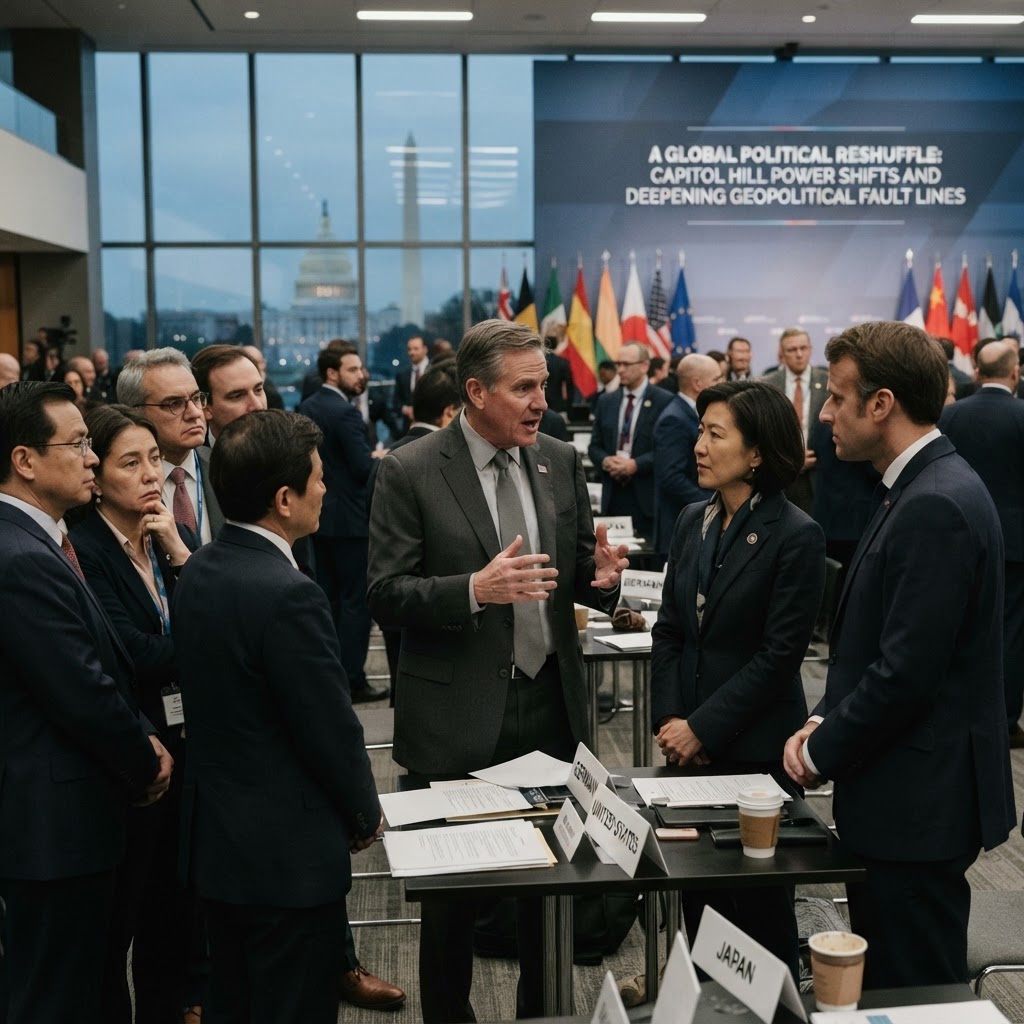
A Global Political Reshuffle: Capitol Hill Power Shifts and Deepening Geopolitical Fault Lines
Recent electoral upheavals in the United States and intense diplomatic realignments across the Middle East, Eastern Europe, and South Asia mark a transformative moment in international politics.
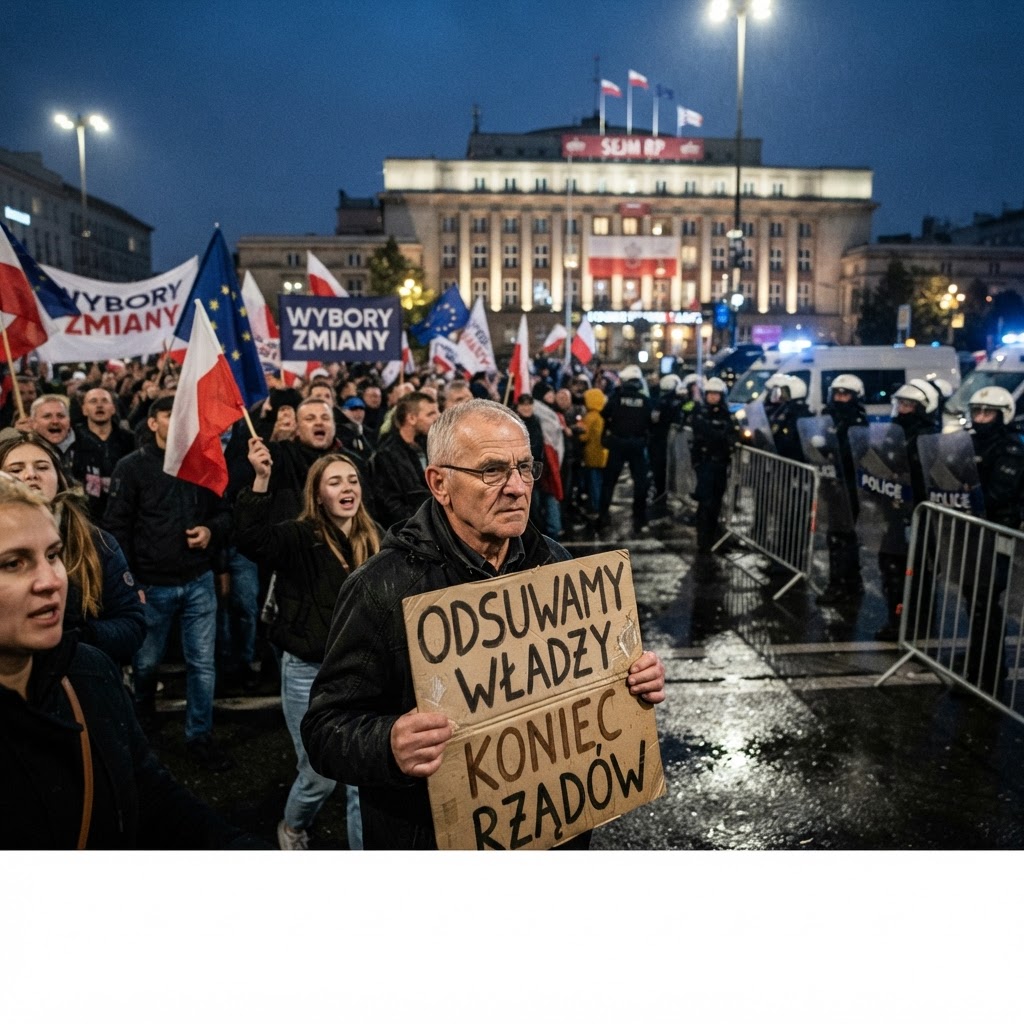
Global Electoral Tremors: Incumbents Face Reckoning from the Americas to Eastern Europe
From high-stakes ballots in Latin America and the Balkans to looming votes in Israel and the United States, recent days have witnessed sharp political realignments and intense diplomatic pressure across the globe.
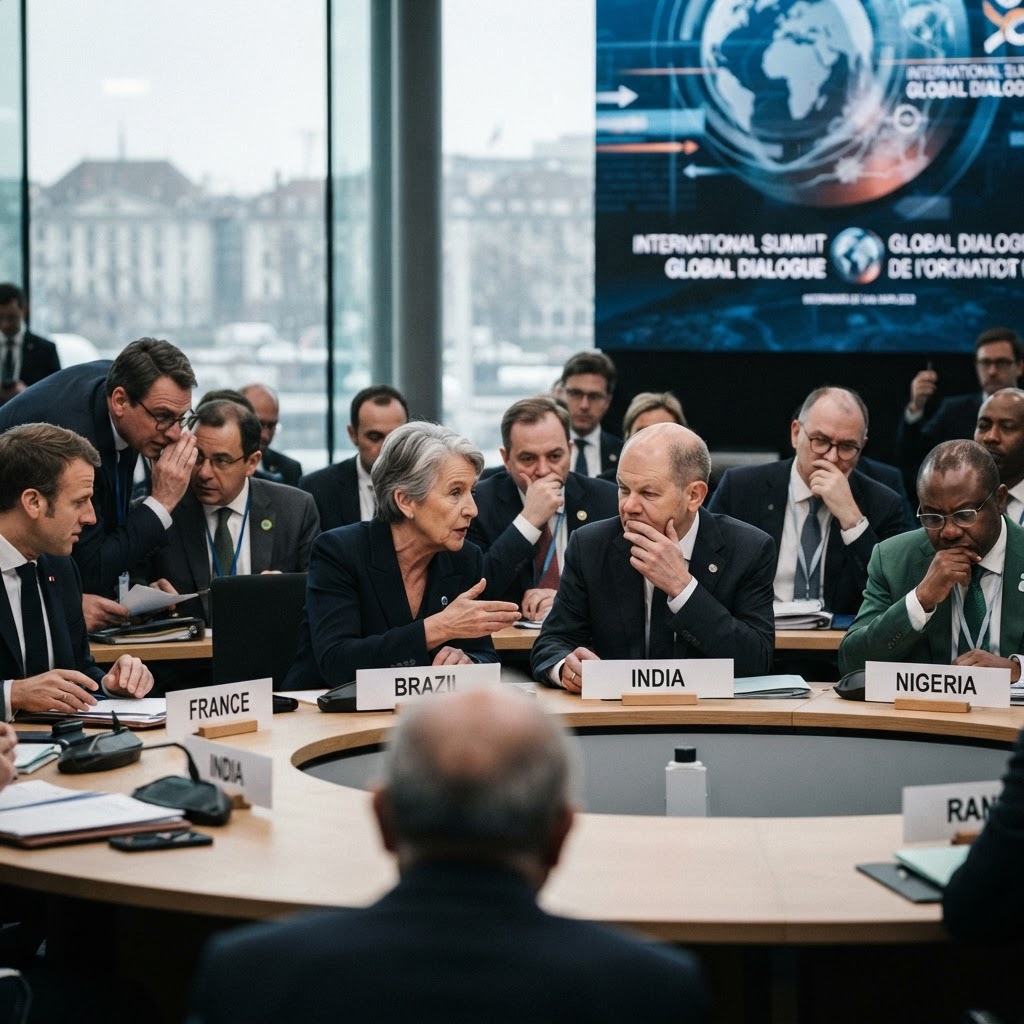
A Fractured World Order: Power Shifts, Diplomatic Realignments, and Crises Reshape Global Politics
Recent high-stakes diplomacy at regional summits, leadership transitions across major capitals, and escalating confrontations from the Middle East to Eastern Europe mark a defining moment of global realignment.