Decentering Heritage: Global Culture Redraws Boundaries from the Gulf to the Academy
Recent cultural developments highlight a major shift toward decentralized artistic narratives, spanning significant new museum initiatives in the Middle East to debates surrounding cultural democracy across institutions worldwide.
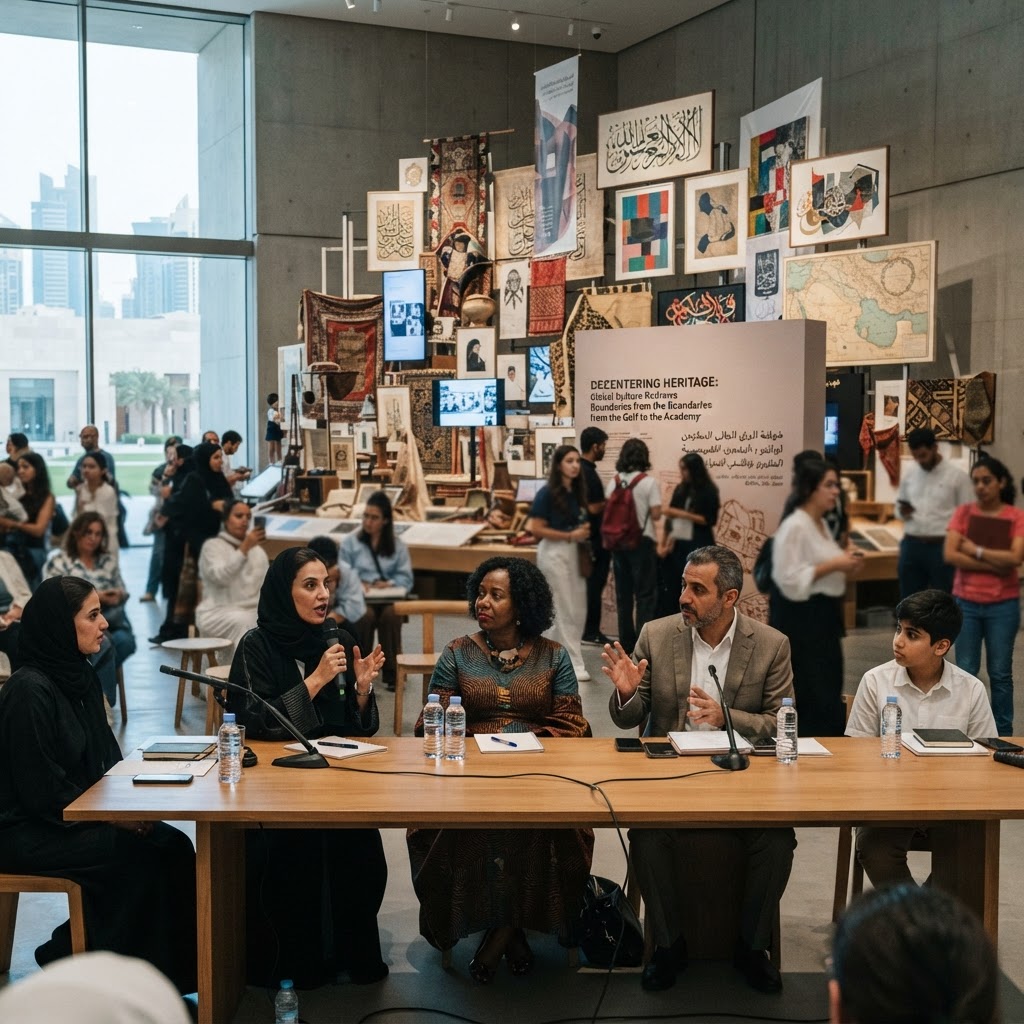
A New Geography of Cultural Exchange
In recent days, the landscape of global arts and culture has shown unmistakable signs of tectonic reorientation. Rather than relying on traditional Western capitals to set the agenda for heritage and curatorial innovation, international creative ecosystems are actively diversifying. As reported by The National News, institutions across the Arabian Peninsula are expanding their curatorial ambitions, marked by announcements such as the Zayed National Museum's forthcoming exhibition chronicling millennia of camel domestication and regional heritage, alongside Louvre Abu Dhabi's expansive historical surveys of the Indian Ocean spice and maritime networks.
These developments reflect an intentional reimagining of material history, moving away from Eurocentric collections toward deep-rooted regional narratives. Alongside institutional milestones, major regional showcases like the upcoming Dubai Design Week are explicitly bridging ancestral craftsmanship—such as Emirati date-palm trimming techniques—with modern architectural forms. This synthesis illustrates how global platforms are seeking relevance by rooting contemporary design in local traditions rather than adopting generic global aesthetics.
The Push Toward Cultural Democracy
Parallel to the growth of physical exhibitions is an accelerating philosophical debate over cultural equity and institutional power. Academic and policy networks, spotlighted in recent discussions from the journal Cultural Trends, have issued urgent calls for "cultural democracy" to replace traditional top-down models of cultural democratization. Observers note that while classical institutions historically aimed to provide public access to elite art forms, contemporary communities increasingly demand recognition and institutional funding for vernacular and grassroots creative practices.
Analyses exploring the dynamics of public arts participation, from Latin America to Eastern Europe, point to persistent disparities in cultural consumption. Researchers emphasize that true inclusion requires questioning the institutional gatekeeping that decides what constitutes valuable heritage. In practice, this shift manifests in exhibitions that explore the intersections of traditional craftsmanship, migrant histories, and community-led storytelling, challenging classical museum models to yield space to broader social movements.
Creativity in an Era of Shifting Media
The evolving dialogue around cultural agency is also profoundly influenced by the changing mechanics of media and storytelling. International literary circuits, including discussions surrounding the Frankfurt Book Fair highlighted by The National News, underscore ongoing battles over literary translation and accessibility, particularly regarding the need for non-Western authors to bypass legacy publishing filters and reach global audiences directly.
At the same time, the creative sector faces unprecedented turbulence fueled by technological transformation. Debate surrounding artificial intelligence and the preservation of human creative labor has moved to center stage. Cultural observers point out that while technology democratizes distribution, it poses structural risks to working artists facing precarious labor markets. As grassroots creators navigate these pressures, the global cultural discourse is converging on a singular imperative: safeguarding authentic artistic expression while building equitable platforms where diverse traditions can thrive on their own terms.
Recommended for you
Similar to “Global Culture”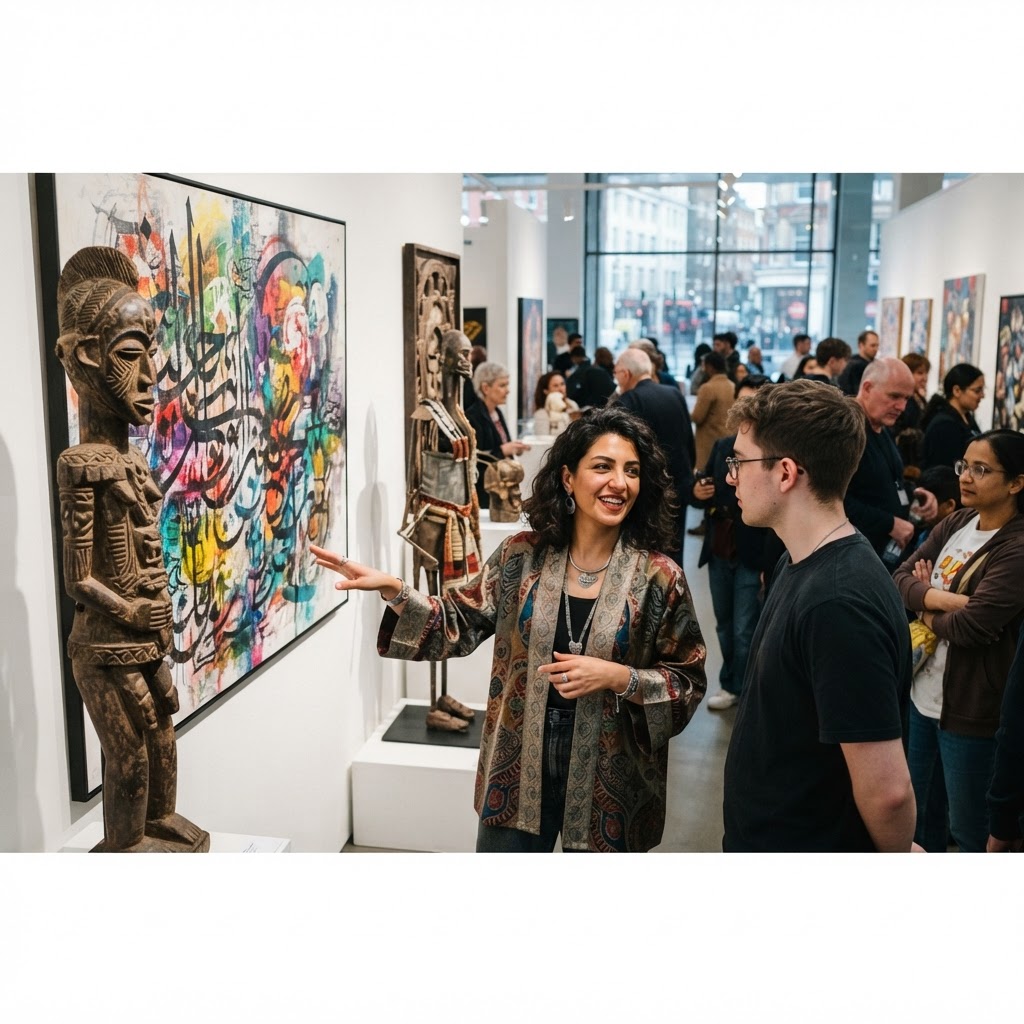
Global Cultural Shifts: Heritage Revival, Modern Art Markets, and the New Era of Cross-Border Expression
Recent cultural developments across East Asia, the Middle East, and the West highlight an era marked by the commercial evolution of modern art, historical preservation, and the friction of international cross-border creative industries.
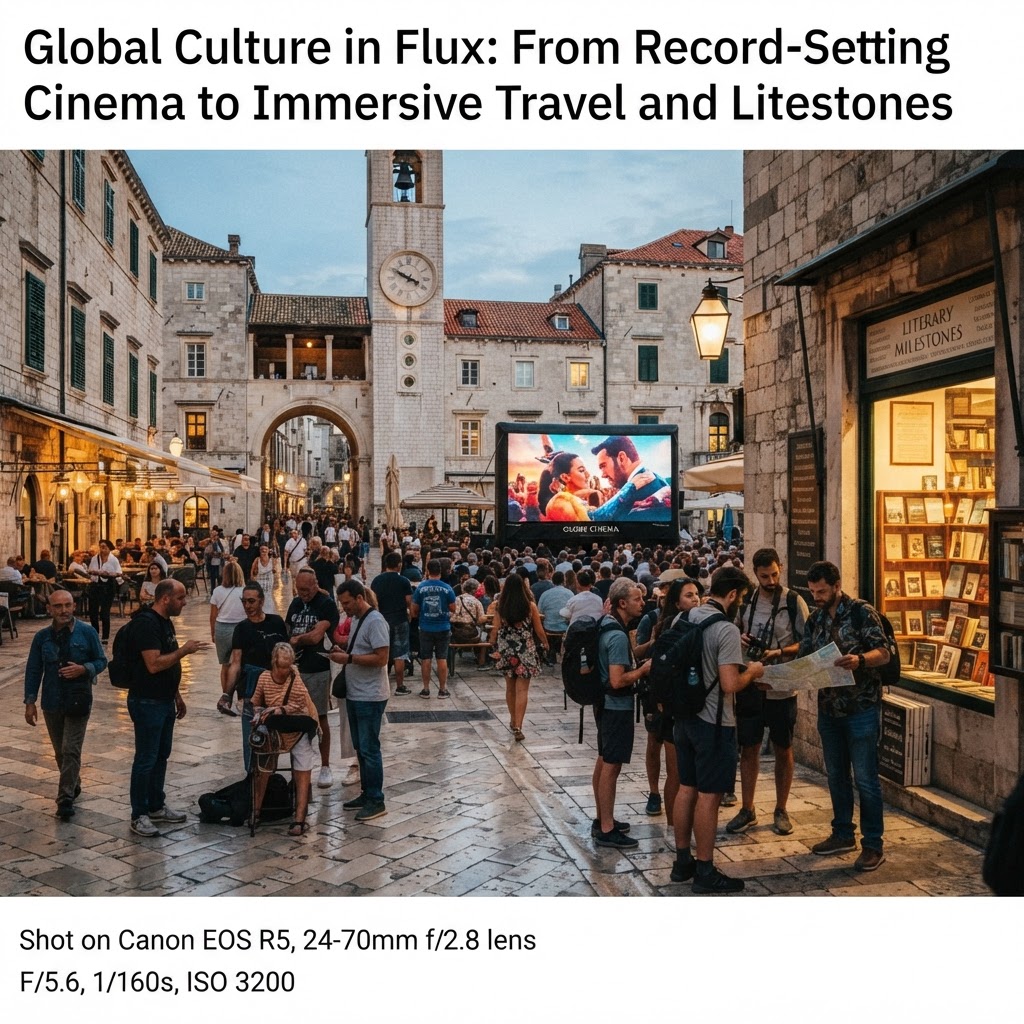
Global Culture in Flux: From Record-Setting Cinema to Immersive Travel and Literary Milestones
Recent cultural developments highlight a vibrant global landscape marked by major box office triumphs in Asia, groundbreaking literary honours, and an accelerating shift toward immersive travel and design.
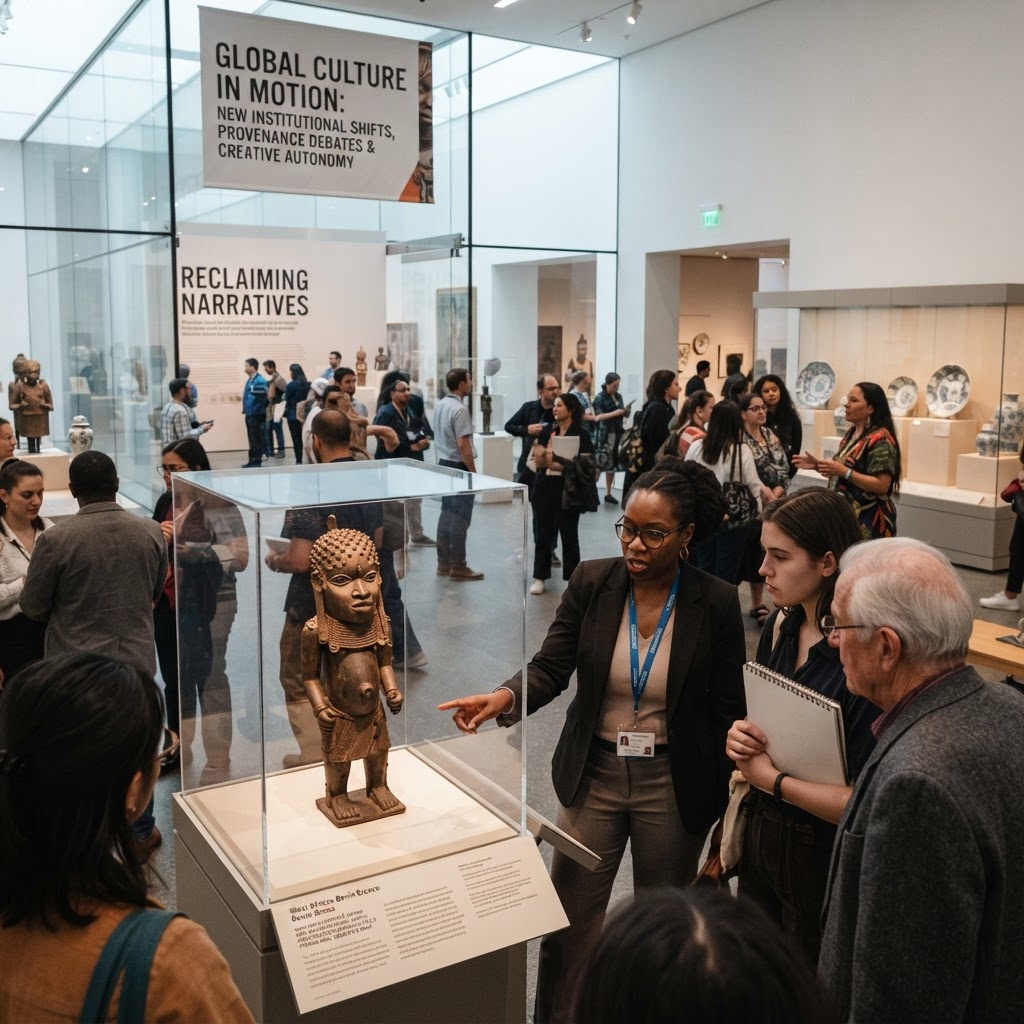
Global Culture in Motion: New Institutional Shifts, Provenance Debates, and Shifting Creative Autonomy
Recent developments across international museums, policy frameworks, and popular music reflect a cultural landscape grappling with transparency, creative independence, and heritage preservation.