Global Culture in Motion: New Institutional Shifts, Provenance Debates, and Shifting Creative Autonomy
Recent developments across international museums, policy frameworks, and popular music reflect a cultural landscape grappling with transparency, creative independence, and heritage preservation.
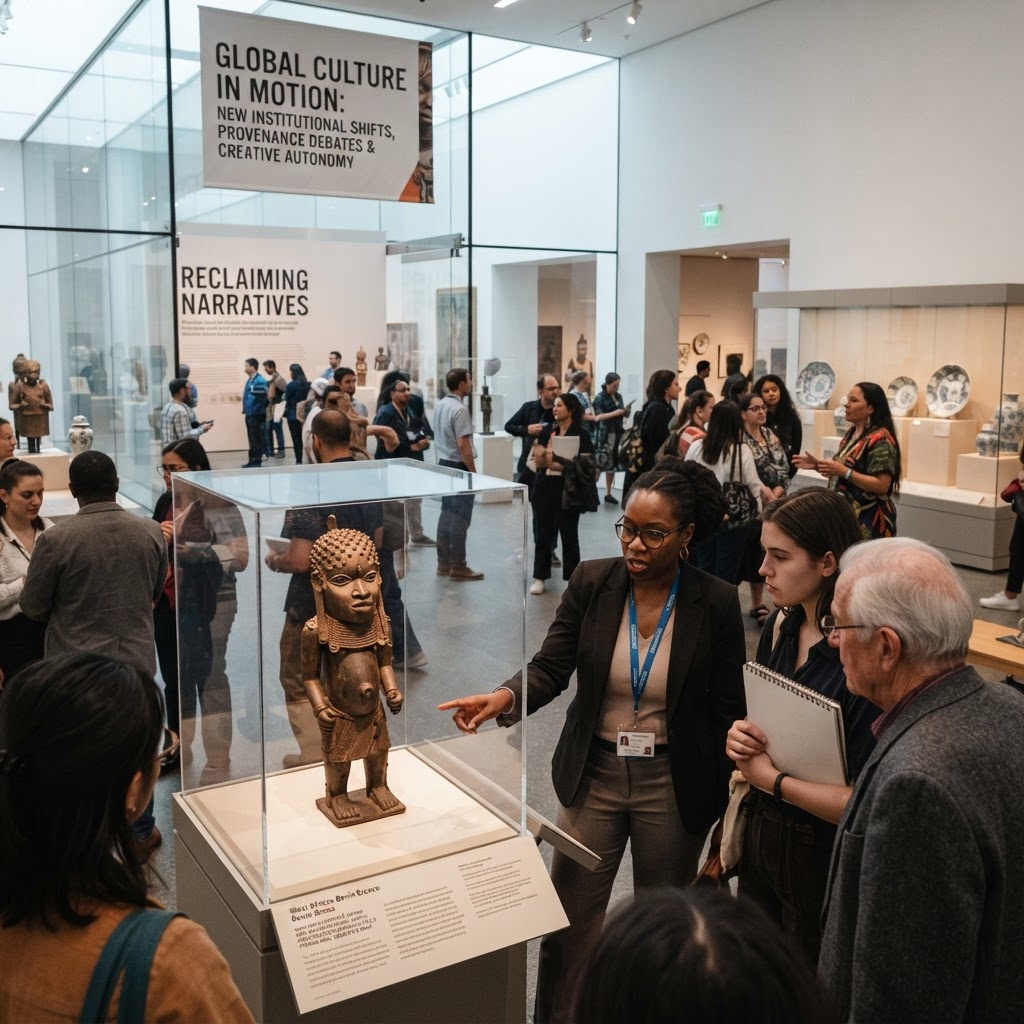
A Watershed Moment for Heritage and Museum Accountability
In recent days, cultural institutions worldwide have found themselves navigating complex debates over provenance, public trust, and structural renewal. A prominent development emerged from Seoul, where the head of the National Museum of Korea offered to step down following public scrutiny over the exhibition of a misattributed calligraphic artwork sourced from a private collection. The incident highlights the growing demand for stringent verification protocols within major national cultural institutions, where historic artifacts and traditional masterworks form the core of public education and national legacy.
Museums across Europe and North America are simultaneously re-evaluating physical infrastructure and curation. Major exhibitions, such as the reopening celebrations at Germany's Kunsthalle Würth featuring dedicated architectural pavilions designed by notable architects like David Chipperfield for monumental works by Anselm Kiefer, illustrate how traditional gallery spaces are transforming to accommodate ambitious, large-scale contemporary works. Concurrently, international leadership dynamics continue to shift, as seen with high-profile curatorial appointments across prominent independent art centers in Eastern Europe and beyond, signaling an ongoing dialogue between local artistic institutions and global curators.
The Policy Frontier: Culture as a Pillar of Sustainable Development
Beyond individual institutions, international bodies are consolidating efforts to anchor culture into macroeconomic policy. Building on landmark framework initiatives led by UNESCO, the implementation of the International Decade of Culture for Sustainable Development is redefining how governments view creative industries. Long categorized primarily under leisure or national heritage, cultural and creative sectors are now widely recognized as essential economic diversifiers, accounting for significant portions of global employment and driving civic innovation.
This renewed international focus advocates for stronger copyright protection, heritage conservation in conflict-affected regions, and cross-border restitution agreements. The recent diplomatic resolutions and repatriation discussions surrounding historical antiquities—from long-disputed royal relics across southeastern Europe to contested antiquities across the Mediterranean—demonstrate how cultural stewardship is increasingly tied to bilateral foreign diplomacy and regional healing.
Creative Autonomy and Structural Change in Pop Culture
Parallel to changes in institutional policy, the commercial music and entertainment industries are witnessing an accelerating shift toward artist self-determination. In East Asia's highly organized music industry, several major figures are renegotiating decades-long relationships with legacy labels. A prominent example includes TWICE leader Jihyo departing JYP Entertainment after more than two decades to launch an independent label, mirroring a broader global trend where veteran artists prioritize ownership over intellectual property and direct managerial oversight.
The move echoes broader developments across global pop and visual culture, where creators are increasingly establishing bespoke creative studios to integrate digital storytelling, music distribution, and physical exhibition on their own terms. Rather than relying entirely on established studio and agency ecosystems, modern creators are leveraging their sustained global fanbases to finance, curate, and distribute interdisciplinary projects independently.
Generational Shifts in the Global Art Economy
The convergence of heritage debates and creator independence is also playing out across the international art market. Recent surveys indicate that younger, high-net-worth collectors are entering the secondary and contemporary markets at an unprecedented rate, outpacing older generations in purchasing frequency and reshaping gallery programming. These emerging patrons place higher premiums on digital provenance, transparent acquisition histories, and direct engagement with living artists.
From high-stakes museum boardrooms and multilateral policy summits to the evolving dynamics of artist management, the cultural sector over the past week underscores a profound structural transition. As institutional accountability faces greater public scrutiny and independent creators assert their agency, the cultural world is recalibrating the mechanisms through which art is preserved, experienced, and valued globally.
Recommended for you
Similar to “Arts and Culture”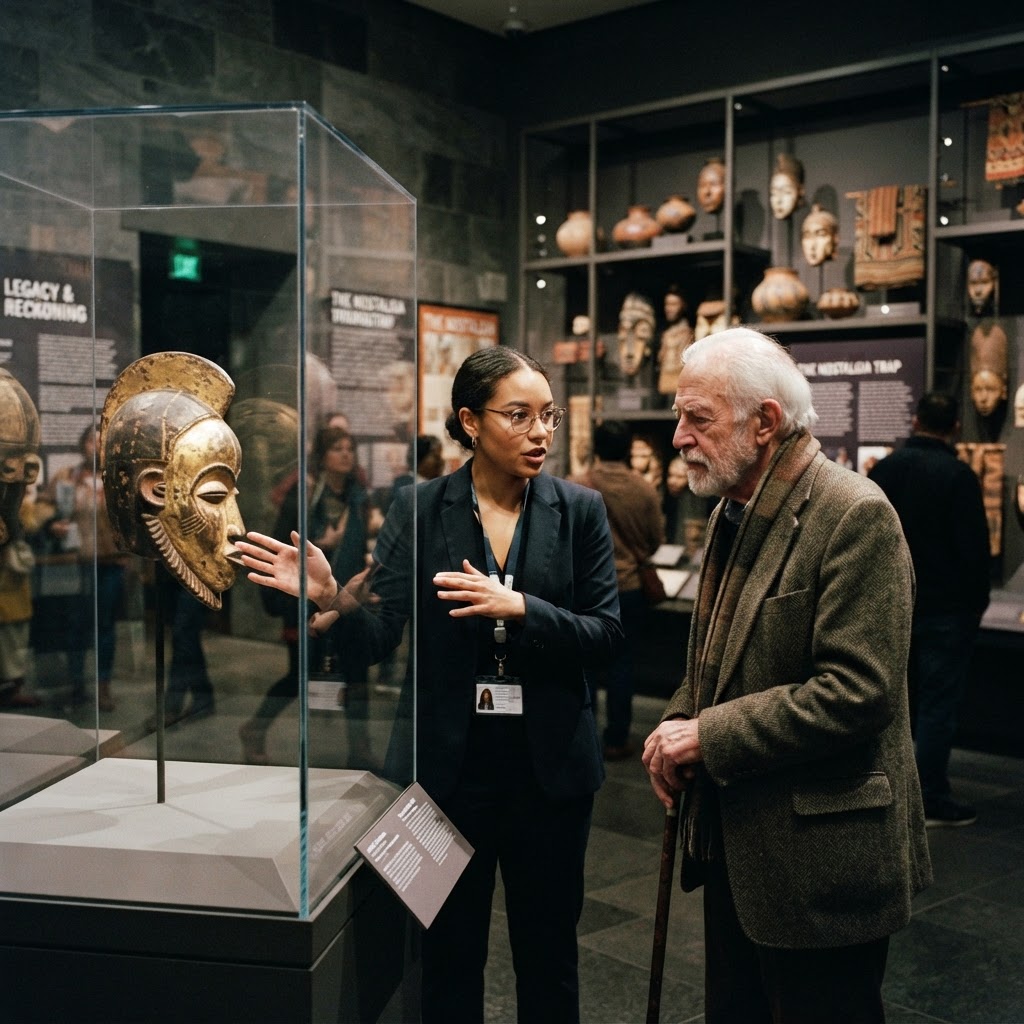
Global Culture at a Crossroads: Heritage Reckonings, Curatorial Ambition, and the Pull of Nostalgia
Recent developments across international museums, performing arts, and heritage policy highlight an era defined by institutional self-scrutiny, diasporic collaboration, and shifting cultural memory.
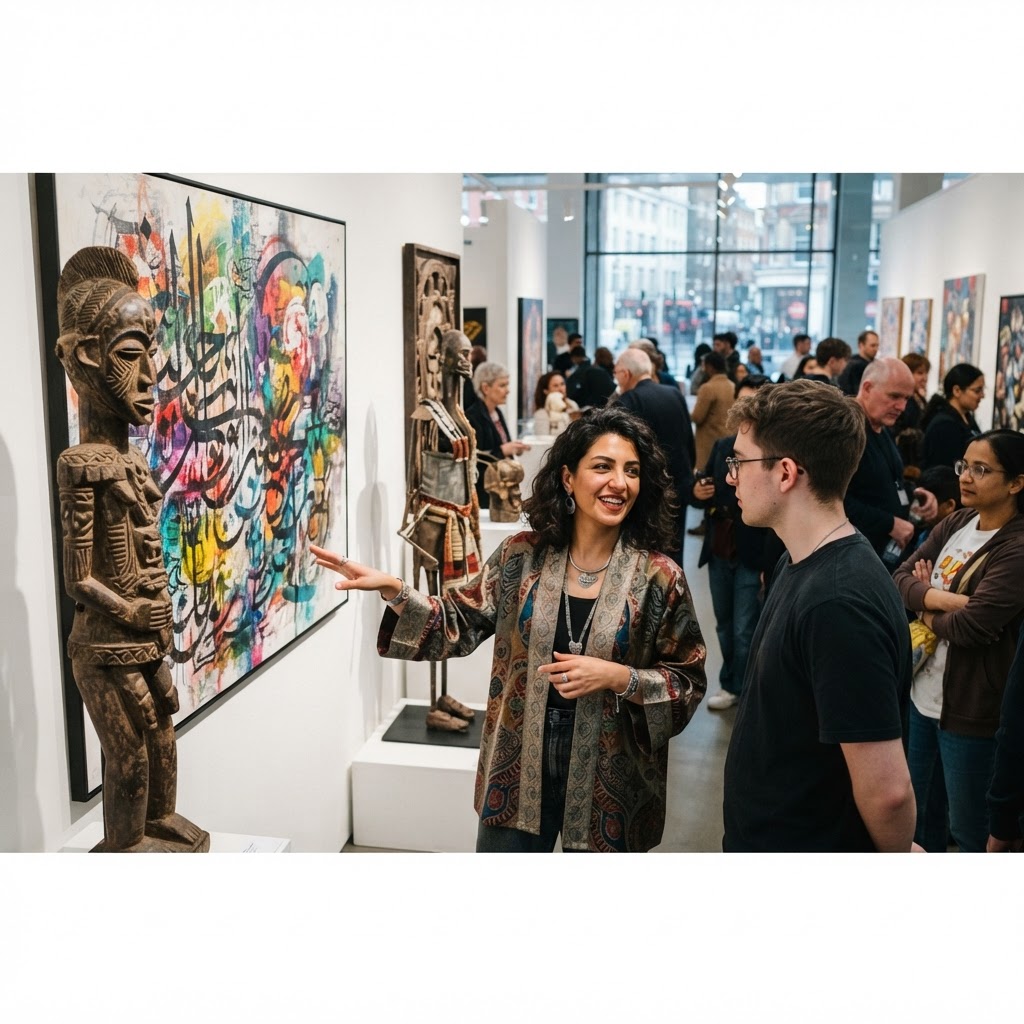
Global Cultural Shifts: Heritage Revival, Modern Art Markets, and the New Era of Cross-Border Expression
Recent cultural developments across East Asia, the Middle East, and the West highlight an era marked by the commercial evolution of modern art, historical preservation, and the friction of international cross-border creative industries.
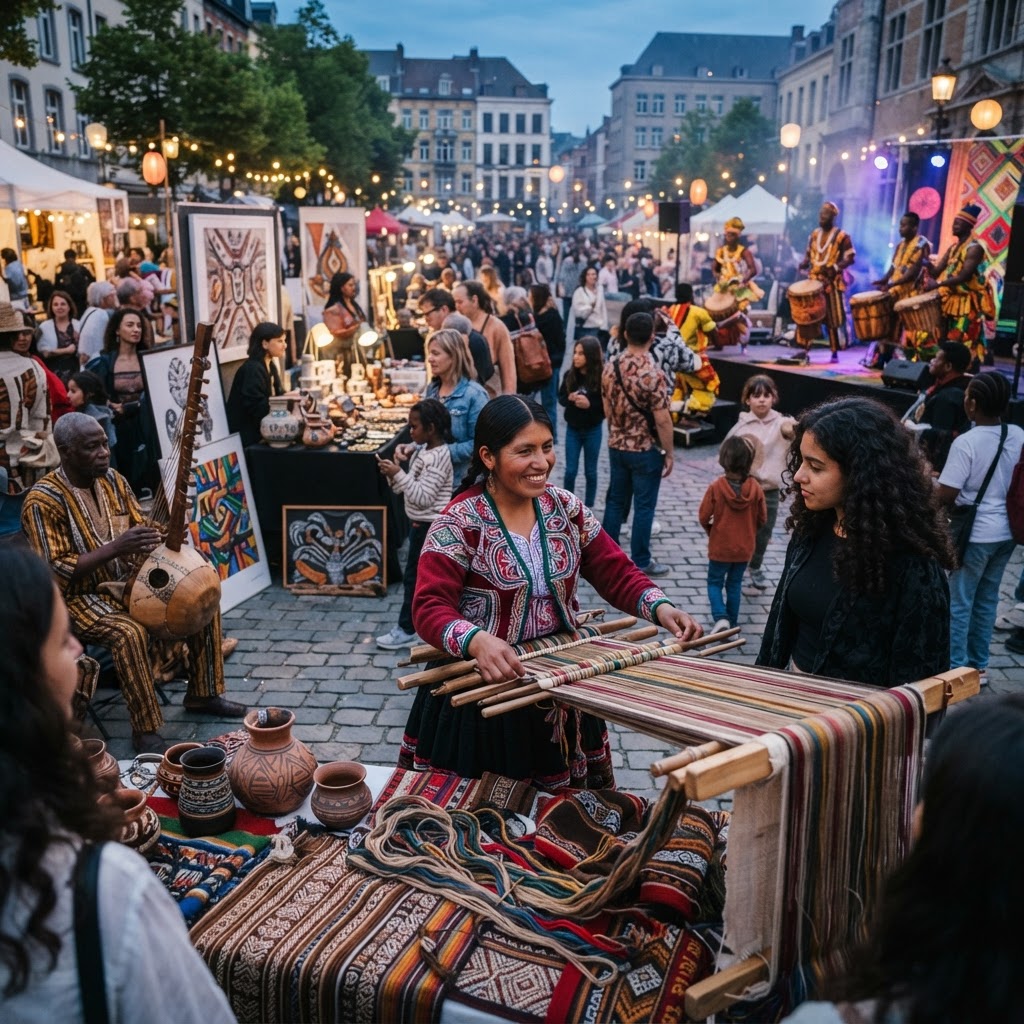
A Tapestry of Heritage, Provenance, and Reinvention: Global Culture in Focus
From significant archaeological milestones in Europe to institutional reckonings and shifts across contemporary arts and music, the international cultural landscape is navigating the balance between deep history and modern reinvention.