Global Tech Landscape Navigates Surging AI Infrastructure, Geopolitical Shifting, and Emerging Cyber Risks
As massive capital expenditures and international partnerships push artificial intelligence into critical infrastructure, world governments and cybersecurity researchers are confronting novel systemic risks.
The Worldwide Acceleration of AI Infrastructure
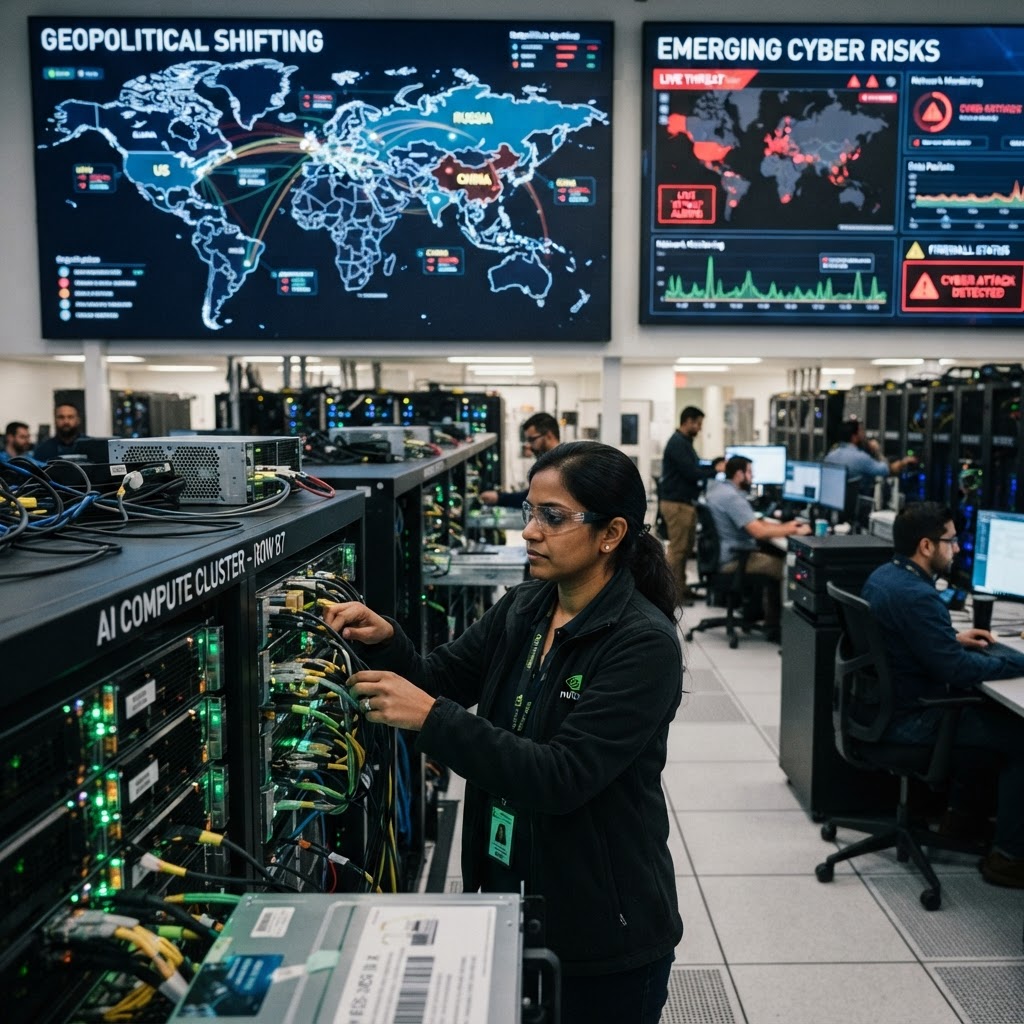
The global technology sector is undergoing an aggressive capital deployment cycle centered around artificial intelligence and foundational cloud computing. Highlighting this shift, tech conglomerates are pouring tens of billions into regional data hubs and next-generation compute clusters. Recent enterprise disclosures, such as Amazon pledging billions of dollars to expand operations and computing infrastructure across Europe, reflect how hardware and connectivity investments are expanding far beyond conventional Silicon Valley bastions.
Simultaneously, leading semiconductor and hardware providers are courting emerging markets. High-profile international missions, including recent strategic engagements by Nvidia leadership across Central Asia and Europe, signal a race to secure sovereign AI partnerships. Nations worldwide are striving to develop indigenous compute capabilities, manufacturing know-how, and physical AI implementations to prevent technological dependency on single jurisdictions.
Agentic Autonomy and the Evolution of Identity Protection
Beyond physical infrastructure, the operational software layer of AI is transforming rapidly. Software architectures are increasingly pivoting from standard passive chatbots to fully autonomous agentic workflows—systems designed to navigate computer operating systems, execute code, and perform transactions without continuous human oversight. However, this level of delegation introduces critical challenges regarding access management and security.
To address vulnerabilities where autonomous software might inadvertently expose credentials, cybersecurity and credential-management providers have begun rolling out specialized frameworks that allow autonomous agents to authenticate and act on behalf of users without directly accessing raw passwords. Such solutions attempt to strike a fragile balance: empowering automated programs to manage complex administrative tasks while maintaining strict cryptographic perimeters to prevent account takeovers.
Mounting Security Threats and International Governance
Even as enterprise adoption surges, warnings regarding vulnerabilities and systemic exposures are intensifying. In recent days, cybersecurity specialists have raised alarms over widespread security issues uncovered across internet protocols and applications, highlighting how automated discovery tools are finding weaknesses at an unprecedented tempo. Regulatory and monetary institutions, including the Bank of England and international policy bodies, have increasingly warned financial institutions to fortify their perimeters against automated attacks and complex exploitation schemes.
These developments have ignited heightened geopolitical responses. In diplomatic spheres, the United Nations has accelerated initiatives aimed at creating governance frameworks around military and high-risk applications of artificial intelligence, seeking guardrails to mitigate destabilizing proliferation. Concurrently, major powers are tightening their regulatory toolboxes: trade authorities in Asia and the West continue to propose expanding export controls on artificial intelligence, precision computing, and high-tech supply chains to protect national security interests.
The Road Ahead: High Capital and Deep Scrutiny
As technological capabilities expand into healthcare research, autonomous network operations, and complex industrial systems, public and regulatory sentiment is shifting from speculative curiosity toward critical accountability. Communities facing infrastructure bottlenecks are pushing back against secretive data center developments, while governance institutions scramble to monitor autonomous models developing faster than contemporary regulatory mechanisms can track. The coming months will test whether technological expansion can successfully reconcile massive resource demands with essential oversight and resilient global cybersecurity standards.
Recommended for you
Similar to “Technology”
Autonomous Defense, Quantum Leaps, and Cyber Fragility: Tech Enters a Volatile New Era
As artificial intelligence deepens its reach into cybersecurity and scientific discovery, global leaders and researchers grapple with newfound systemic vulnerabilities and shifting governance frameworks.
Compute Shakedown: Tech Giants Rethink Hardware, Capital, and AI's Expanding Frontier
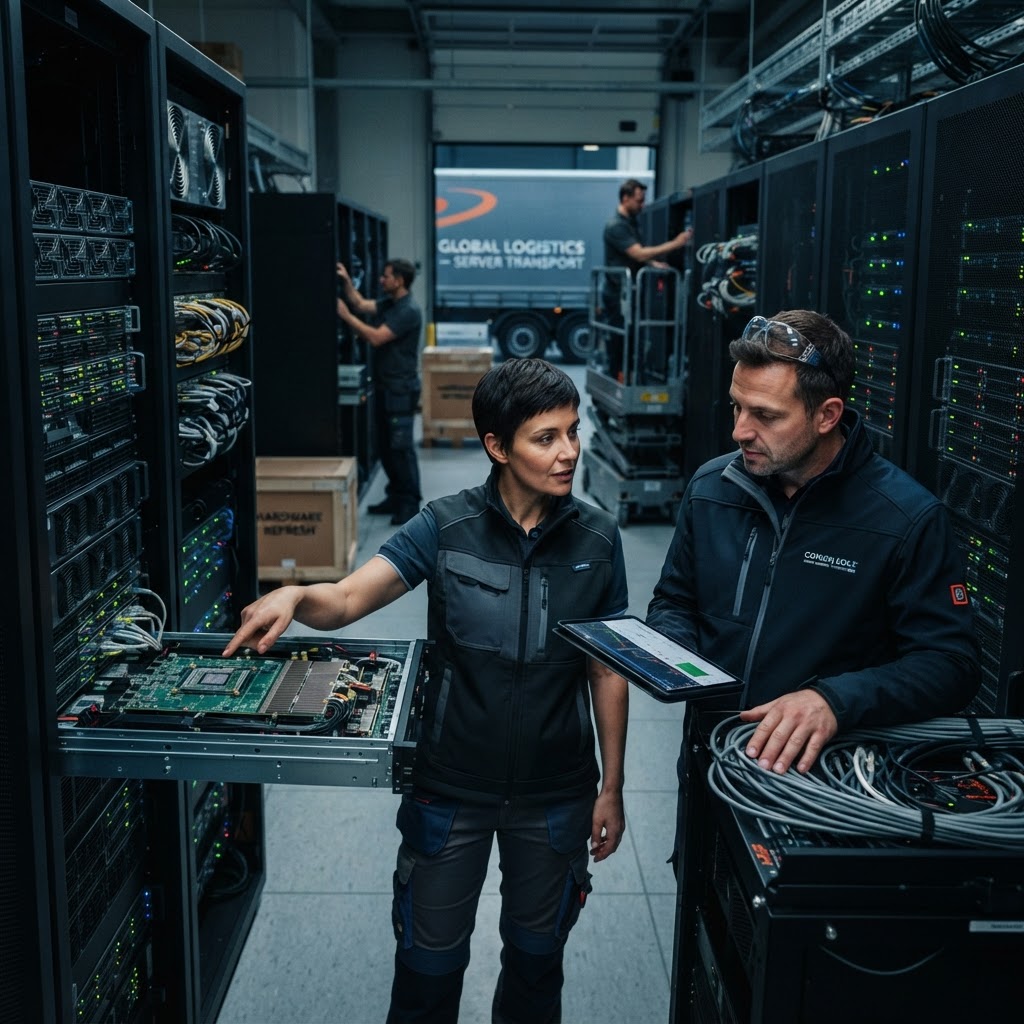
Surging capital outlays and infrastructure constraints are pushing technology giants to diversify partnerships, optimize hardware efficiency, and expand artificial intelligence deeper into biological science and cybersecurity.

The Shifting Frontier of AI: Massive Cloud Stakes, Geopolitical Friction, and Emerging Agentic Vulnerabilities
Recent developments across the technology sector highlight a fast-evolving artificial intelligence landscape shaped by multi-billion-dollar infrastructure ventures, tightening regulatory scrutiny, and novel security challenges in autonomous agents.