Ancient Relics, Modern Scandals, and Civic Renaissance: Global Culture at a Crossroads
Recent cultural developments across the globe highlight a vibrant tension between preserving deep heritage and grappling with modern technological and civic transformations.
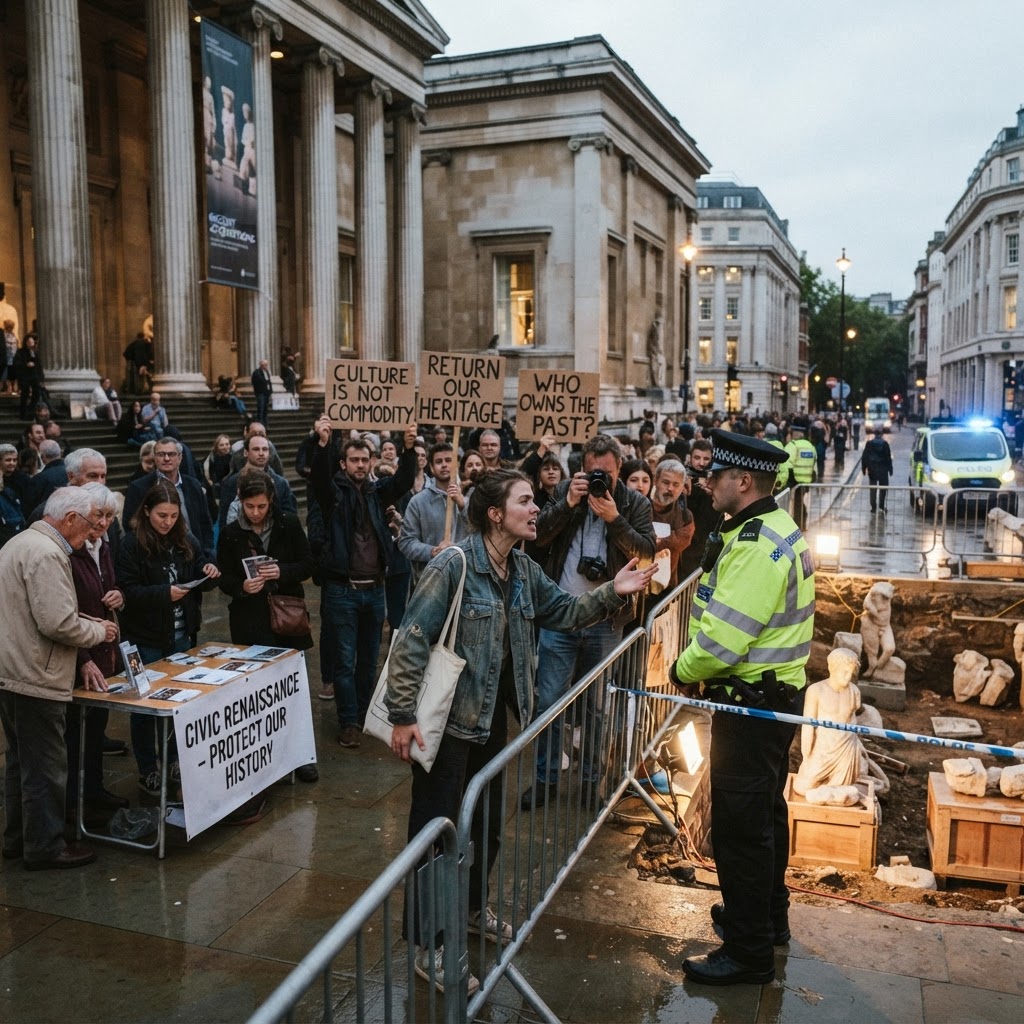
Echoes of Deep Time: Archaeological Revelations
Across the global landscape of arts and heritage, recent weeks have delivered a striking series of revelations bridging ancient human history with modern artistic expression. In northern Spain, researchers working at the Abauntz cave site in Navarre have identified Neanderthal bone fragments dating back approximately 46,000 years, shedding fresh light on prehistoric human settlement and cultural complexity in Western Europe. Meanwhile, maritime archaeologists operating off the coast of Antalya, Turkey, have advanced underwater excavations near Kekova Island, unearthing submerged artifacts that illustrate the rich maritime trading routes and civilizational exchange that once defined the Mediterranean.
This intersection between antiquity and modern celebration took an unexpected turn in London's art market. At the Frieze Masters fair, an exquisite 2,700-year-old Egyptian bronze statuette depicting the creator deity Ptah commanded international attention. Beyond its archaeological worth, cultural historians and collectors noted the figure's remarkably stylised silhouette, sparking renewed artistic discussions regarding whether ancient Mediterranean devotional figurines may have unconsciously influenced iconic modern symbols, including the Academy Award's Oscar statuette.
The Artificial Muse: Literary Debates and Authorship
While the preservation of classical heritage continues to captivate scholars, the contemporary literary world has found itself ensnared in heated debates regarding ethics and artistic authenticity. The conversation reached a boiling point following revelations surrounding the Haitian-Canadian writer Thélyson Orélien. His latest French-language novel, published earlier this year by Les Éditions du Boréal, became the center of scrutiny after the publishing house admitted that generative artificial intelligence was utilized in the composition of the manuscript.
The admission sent shockwaves through literary communities worldwide. Authors, critics, and readers have rallied around fundamental questions of artistic labor: At what point does technology cease to be a drafting tool and begin to erode the human spirit essential to the written word? As institutional guilds and trade organizations scramble to set explicit boundaries on algorithmic writing, the controversy stands as a watershed moment, testing the legal and emotional definitions of authorship in modern culture.
Urban Reinvestment and the Power of the Cultural Commons
In contrast to the anxieties surrounding synthetic media, major cultural institutions are reaffirming their belief in physical community and public heritage. In South Africa, the University of the Witwatersrand announced the launch of its ambitious R341 million Wits Cultural Precinct in central Johannesburg. Backed by private philanthropic support, the multi-million rand initiative aims to reshape the urban fabric by establishing an interactive gateway connecting university arts facilities, performance stages, and historic performance venues like the Joburg Theatre and Market Theatre to the broader public.
Similar energy surrounds regional identity in Europe and Asia. In the United Kingdom, momentum builds around civic revitalization as several regional hubs compete to be designated the next UK City of Culture for 2029, illustrating how local governance relies on performing arts and cultural tourism to drive economic reinvention. In China, cultural exchange has surged with major events like the Jingdezhen Ceramic Expo, showcasing centuries of artisanal mastery while fostering international dialogue between traditional craftsmanship and contemporary international design.
Sustaining Culture for Future Generations
Underpinning these regional developments is an expanding institutional effort to elevate arts policy onto the global political stage. Ahead of the upcoming International Decade of Culture for Sustainable Development led by UNESCO, international bodies are increasingly recognizing that cultural heritage, linguistic traditions, and creative industries are not merely decorative, but structural requirements for sustainable development and social cohesion.
From the delicate recovery of Paleolithic bones to the evolving debates surrounding artificial intelligence and the revitalization of historic metropolitan centers, the events of recent days illustrate that culture remains an active, evolving battleground. Societies across the globe continue to draw upon ancient memory to anchor their identity while striving to define what human creativity means in a rapidly shifting world.
Recommended for you
Similar to “Global Culture”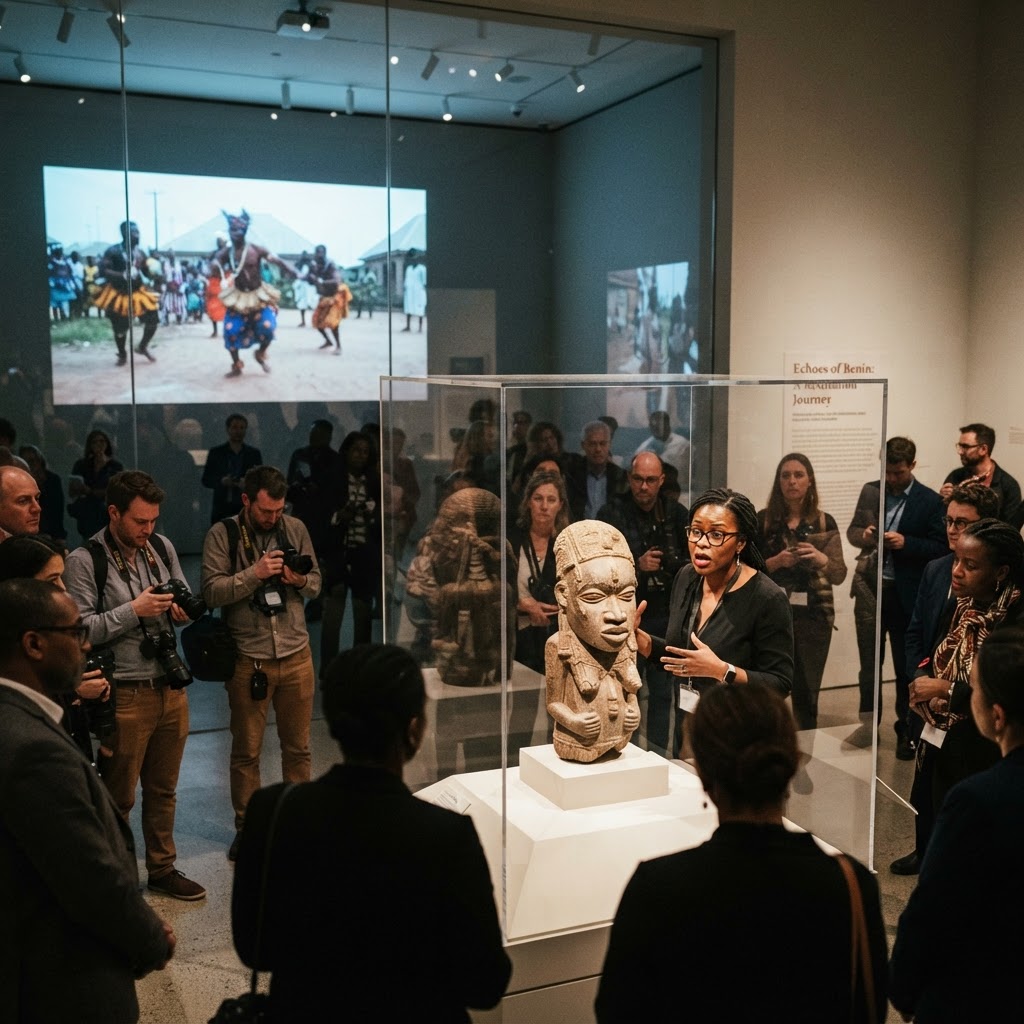
Heritage, Restitution, and Modern Spectacle: The Global Cultural Landscape in Motion
Recent cultural developments highlight an ongoing struggle over historical ownership alongside vibrant revivals in the performing arts and archival history across the globe.
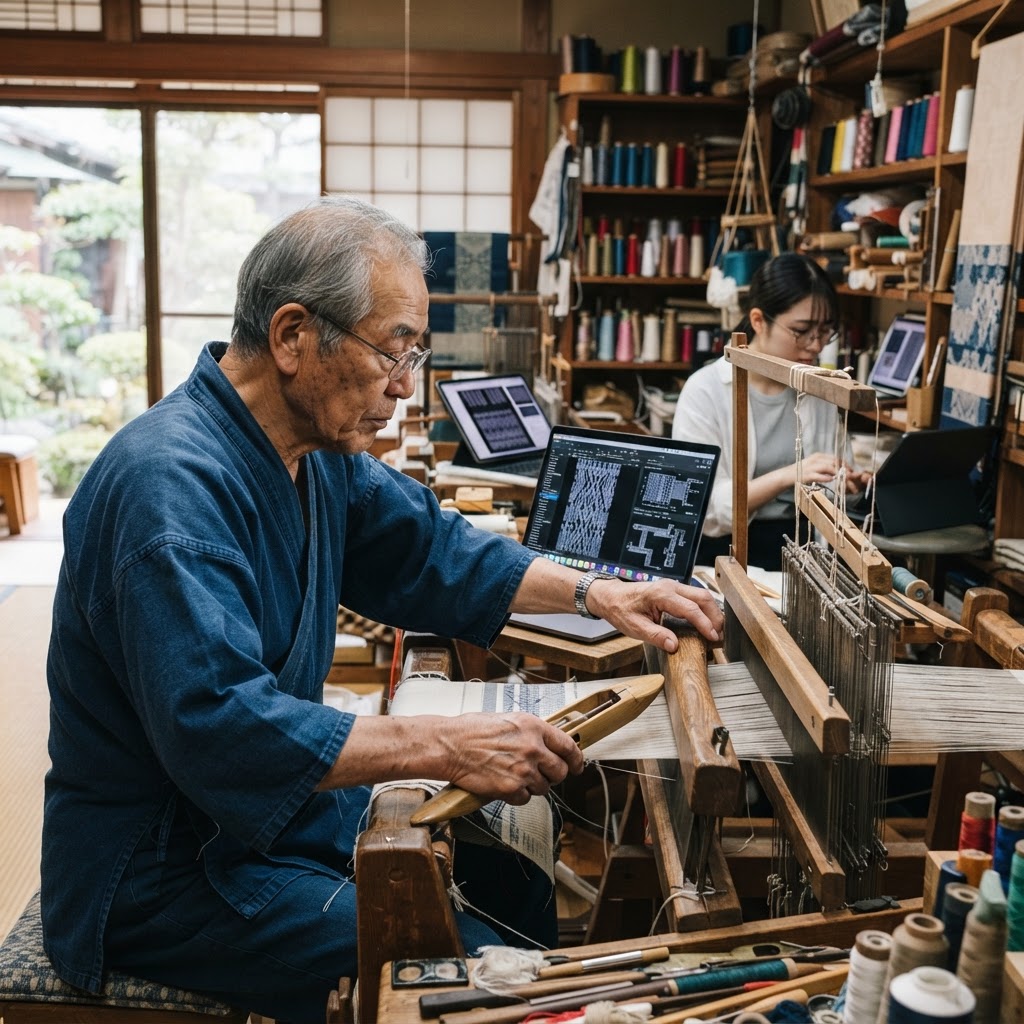
Between Heritage and Innovation: How Global Culture Navigates Technological Disruption and Shifting Frontiers
From generative artificial intelligence scandals in literature to the diplomatic restitution of antiquities, recent events highlight a dynamic cultural landscape balancing heritage preservation with modern technology.
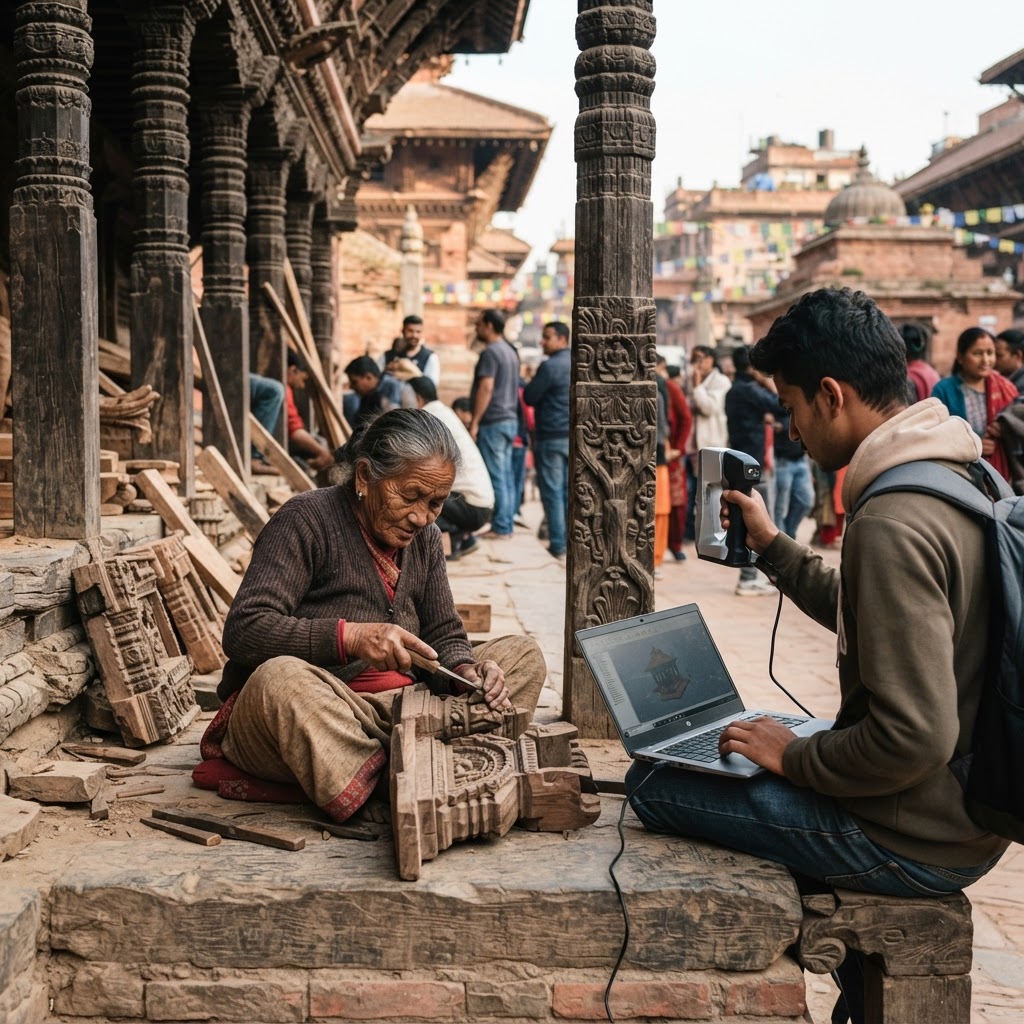
Between Heritage Preservation and Digital Rejuvenation: The Shifting Landscapes of Global Culture
Recent cultural initiatives across the globe highlight an evolving balance between preserving vulnerable community histories and modernizing the performing arts for digital-era audiences.