Culture at the Crossroads: Institutional Strain, Algorithmic Drift, and Global Shifts Redefine Global Arts
The international cultural sector is navigating profound transformations as institutional governance battles, artificial intelligence homogenization concerns, and new hubs of heritage diplomacy challenge established traditions.
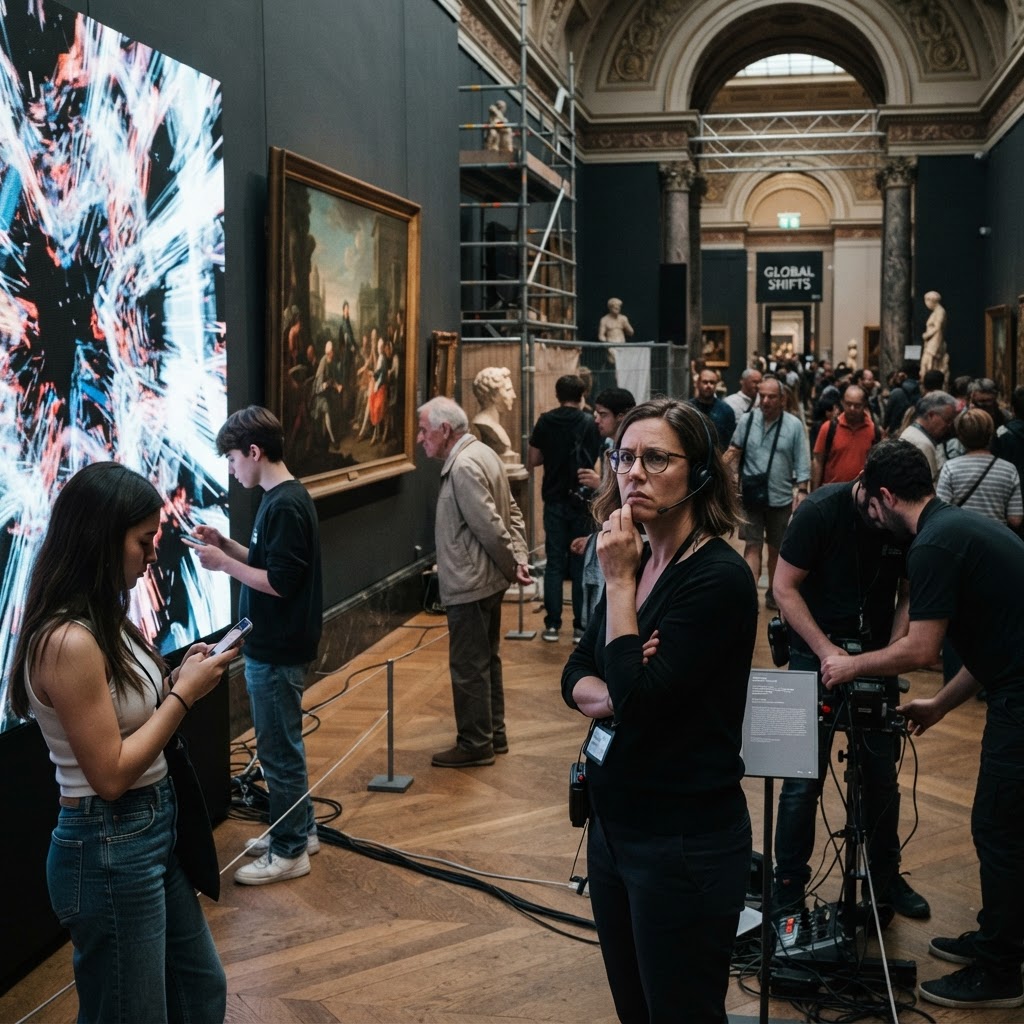
A Complex Landscape for Cultural Freedom and Public Institutions
Across the globe, cultural organizations and public institutions are finding themselves on the front lines of shifting political currents and financial reassessments. In the United States, recent reporting presented to international forums by organizations such as the International Leadership Association highlights mounting challenges to artistic expression and institutional autonomy, documented by reports like Artistic Freedom in the United States. Heightened government oversight, federal arts funding rescissions, and interventions in historic curatorial mandates have prompted intense debates regarding how public history and marginalized communities are represented in national galleries and heritage sites.
These developments coincide with wider discussions about the role of museums worldwide. As observed in analyses from The Economist, institutions are actively redesigning both physical spaces and exhibition methodologies to reckon with a decade of social shifts. Concurrently, European cultural advocacy bodies have voiced alarm over fiscal negotiations, pointing out prospective spending cuts to essential initiatives like the AgoraEU framework as detailed in Creatives Unite's State of Culture report. The compounding pressures of reduced budgets and political scrutiny are forcing museums to balance public accessibility against financial stability and creative autonomy.
The Threat of Algorithmic Homogenization
Beyond legislative and fiscal battlegrounds, the rapid integration of artificial intelligence is fundamentally testing artistic ecosystems. While digital tools provide innovative avenues for immersive curation and interactive storytelling, scholars are warning of unintended creative stagnation. Recent academic research explored by Creatives Unite demonstrates that autonomous feedback loops within generative image-and-text models tend to collapse artistic variety into derivative, generic themes over repeated cycles.
This dynamic—where automated outputs reinforce existing tropes at the expense of novel expression—has sparked fresh dialogue among policymakers and artists. In response, multilateral bodies such as UNESCO have initiated programs alongside European consortia, including the CULTURAI initiative, seeking to steer responsible adoption of machine learning in creative sectors while safeguarding diverse voices from algorithmic flattening.
New Cultural Hubs and Heritage Diplomacy
While established Western institutions grapple with internal reckoning, global cultural centers in the Middle East and Eastern Europe are asserting growing influence through major international gatherings. As reported by Global 1 News, events like the Ethnosport Culture Festival's debut in Riyadh under the Riyadh Season program showcase how traditional athletic, culinary, and artisanal traditions are being harnessed for regional soft power and public diplomacy.
This surge in cultural investment comes with nuanced introspection. As commentators noted via CNN, the accelerated pace of modernization raises questions about how regional heritage can genuinely evolve without losing its foundational authenticity. At the same time, commercial and historical milestones continue apace—from inaugural art fairs such as Frieze Abu Dhabi reported by The Art Newspaper to historic artifact loans and repatriation dialogues seen across the globe. From historical reassessments of Renaissance masterpieces to the celebration of living heritage by UNESCO, modern culture remains an active, contested, and ever-evolving territory where preservation meets continuous reinvention.
Recommended for you
Similar to “Global Culture”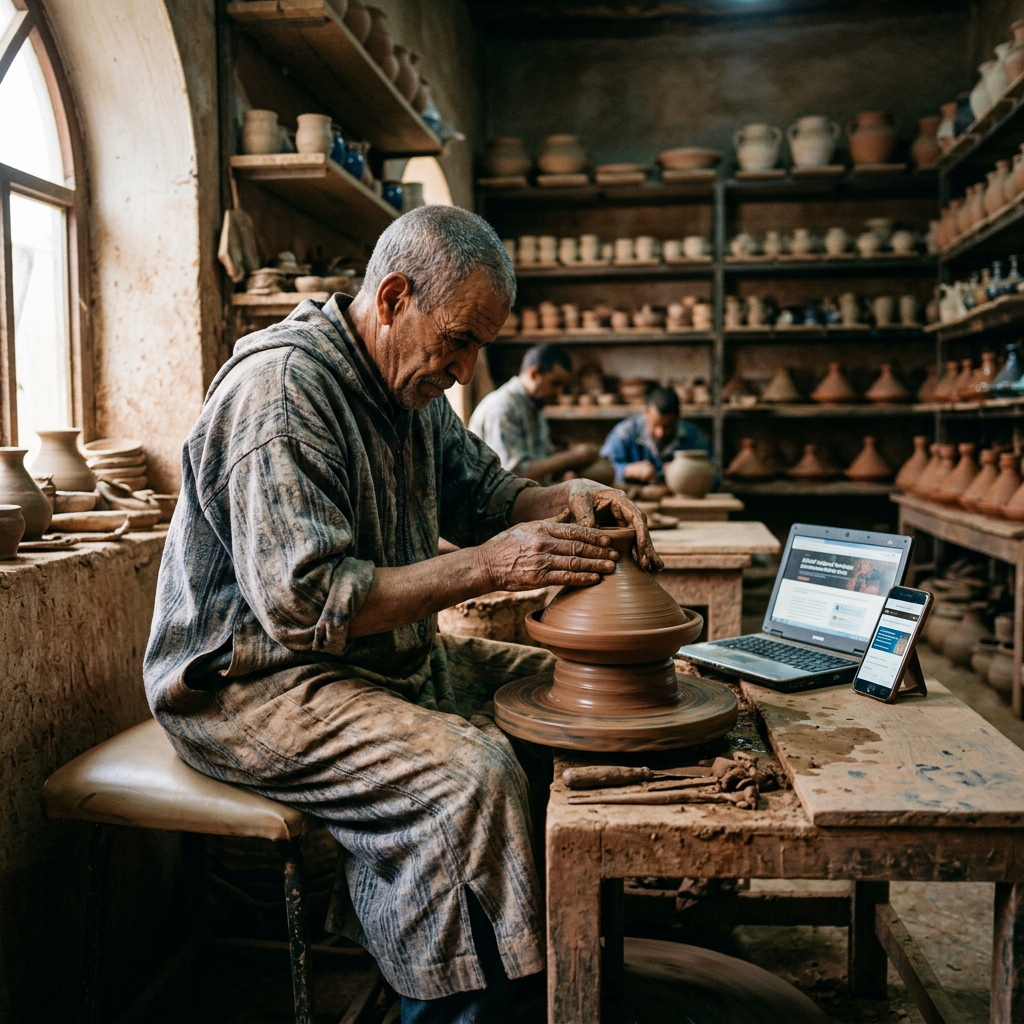
Preserving the Human Touch: Global Culture Confronts Technological Shifts, Economic Realities, and Heritage Diplomacy
Recent developments across the cultural landscape reveal a sector navigating profound dualities, from the complex rise of artificial intelligence in the arts to innovative heritage diplomacy and economic challenges confronting live performance.
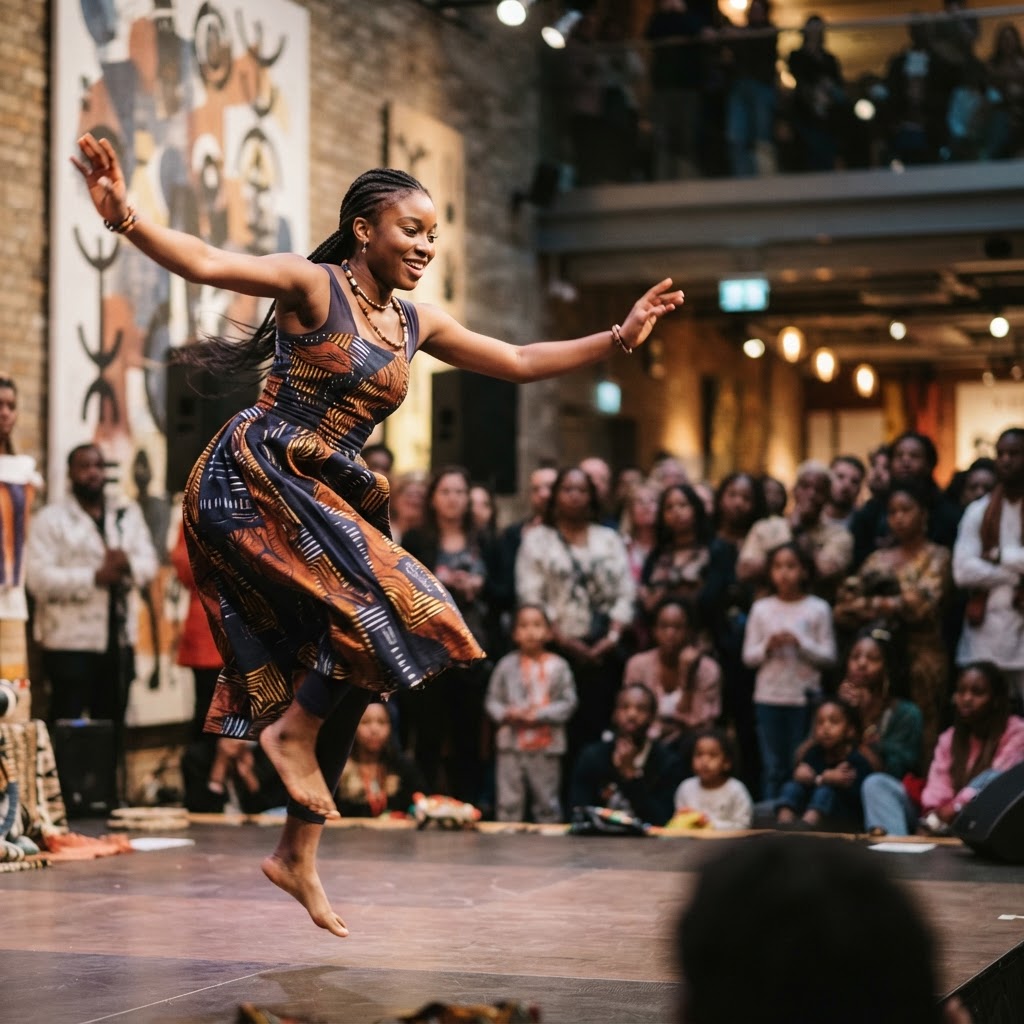
Crossroads of Heritage and Independence: Cultural Currents Redefining Global Arts
From landmark shifts in institutional leadership and historical provenance to tectonic movements across the music and entertainment industry, international cultural landscapes are undergoing a profound reimagining.
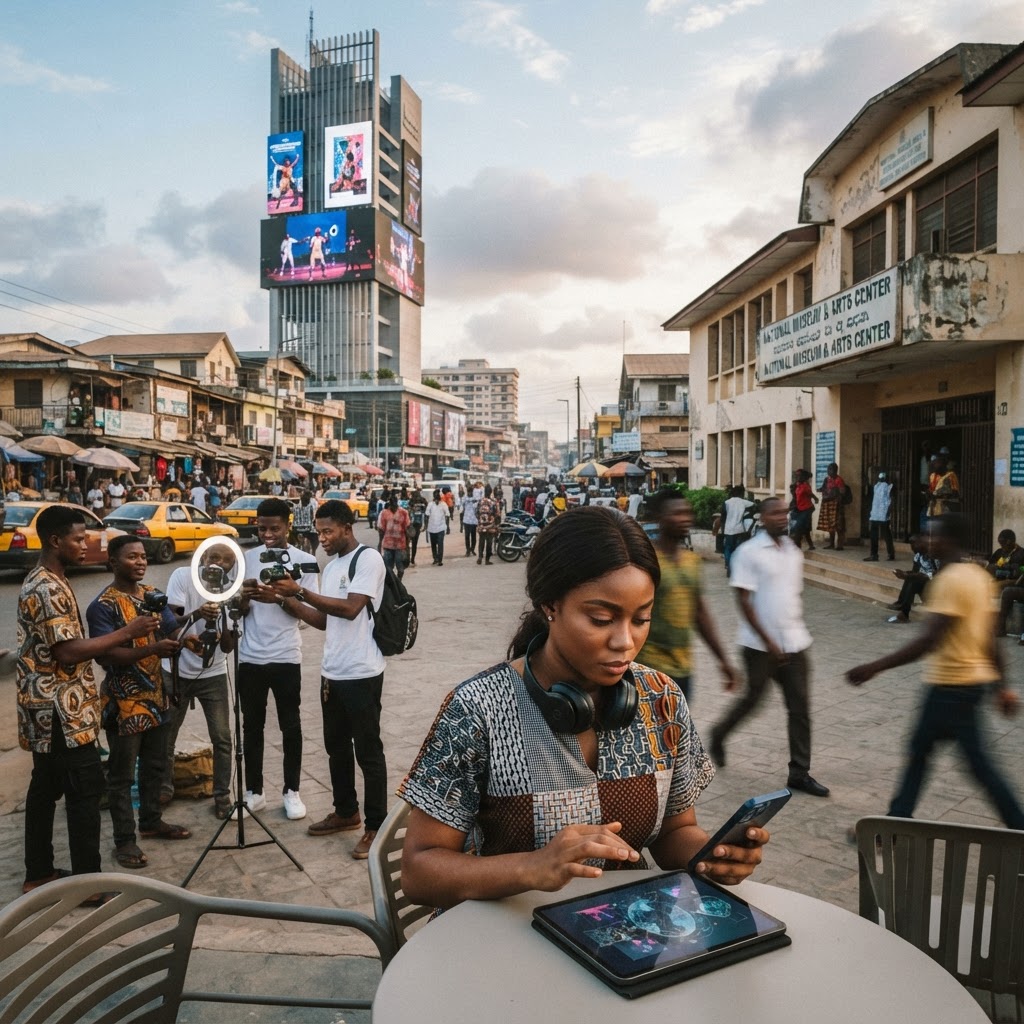
Global Culture at a Crossroads: Digital Booms, Institutional Realities, and Emerging Creative Hubs
While live performing arts face economic strains and aging demographics, global cultural investments, high-profile alliances, and digital-first creative sectors are charting a new path for international arts.