Diplomatic Deadlocks and Policy Shifts: Inside the High-Stakes Global Climate and Environmental Week
As high-stakes COP31 negotiations in Antalya reach a contentious climax over fossil fuels and climate finance, parallel decisions in Europe and fresh scientific assessments underscore the complex balancing act between environmental ambition and political pragmatism.
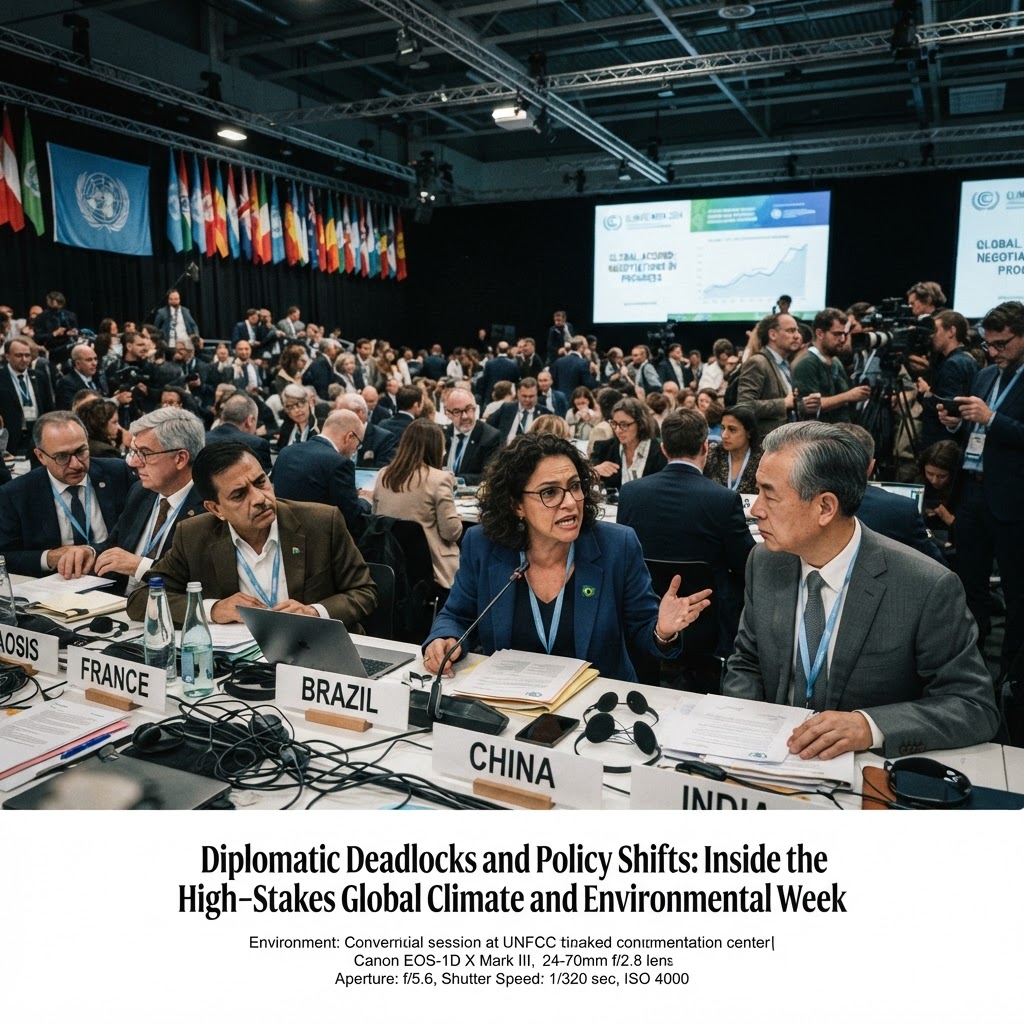
Crunch Time in Antalya: Tensions Peak at COP31
International environmental diplomacy faced a severe trial this week as the COP31 climate conference in Antalya, Türkiye, entered its critical final hours. Negotiators and government ministers found themselves locked in intense discussions across more than twenty unresolved agenda items, grappling with historic fault lines surrounding climate adaptation funding, mitigation responsibilities, and equitable financial support for the Global South. Despite UN Climate Chief Simon Stiell's insistence that an ambitious breakthrough remains within reach amidst fierce geopolitical headwinds, civil society watchdogs voiced alarm as late drafts appeared to water down or omit direct references to phasing out fossil fuels, mirroring controversies from past summits.
The Practical Track: Concrete Pledges and Energy Goals
Despite the high-level gridlock on broader treaties, concrete regional coalitions and sectoral initiatives advanced on the summit's sidelines. The Turkish presidency gathered support from dozens of nations for the '35x35' target, an ambitious proposal seeking to elevate electricity to 35 percent of all global final energy use by 2035. Concurrently, public and philanthropic donors mobilized more than $480 million in direct capital to curb short-lived climate pollutants such as methane across agricultural and industrial systems, bolstering technical programs in nations including Fiji, Pakistan, and Ethiopia. Island nations in the Pacific also secured major infrastructure resilience commitments, with the Green Climate Fund and Asian Development Bank mobilizing a $1 billion initiative aimed at safeguarding communities on the frontline of escalating sea-level rise.
Ecosystem Restoration and Nature-Based Solutions Advance
Biodiversity and terrestrial conservation took center stage alongside energy debates, framed around the imminent UN Decade for Afforestation and Reforestation. Multilateral partners launched the Peatland Breakthrough, establishing an aspirational $100 billion target by 2030 to preserve and rehabilitate high-carbon wetlands worldwide. Across developing forested states, jurisdictional conservation mechanisms gained renewed momentum: Madagascar unveiled a vast J-REDD+ framework encompassing roughly 55 percent of its native forest expanse, projected to abate millions of tons of emissions annually. Concurrently, broader ecosystem resilience saw diplomatic expansion as nations such as Albania formally entered the ENACT Partnership to scale nature-based solutions, emphasizing the ecological interlock between biodiversity survival and atmospheric stability.
Shifting Baselines: Regulatory Realpolitik in Europe
While delegates in Antalya sparred over international guidelines, policymaking within the European Union revealed contrasting dynamics between market realities and transition targets. European lawmakers finalized revisions to the bloc's Sustainable Finance Disclosure Regulation, establishing criteria that allow conventional energy corporations to access green transition capital provided at least 20 percent of their capital expenditures are directed toward clean activities with demonstrable annual increases. Though proponents view the compromise as a pragmatic mechanism to redirect massive institutional capital toward lower-carbon operations, conservation analysts and environmental organizations have expressed concern that excluding downstream scope 3 emissions could dilute the integrity of sustainable finance taxonomy.
A Gathering Storm of Ecological and Chemical Risks
The week's policy developments unfolded against sobering scientific evidence detailing broader environmental degradation. Beyond rising ocean surface temperatures that have sustained an unprecedented stretch of global heat, a joint assessment released by the United Nations Environment Programme and the World Health Organization highlighted the accelerating hazards posed by endocrine-disrupting chemicals found in routine industrial, domestic, and agricultural commodities. Estimating associated global health and environmental costs at over $1.1 trillion annually, scientists stressed that fragmented regulatory frameworks have left biological systems increasingly vulnerable. As international ministers continue round-the-clock sessions, the overarching message from scientists and observers remains clear: regulatory compromises and political deadlock carry mounting real-world consequences for planetary health.
Recommended for you
Similar to “Environment”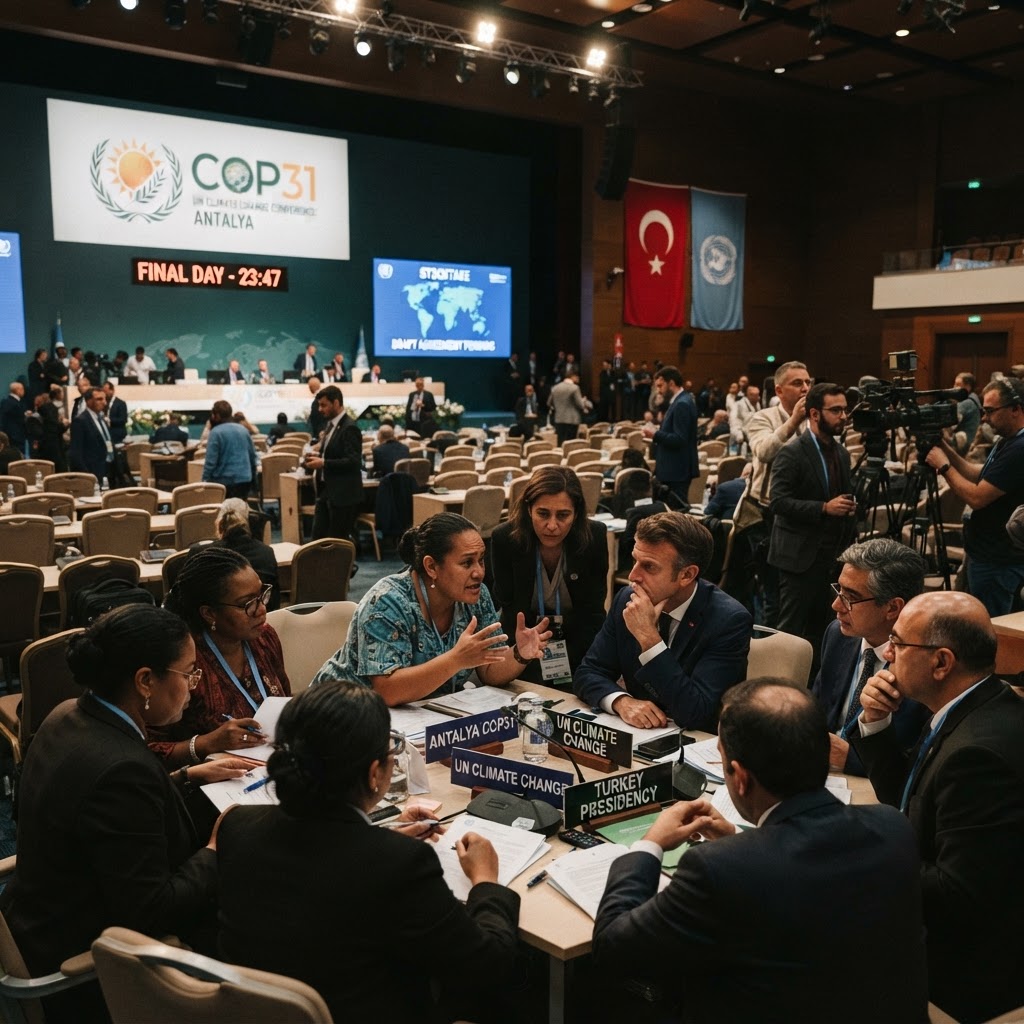
Diplomatic Deadlock and Ecological Momentum: Inside the Final Stretch of COP31 in Antalya
As high-level negotiations in Türkiye hit familiar political impasses over fossil fuel phaseouts and climate finance, parallel coalitions are pushing ahead on nature-based solutions, AI decarbonization, and regional resilience.
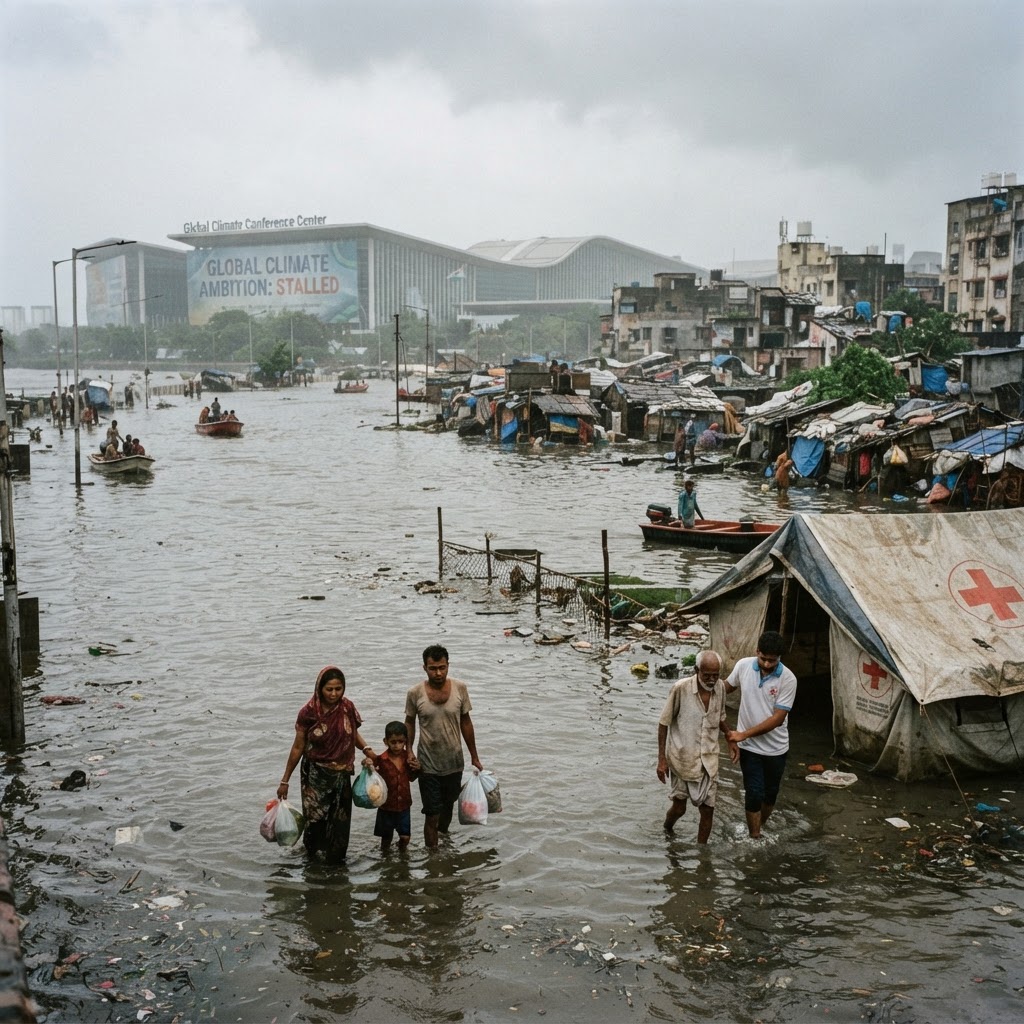
A Convergence of Ecological Crises: Escalating Floods, Health Threats, and Stalled Global Ambition
Recent scientific assessments and diplomatic negotiations reveal a widening gulf between accelerating climate shocks—from intensified flood peaks to rising health burdens—and stalled international environmental action.
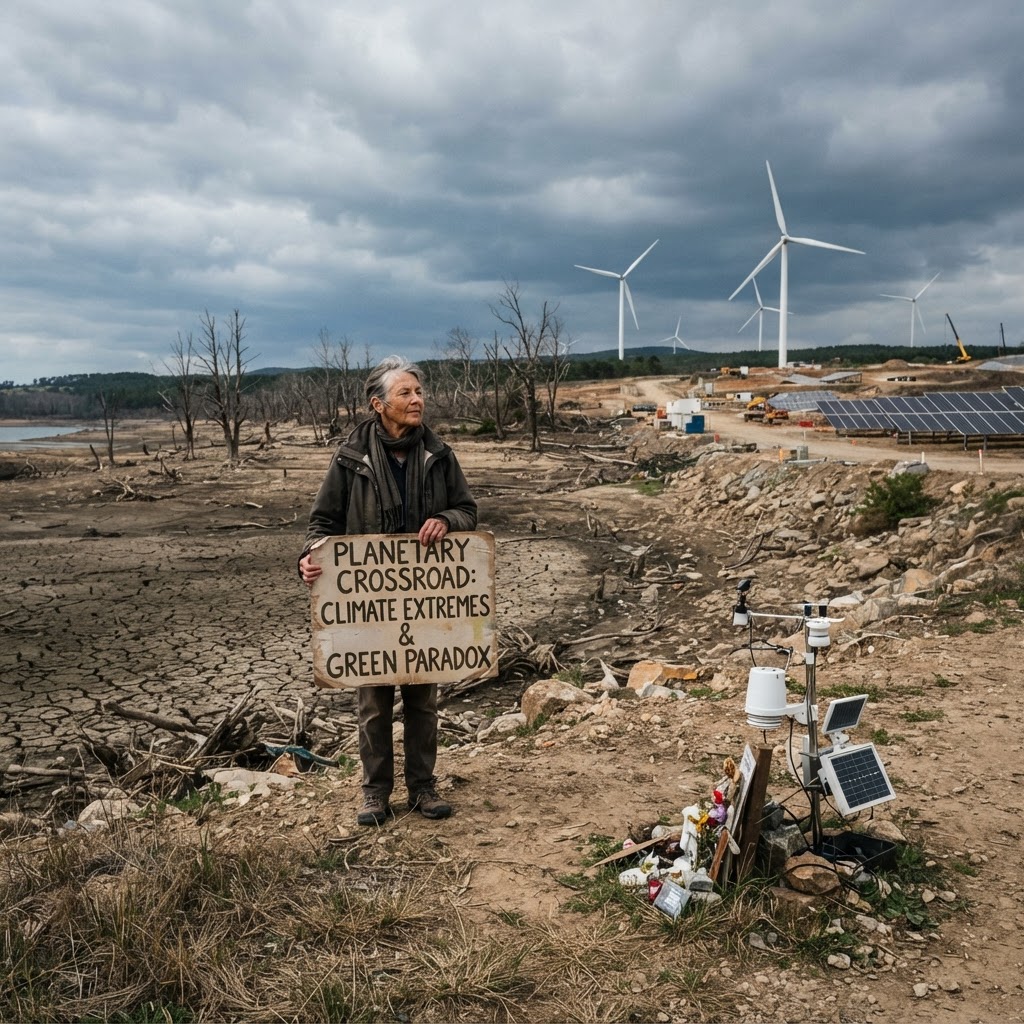
A Planetary Crossroad: Escalating Climate Extremes and the Paradox of Green Technology
As high-stakes climate negotiations unfold at COP31, new scientific assessments reveal intensifying climate feedback loops, while environmental leaders confront the twin challenges of trade barriers and the soaring resource appetite of green technologies.