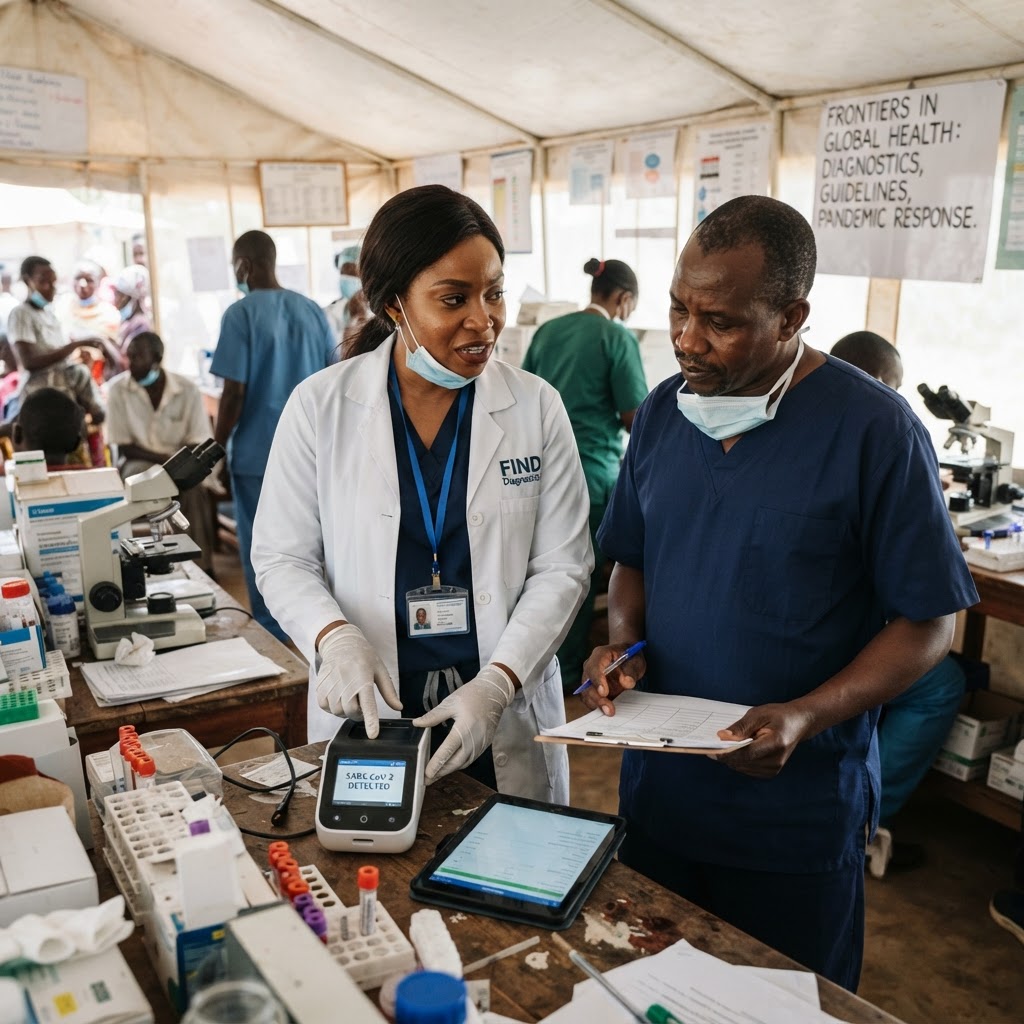
Frontiers in Global Health: Landmark Guidelines, Diagnostic Shifts, and the Fight Against Persistent Pandemics
From the release of the first adult type 1 diabetes standards and reassessments of heart stents and obesity metrics to accelerated vaccine trials and regional health pacts, international medicine is entering a decisive phase of reform.
A New Baseline for Chronic Disease Care
In a milestone for noncommunicable disease management, the World Health Organization (WHO) has issued its first dedicated clinical guidelines for managing type 1 diabetes in adults, according to the WHO Newsroom. For decades, global protocols for type 1 diabetes focused heavily on pediatric and adolescent cohorts, frequently leaving adult-onset and long-term adult management to fragmented regional frameworks. The new directive establishes unified global benchmarks for lifelong insulin therapy, routine glucose monitoring, and the prevention of vascular and kidney complications.
The announcement arrives alongside striking epidemiological reminders from the WHO Diabetes Fact Sheet, which reports that global diabetes cases surged from roughly 200 million in 1990 to more than 830 million in recent tallies, with the sharpest rise concentrated in low- and middle-income nations. Compounding the burden, more than half of affected individuals currently lack access to essential medications. By standardizing adult diagnostic regimens and long-term care guidelines, public health agencies hope to reduce the millions of cardiovascular and renal deaths linked to uncontrolled blood glucose.
Challenging Clinical Dogma in Cardiology and Metabolic Health
Alongside updated chronic care policies, multiple long-term clinical findings are prompting physicians to re-examine traditional treatment models. In interventional cardiology, a landmark 25-year follow-up evaluation reported across clinical networks, including Google News, revealed that routine percutaneous coronary intervention—such as early stent placement—does not provide superior long-term survival benefits compared to optimal medical therapy alone in patients with stable coronary heart disease. The multi-decade assessment highlights the vital role of sustained lifestyle modification and targeted pharmacotherapy, challenging the reflexive reliance on early invasive procedures when symptoms remain medically manageable.
Concurrently, metabolic medicine is undergoing an ideological transformation regarding weight and health. Research published in Nature and highlighted in a Reuters Health Summary suggests that only between one-quarter and one-third of individuals clinically categorized as obese under standard Body Mass Index (BMI) definitions actually exhibit poor systemic or metabolic health. The findings reinforce a growing movement across major endocrinology associations to phase out crude weight-to-height ratios in favor of nuanced diagnostic models evaluating visceral fat distribution, metabolic markers, and functional wellness.
Accelerating Next-Generation Vaccines and Infectious Disease Countermeasures
While chronic ailments command substantial clinical attention, public health coalitions are intensifying efforts against life-threatening bacterial and viral infections. According to the Global Health Technologies Coalition, an innovative combination vaccine candidate designed to protect against invasive nontyphoidal Salmonella and typhoid fever has progressed into Phase 2 human trials. Supported by CARB-X and the Wellcome Trust, the trial represents the first licensed-pathway candidate targeting invasive nontyphoidal Salmonella, a pathogen responsible for high pediatric mortality across vulnerable communities in developing countries.
Simultaneously, the European Union and African partners under the Global Health EDCTP3 Joint Undertaking reported major progress across 159 active programs backed by over €720 million in joint funding. These initiatives are driving forward novel tuberculosis vaccine candidates, therapeutic regimens for pediatric malaria, and safer treatments for pregnant women living with HIV. Infectious disease researchers emphasize that combining cross-border clinical trials with localized manufacturing capacity is the most resilient hedge against future supply chain ruptures.
Strengthening Regional Sovereignty and Pandemic Preparedness
In response to international supply imbalances, emerging economies are actively shifting from aid dependence toward localized self-sufficiency. As covered by Pan African News Media, regional bodies across Africa have convened to accelerate domestic pharmaceutical production and pooled drug purchasing, aiming to curtail reliance on imported medicines that currently constitute over 70% of local supplies. In West Africa, national health ministries have rolled out comprehensive reform plans addressing rural clinical shortages, pediatric oncology screenings, and expanded universal health insurance coverage.
On the international diplomacy stage, World Health Organization member states continue negotiations to finalize the Pathogen Access and Benefit-Sharing (PABS) Annex of the Global Pandemic Agreement, targeting ratification ahead of the 2027 deadline, as detailed by the WHO Newsroom. Complementing these multilateral frameworks, global health leaders have established the "Together for Science and Health" initiative, uniting more than 240 scientific and civil society organizations to counter health misinformation and reinforce public trust in evidence-based medicine.
The Trajectory of Global Wellness
From individual diagnostic overhauls to macroeconomic healthcare treaties, current developments reflect a cohesive pivot toward proactive, equitable, and scientifically rigorous medicine. Whether confronting historic gaps in adult diabetes care, refining cardiovascular interventions, or establishing resilient vaccine pipelines, the global medical landscape is increasingly shaped by collaboration, technological adaptation, and structural reform aimed at sustaining vulnerable populations across generations.
Recommended for you
Similar to “Global Health”
Global Health in Transition: Shifting Guidelines, Environmental Alarms, and Emerging Epidemic Hurdles
Recent major developments across international public health highlight transformative shifts in screening standards, growing alarms over environmental contaminants, and persistent challenges facing disease containment.
Global Health at a Crossroads: Tackling Chronic Crises, Emerging Pathogens, and Diagnostic Shifts
Recent major announcements across international public health spotlight urgent new clinical guidelines for diabetes and oncology alongside critical discoveries in pathogen transmission and neurodegenerative disease.
Frontiers and Fractures: Global Health Advances Amid Funding Shifts and Outbreak Crises
Recent breakthroughs in oncology and precision diagnostics are transforming modern medical practice, even as international public health infrastructure grapples with geopolitical funding shifts and persistent infectious disease crises.