Diplomatic Chessboards and Shifting Alliances: High-Stakes Summits Unfold Amid Rising Geopolitical Friction
As major world leaders converge across Asia for a critical series of regional forums and an unprecedented trilateral summit, intensifying military tensions and domestic political battles test global stability.
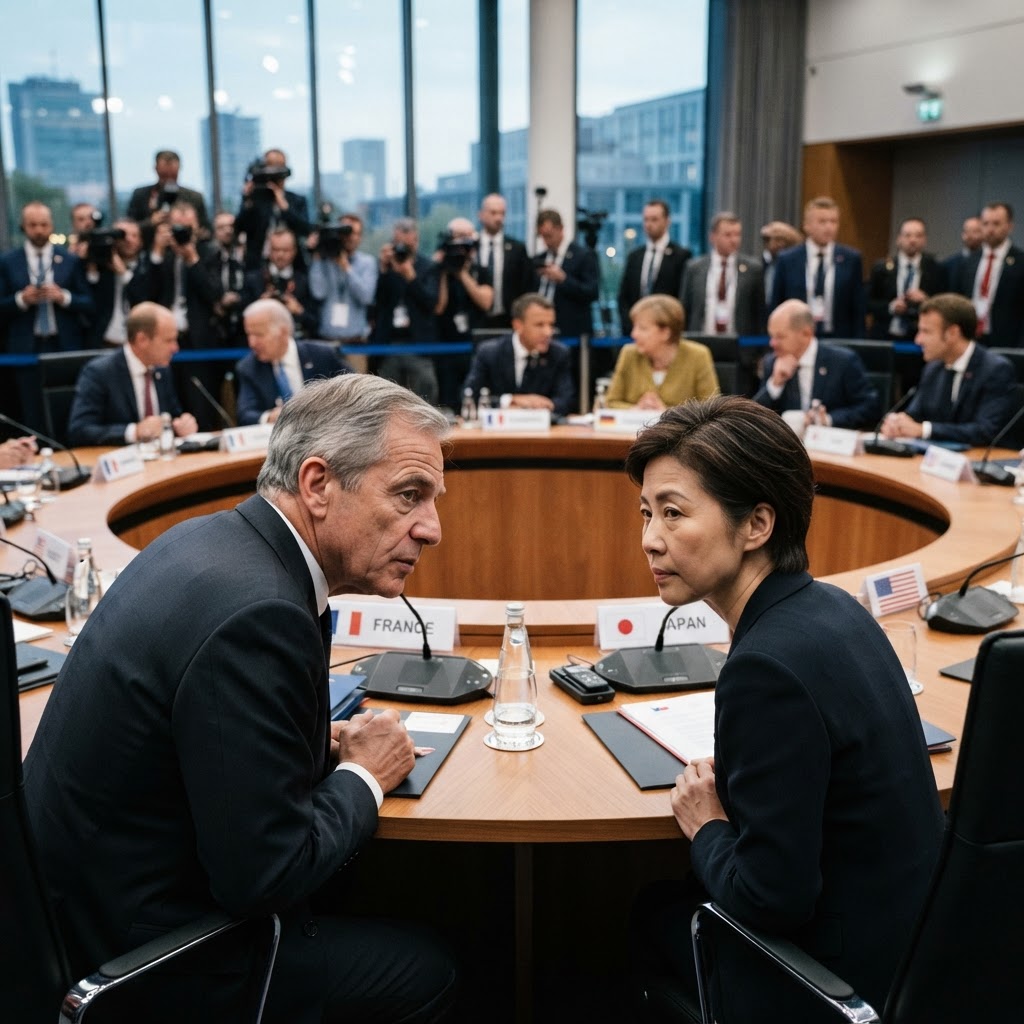
A Complex Convergence of Great Powers
International diplomacy is navigating a uniquely volatile landscape as heads of state prepare for high-stakes engagements across the Asia-Pacific corridor. U.S. President Donald Trump has embarked on a pivotal regional itinerary, commencing with multi-party engagements alongside the Quad grouping—comprising Japan, Australia, and India—in Manila, before attending wider Association of Southeast Asian Nations (ASEAN) and Asia-Pacific Economic Cooperation (APEC) deliberations. The overarching spotlight, however, remains fixed on an impending trilateral gathering with Chinese President Xi Jinping and Russian President Vladimir Putin, as highlighted by contemporary reports from outlets including 10 Things Global News and The New York Times.
The scheduled trilateral meeting represents a stark diplomatic test. Observers note that while discussions are anticipated to touch on strategic arms control and volatile regional flashpoints, deep rifts persist over global security architecture. Observers in Kyiv, led by Ukrainian President Volodymyr Zelenskyy, have voiced pointed concerns regarding any major-power maneuvering that risks sidelining regional sovereignty or redistributing international influence without comprehensive multilateral assent. Meanwhile, middle-tier economies and Asian partners are using regional forums to actively diversify their economic and supply chain arrangements, hedging against ongoing unpredictability in great-power rivalry as detailed in coverage by The Japan Times.
Airspace Incursions and Escalating Regional Flashpoints
The delicate diplomatic overtures are unfolding against an immediate backdrop of military friction. In East Asia, defense postures sharpened following reports that suspected Russian military aircraft breached Japanese airspace near Fukuoka and entered South Korea’s air defense identification zone over the Sea of Japan. Both Tokyo and Seoul scrambled interceptor fighters to manage the perimeter, lodging firm diplomatic protests with Moscow. The friction underscores the fragility of regional accords, particularly between Japan and Russia, which continue to contend with territorial disputes northeast of Hokkaido.
Simultaneously, the broader international theater remains roiled by ongoing confrontations across Eastern Europe and the Middle East. Strategic infrastructure continues to endure targeted strikes, such as renewed assaults on critical transit corridors in Crimea, while maritime threats in crucial energy arteries—including the Red Sea and surrounding waterways—raise global trade anxieties. The strategic strain has compelled key administrations to balance assertive foreign policy with domestic calls for de-escalation, highlighted by internal U.S. debates surrounding military commitments in the Gulf and broader international theaters.
Domestic Political Maneuvering Reshapes Internal Agendas
While foreign policy dominance captures summit headlines, internal state politics are exerting significant counter-pressures on national leaderships worldwide. In Washington, the political landscape is realigning in the wake of consequential legislative shifts. As reported by The Japan Times World Politics, heightened scrutiny over executive decisions, corporate tech governance, and export controls has intensified parliamentary oversight, placing administrative personnel under sharper domestic constraints.
Parallel governance pressures are evident in Tokyo, where Prime Minister Sanae Takaichi’s government is balancing ambitious defense-spending evaluations and energy security proposals—such as pushing for regional energy safeguards at the Asia Zero Emission Community (AZEC) summit—against domestic legislative friction over parliamentary reform. Farther west, political volatility continues to shake domestic institutions, evidenced by parliamentary friction in Jerusalem and heightened contention across European capitals seeking contentious shared migration accords. As geopolitical alignments are tested on the international summit stage, the ability of global leaders to project enduring authority will ultimately hinge on managing these mounting domestic strains at home.
Recommended for you
Similar to “Geopolitics”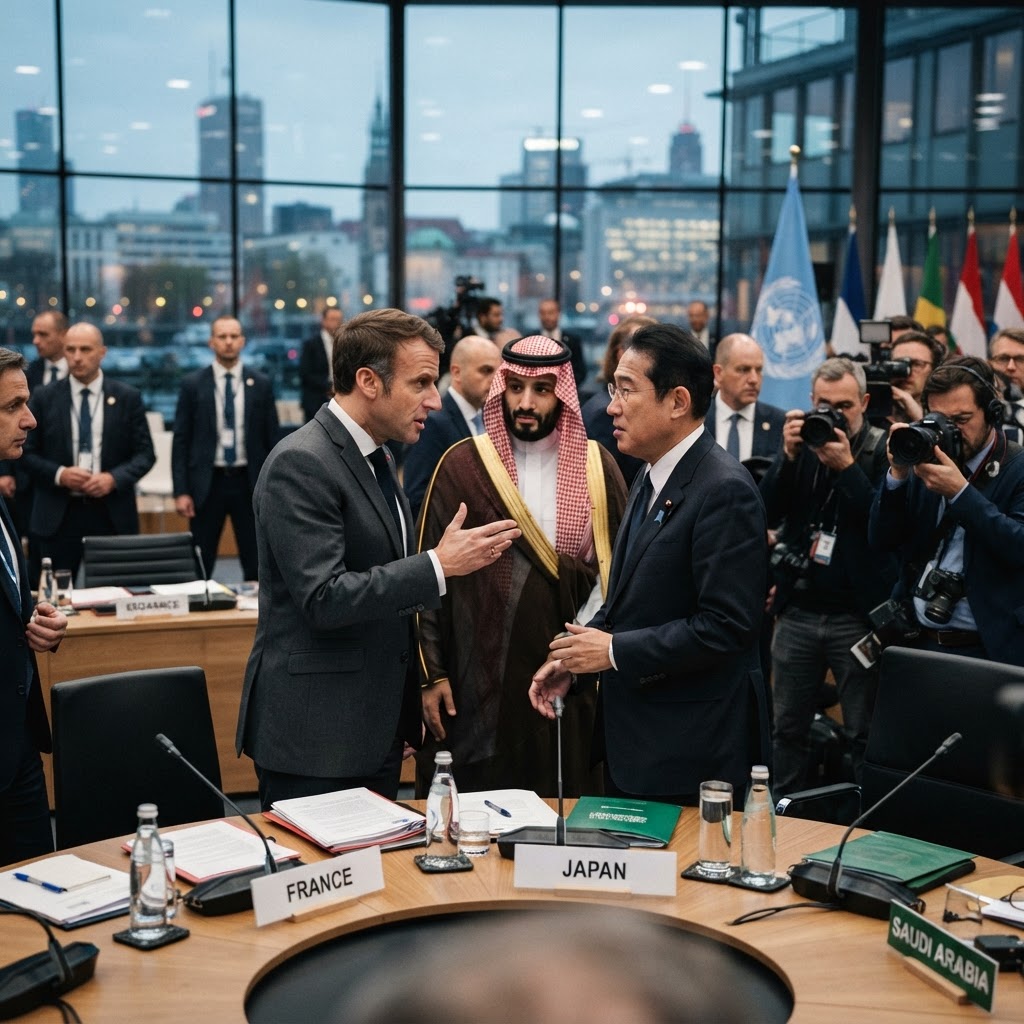
Diplomatic Realignments and Security Fractures: Global Politics Navigates High-Stakes Summits and Geopolitical Friction
As international leaders reconvene for vital summits amid shifting security alliances and economic strain, high-stakes diplomacy tests transatlantic ties and domestic political stability across major capitals.

Diplomatic Realignments and Domestic Turmoil: The Shifting Currents of Global Politics
As high-stakes international summits navigate rising tensions over Taiwan and regional conflicts, domestic political institutions confront fresh judicial debates, contentious legislative hearings, and critical electoral milestones across the globe.
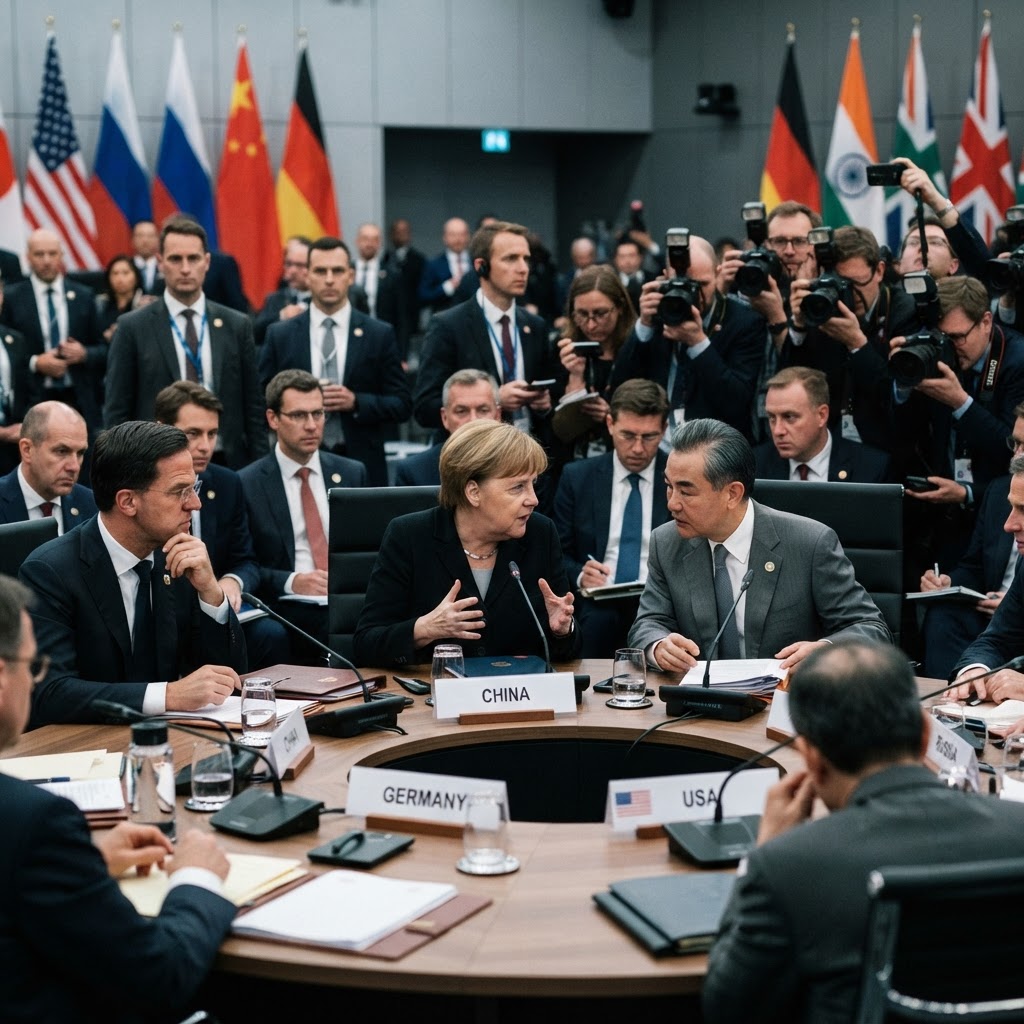
A Volatile Diplomatic Pivot: Great Power Summits, Shifting Coalitions, and Rising Regional Fractures
As high-stakes summits in Asia test alliances and bring global superpowers to Shenzhen and Manila, parallel security crises from Eastern Europe to the Middle East are reshaping international geopolitics.