A Fractured Transition: Climate summits, economic nationalism, and the reordering of global governance
As global commentators reflect on recent political shifts and diplomatic summits, international opinion reveals an overarching convergence: the old frameworks of global governance and climate cooperation are buckling under the weight of geopolitical fragmentation.
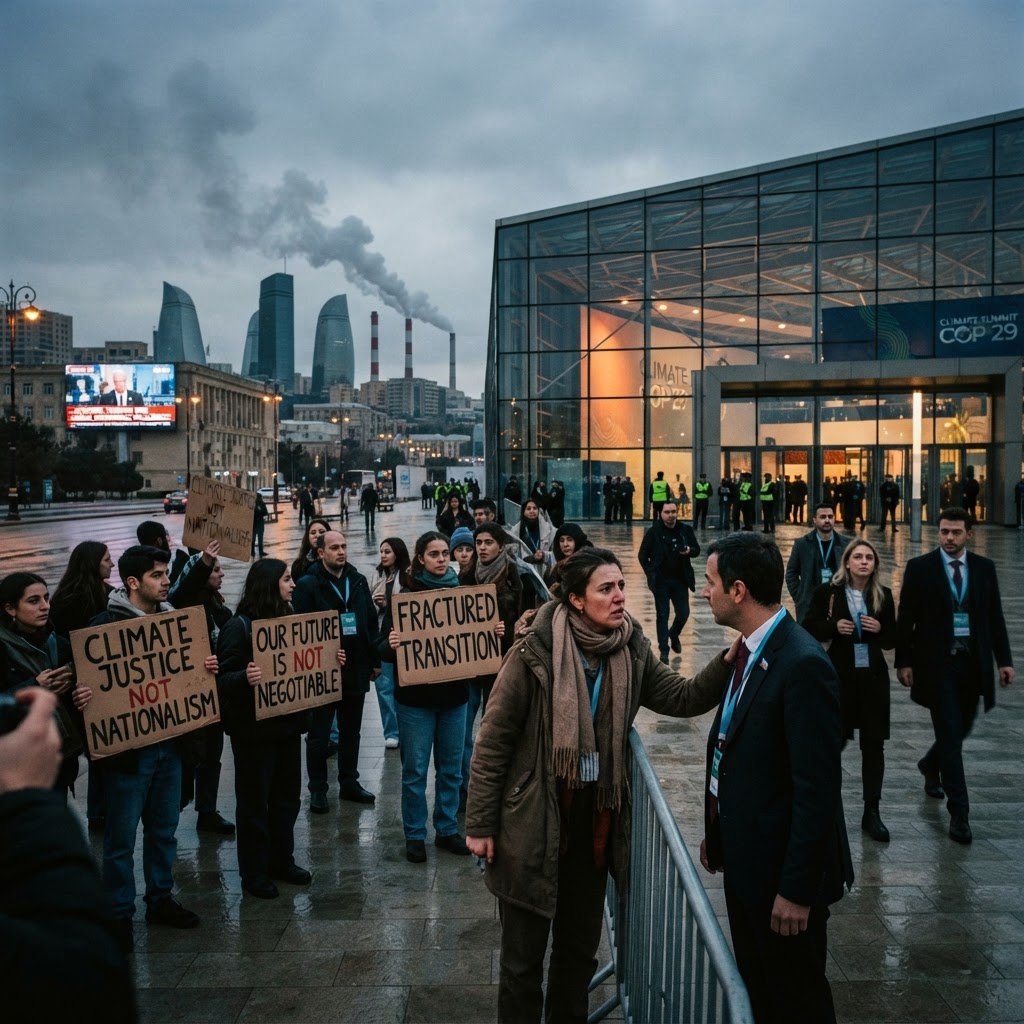
The Shifting Tides of Global Governance
In recent days, the world’s leading editorial boards and opinion commentators have converged on a central realization: the postwar institutional consensus is undergoing its most acute stress test in decades. Across commentary platforms from Project Syndicate to international policy forums, analysts are moving past short-term electoral assessments to examine the deeper structural fracturing reshaping international relations. Where past decades treated globalization, multilateralism, and green transition agendas as inevitable forward marches, today's editorial voices depict a world divided along regional, technological, and ideological frontiers.
Rethinking Climate Action Beyond Market Fixes
Much of this week’s commentary centers on the COP31 climate negotiations taking place in Antalya, Türkiye, where the dialogue among civil society thinkers and economic columnists has grown pointedly skeptical of business-as-usual commitments. According to commentary from researchers at the Institute of Development Studies, global climate action has remained overly fixated on narrow technocratic fixes—such as digital warning systems—while marginalizing the lived realities of pastoralists and frontline communities contending with extreme heatwaves and compounding environmental destruction. The growing chorus insists that climate justice can no longer rely on market incentives alone.
Economic theorist Mariana Mazzucato underscored this sentiment in recent commentary for Project Syndicate, arguing that effective climate action fundamentally requires capable states rather than mere corrections to market failures. Relying exclusively on private capital mobilization has failed to deliver the structural transformation required to meet climate realities. Simultaneously, debates surrounding the green transition are being forced to confront supply chain sovereignty. With global electrification goals intensifying demand for critical minerals, analysts like Daniel Gros have highlighted how resource competition and the threat of supply embargos from major powers like China are reshaping industrial policies across Europe and North America.
The Reordering of the Arctic and Strategic Commons
The collision between climate change and geopolitical rivalry is perhaps nowhere more visible than at the poles. Recent analysis in the South China Morning Post highlights that the accelerating thaw of Arctic sea lanes is intensifying rivalries among major powers seeking shorter transit routes and resource extraction opportunities, even as extreme conditions and environmental fragility complicate commercial viability. Commentators at the Global Policy Journal further point out that the era of 'Arctic exceptionalism'—the notion that northern governance could exist outside broad geopolitical confrontation—has ended, prompting nations to construct new bilateral and regional coalitions outside traditional international bodies.
Democratic Realignment and Populist Resilience
Beyond natural frontiers, political commentators have spent the week unpacking voter sentiments and electoral shocks. In the aftermath of significant midterm elections in the United States, pollsters at Ipsos reported that household inflation and economic anxieties continue to dominate the public mood, deeply influencing approval ratings and institutional trust. While progressive commentators such as Jonathan Freedland in The Guardian observed setbacks for hard-right candidates, cultural critics like Slavoj Žižek cautioned that treating populist figures as isolated phenomena ignores the decaying socioeconomic baseline that spawned them.
Meanwhile, institutional shifts in Washington—analyzed by Wall Street Journal observers—reflect an intensifying partisan contest over administrative oversight and legislative leverage, illustrating how domestic polarization impedes long-range foreign policy consistency. Across the Global South, from South Asia to the Commonwealth nations, editorialists lament that media credibility itself is deteriorating into partisan battlegrounds, eroding the civic infrastructure necessary to hold democratic institutions accountable.
Regional Fragmentation vs. Pragmatism
On the international stage, regional alliances are struggling to project coherence. In Southeast Asia, analysts warn of an 'ASEAN paradox,' wherein internal divisions paralyze the bloc just when collective regional leadership is most urgently needed. By contrast, commentary focusing on Latin America notes how domestic political movements, such as Mexico's governing coalition, have preserved robust popularity by embracing ideological pragmatism rather than doctrinal purity.
What connects this disparate wave of opinions—from European monetary sovereignty and central bank digital currencies to African climate finance—is the shared conclusion that incremental adjustments within legacy institutions are no longer adequate. Whether grappling with algorithmic disruption, strategic resource chokepoints, or democratic erosion, the world's leading analysts argue that governance must be rebuilt around durable state capabilities, reliable local partnerships, and pragmatic coalitions capable of enduring an era of systemic volatility.
Recommended for you
Similar to “Global Opinion”
A World Turning Inward: How Fractured Alliances and Economic Nationalism Are Redefining Global Governance
Recent commentary across leading global editorial pages reveals an escalating anxiety over economic nationalism, shifting migration compacts, and the gradual disintegration of post-war international frameworks.
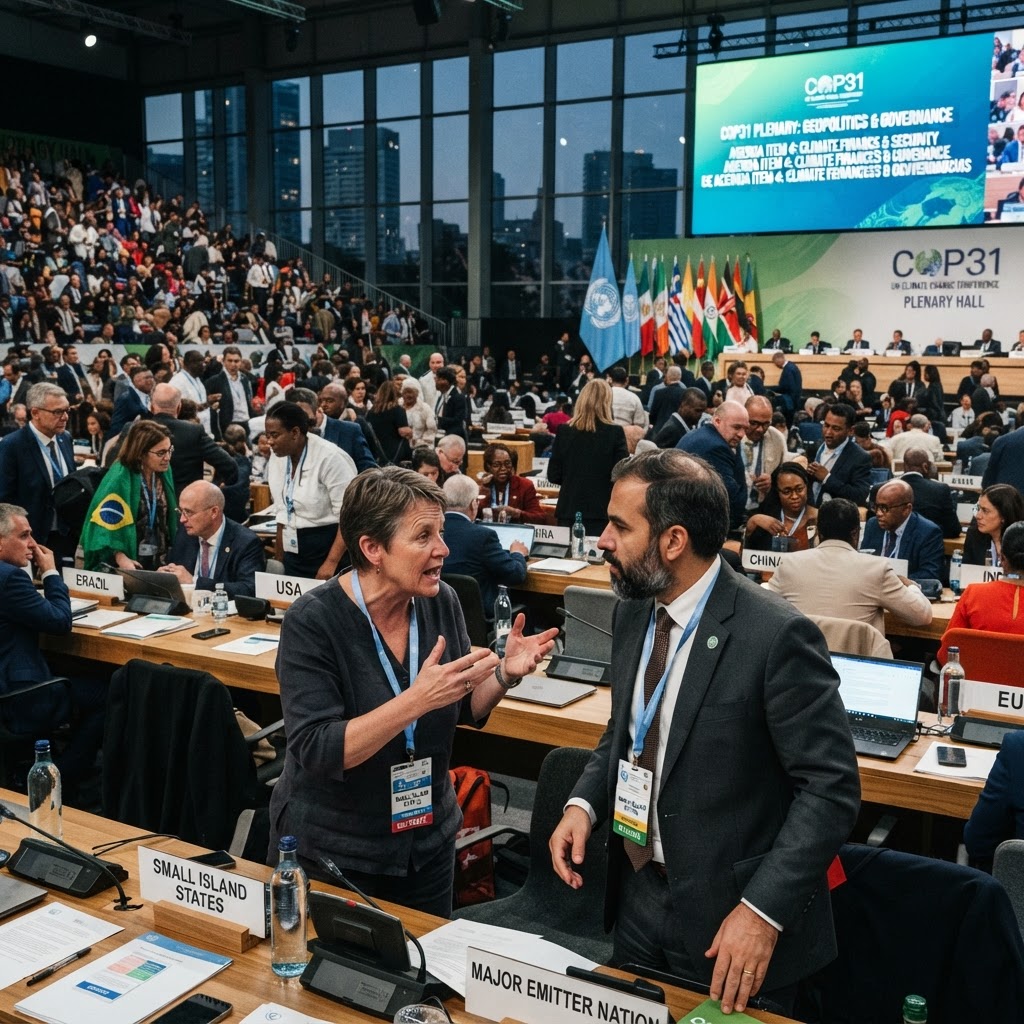
A Fractured Planet: Why Climate Governance and Geopolitics Are Colliding at COP31
As global commentators debate the stakes of COP31 in Antalya alongside shifting geopolitical tides, international opinion increasingly points toward a structural breakdown in traditional multilateralism.

A Fractured Consensus: How Opinion Pages Are Wrestling With the Global Polycrisis
Editorial pages across the globe are grappling with simultaneous disruptions in technology competition, economic inequality, and institutional polarization. As traditional geopolitical frameworks buckle, commentators are urging structural shifts rather than piecemeal remedies.