A Convergence of Ecological Crises: Escalating Floods, Health Threats, and Stalled Global Ambition
Recent scientific assessments and diplomatic negotiations reveal a widening gulf between accelerating climate shocks—from intensified flood peaks to rising health burdens—and stalled international environmental action.
The Escalating Mechanics of Hydroclimatic Disasters
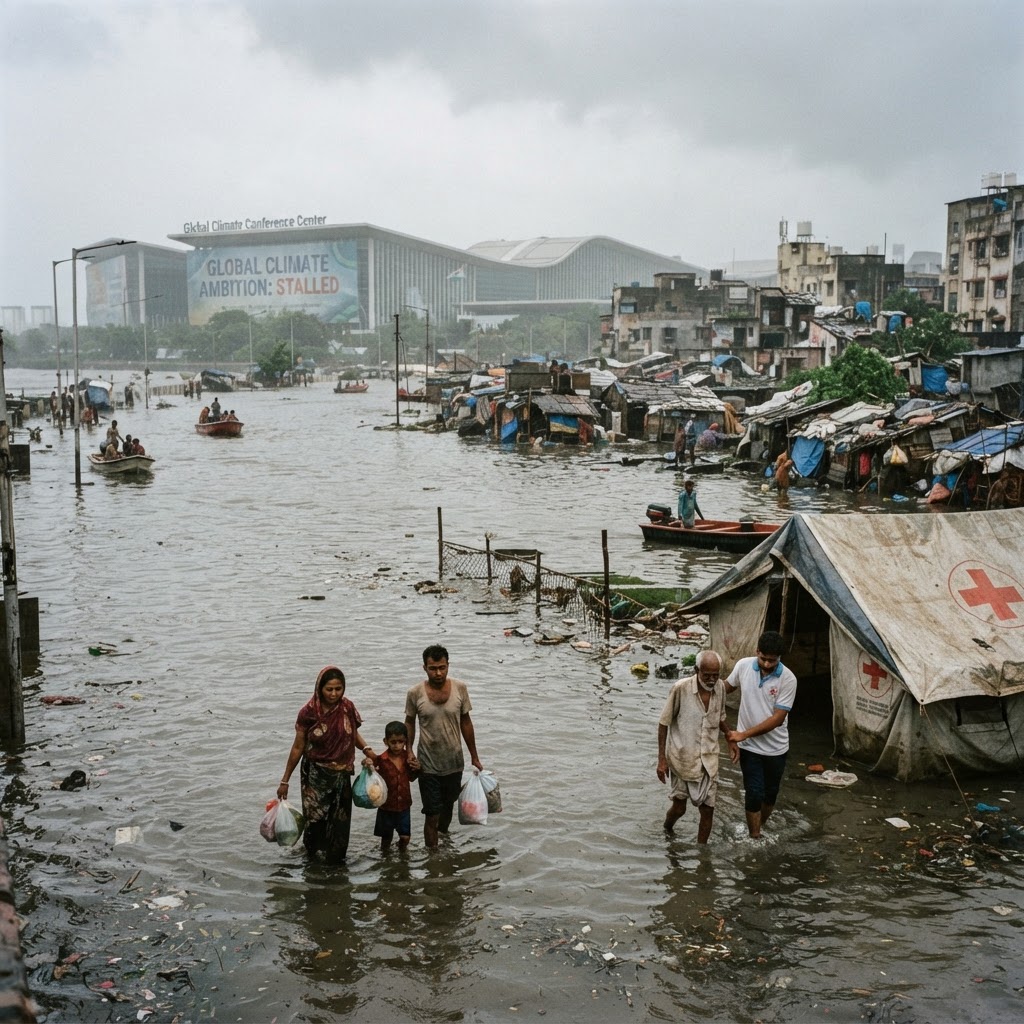
For decades, environmental scientists have documented how human-induced warming increases the atmosphere's moisture capacity, leading to heavier bouts of rainfall. However, recent hydrologic research demonstrates that the real-world consequences of these downpours are far more non-linear and destructive than traditional modeling suggested. According to findings published by researchers in Science Advances, climate change magnifies riverine flood crests far beyond the nominal percentage rise in precipitation. In an analysis of severe European inundations, investigators paired climate simulations with advanced hydrological models—including machine learning systems—to study basin-wide water movement. The modeling showed that while global warming accounted for an estimated 6 to 9 percent increase in total rainfall during major storm events, the corresponding river flood peaks surged by 14 to 22 percent.
This disproportionate amplification stems from the physics of soil saturation. During prolonged downpours, topsoil quickly reaches its maximum absorption capacity. Once saturation occurs, every additional millimeter of precipitation transitions directly into surface runoff, cascading straight into river catchments rather than filtering into subterranean water tables. As extreme weather patterns lock in, these thresholds are reached earlier and more often, rendering traditional municipal flood barriers and hydrological engineering obsolete.
The Quantifiable Human Toll: Health at the Climate Frontline
While the physical landscape absorbs unprecedented hydraulic strain, the biological and epidemiological tolls of global environmental change are mounting at a commensurate rate. The latest ten-year assessment by The Lancet Countdown tracks dozens of indicators measuring the collision between human biology and an altered biosphere. For the first time, researchers directly quantified global heat-related mortalities attributable to anthropogenic warming, calculating an average toll of approximately 370,000 deaths annually.
The health crisis extends beyond ambient heat. Increased flooding displaces communities and facilitates waterborne pathogen outbreaks, while agricultural disruption and volatile rainfall threaten food security. Vulnerable populations in low-income regions, who have historically contributed the least to global carbon emissions, bear the brunt of these compounding health burdens. Concurrently, environmental health researchers stress that phasing out fossil fuels delivers immediate local benefits: the transition toward clean power has already saved hundreds of thousands of lives globally each year merely by curbing toxic indoor and ambient air pollution.
The Policy Chasm and the 1.5°C Reality Check
Despite mounting scientific warnings, the international policy response remains mired in severe political and financial inertia. The United Nations Environment Programme (UNEP) reports that current state-level policies place the planet on track for roughly 2.8°C of warming this century, far exceeding the targets set under the Paris Agreement. Even full adherence to existing non-binding pledges would still leave the world facing approximately 2.6°C of warming.
UNEP experts note that overshooting the critical 1.5°C threshold is increasingly considered unavoidable in the medium term. Under the best plausible scenarios, average global warming will likely peak between 1.7°C and 1.8°C before aggressive carbon removal and systemic decarbonization could potentially lower temperatures back toward safe levels by 2100. UNEP leadership has emphasized that curbing short-lived 'super pollutants,' particularly methane—which accounts for roughly one-third of observed global warming to date—represents the most actionable lever to curb near-term warming spikes and avert immediate tipping points.
Diplomatic Gridlock and Deepening Clashes Across Terrestrial and Marine Habitats
The institutional friction surrounding climate action is mirroring tensions across global conservation and marine protection regimes. Developing economies are increasingly vocal about climate justice and the lack of financial solidarity. As reported by the Mail & Guardian, leaders and negotiators representing developing regions, particularly across Africa, are rejecting what they characterize as charity-based adaptation funding, demanding instead legally binding loss-and-damage transfers and fair valuation for environmental protection services.
Parallel impasses are fracturing global conservation treaties. In maritime governance, recent multilateral gatherings have failed to reach consensus on establishing marine protected areas in Antarctica to rein in commercial krill fisheries, sparking international conservation boycott campaigns. Meanwhile, national jurisdictions continue to face intense pressure from extractive industries: regulatory audits indicate that protected marine corridors in Europe are failing to shield critical biodiversity from industrial bottom trawling, while domestic agencies in other regions face scrutiny over bids to open vast oceanic reserves and deep-sea frontiers to commercial exploitation. From saturated river basins to degraded ocean habitats, the scientific signal is unmistakable: incremental conservation measures are failing to keep pace with the systemic acceleration of planetary disruption.
Recommended for you
Similar to “Environment”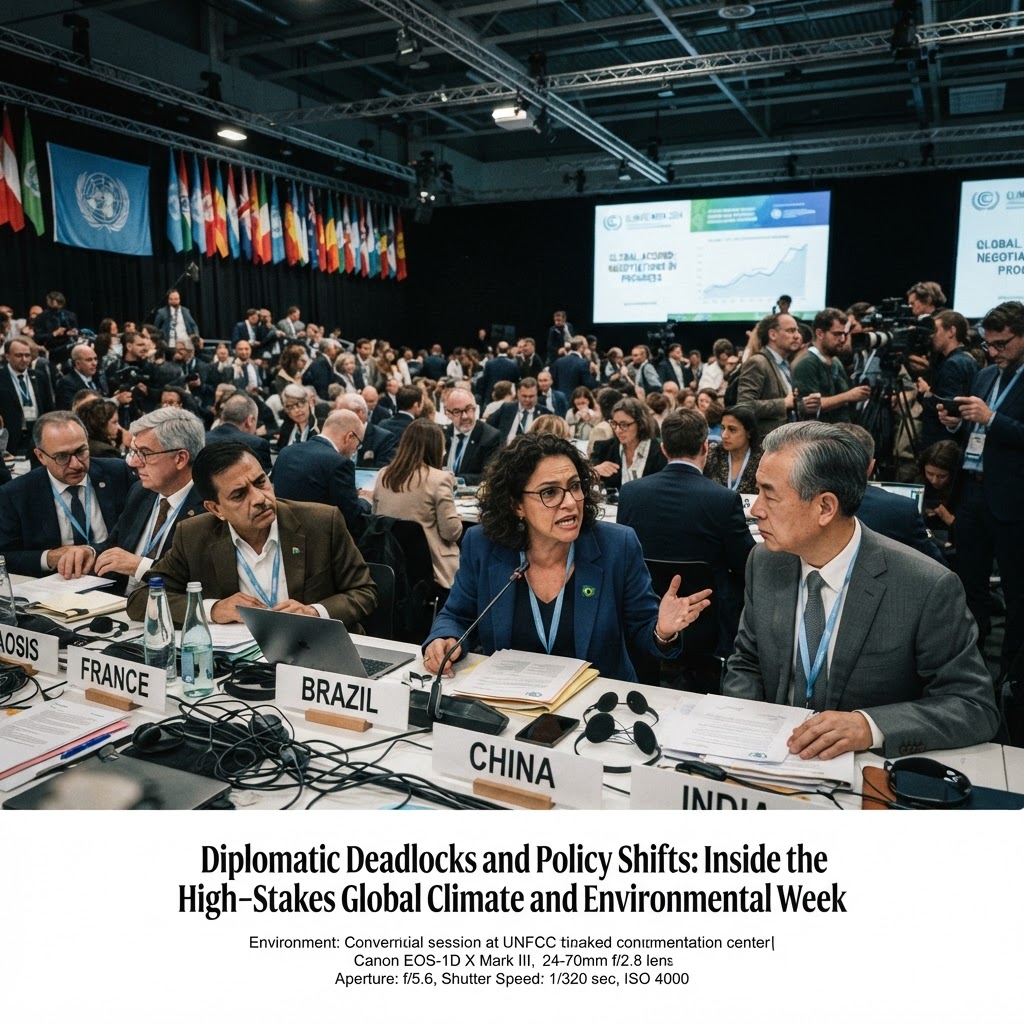
Diplomatic Deadlocks and Policy Shifts: Inside the High-Stakes Global Climate and Environmental Week
As high-stakes COP31 negotiations in Antalya reach a contentious climax over fossil fuels and climate finance, parallel decisions in Europe and fresh scientific assessments underscore the complex balancing act between environmental ambition and political pragmatism.
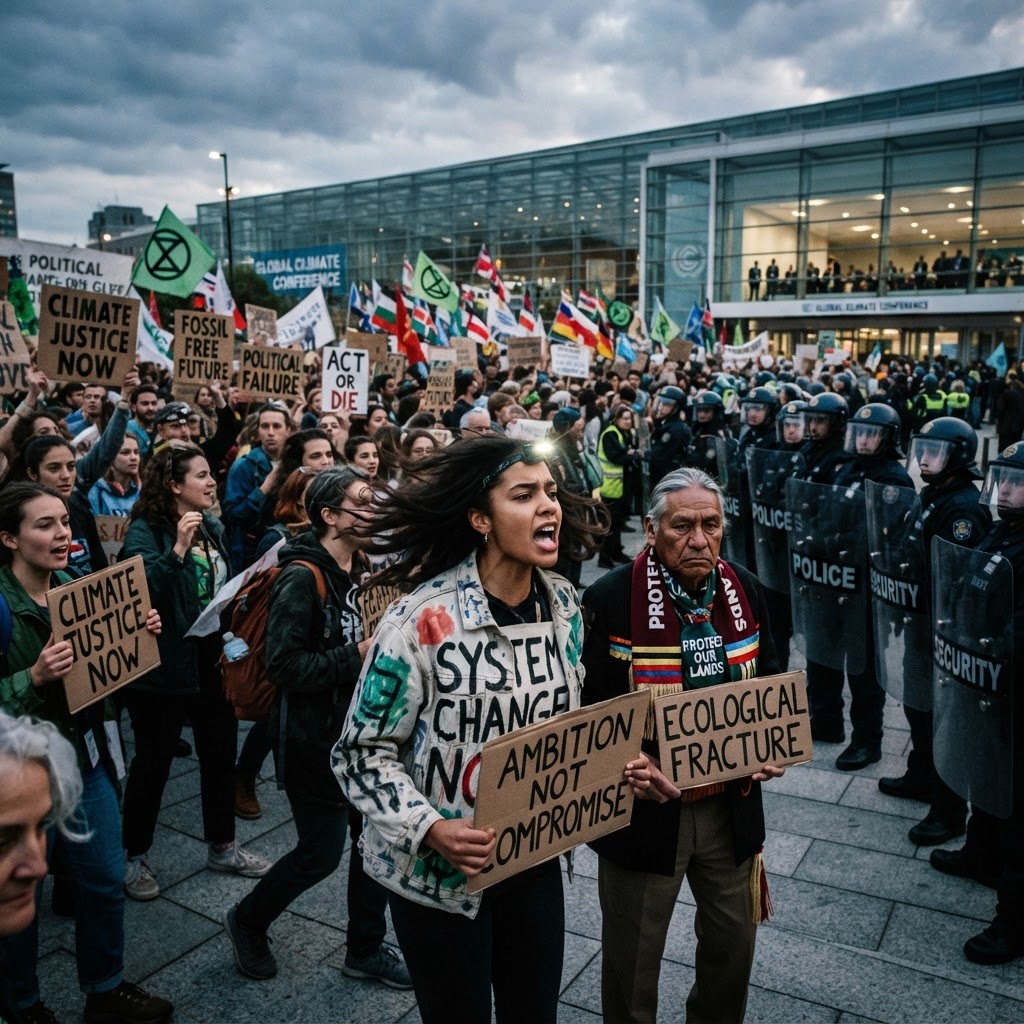
Between Ambition and Backlash: Global Climate Efforts Confront Deepening Political and Ecological Fractures
Even as scientific evidence highlights escalating climate risks and regional vulnerabilities, international policy and domestic environmental governance face mounting legal disputes and shifting political headwinds.
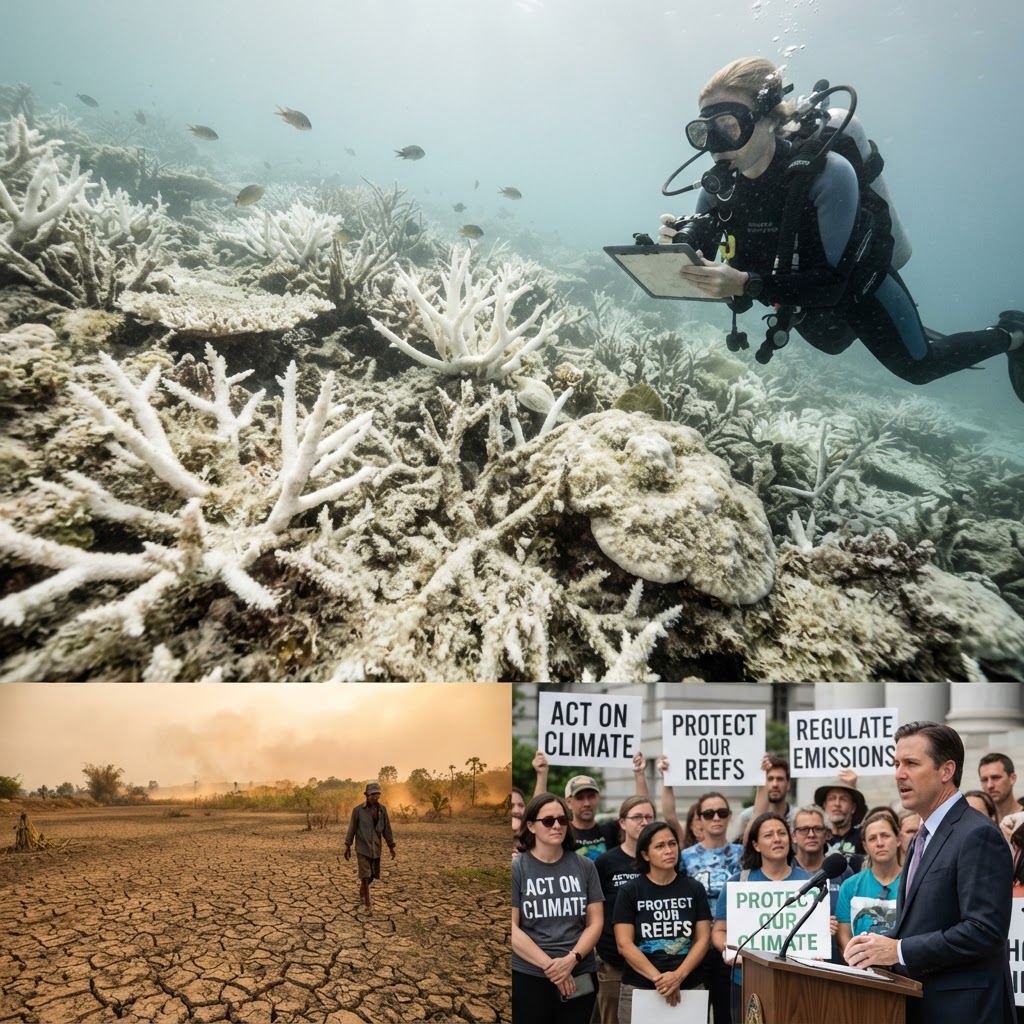
Collapsing Reefs, Scorching Heat, and Regulatory Pivots: The Mounting Strains on Global Ecosystems
Recent ecological findings reveal escalating threats to marine biodiversity and surging human casualties from climate extremes, while global policymakers recalibrate conservation targets and environmental compliance frameworks.