Weaving Continuity and Reclaiming Identity: The Global Resurgence of Living Heritage
Around the world, cultural institutions, artists, and indigenous craftspeople are reimagining centuries-old traditions to navigate modern creative and technological shifts.
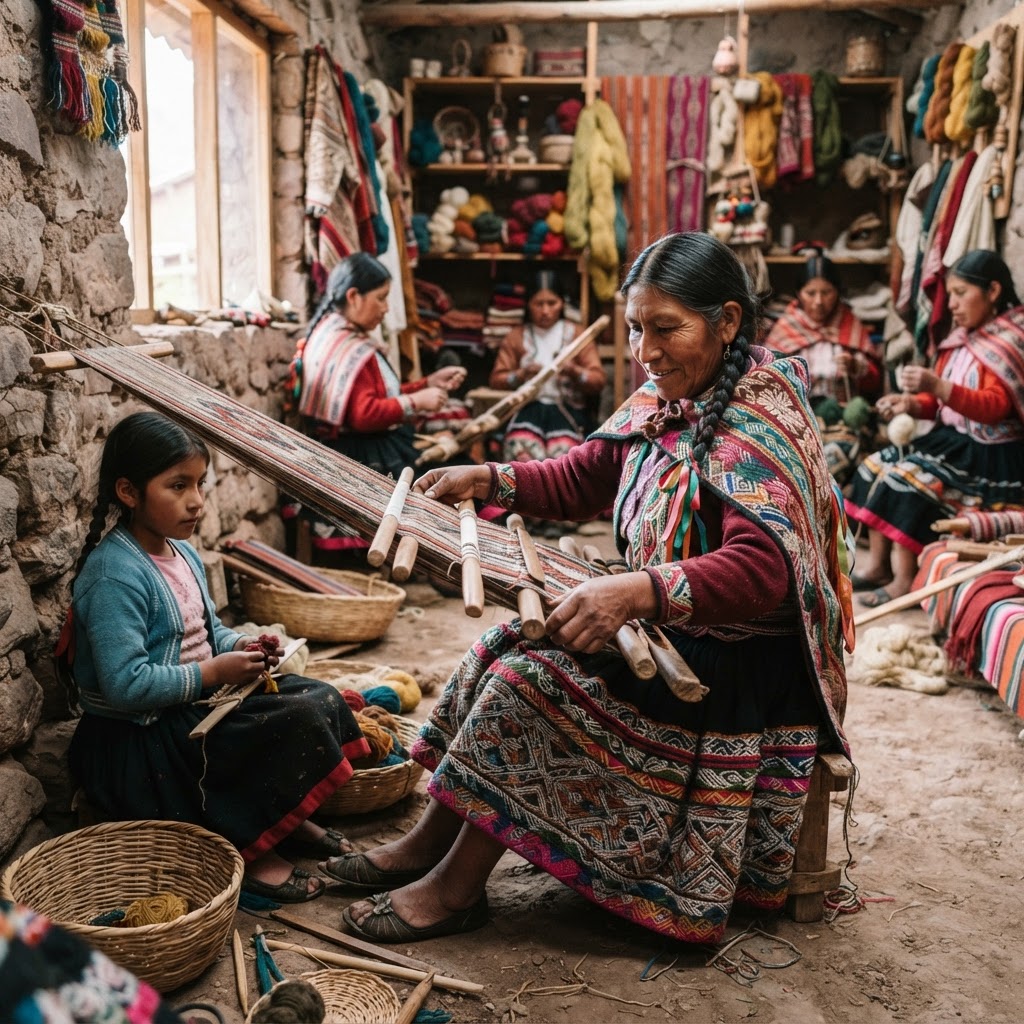
The Revival of Indigenous Craft and Local Textures
In recent days, the global cultural landscape has witnessed a pronounced turn toward tactile authenticity and regional heritage. Across creative capitals and ancient settlements alike, artists and communities are asserting the endurance of living craft against the tide of homogenized mass production. A vivid manifestation emerged at the latest GTCO Fashion Weekend in Lagos, Nigeria, where modern runways were anchored by an expanded Craft and Fabric Market. Rather than treating indigenous arts merely as decorative novelty, the platform put local master weavers and dyers front and center, honoring traditions such as Aso-oke and Adire alongside contemporary haute couture, according to coverage by Premium Times. The establishment of dedicated textile directories and cross-disciplinary collectives signals an institutional pivot toward ensuring that ancestral knowledge translates into sustainable, generational economies.
This dedication to the preservation of tangible making is echoed internationally. In Bethlehem, the ongoing 'Living Hands' initiative reported by UNESCO has paired contemporary product designers with local Palestinian artisans to revitalize six endangered traditional crafts. Similar efforts in historical hubs like Jeddah, Saudi Arabia, as highlighted by Arab News, are mobilizing young practitioners to safeguard ancient artisanal legacies. Across these varied contexts, traditional techniques are no longer relegated to museum dioramas; they are thriving in modern studios as vital instruments of community resilience and cultural self-determination.
Reinterpreting Historical Canon and Restituting Memory
Concurrently, the international art world is re-evaluating its foundational narratives, peeling back layers of historical orthodoxy. In London, discussions among art historians and curators have been sparked anew by reconsiderations surrounding Jan van Eyck’s canonical Renaissance portraiture, as detailed by The Art Newspaper. At the National Gallery, fresh conservation projects and comparative exhibitions are prompting scholars to revisit centuries-old identifications, reminding contemporary viewers that the canonical art historical record remains living, open to debate, and subject to continuous scholarly discovery.
Alongside theoretical re-evaluations lies a growing commitment to the physical repatriation and loaning of cultural objects. The collaborative agreements between major Western institutions—such as the British Museum and the Victoria and Albert Museum—and Ghana’s Manhyia Palace Museum to facilitate the extended display of historic Asante regalia represent an evolving paradigm in institutional museology, also highlighted by The Art Newspaper. Rather than viewing heritage collections through the lens of static acquisition, international custodians are acknowledging the ethical imperative to return sacred and courtly treasures to their living places of origin, enriching local memory and rectifying colonial fractures.
Human Expression in the Shadow of the Digital Horizon
Yet as cultural communities dig deeper into their roots, they are simultaneously navigating unprecedented technological transformations. The accelerated expansion of artificial intelligence in creative sectors has triggered intense dialogue over authorship, soul, and creative labor. Renowned Australian musician Nick Cave recently articulated a profound wariness toward generative algorithmic tools in songwriting, characterizing the uncritical reliance on automated platforms as an existential risk that could detach humanity from the spiritual essence of creative endeavor, as reported by Euronews. For creators like Cave, artistic production is essentially an act of shared vulnerability and emotional labor that cannot be replicated by synthetic statistical aggregation.
In response to these anxieties, global cultural bodies are attempting to construct ethical guardrails. Initiatives such as the EU-backed CULTURAI program, supported by UNESCO, are striving to establish benchmarks for responsible, equitable technology usage across music, literature, and visual arts. Rather than surrendering entirely to unmediated commercial tech disruption or retreating into sheer denial, cultural leaders are seeking balanced frameworks that protect human intellectual dignity while embracing tools that facilitate global cultural dialogue.
Bridging Contemporary Geopolitics Through Art
The cultural sphere remains uniquely poised to interpret geopolitical grief and foster international understanding in troubled times. Creative events throughout the week—from the 7th World Forum on Intercultural Dialogue in Baku to cross-border cinematic awards celebrating human rights documentaries—highlighted art’s enduring duty to challenge division. At their core, these contemporary cultural developments convey a unified message: whether preserved on a loom, reconsidered inside a gallery frame, or fiercely defended against synthetic imitation, human creativity remains humanity’s most vital archive of truth and identity.
Recommended for you
Similar to “Cultural Heritage”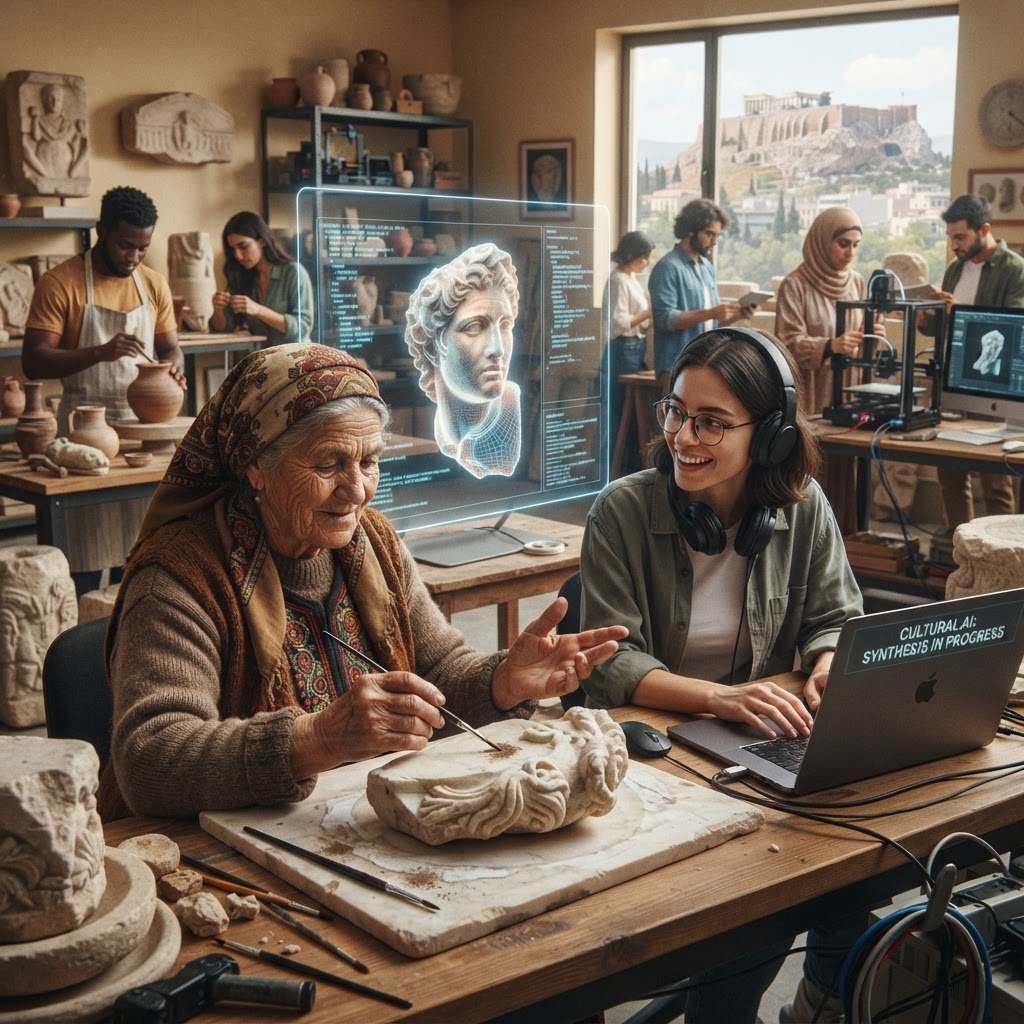
Global Culture at a Crossroads: Heritage Preservation, AI Disruption, and Inclusive Rebirth
Around the world, cultural policymakers, artists, and institutions are navigating shifting paradigms—from international mandates defending creative heritage against technological disruption to boundary-breaking exhibitions and regional performing arts showcases.
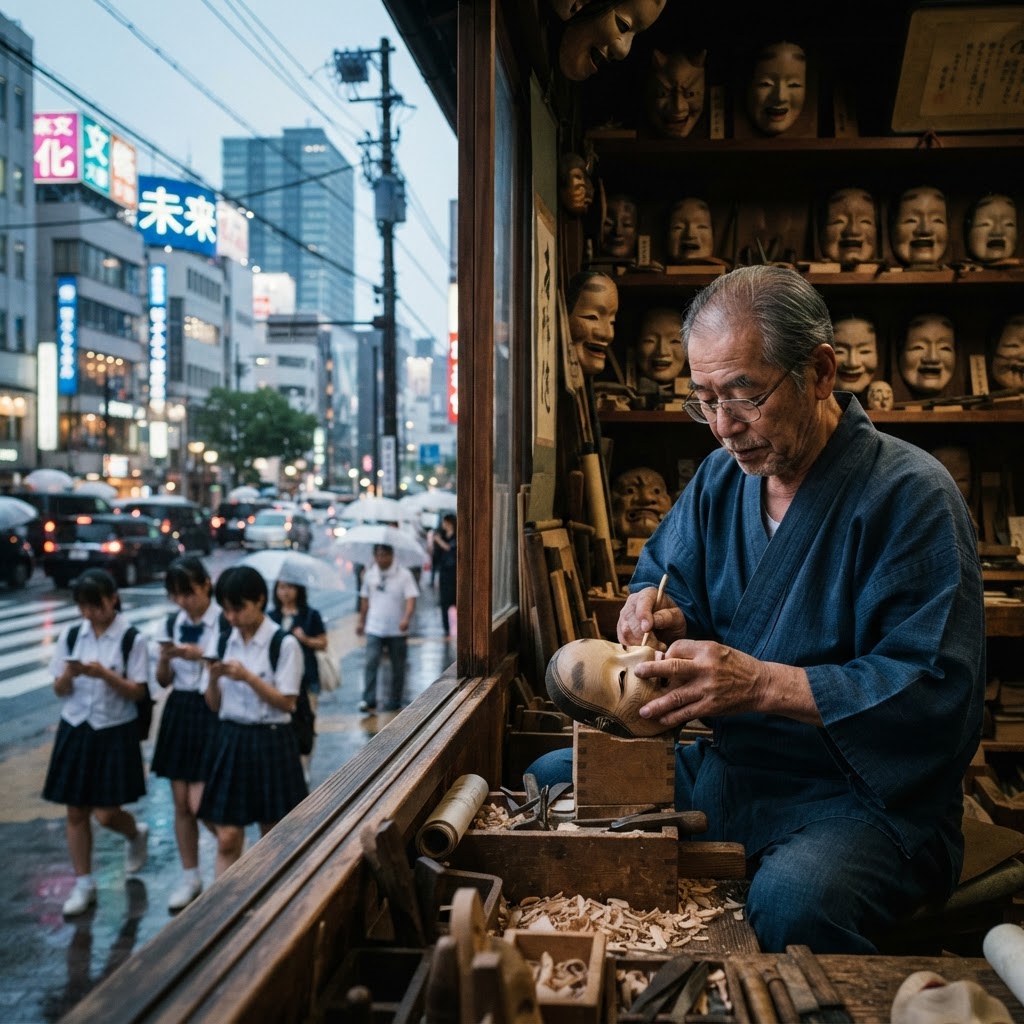
Preserving the Past, Navigating the Future: Global Culture Faces a Dual Revolution
Around the world, cultural institutions and artists are navigating unprecedented shifts, balancing the fight to protect tangible heritage against conflict and the challenges posed by artificial intelligence.
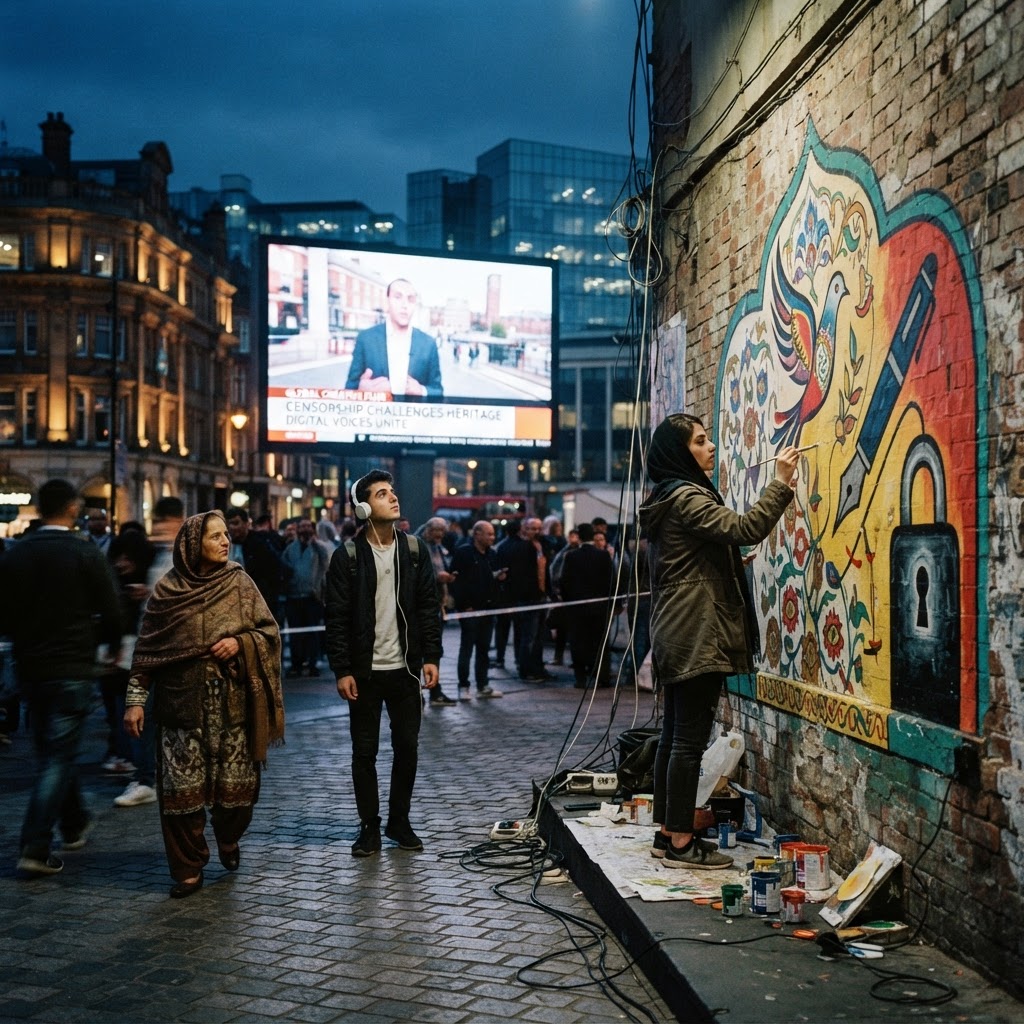
A World in Creative Flux: Heritage, Digital Expression, and Censorship Collide on the Global Stage
From groundbreaking archaeological finds and shifts in modern lexicon to mounting struggles over artistic freedom and artificial intelligence, global cultural landscapes are navigating a profound era of transformation.