Global Health at a Crossroads: Resurgent Epidemics, Clinical Breakthroughs, and Evolving Policy
Recent public health developments reveal a dual landscape of mounting vector-borne and infectious threats alongside critical regulatory updates and therapeutic milestones.
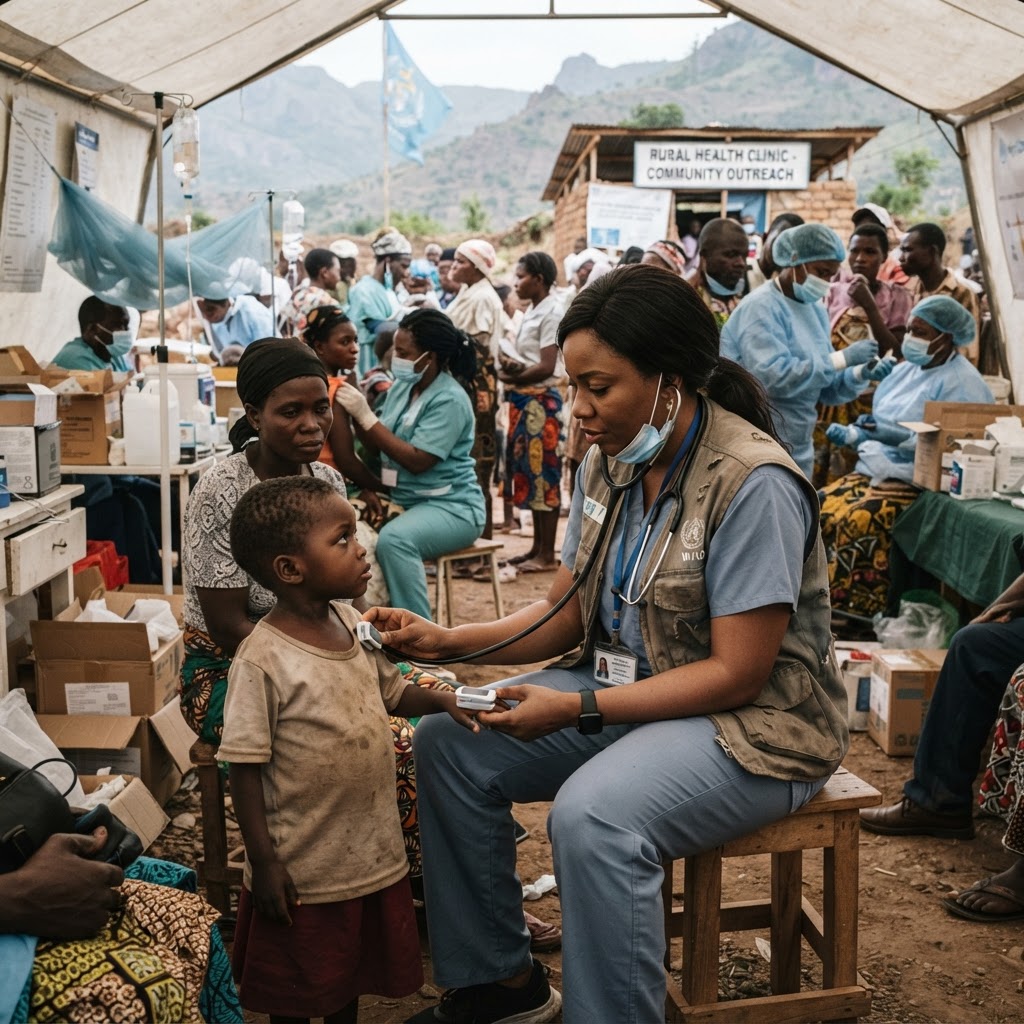
Intersecting Pressures on Global Epidemiological Surveillance
International public health authorities are navigating an increasingly complex matrix of infectious outbreaks and structural shifts in global disease burdens. According to recent reports compiled by the World Health Organization and regional monitoring networks, health systems face compounding strains from both seasonal resurgences and long-term epidemiological transitions. In South Asia, Bangladesh has confronted an intensifying dengue outbreak, recording its highest single-month mortality toll of the year in October with over 400 total fatalities and more than 133,000 hospital admissions documented. Epidemiologists warn that shifting climate variables and persistent mosquito breeding grounds mean transmission numbers are unlikely to stabilize before December, underscoring ongoing concerns regarding hospital capacity across high-density urban corridors.
Simultaneously, active surveillance mechanisms across the African continent have been tested. Health authorities in Nigeria recently investigated two suspected cases of Ebola virus disease in the country's northeast. Following rapid isolation protocols, contact tracing, and two separate rounds of laboratory diagnostics conducted by the Nigeria Centre for Disease Control and Prevention, the samples officially tested negative, averting immediate cross-border crisis protocols. Nevertheless, vulnerability to viral hemorrhagic fevers remains a focal point for global organizations. The Coalition for Epidemic Preparedness Innovations and partner agencies have mobilized Phase 2/3 clinical evaluations targeting the Bundibugyo strain of Ebolavirus, addressing critical vaccine pipeline gaps amid intermittent outbreaks across Central Africa.
Regulatory Adjustments and Novel Therapeutic Approvals
Beyond frontline outbreak containment, key regulatory decisions and clinical advancements have reshaped the therapeutic horizon over recent days. In the United States, federal health regulators moved to modernize safety guidance surrounding hormone therapy, approving the formal removal of broad 'black box' warnings from the prescribing labels of three transdermal estradiol patch products. The decision reflects growing clinical consensus that transdermal formulations deliver estrogen with distinct metabolic and safety profiles compared to systemic oral therapies, offering clearer parameters for clinicians managing menopausal symptoms.
Parallel advancements in rare disease therapeutics and metabolic science have also drawn considerable attention. The U.S. Food and Drug Administration finalized its first commercial drug approval for Inovio Pharmaceuticals, greenlighting an innovative immunotherapy indicated for a rare respiratory disease. Meanwhile, late-stage pharmaceutical data continues to disrupt chronic disease management, highlighted by late-stage Phase 3 trial readouts in which next-generation multi-agonist compounds, such as Eli Lilly's retatrutide, demonstrated competitive clinical outcomes against established GLP-1 therapies in diabetes and metabolic health endpoints.
Shifting Paradigms: From Acute Containment to Systemic Preparedness
These rapid therapeutic developments mirror broader transformations highlighted in recent long-term analyses from the World Health Organization. While global life expectancy has broadly rebounded from pandemic-era declines—climbing back toward 73.3 years—healthy life expectancy lags behind, increasingly dominated by noncommunicable diseases such as cardiovascular conditions, metabolic disorders, and chronic respiratory illnesses. Notably, low-income nations have witnessed an unprecedented demographic shift, with noncommunicable diseases accounting for more than half of all mortalities for the first time on record.
The confluence of acute infectious pressures, like rising dengue caseloads, alongside the unchecked expansion of chronic noncommunicable diseases presents national healthcare systems with a dual mandate. Public health organizations continue to advocate for combined investments: accelerating the deployment of targeted preventive interventions, expanding local biomanufacturing capacities for vaccines, and modernizing regulatory frameworks to keep pace with evolving scientific evidence. As international health forums conclude their autumn agendas, the mandate for international cooperation remains clear—robust primary healthcare delivery and cross-border research pipelines will define global resilience in the months ahead.
Recommended for you
Similar to “Global Health”
Global Health at a Crossroads: Resurging Epidemics, Chemical Threats, and Major Prevention Milestones
From rising infectious disease challenges to landmark prevention studies and new chemical exposure warnings, public health authorities worldwide are grappling with both critical breakthroughs and mounting risks.

Frontiers in Global Health: Resurgent Pathogens, Breakthrough Diagnostics, and Emerging Environmental Threats
Recent developments across public health reveal a stark contrast between accelerating medical innovations—including blood tests for CTE and shortened tuberculosis regimens—and escalating threats from infectious resurgences, microplastics, and chronic disease.
Global Health at the Crossroads: Resurgent Outbreaks, Precision Breakthroughs, and the Challenge of Access
Recent data reveals severe spikes in infectious disease mortality alongside unprecedented therapeutic advancements, exposing persistent inequities in the delivery of modern medical innovation.