Global Health at a Crossroads: Breakthrough Therapies Emerge Amid Resurgent Epidemics and Prevention Challenges
While groundbreaking pharmaceutical pipelines and gene therapies reshape chronic disease management, public health systems grapple with resurging infectious outbreaks and routine preventive care gaps.
A New Frontier in Chronic Illness and Genetic Medicine
The global healthcare landscape is experiencing a period of intense technological momentum, characterized by rapid advancements in precision biotechnology and targeted therapeutics. Across clinical pipelines, researchers are challenging long-standing paradigms in chronic condition management. In the metabolic and obesity arena, pharmaceutical developers are pursuing next-generation therapies capable of transforming patient adherence. Building upon the widespread adoption of weekly GLP-1 receptor agonists, novel compounds such as retatrutide and MariTide are pushing boundaries by demonstrating superior metabolic control and weight reduction in clinical trials, while introducing monthly dosing regimens designed to alleviate the daily or weekly burden on patients.
Simultaneously, genomic medicine is crossing vital regulatory thresholds. Following successful clinical evaluations, gene-editing therapies are expanding beyond limited adult trials to younger pediatric populations confronting severe inherited blood disorders. Researchers are also uncovering durable genomic targets that could theoretically offer multi-decade protection against conditions like familial hypercholesterolemia and cardiovascular disease with a single intervention. These scientific leaps offer a glimpse into a future where chronic medication regimens could be superseded by curative, molecular-level adjustments.
The Complex Reality of Everyday Disease Prevention
Despite these high-tech milestones, basic public health foundations face persistent operational strain. Cardiovascular medicine has reiterated the critical role of fundamental patient adherence. A comprehensive epidemiological investigation tracking over 91,000 individuals highlighted that even occasional lapses in taking prescribed blood pressure medications can substantially erode baseline heart protection, disproportionately elevating long-term risks for acute myocardial infarction and stroke. The findings underscore that advanced pharmacology remains only as effective as the behavioral consistency supporting it.
Preventive habits are similarly shifting in mental health and lifestyle management. As conventional antidepressants continue to demonstrate limited efficacy in patients whose depressive disorders correlate with circadian dysregulation, alternative interventions—from targeted chronotherapy to carefully administered single-dose psychedelic compounds—are showing rapid symptomatic improvements in early-stage controlled environments. Meanwhile, extensive longitudinal evidence continues to dispel the persistent myth of protective moderate alcohol consumption, confirming that even low levels of intake reliably increase systemic risks for cancer, heart complications, and premature mortality.
Resurgent Outbreaks and Escalating Epidemiological Threats
While lab-bench discoveries accelerate, infectious disease surveillance systems worldwide are managing acute pressures from both re-emerging pathogens and seasonal disruptions. International authorities have tightened screening and travel mandates following severe outbreaks of viral hemorrhagic fevers in central Africa. In the Democratic Republic of the Congo, health systems are combating one of the deadliest Ebola crises on record, leading overseas regulatory bodies—including the United States Centers for Disease Control and Prevention—to mandate strict passenger attestation protocols to preempt cross-border transmission.
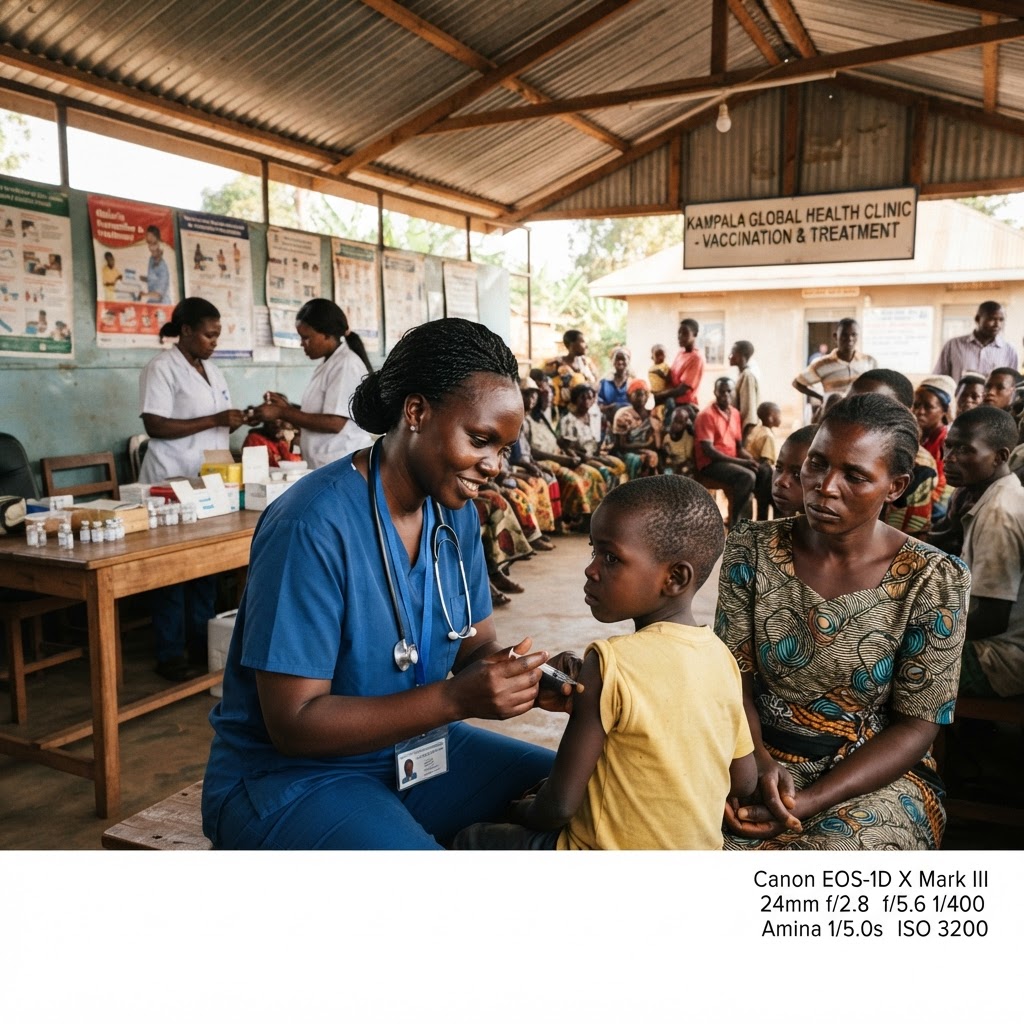
Further compounding regional pressures, the World Health Organization reported steep spikes in bacterial epidemic burdens, including an alarming rise in cholera fatalities despite higher global supplies of oral vaccines. In West Africa, reactive public health mobilizations are underway, including mass vaccination drives in Ghana designed to ring-fence sudden yellow fever mortalities. Developed nations face their own immunologic vulnerabilities: falling childhood vaccination thresholds have propelled domestic measles infections in countries like the United States to levels not seen in decades, proving that vaccine skepticism and healthcare delivery bottlenecks can quickly unravel generational public health achievements.
Balancing Scientific Promise and Equitable Access
The convergence of modern scientific discovery and deteriorating systemic resilience creates an urgent mandate for health leaders. Breakthroughs in long-acting injectable pre-exposure prophylaxis for HIV and newly scaled regional cancer vaccine facilities illustrate that affordable, decentralized manufacturing is achievable. Yet, without robust primary care infrastructures capable of maintaining routine childhood immunizations, ensuring daily cardiovascular medication compliance, and coordinating swift responses to epidemic threats, advanced medical science risks benefiting only a protected minority. Navigating the coming decade will require global institutions to harmonize high-cost innovation with the unglamorous, indispensable work of universal preventative health.
Recommended for you
Similar to “Global Health”
Global Health at a Crossroads: Responding to Viral Emergencies Amid Breakthrough Therapeutics
As public health authorities mobilize against escalating infectious outbreaks in Central Africa and the Middle East, simultaneous breakthroughs in gene therapy, affordable HIV prevention, and chronic care management offer hope for systemic resilience.
Global Health at a Crossroads: Resurging Epidemics, Chemical Threats, and Major Prevention Milestones
From rising infectious disease challenges to landmark prevention studies and new chemical exposure warnings, public health authorities worldwide are grappling with both critical breakthroughs and mounting risks.
Global Health at a Crossroads: Breakthrough Therapies Emerge Amid Deepening Public Health and Access Crises
Recent advances in precision oncology and genetic medicine offer unprecedented clinical hope, yet resurgence of preventable infectious diseases and systemic healthcare disparities continue to test global resilience.