Global Health at a Crossroads: Responding to Viral Emergencies Amid Breakthrough Therapeutics
As public health authorities mobilize against escalating infectious outbreaks in Central Africa and the Middle East, simultaneous breakthroughs in gene therapy, affordable HIV prevention, and chronic care management offer hope for systemic resilience.
A Complex Dual Landscape in Global Health
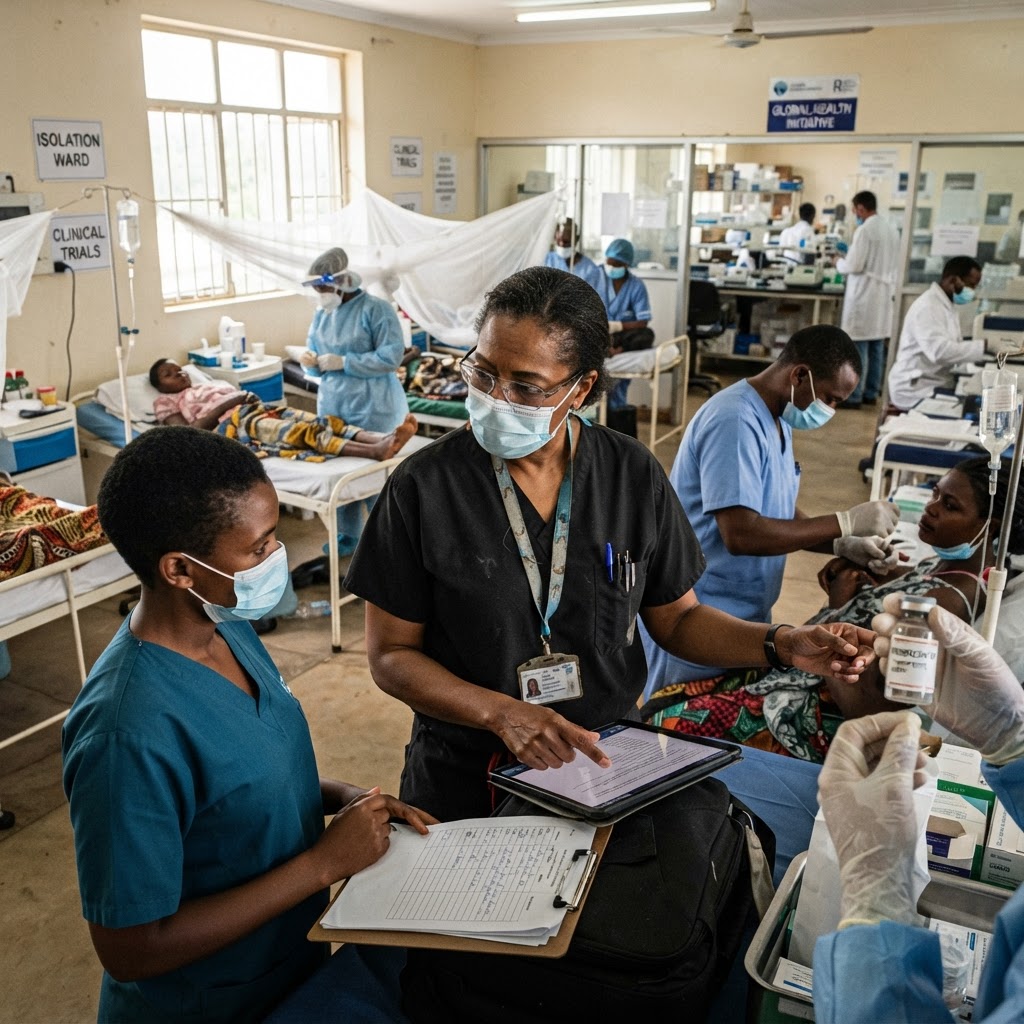
In recent days, the international healthcare landscape has been defined by sharp contrasts. On one side, public health agencies are confronting urgent viral outbreaks, logistical hurdles in conflict zones, and fragile preventive care systems. On the other, pioneering clinical breakthroughs—spanning genomic treatments, cost-effective therapeutics, and novel metabolic interventions—are reshaping long-term medical prognoses. Together, these developments illustrate an ongoing global struggle: attempting to contain volatile, acute public health crises while harnessing state-of-the-art biotechnology to address chronic and endemic conditions.
Frontline Mobilizations and Infectious Disease Pressures
Containment efforts for acute viral threats have intensified across multiple continents. A significant focus remains on the Democratic Republic of the Congo, where an ongoing Ebola outbreak has prompted international containment measures and renewed scrutiny of border and transit monitoring. In response to regional transmission risks, authorities such as the United States Centers for Disease Control and Prevention have introduced flight attestation protocols for travelers departing from impacted areas, according to reports from Efficient News Delivery - Streamline. While the immediate risk to populations outside the endemic corridor is considered low, international health monitors emphasize the volatile nature of hemorrhagic fevers.
Simultaneously, the World Health Organization has integrated candidate vaccines into clinical trial pipelines aimed at halting Ebola spread while expanding emergency medical protocols in neighboring transit corridors. Concurrently, regional authorities in West Africa have executed emergency interventions against other persistent threats; the Ghana Health Service initiated a reactive mass vaccination drive targeting nearly a quarter of a million residents in its Upper West Region to suppress emerging clusters of yellow fever.
These operational challenges are compounded in regions experiencing civil instability. In Sudan, an ambitious nationwide campaign supported by multilateral agencies is seeking to vaccinate approximately 11 million children against polio despite active conflict, as detailed by the World Health Organization. Meanwhile, severe supply and fuel shortages in Yemen continue to threaten neonatal and acute hospital care, illustrating how geopolitical fractures systematically weaken basic clinical infrastructure.
Expanding Frontiers in Gene-Editing and Accessible Therapeutics
While infectious disease teams manage outbreaks on the ground, clinical medicine has logged landmark advancements in preventative and curative interventions. A watershed moment arrived with international regulatory expansions for gene-editing therapies. Following initial milestones in adult medicine, British health regulators have expanded approvals for transformative CRISPR-based treatments for young pediatric patients suffering from severe inherited blood disorders, as highlighted by Efficient News Delivery - Streamline. Parallel genetic studies suggest that one-time genomic modifications could eventually manage persistent conditions such as familial hypercholesterolemia, replacing lifelong pharmaceutical regimens.
Equally critical is the widening democratization of advanced prophylactic medicine. Public health advocates welcomed the clearance of generic, long-acting injectable formulations for HIV prevention, reported by The Latest Breaking News on Health – inkl news. Long-acting pre-exposure prophylaxis (PrEP) shots—priced at approximately $40 per patient annually in targeted low- and middle-income territories—represent a monumental shift away from burdensome daily oral pills, removing a primary barrier to universal viral suppression.
Metabolic Insights and Chronic Disease Management
Beyond specialized interventions, chronic illness management has seen an influx of meaningful data. The race for next-generation metabolic therapeutics continues to accelerate beyond first-generation GLP-1 receptor agonists. Pharmaceutical researchers are actively advancing monthly alternatives designed to sustain significant weight loss while mitigating dosing fatigue and metabolic rebound, according to updates from Efficient News Delivery - Streamline.
However, recent epidemiological analyses indicate that cutting-edge therapies cannot compensate for lapses in basic therapeutic adherence. A large-scale observational cohort study of more than 91,000 individuals with hypertension revealed that skipping prescribed blood pressure medication, even intermittently, drastically compromises systemic cardiovascular protection. The findings, reported by Efficient News Delivery - Streamline, highlight that inconsistent dosing can nearly eliminate baseline reductions in stroke and myocardial infarction risk, emphasizing that routine behavioral compliance remains just as critical as drug efficacy.
The Imperative for Systemic Preparedness
The convergence of persistent localized epidemics and rapid biopharmaceutical progress has reinvigorated calls for unified global governance. High-level leadership at the World Health Organization has cited recurring hemorrhagic fever outbreaks and compounding conflict-zone crises as an urgent warning to finalize a legally binding international pandemic accord, noted by Healthcare News | Health Industry News | Health Sector News.
Moving forward, the primary challenge facing health ministries worldwide is not merely adopting novel medical technologies, but ensuring that foundational distribution systems are equipped to deliver them. Whether safeguarding cold-chain routes during a conflict-zone polio drive or guaranteeing equitable global manufacturing for preventative HIV injections, closing the divide between molecular innovation and routine community delivery remains the defining test of modern global health.
Recommended for you
Similar to “Global Health”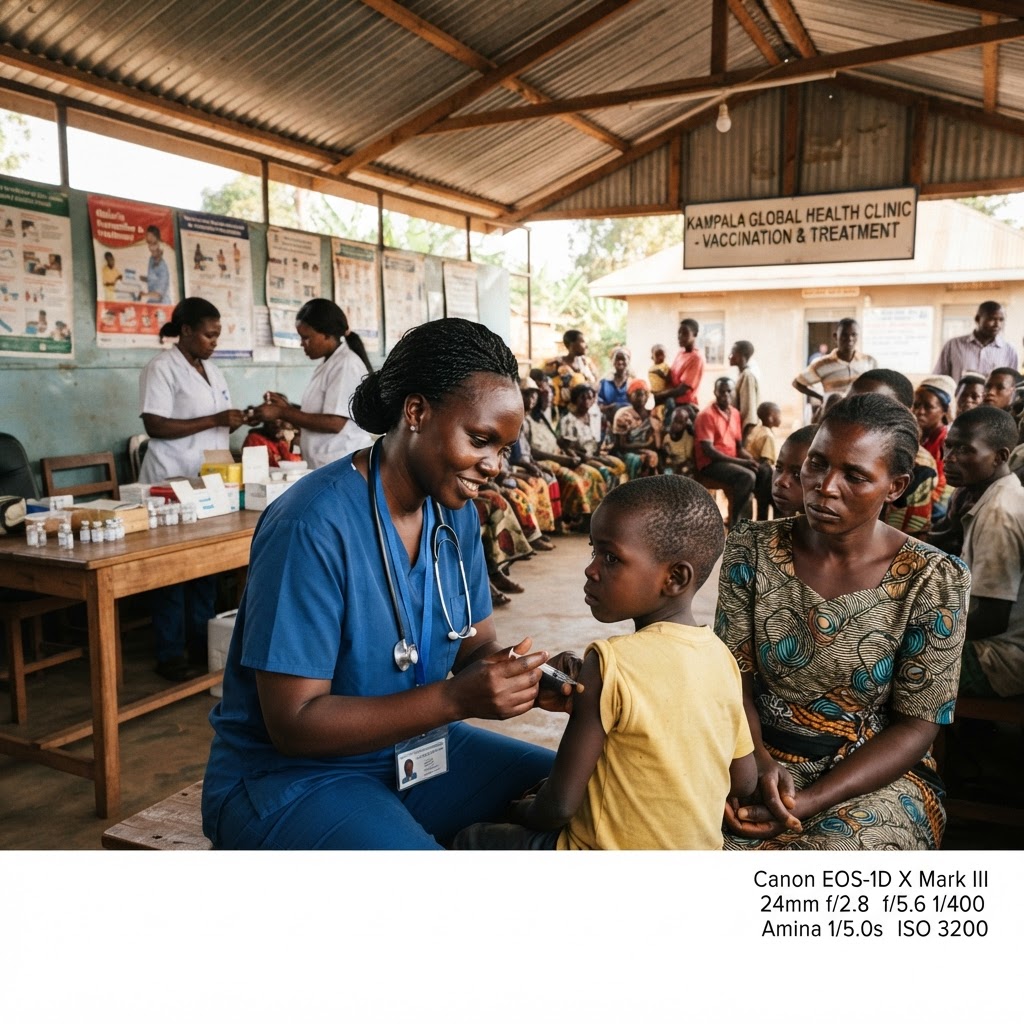
Global Health at a Crossroads: Breakthrough Therapies Emerge Amid Resurgent Epidemics and Prevention Challenges
While groundbreaking pharmaceutical pipelines and gene therapies reshape chronic disease management, public health systems grapple with resurging infectious outbreaks and routine preventive care gaps.
Global Health at a Crossroads: Breakthrough Therapies Emerge Amid Deepening Public Health and Access Crises
Recent advances in precision oncology and genetic medicine offer unprecedented clinical hope, yet resurgence of preventable infectious diseases and systemic healthcare disparities continue to test global resilience.
Global Health at a Crossroads: Resurgent Outbreaks, Climate Emergencies, and Precision Therapies
International health bodies are responding to an unprecedented regional Ebola crisis and compounding climate hazards, even as breakthroughs in personalized genetic medicine and metabolic therapies offer fresh hope.