Diplomatic High Stakes and Shifting Power: Great Power Bargaining Dominates Global Politics
Intensive multilateral negotiations, potential trilateral superpower summits, and escalating security anxieties across Europe and Asia mark a volatile new chapter in international diplomacy.
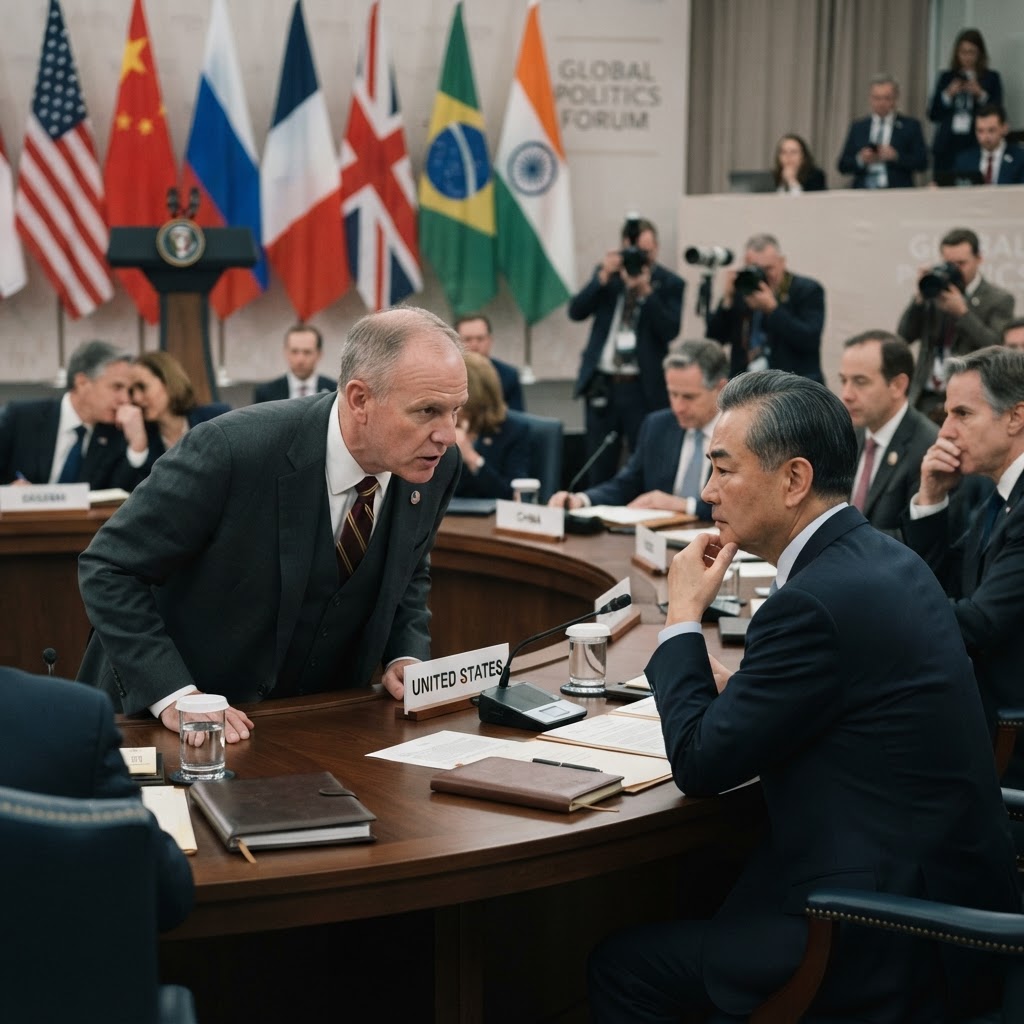
A Complex Web of Superpower Maneuvers
In a week characterized by rapid shifts on the world stage, major international powers are navigating high-stakes diplomatic maneuvering that could redraw global security architectures. From prospective trilateral dialogues involving Washington, Beijing, and Moscow, to pivotal negotiations regarding ongoing conflicts in Eastern Europe and the Middle East, political capitals are grappling with competing strategic agendas. As leaders attempt to de-escalate flashpoints, long-standing alliance structures face unprecedented stress tests.
The Push for a Trilateral Superpower Summit
Central to recent diplomatic developments is the prospect of a direct engagement among the United States, China, and Russia. Preparations and preliminary discussions leading up to high-profile multilateral gatherings, including the upcoming Asia-Pacific Economic Cooperation (APEC) forum, have brought to light deep-seated divisions over the agenda and format of such an encounter. While Washington has indicated an appetite for addressing nuclear arms reductions, denuclearization frameworks, and de-escalating military confrontations, Beijing has expressed strong preferences for meticulously scripted proceedings and cautioned against conflating disparate security disputes.
The issue of nuclear arms control has gained particular urgency following the expiration of past bilateral pacts like New START. American policymakers have consistently advocated for expanding future non-proliferation and arms limitation frameworks to incorporate China, citing its growing strategic capabilities. Conversely, Chinese officials maintain that their nuclear stockpile remains significantly smaller than those of the United States and Russia, making parity-based trilateral arms control discussions premature. Despite these protocol and substantive clashes, diplomatic channels remain open, with global observers watching closely to see if direct communication among top leaders can yield concrete confidence-building measures.
Security Guarantees and Anxiety Across Europe
Simultaneously, the geopolitical tremors of European security negotiations continue to reverberate. Diplomatic contacts and trilateral conversations involving Washington, Kyiv, and Moscow have intensified around potential pathways to bring an end to the war in Ukraine. Central to these talks is the sensitive question of post-conflict security architecture. Ukrainian leaders have pressed for robust, institutionalized defenses akin to collective security mechanisms, while Moscow continues to place broad strategic demands on the table, challenging the extent of Western military presence on the continent.
These developments have triggered deep unease among European allies. European governments worry that broader bilateral deals between major nuclear powers could sideline regional sovereignty and undermine the stability of the rules-based order. With American political leadership frequently signaling interest in sweeping agreements that encompass wider European defense dynamics, transatlantic partners are scrambling to ensure their strategic interests, territorial integrity, and long-term deterrence postures are not bargained away in closed-door negotiations.
Shifting Alignments in the Middle East
In the Middle East, the diplomatic calculus is undergoing a parallel recalibration. Sustained mediation efforts, spearheaded by regional interlocutors such as Qatar, have produced cautious optimism regarding the de-escalation of hostilities involving Iran. Signals emerging from Washington indicate a growing willingness to prioritize negotiation over further direct military strikes, creating an opening for diplomatic compromise.
However, the prospect of wind-down negotiations raises fresh questions for regional alliances. Gulf partners, while welcoming an end to active conflict, remain watchful regarding how any comprehensive agreement might address regional proxy networks, ballistic missile proliferation, and maritime security. The fluid diplomatic atmosphere underscores the fragile balance between immediate ceasefire objectives and sustainable, long-term regional stability.
Asia-Pacific Strains and Domestic Pressures
Across the Asia-Pacific, parallel geopolitical realities are shaping domestic political agendas. In Japan and South Korea, leadership teams are recalibrating their foreign policy and defense postures in response to shifting signals from Washington and persistent provocations from North Korea. In Seoul, policymakers are closely monitoring command structures, maritime deployments, and defense ties, seeking assurances that alliance commitments remain rock-solid amid evolving political climates abroad.
In Tokyo, internal governing party tensions and regional friction with neighboring states have created delicate hurdles for national leadership. Economic policies, tax reform debates, and defense spending reviews are unfolding against the backdrop of strained diplomatic ties with Beijing. The challenge of balancing domestic economic anxieties—such as living costs and fiscal adjustments—against expansive regional security responsibilities illustrates the dual burden currently facing democratic administrations worldwide.
Conclusion: An Uncertain Path Forward
The convergence of active negotiations across Eastern Europe, the Middle East, and East Asia highlights a world transitioning through an intensely contested interregnum. As traditional diplomatic orthodoxies give way to fluid, transactional summits and bilateral bargaining, middle powers and historic allies find themselves compelled to assert their voices more forcefully. Whether the current flurry of diplomatic initiatives produces durable settlements or merely exposes deeper fault lines will depend on how effectively great powers reconcile grand strategic ambitions with the vital security imperatives of sovereign nations.
Recommended for you
Similar to “Global Diplomacy”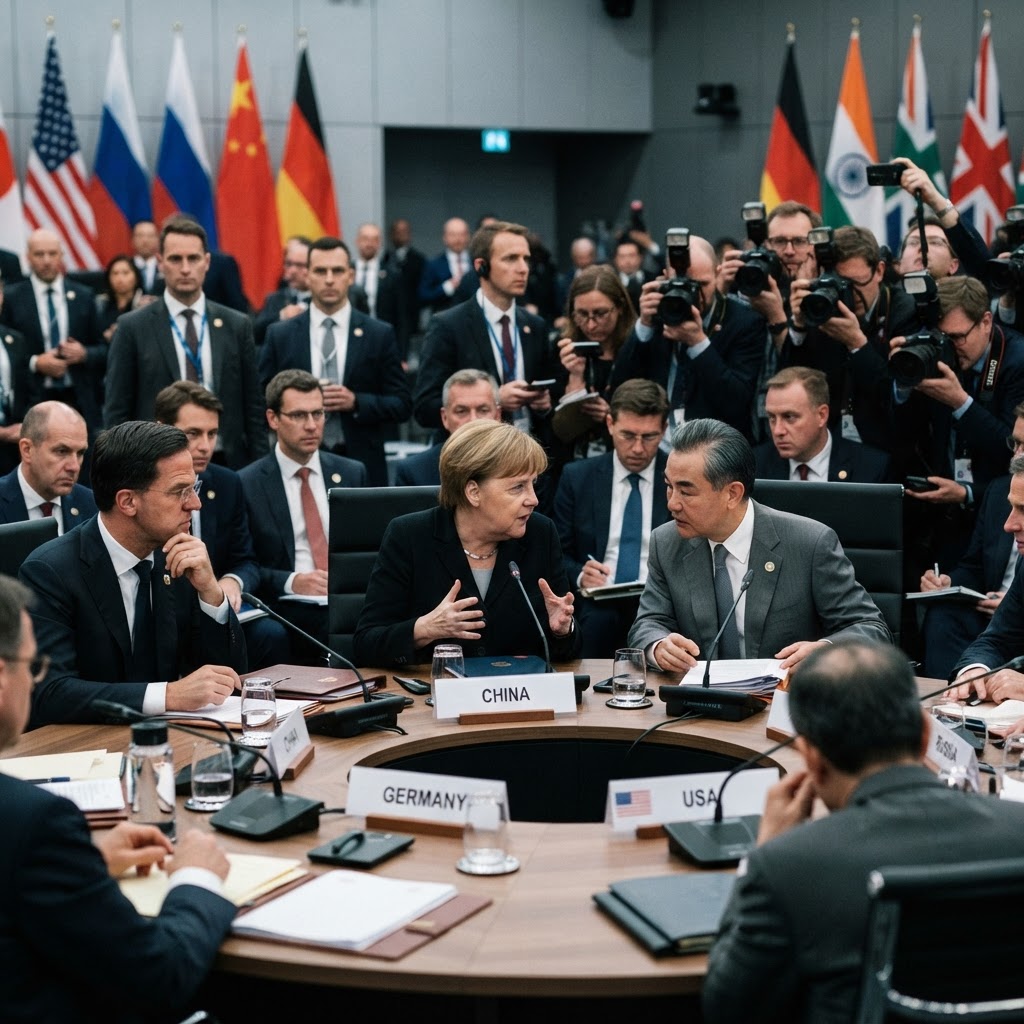
A Volatile Diplomatic Pivot: Great Power Summits, Shifting Coalitions, and Rising Regional Fractures
As high-stakes summits in Asia test alliances and bring global superpowers to Shenzhen and Manila, parallel security crises from Eastern Europe to the Middle East are reshaping international geopolitics.
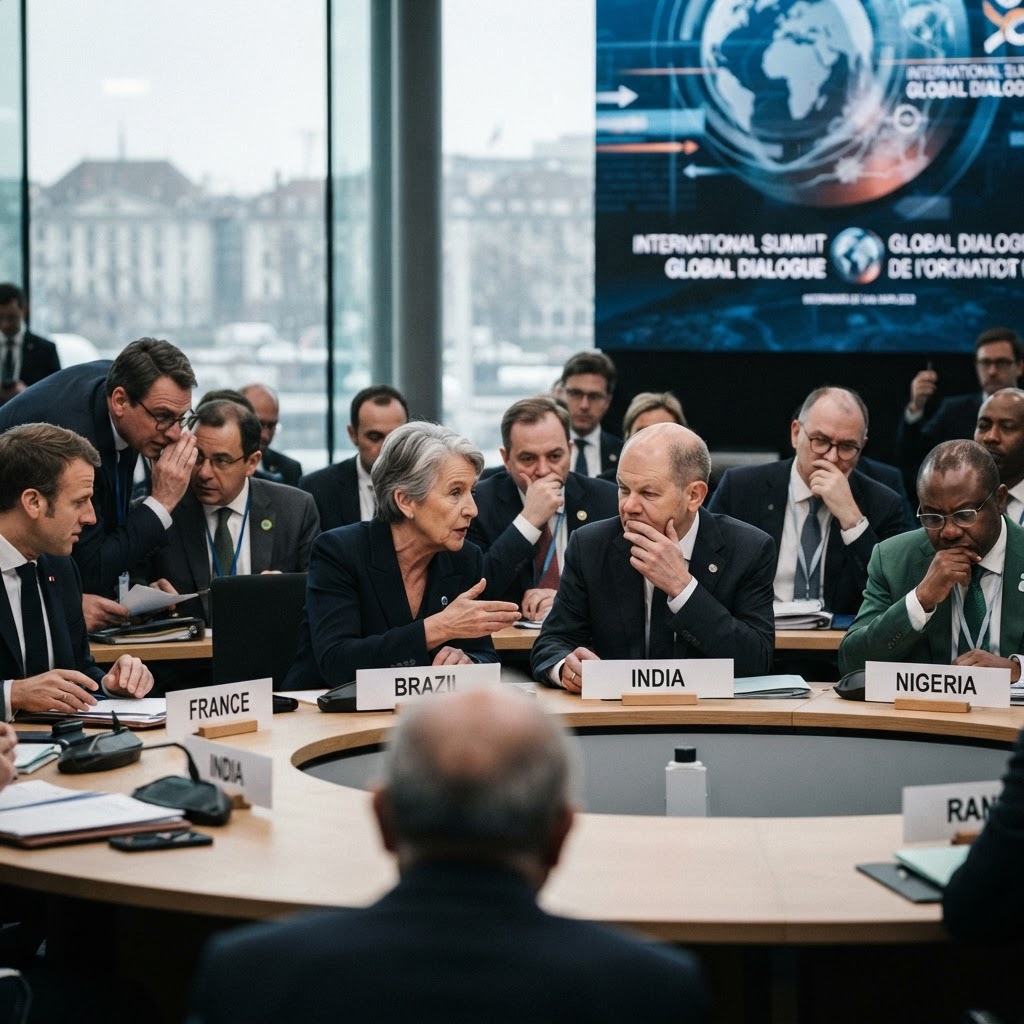
A Fractured World Order: Power Shifts, Diplomatic Realignments, and Crises Reshape Global Politics
Recent high-stakes diplomacy at regional summits, leadership transitions across major capitals, and escalating confrontations from the Middle East to Eastern Europe mark a defining moment of global realignment.
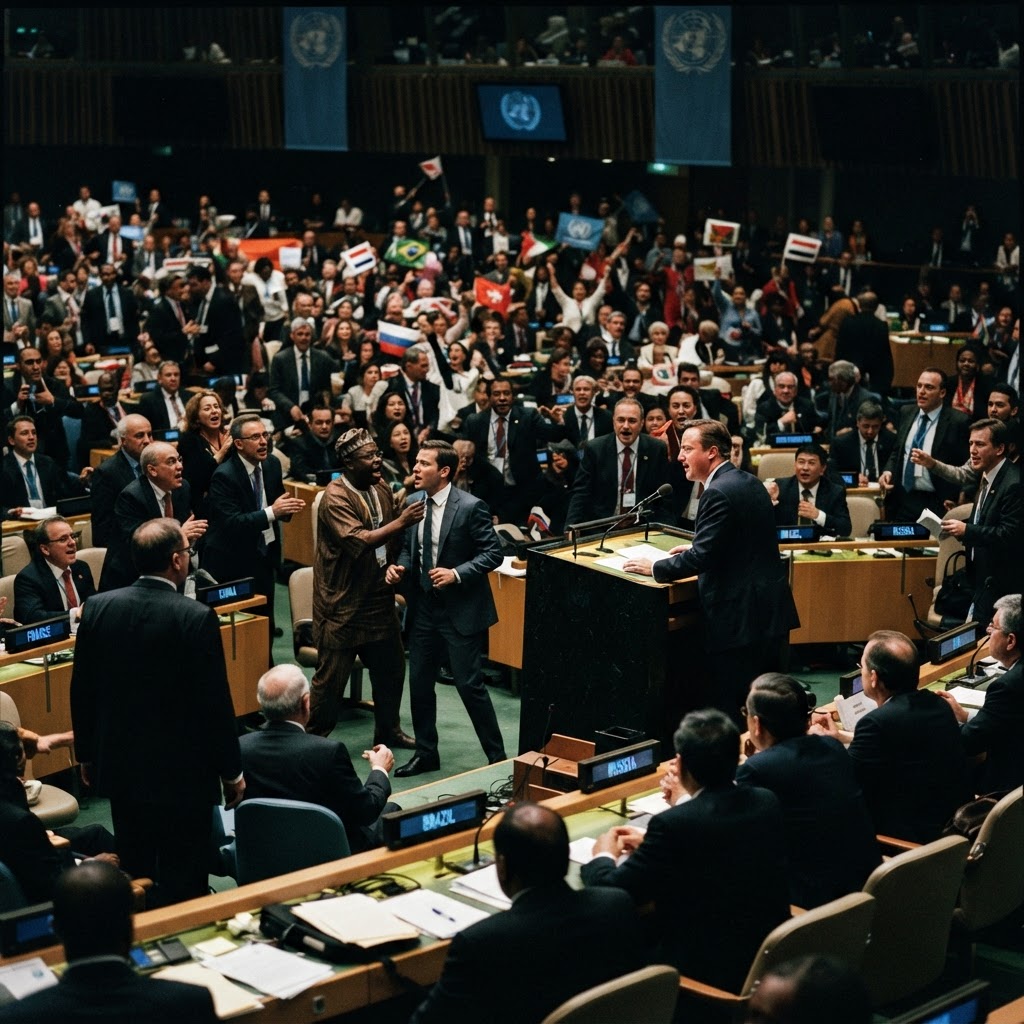
A Fractured World Order: Great Power Theatrics and Multiplying Global Strains
Recent high-stakes diplomacy between major powers has exposed deep global fractures, as landmark summits yield minimal substance amid escalating regional security threats and stalling climate negotiations.