Global Diplomacy at a Crossroads: Security Pacts, Coalition Shifts, and Strained Talks Define International Affairs
High-stakes diplomacy is facing acute friction across Europe and the Middle East as negotiations over continental security collide with major political reorganizations in Israel and intractable standoffs between Washington and Tehran.
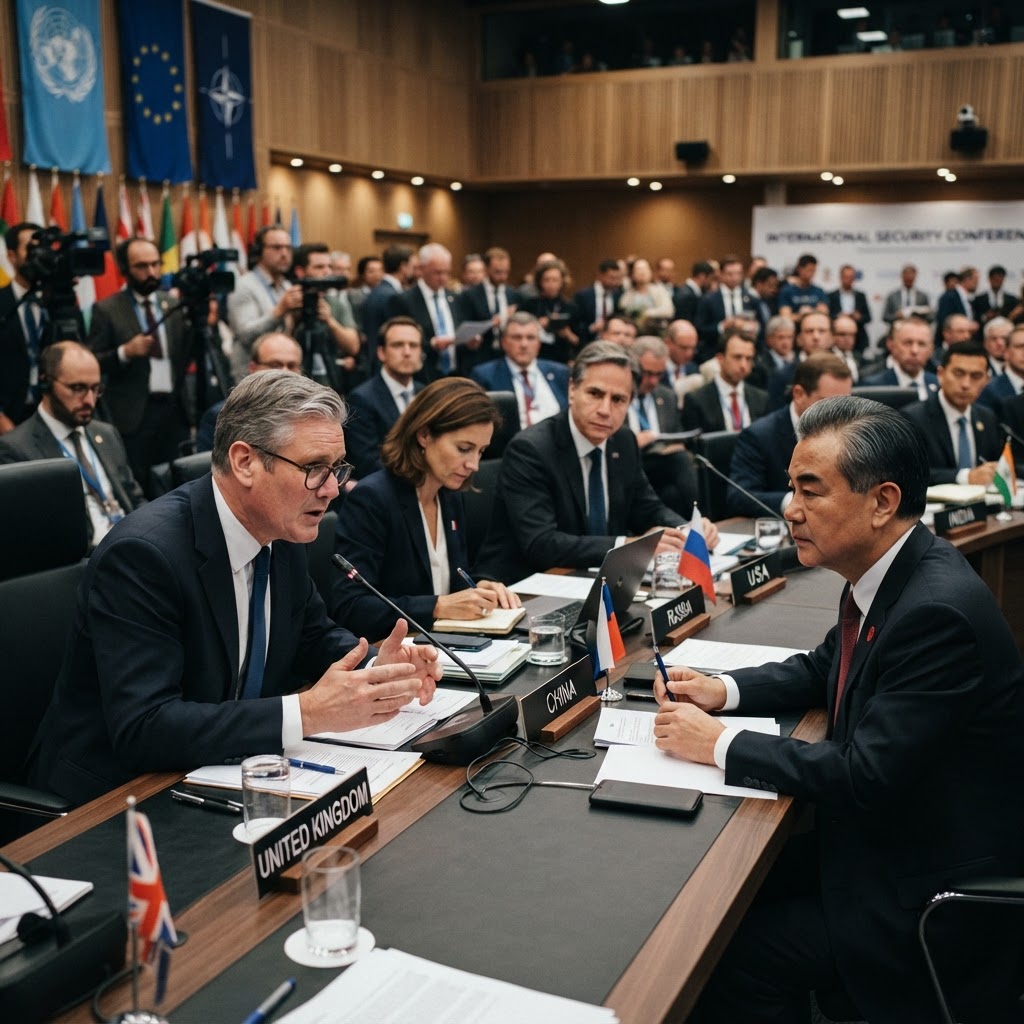
A Continental Tug-of-War Over European Security
International diplomacy entered a critical phase this week as global powers convened for high-stakes discussions aimed at reshaping continental defense and addressing the long-running war in Ukraine. According to reports regarding the talks in Abu Dhabi, Russian negotiators led by presidential aide Vladimir Medinsky have sought to pivot the central agenda away from narrow territorial compromises toward a broader, continent-spanning security framework, as reported by U.S. News & World Report. Russian officials maintain that any resolution to the conflict must remain subordinate to creating what Moscow terms an 'indivisible security architecture' across Europe.
However, Western capitals have greeted this sweeping approach with intense skepticism. While United States diplomatic rhetoric has floated the possibility of a comprehensive grand bargain, European Union officials and key NATO allies—including Britain, France, Germany, and Italy—remain wary of any arrangement negotiated over the heads of sovereign states, according to coverage by Euronews. Eastern European leaders have similarly cautioned against bilateral concessions that could dilute regional deterrence and compromise the sovereignty of border nations.
Parliamentary Upheaval and Coalition Realignment in Israel
Concurrently, the Middle East is navigating an equally transformative political inflection point. In Israel, the political landscape has been jolted by parliamentary maneuvers that could bring an end to Prime Minister Benjamin Netanyahu's tenure. Opposition figures, led by former military chief Gadi Eisenkot, have assembled an expansive bloc controlling 67 seats in the 120-seat Knesset, according to The Guardian. Having secured the formal mandate to assemble a governing coalition from President Isaac Herzog, the opposition has prioritized replacing the Knesset speaker, currently held by Netanyahu ally Amir Ohana, to seize procedural control over the legislative agenda.
The push to replace the speaker is viewed as the linchpin of the transition process, as reported by Foreign Exchanges. Observers note that while the opposition commands a nominal majority, bringing together diverse political factions into a durable governing coalition amidst continuing regional conflict and internal security pressures presents formidable governance hurdles. Tensions surrounding the swearing-in proceedings reflect deepening domestic polarization as loyalists and reformists brace for a constitutional showdown.
Simmering Fractures in Middle Eastern Security
Broader regional dynamics remain volatile as concurrent diplomatic channels face mounting gridlock. Negotiations between the United States and Iran have hit a severe impasse, with senior American officials, including Marco Rubio, publicly rebuking Tehran's demands as unworkable, according to reporting from News24. While nuclear discussions have intermittently showed signs of life, the deployment of targeted enforcement initiatives such as 'Task Force Iron Gate' highlights Washington's continued reliance on pressure tactics against regional supply corridors.
At the same time, military flashpoints continue to flare across the Arabian Peninsula. The Saudi-led coalition announced the interception of ballistic missiles launched by Yemen's Houthi forces toward targets in the kingdom, as reported by Reuters. These persistent cross-border strikes underscore the precarious nature of regional de-escalation efforts, demonstrating how localized proxy battles continue to disrupt grander diplomatic overtures.
A Fractured Global Order
From the negotiating rooms of the Gulf to parliamentary corridors in Jerusalem and defense ministries across Western capitals, the international order is confronting a moment of profound systemic realignment. The fragmentation of traditional alliances and the emergence of competing security paradigms demonstrate that unilateral diplomatic solutions face stiff resistance. As world leaders attempt to balance immediate crisis management with long-term strategic rebalancing, the resilience of multilateral institutions will determine whether these disparate flashpoints evolve into enduring peace or broader geopolitical instability.
Recommended for you
Similar to “World Affairs”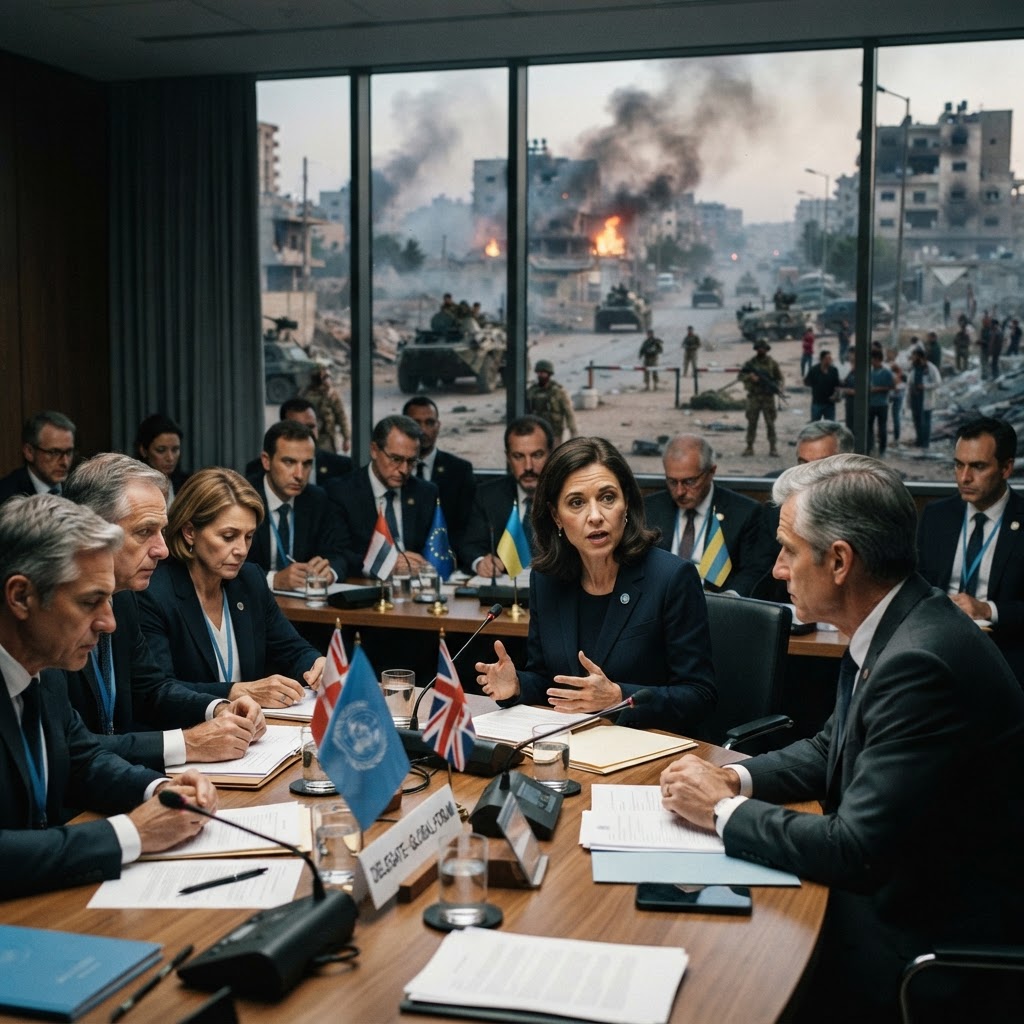
Fragile Diplomacy and Escalating Fronts: Global Tensions Test International Order
High-stakes diplomatic negotiations in the Middle East and Eastern Europe face mounting strain as battlefield strikes, political shakeups, and maritime friction disrupt peace efforts across multiple continents.
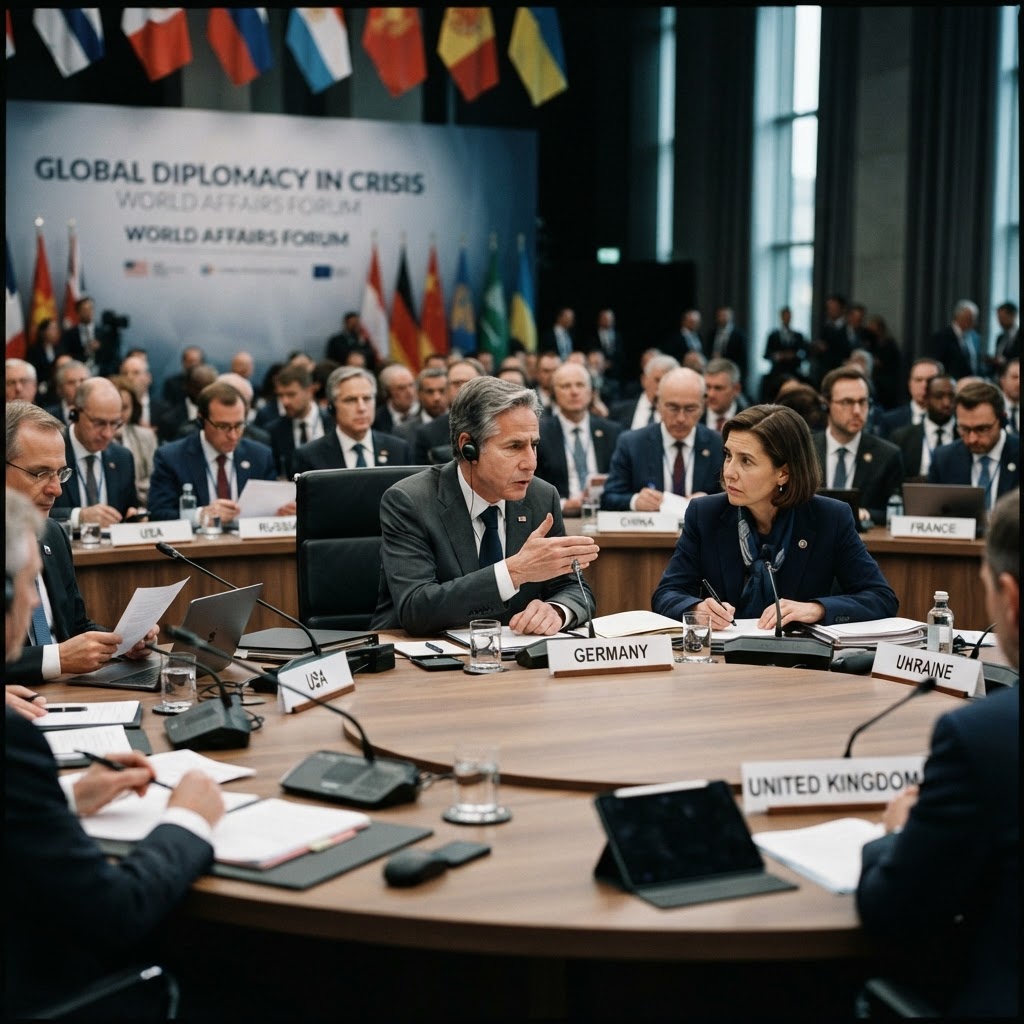
Global Diplomacy Strained as Energy Pacts, Weapon Shortages, and Political Fractures Reshape World Order
Recent diplomatic realignments, shifting energy agreements between major powers, and escalating regional tensions across Eastern Europe, the Middle East, and Asia are testing long-standing geopolitical alliances.
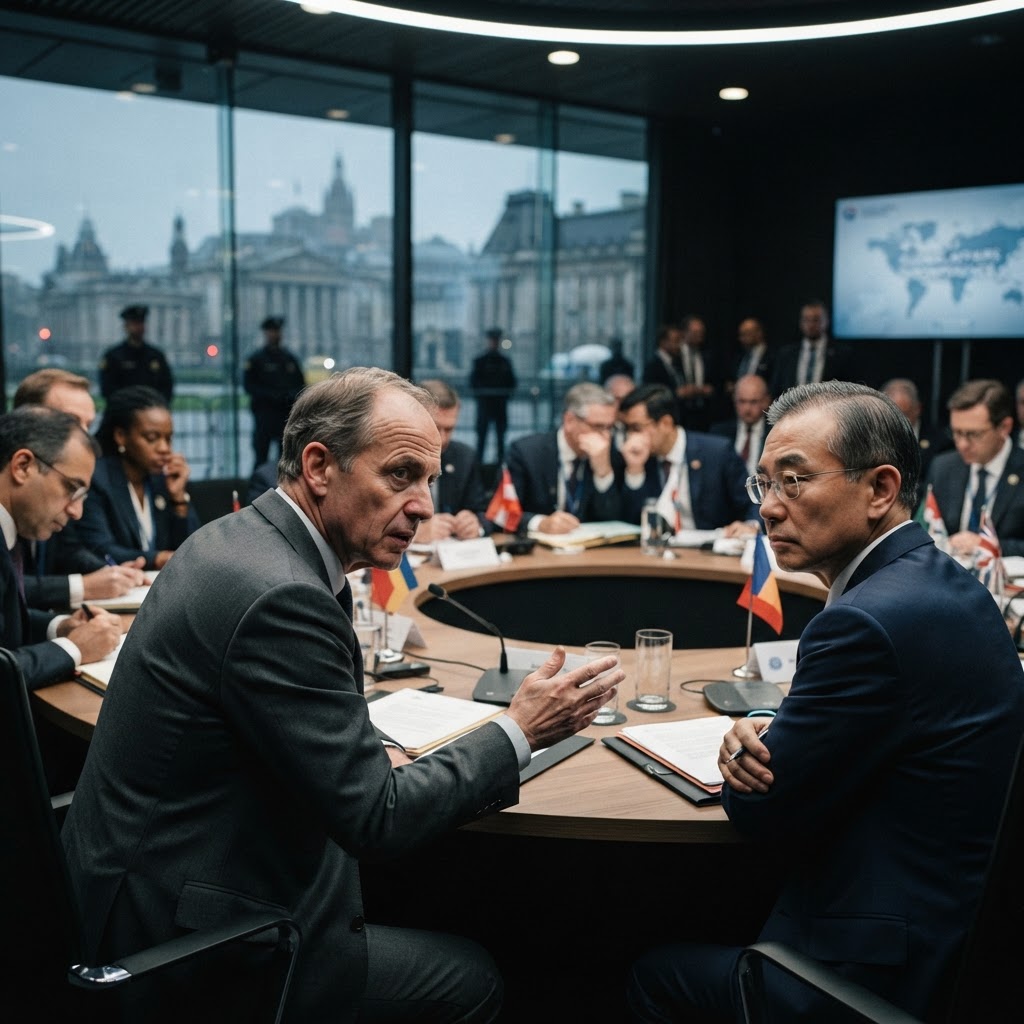
Diplomacy on Edge: Summits, Sanctions, and Escalating Flashpoints Redraw Global Geopolitics
High-stakes summits across the Asia-Pacific collide with intensifying strikes in Eastern Europe and escalating unrest in the Middle East, testing the limits of international diplomacy.