Frontiers in Global Medicine: Tackling Emerging Outbreaks, Metabolic Threats, and Epidemic Preparedness
Recent international health updates spotlight concerted actions against infectious disease outbreaks, innovative strategies for epidemic surveillance, and major scientific insights into chronic metabolic disorders.

Coordinated Responses to Emerging Infectious Threats
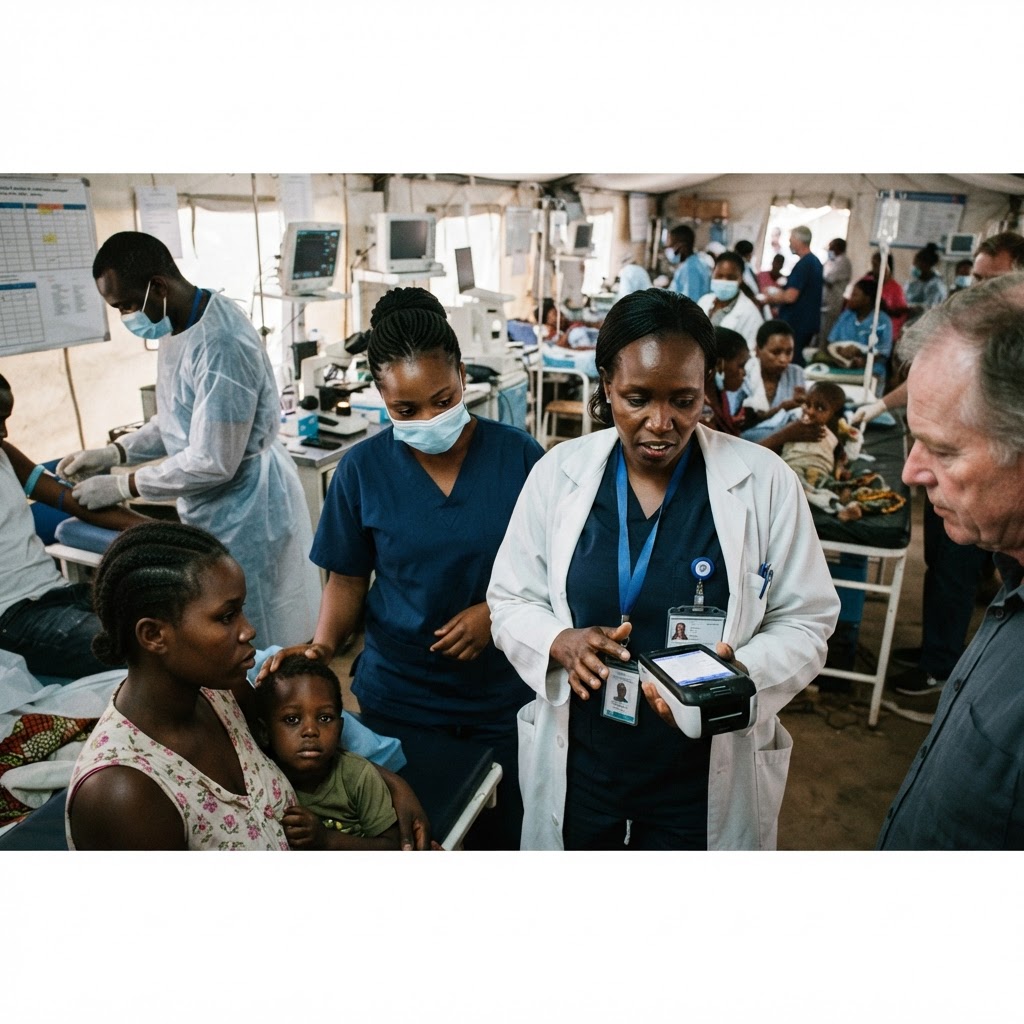
Public health authorities around the world have intensified containment measures in response to acute infectious disease risks. In Central Africa, epidemiological teams are actively monitoring and responding to a detected outbreak of Ebola disease linked to the Bundibugyo virus in rural sectors of the Democratic Republic of the Congo, according to situational updates from the Centers for Disease Control and Prevention. Health security organizations emphasize that cross-border surveillance protocols, rapid isolation units, and refined guidance for incoming and outgoing travelers remain vital barriers against broader regional and international transmission.
Bolstering Epidemic Intelligence and Chronic Disease Interventions
In parallel with immediate containment efforts, international leadership is laying structural foundations to avert prospective crises. As highlighted by recent directives published by the World Health Organization, the WHO Hub for Pandemic and Epidemic Intelligence is deploying its 2026–2030 strategy designed to streamline data collaboration, early outbreak detection, and predictive response modeling among partner countries. Beyond acute pathogens, public health agencies have issued updated investment frameworks stressing the high economic and clinical return of widespread screening and preventive regimens for enduring respiratory threats such as tuberculosis.
Metabolic Insights and Preventive Health Science
While public agencies combat infectious agents, clinical researchers are achieving critical breakthroughs in metabolic medicine and chronic disease risk reduction. Investigations featured across medical platforms, including reports from Medscape and ScienceDaily, indicate that next-generation multiagonist therapies are revolutionizing the treatment of obesity and type 2 diabetes by simultaneously engaging multiple metabolic pathways to yield durable weight reduction and glycemic control. Concurrently, large-scale observational research has connected late-night eating behaviors with significantly increased risks for metabolic liver dysfunction, underscoring the compounding role of lifestyle and circadian timing in chronic illness prevention.
The Trajectory of Global Health Integration
Together, these developments illustrate a multifaceted shift in modern healthcare delivery: one that demands agile emergency mobilization on the ground, institutional investments in collaborative digital intelligence, and bench-to-bedside advances targeting systemic metabolic disorders. As global frameworks continue to adapt to shifting demographic and viral landscapes, uniting preventative primary interventions with high-tech containment will remain foundational to safeguarding population health.
Recommended for you
Similar to “Global Health”
Frontiers in Global Medicine: Navigating Epidemic Preparedness, Chronic Illness, and Breakthrough Therapeutics
Recent shifts across global healthcare highlight an intensifying dual focus: tackling urgent infectious threats and systemic health risks while pioneering targeted biological interventions for complex chronic disorders.
Global Health at a Crossroads: Tackling Chronic Crises, Emerging Pathogens, and Diagnostic Shifts
Recent major announcements across international public health spotlight urgent new clinical guidelines for diabetes and oncology alongside critical discoveries in pathogen transmission and neurodegenerative disease.
Frontlines and Frontiers: Global Health Navigates Outbreak Surges and Next-Generation Therapies
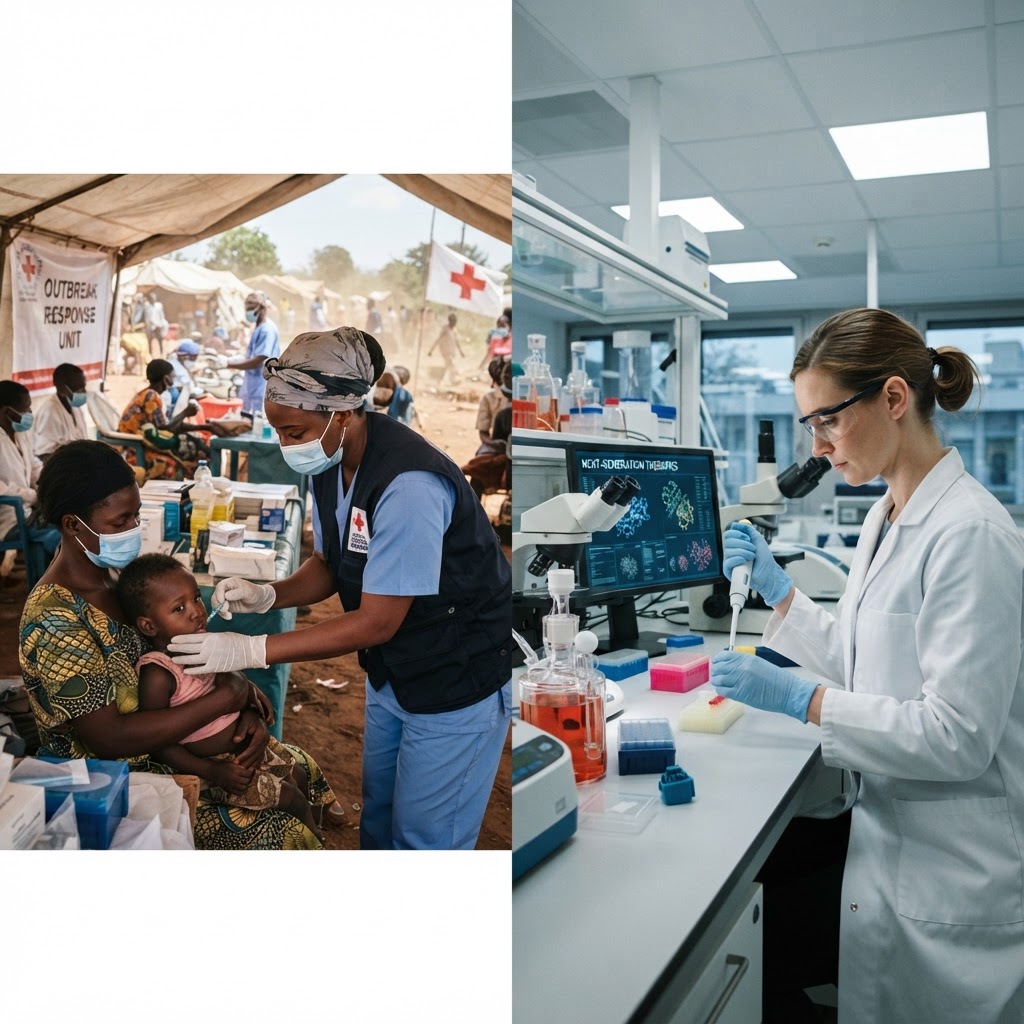
International health bodies are confronting alarming escalations in infectious disease outbreaks while clinical medicine reaches major milestones in synthetic biology, cancer detection, and metabolic care.