Global Culture at a Crossroads: Heritage Preservation, AI Disruption, and Inclusive Rebirth
Around the world, cultural policymakers, artists, and institutions are navigating shifting paradigms—from international mandates defending creative heritage against technological disruption to boundary-breaking exhibitions and regional performing arts showcases.
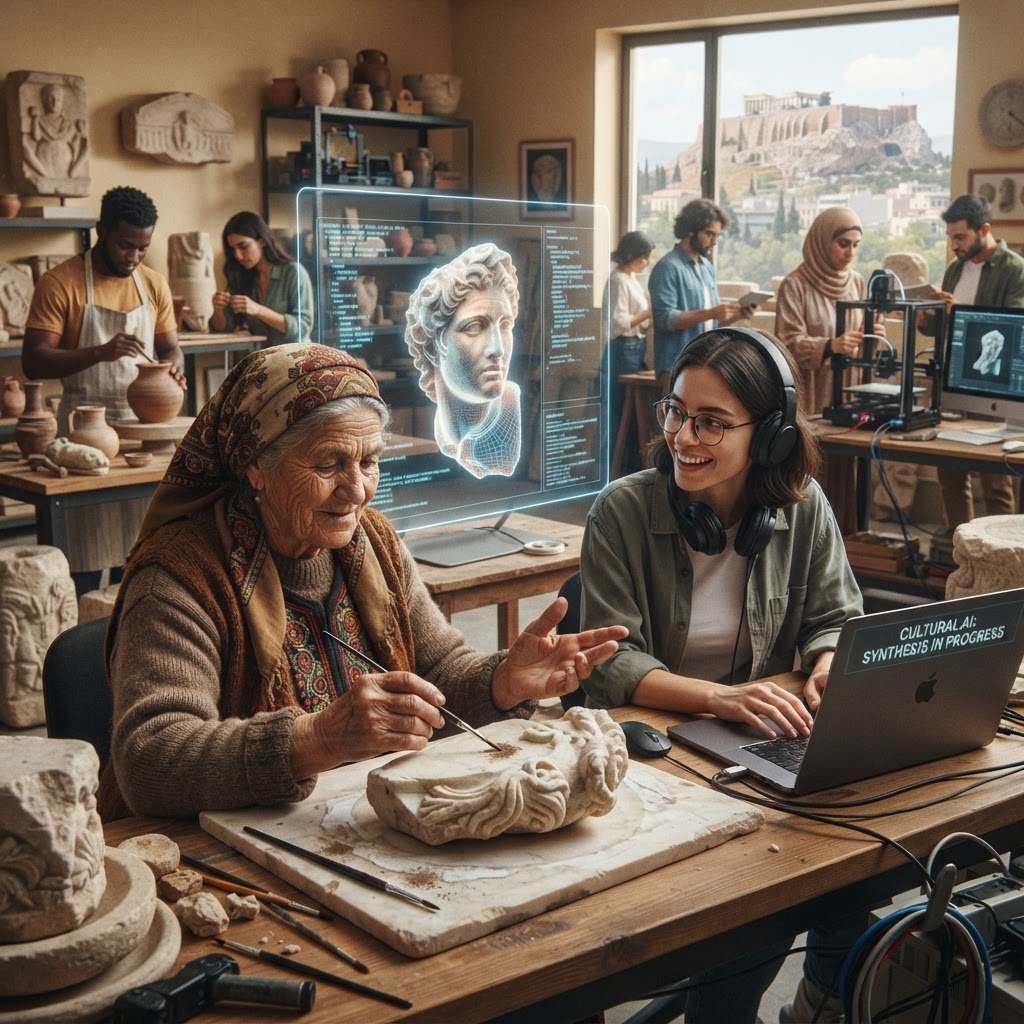
A New Global Mandate for Culture and Sustainable Growth
In recent days, international bodies and national ministries have sharply accelerated their efforts to reposition creative ecosystems at the heart of global development. Following the United Nations General Assembly's proclamation of the International Decade of Culture for Sustainable Development as reported by UNESCO, multilateral agencies are emphasizing that cultural industries are no longer secondary considerations in economic planning. With creative economies accounting for nearly 3.4% of global gross domestic product and supporting tens of millions of jobs worldwide, regional governments are confronting the urgent need to protect, finance, and expand local arts ecosystems.
This shift was prominently demonstrated in the Caribbean, where UNESCO presented recommendations for Jamaica's parliamentary debate on its Green Paper for the National Policy for Culture, Entertainment, and the Creative Economy, according to UNESCO. Representatives highlighted that while nations like Jamaica possess massive global soft power through music, fashion, and language, systemic inequities persist. A central focus of the debate was ensuring that domestic creators retain a far greater share of the commercial value generated by their artistic output.
The Artificial Intelligence Frontier and Intellectual Property
Looming over modern cultural policymaking is the rapid proliferation of generative artificial intelligence. Cultural advocates and international experts increasingly warn of the complex legal and ethical dilemmas posed by modern machine-learning models trained on proprietary and traditional cultural expressions. From the Caribbean to Europe, the unauthorized scraping of indigenous dialects, folkloric motifs, and distinct musical genres has triggered contentious debates surrounding creator remuneration and copyright protection.
Governments are scrambling to establish frameworks that distinguish authentic human expression from synthetic mimicry while guaranteeing that living artists are fairly compensated when their works are absorbed into training datasets. The core challenge for cultural stewards is no longer resisting innovation outright, but designing robust regulatory guardrails so that digital technology strengthens, rather than hollows out, foundational cultural identities.
Museums, Performing Arts, and Cultural Re-examination
Parallel to high-level policy summits, dynamic shifts are transforming museums, performance venues, and historical celebrations across diverse regions. In the Middle East, heritage institutions and performing arts agencies are pursuing large-scale modernization and cultural exchange. Events across the region—from the first anniversary celebrations of Cairo's Grand Egyptian Museum to theater commissions touring across multiple cities documented by Arab News—illustrate a sustained drive to bridge ancient civilizations with contemporary civic identity.
Meanwhile, in Europe, public engagement with fine arts has taken on experimental and introspective dimensions. From international dialogues at Baku Art Weekend to the record-setting public unveilings of towering folk art icons like the monumental Catrina sculptures for Mexico's Día de Muertos featured by Euronews, creators are actively deconstructing traditional media. Artists are abandoning classic techniques in favor of mixed-media installations, performance interventions, and esoteric themes that invite audiences to reconsider the line between historical craftsmanship and contemporary rebellion.
Accessibility, Community Engagement, and the Road Ahead
Grassroots and regional organizations are also tackling the vital issue of cultural accessibility and inclusivity. In Southeast Asia, major performing arts institutions have expanded efforts to make world-class staging accessible to all audiences, such as the Philippine Philharmonic Orchestra's ongoing concert season and the growing rollout of sign-language interpreted theatrical productions in Manila, highlighted by the Manila Bulletin. Concurrently, programs like the European Union's mobility schemes and South Korea's international performance initiatives documented by Korea Global News continue to demonstrate how cross-border cultural diplomacy fosters social resilience and mutual understanding.
As the global creative economy grapples with economic pressures, climate vulnerability, and digital disruption, one constant remains clear: culture is serving as both an anchor and a transformative engine. Whether through progressive legislative protections, cutting-edge gallery installations, or inclusive performing arts, creators and communities worldwide are asserting that cultural identity remains an indispensable, non-negotiable public good.
Recommended for you
Similar to “Culture”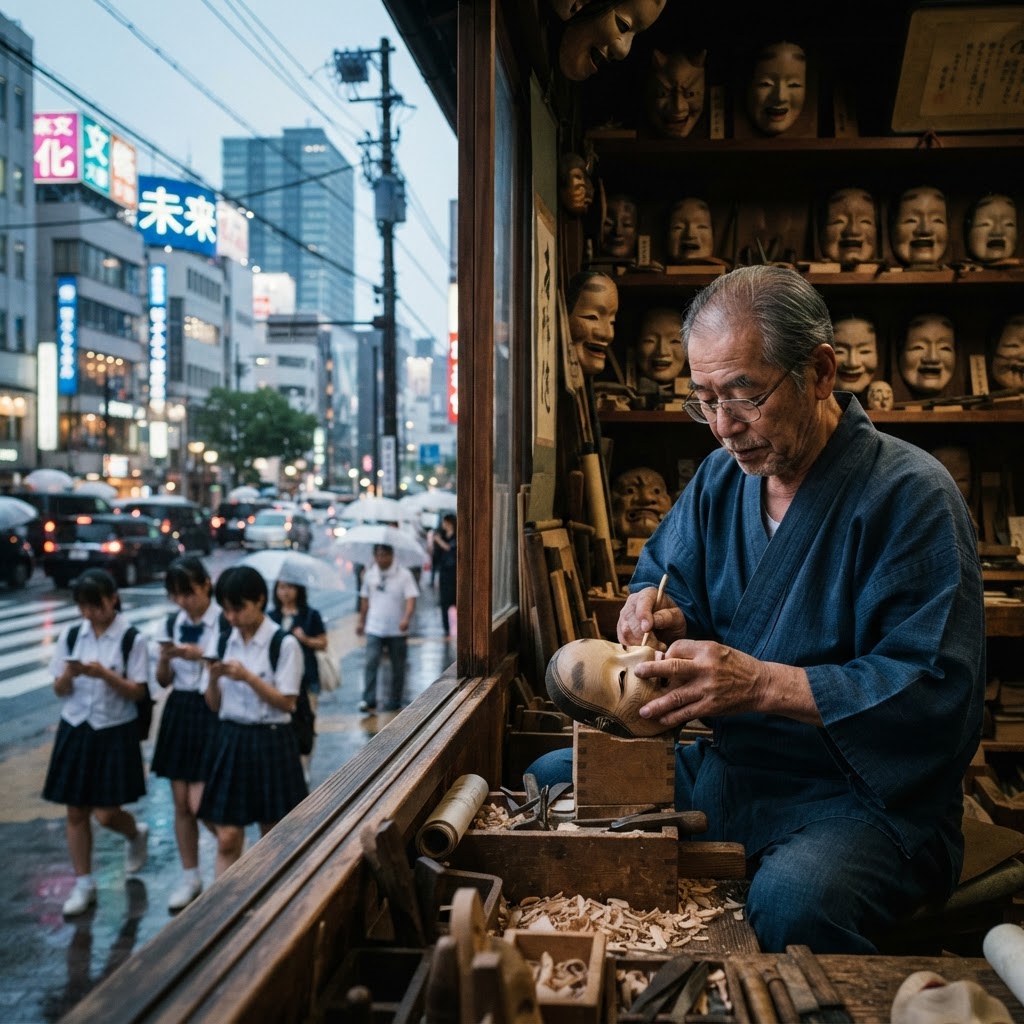
Preserving the Past, Navigating the Future: Global Culture Faces a Dual Revolution
Around the world, cultural institutions and artists are navigating unprecedented shifts, balancing the fight to protect tangible heritage against conflict and the challenges posed by artificial intelligence.
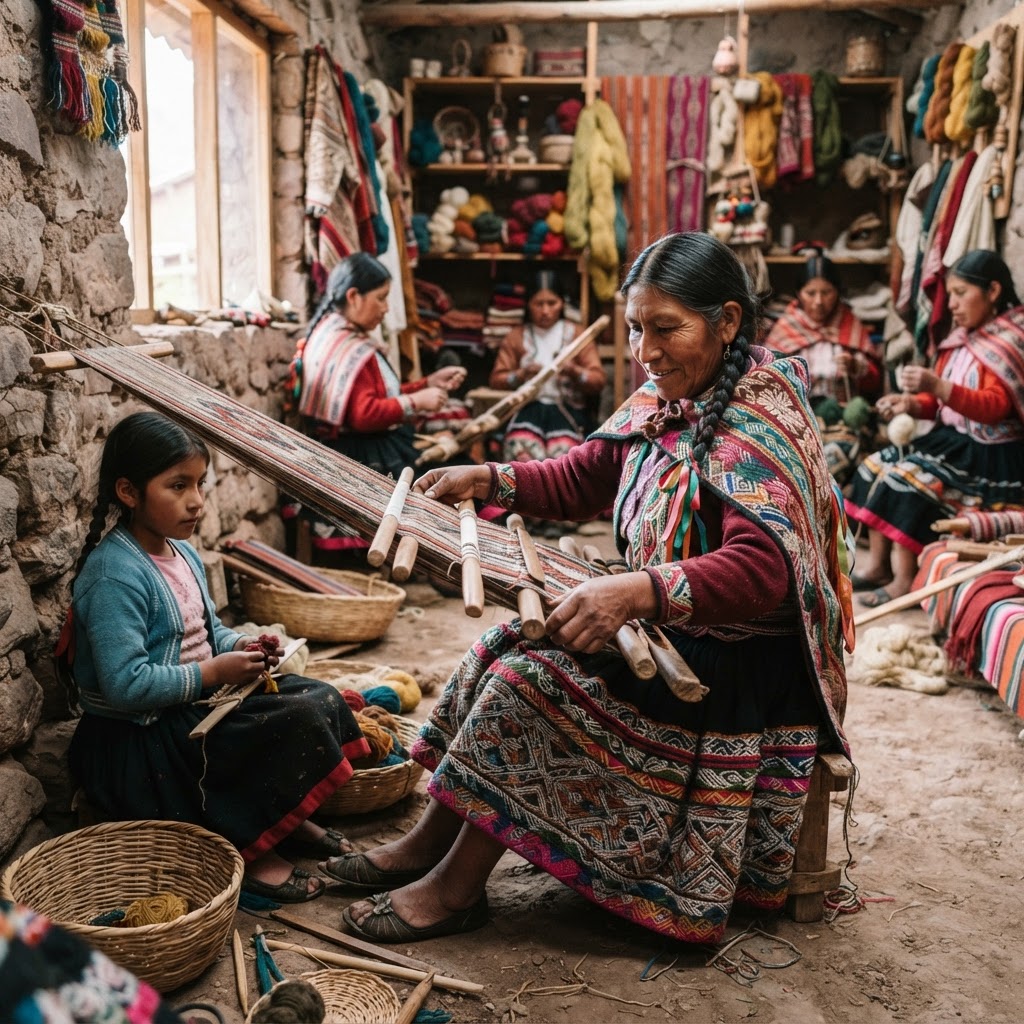
Weaving Continuity and Reclaiming Identity: The Global Resurgence of Living Heritage
Around the world, cultural institutions, artists, and indigenous craftspeople are reimagining centuries-old traditions to navigate modern creative and technological shifts.
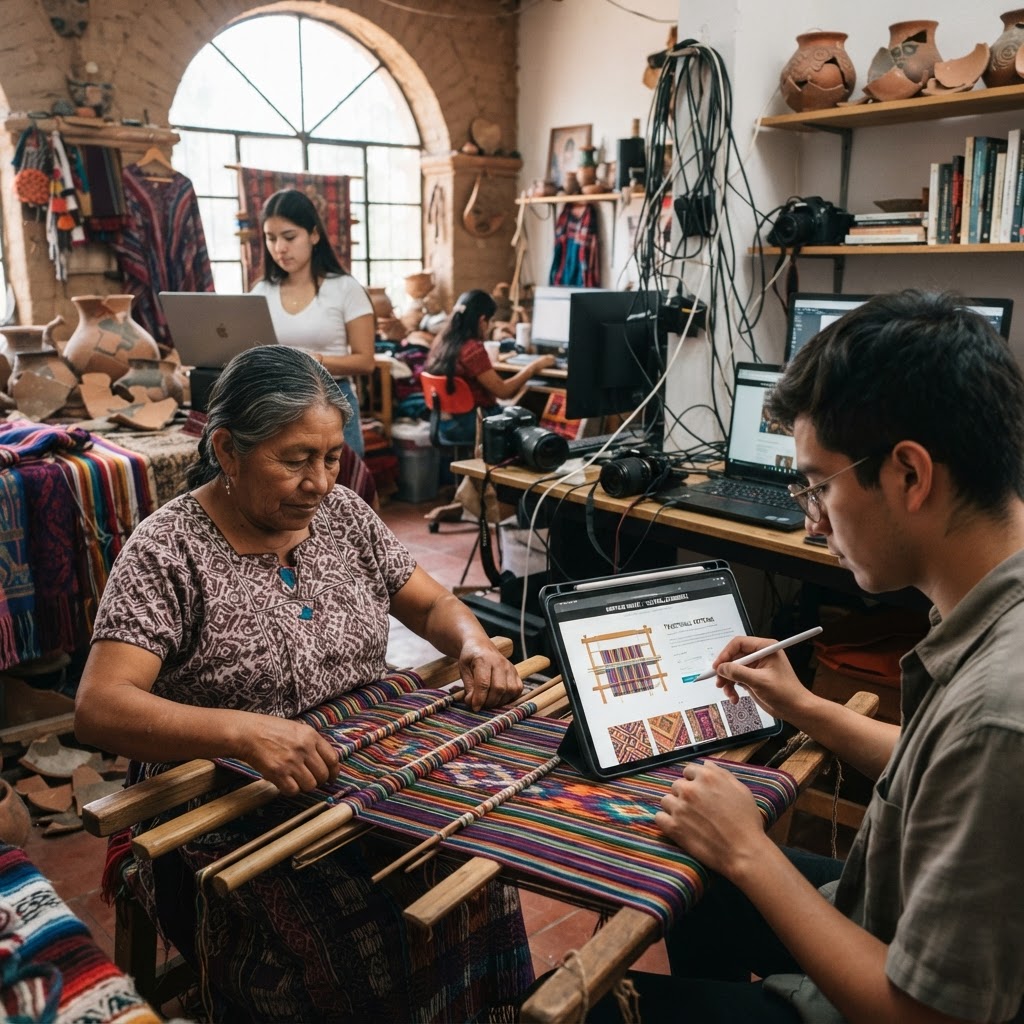
Global Culture at the Crossroads: Balancing Creative Economies, Technology, and Cultural Heritage
As international bodies establish sweeping frameworks for cultural sustainability, nations are navigating the dual challenges of technological disruption and preserving localized creative identity.