Between Heritage and Innovation: The Shifting Landscapes of Global Culture
Recent cultural developments across the world highlight an era caught between the intense preservation of historic memory, the disruption of emerging technology, and renewed institutional diplomacy.
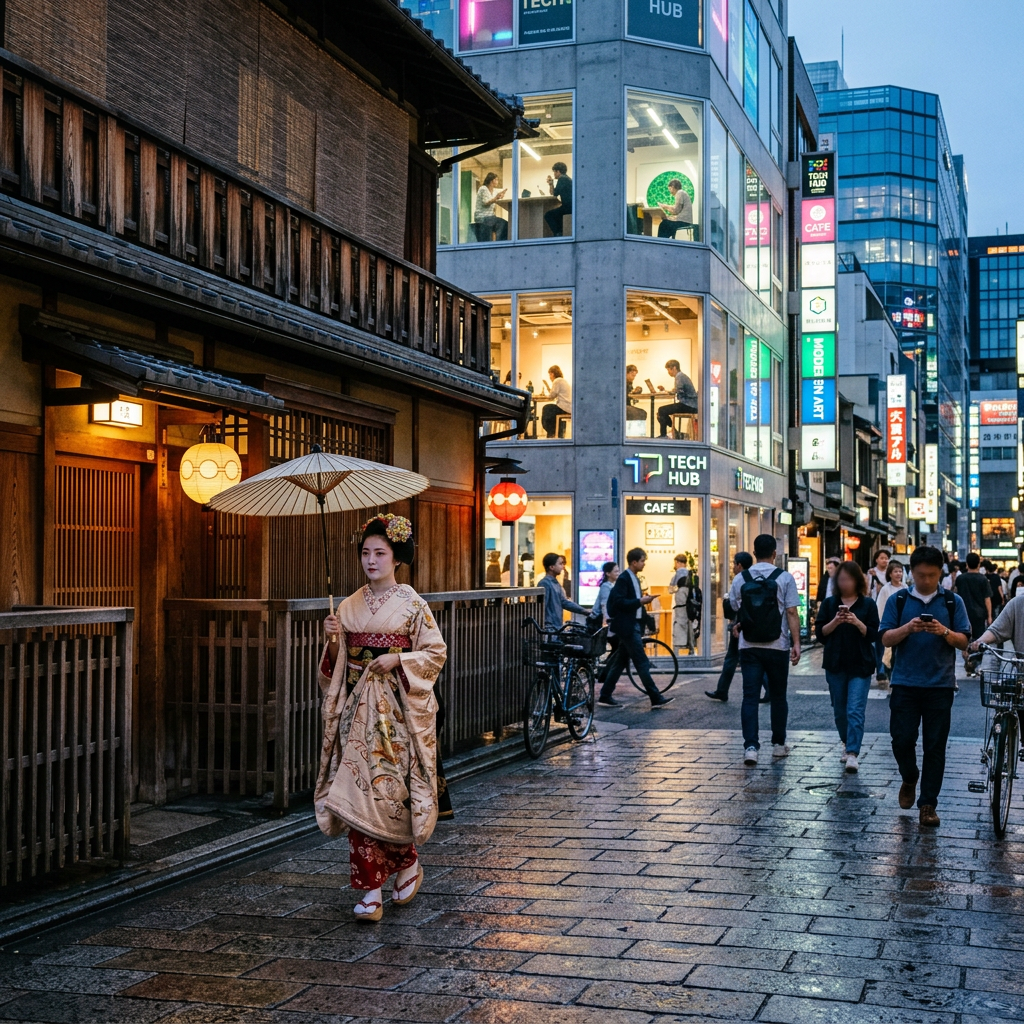
The Living Pull of Historical Memory
Around the globe, cultural institutions and communities are grappling with the vital balance between safeguarding historical heritage and addressing the realities of the modern world. In Greece, authorities have introduced pioneering digital archive projects designed to preserve industrial and civic histories, such as the legacy of the Serifos ironworks, transforming regional collective memories into permanently accessible digital tapestries. Concurrently, broader debates around cultural sovereignty and historical restitution remain at the forefront of international diplomacy, as renewed discussions surround the future of classical antiquities like the Parthenon Marbles, highlighting long-standing tensions over where heritage truly belongs.
Across European landmarks, public engagement with ancient history has also taken on dynamic participatory forms. During European Heritage Days, sites such as Pompeii have staged historical re-enactments of Roman traditions and gladiatorial life, drawing spectators directly into living history. These events emphasize an ongoing trend in heritage tourism: bridging scholarly historical preservation with immersive experiences that make the distant past visceral, tangible, and relevant to contemporary audiences.
The Collision of Literary Tradition and Technological Uncertainty
While historic sites turn to interactive formats, the literary world faces profound questions regarding authorship, originality, and the impact of rapid technological disruption. Recent controversies within international literary circles have surfaced concerning the alleged role of artificial intelligence in contemporary writing. The critical reception of acclaimed new fiction has collided with accusations and intense public debate over machine assistance, shedding light on the emerging anxieties writers, publishers, and readers feel as algorithmic tools proliferate across creative industries.
These controversies reflect a broader moment of soul-searching in the arts. While technology democratizes production and introduces novel possibilities for expression, it also challenges conventional frameworks of creative authenticity and intellectual property. From debates over generative digital models to questions of authorial voice, creative communities are being forced to redefine what constitutes genuinely human craftsmanship in literature and the visual arts.
Cultural Resilience Amid Crisis
Beyond debates over modern technology, cultural identity continues to demonstrate profound resilience in the face of conflict and systemic disruption. In war-affected regions such as Ukraine, where bombings and infrastructure damage have destroyed printing presses and millions of volumes of literature, writers, archivists, and cultural ministers are mobilizing to protect the country's national literary heritage. Cultural preservation in these zones ceases to be a passive archival task; it transforms into an urgent act of survival and self-determination against physical and ideological erasure.
Efforts to rebuild publishers' networks, catalog endangered archives, and maintain continuous public access to cultural assets emphasize how essential the arts are to national endurance. Even during intense geopolitical crises, cultural heritage acts as an anchor of collective resistance and enduring human dignity.
The Evolving Architecture of Modern Creative Spaces
In global metropolitan centers, the institutional landscape of the arts is undergoing a parallel metamorphosis. From the expansion of independent gallery districts such as Tribeca in New York City to private and public museum developments across Portugal and Turkey, new spaces are emerging that redefine how art is exhibited and funded. Cities are increasingly treating contemporary art as a pillar of urban regeneration, integrating corporate philanthropy and municipal support to construct cultural institutions that invite civic contemplation.
Together, these shifts illustrate an international cultural landscape marked by dramatic transition. Whether navigating the complexities of technological invention, defending creative memory against geopolitical violence, or reimagining urban cultural hubs, the cultural sector continues to serve as the quintessential mirror of global change.
Recommended for you
Similar to “Global Culture”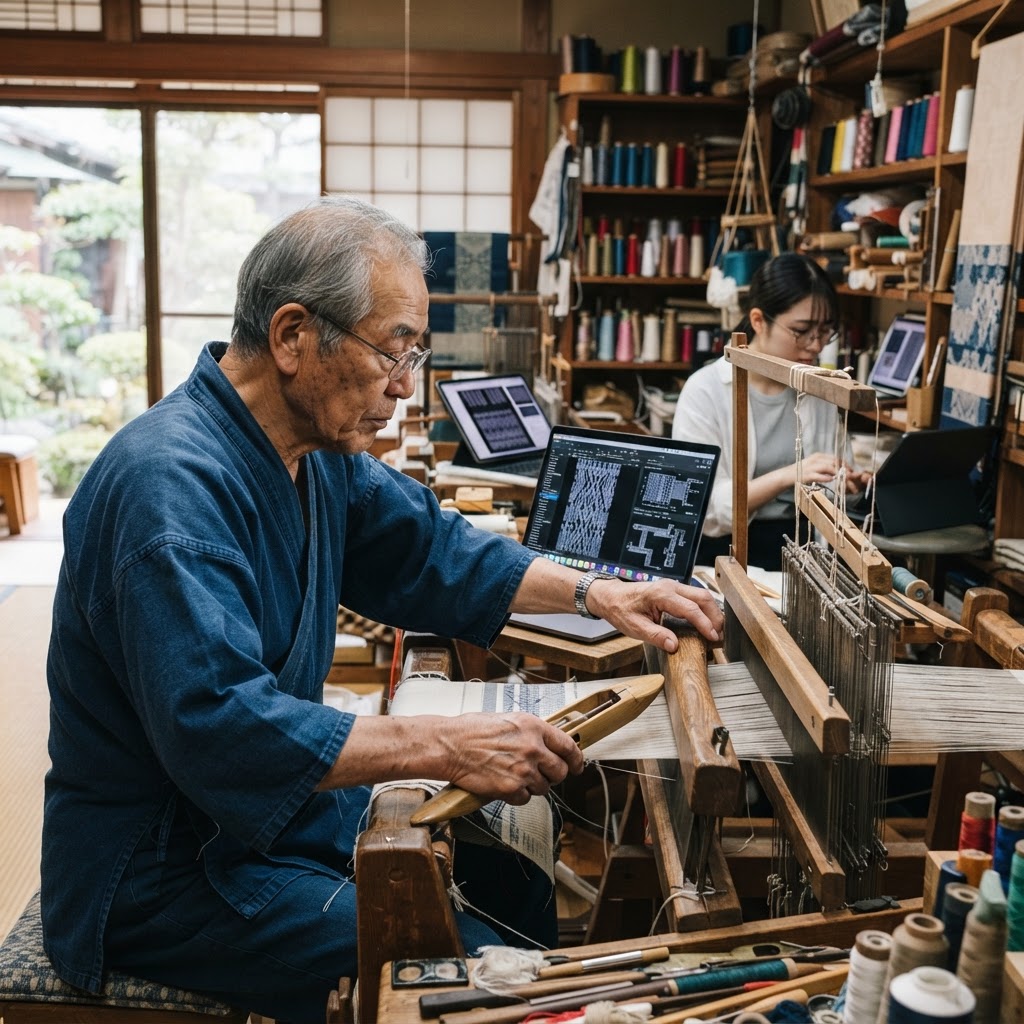
Between Heritage and Innovation: How Global Culture Navigates Technological Disruption and Shifting Frontiers
From generative artificial intelligence scandals in literature to the diplomatic restitution of antiquities, recent events highlight a dynamic cultural landscape balancing heritage preservation with modern technology.
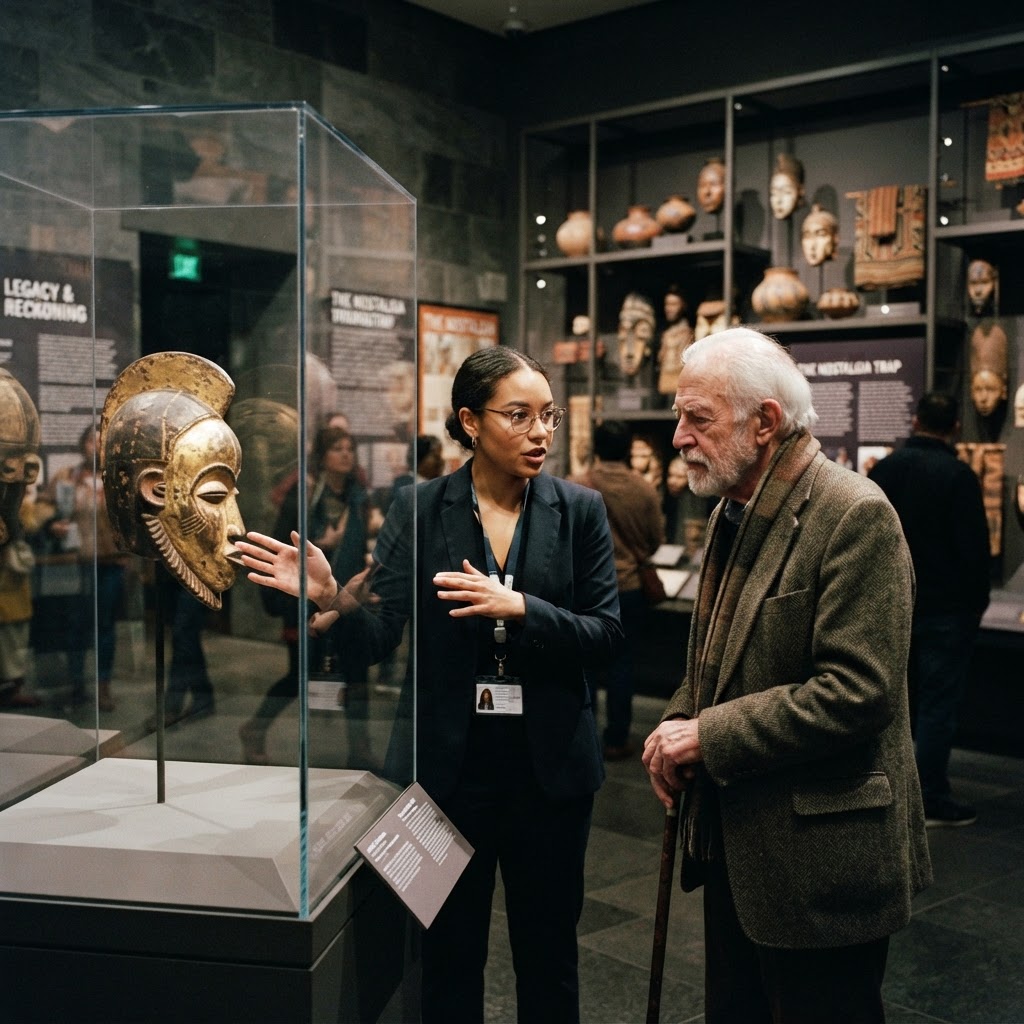
Global Culture at a Crossroads: Heritage Reckonings, Curatorial Ambition, and the Pull of Nostalgia
Recent developments across international museums, performing arts, and heritage policy highlight an era defined by institutional self-scrutiny, diasporic collaboration, and shifting cultural memory.
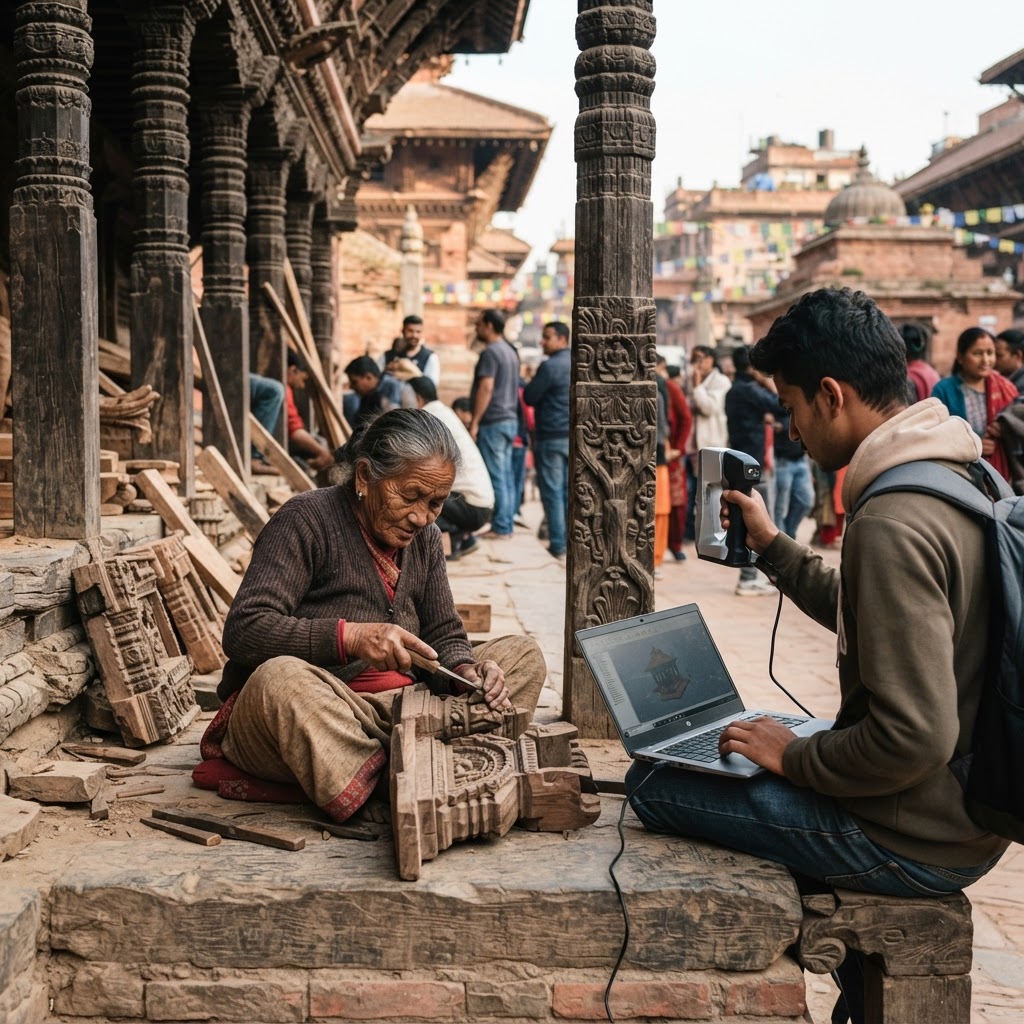
Between Heritage Preservation and Digital Rejuvenation: The Shifting Landscapes of Global Culture
Recent cultural initiatives across the globe highlight an evolving balance between preserving vulnerable community histories and modernizing the performing arts for digital-era audiences.