Global Culture at a Crossroads: Heritage Reckonings, Curatorial Ambition, and the Pull of Nostalgia
Recent developments across international museums, performing arts, and heritage policy highlight an era defined by institutional self-scrutiny, diasporic collaboration, and shifting cultural memory.
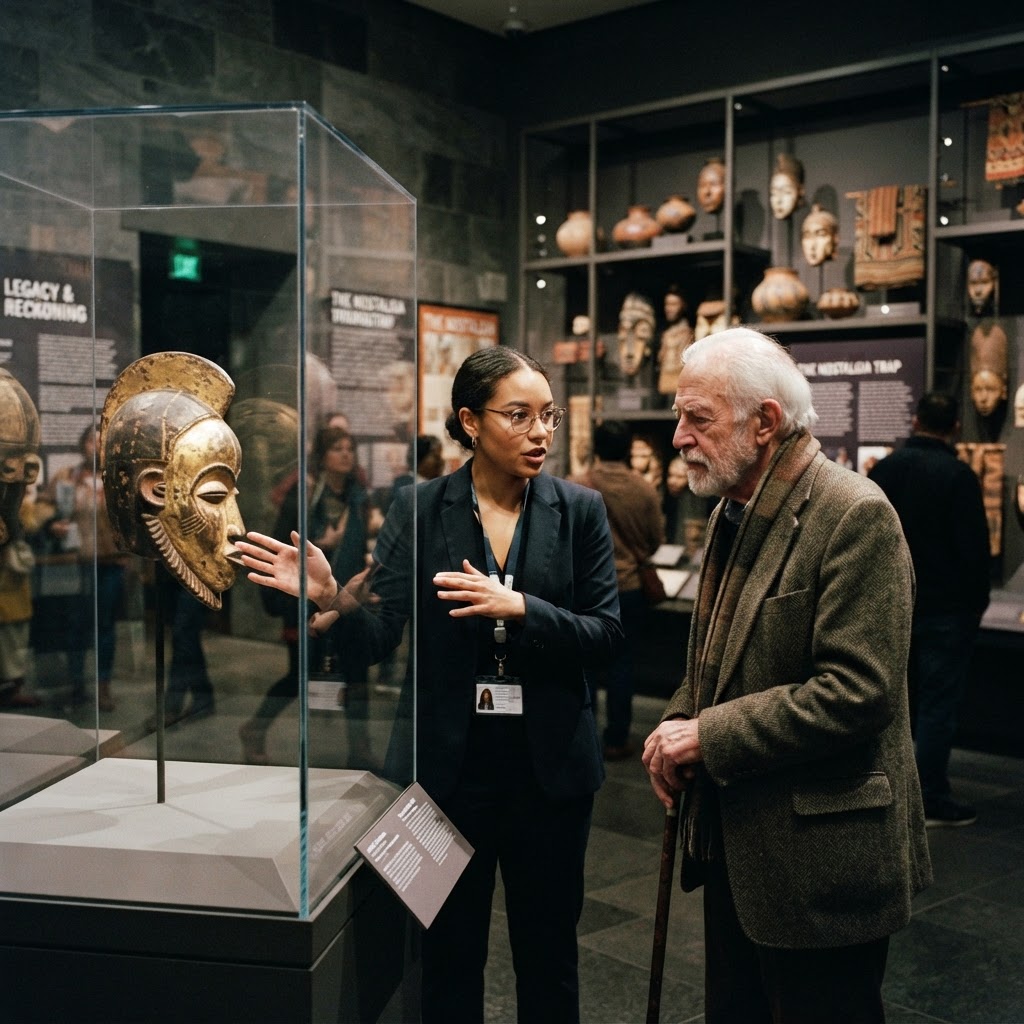
A Time of Institutional Re-examination
In cultural hubs around the world, art institutions and heritage bodies are facing moments of significant accountability and self-evaluation. Recent headlines from Seoul to London underscore how deeply provenance, authenticity, and institutional integrity resonate with contemporary audiences. At the National Museum of Korea, director You Hong-june offered to step down following revelations concerning an incorrectly attributed historical calligraphic work derived from a private collection, as reported by Yonhap News Agency. The incident has reignited long-standing professional discussions regarding the authentication protocols used by major public galleries when exhibiting borrowed masterpieces.
Simultaneously, the art world continues to grapple with the shifting nature of historical narratives. Recent historical and scholarly investigations, such as new findings tracking early American master Edward Hopper's early oil paintings to derivative sources, reveal how contemporary research frequently challenges previously canonized art histories, according to The Art Newspaper. Rather than diminishing artists' legacies, these discoveries prompt curators and art historians to present more nuanced and transparent accounts of how classic works were originally conceptualized and created.
Diasporic Partnerships and Collaborative Curating
Far from retreating inward, international cultural centers are turning to cross-institutional cooperation to celebrate underrepresented artistic communities. In the United Kingdom, leading cultural venues across London’s South Kensington quarter announced a coordinated initiative to launch a major South Asian arts festival scheduled for the coming year, as detailed by The Art Newspaper. The multi-venue celebration brings together traditional and contemporary creators from India, its neighboring countries, and the broader global diaspora.
By pooling municipal and institutional resources, museums are attempting to move past siloed exhibition models. The collaborative festival model offers an avenue for engaging diverse audiences while addressing institutional calls for sustained, community-rooted representation. Similar initiatives across Europe—ranging from cinema showcases celebrating cinematic heritage at the Lumière Film Festival in Lyon to international symposia examining Central Asian scientific and cultural heritage at UNESCO headquarters in Paris, as noted by Euronews—demonstrate an appetite for shared cultural exchange in an increasingly interconnected landscape.
Global Policy and the Future of Sustainable Culture
At the intergovernmental level, the integration of cultural preservation into broader development targets has reached a landmark phase. Member states at the United Nations General Assembly and UNESCO have initiated formal groundwork for an upcoming International Decade of Culture for Sustainable Development, outlined by UNESCO. Originally brought forward through cross-regional cooperation led by nations including Viet Nam, the decade-long agenda seeks to firmly position cultural heritage, creative economies, and artistic infrastructure within the future global development framework.
Policymakers argue that traditional economic models have long undervalued creative sectors, despite culture’s proven capacity to strengthen social cohesion, preserve indigenous and intangible practices, and foster urban resilience. By instituting dedicated international benchmarks, cultural advocates hope to secure permanent funding mechanisms and legislative protections for artists, curators, and heritage workers who navigate precarious socioeconomic environments.
Independent Shifts and the Cycle of Nostalgia
The contemporary cultural pulse is also being reshaped by tectonic shifts in the commercial entertainment sector and consumer nostalgia. In the pop music realm, high-profile artists are asserting greater autonomy over their creative output. TWICE leader Jihyo recently announced her departure from agency titan JYP Entertainment after over two decades to inaugurate her own independent agency, as reported by Yonhap News Agency. This decision reflects an industry-wide trend toward creative independence among veteran pop performers who are choosing to manage their own projects rather than remain bound to multi-decade studio systems.
At the same time, audiences continue to seek solace in cyclical aesthetic trends. Cultural analysts observe a massive wave of early-2000s and millennium-era nostalgia sweeping mainstream fashion, music, and screen entertainment, as documented by The Economist. From sold-out legacy band residencies to revivals of signature fashion silhouettes and retro consumer electronics, modern audiences are actively remixing the aesthetics of the recent past to cope with the rapid disruptions of the digital age.
Whether through international diplomatic frameworks, institutional reorganizations, or grass-roots creative movements, culture continues to operate as an indispensable mirror of social transformation. As heritage caretakers and contemporary creators alike navigate ethical, historical, and economic crossroads, the global arts community is carving out spaces that honor past legacies while aggressively embracing creative self-determination.
Recommended for you
Similar to “Arts & Culture”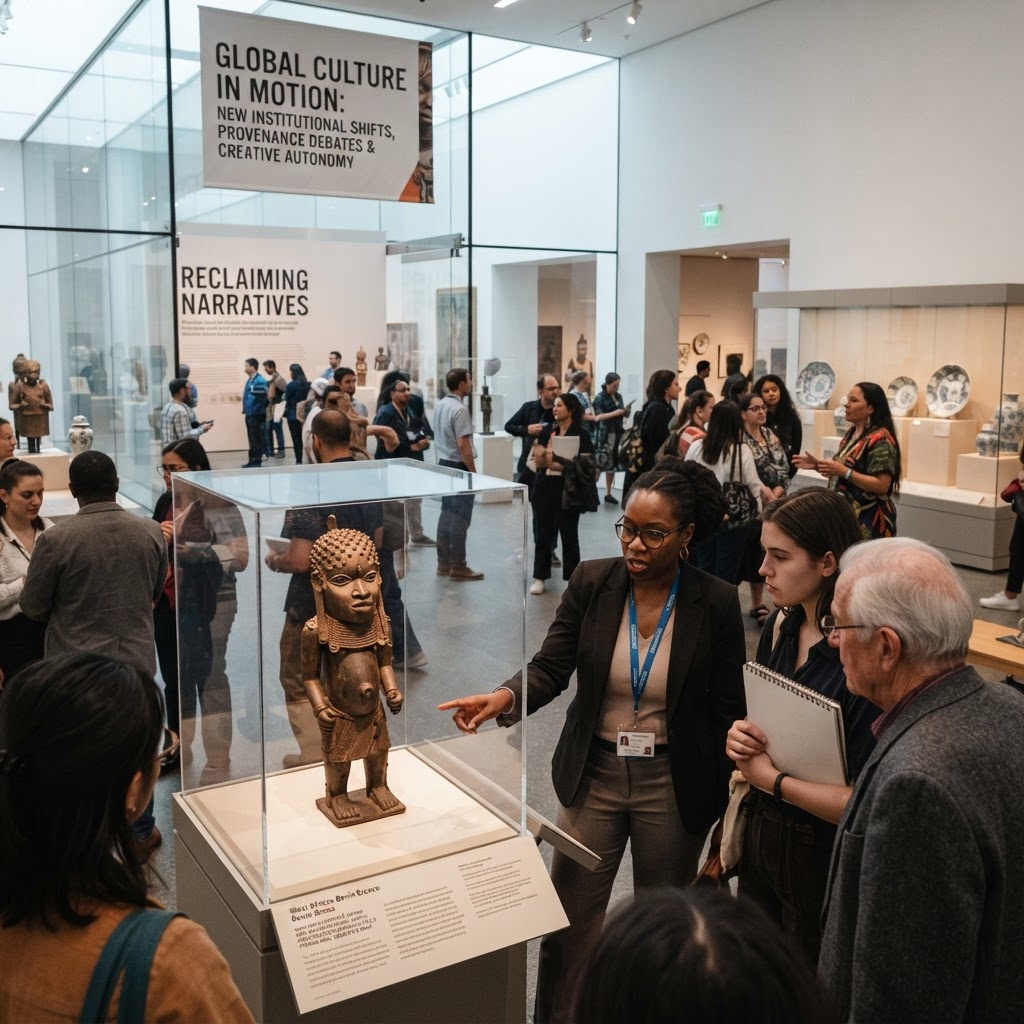
Global Culture in Motion: New Institutional Shifts, Provenance Debates, and Shifting Creative Autonomy
Recent developments across international museums, policy frameworks, and popular music reflect a cultural landscape grappling with transparency, creative independence, and heritage preservation.
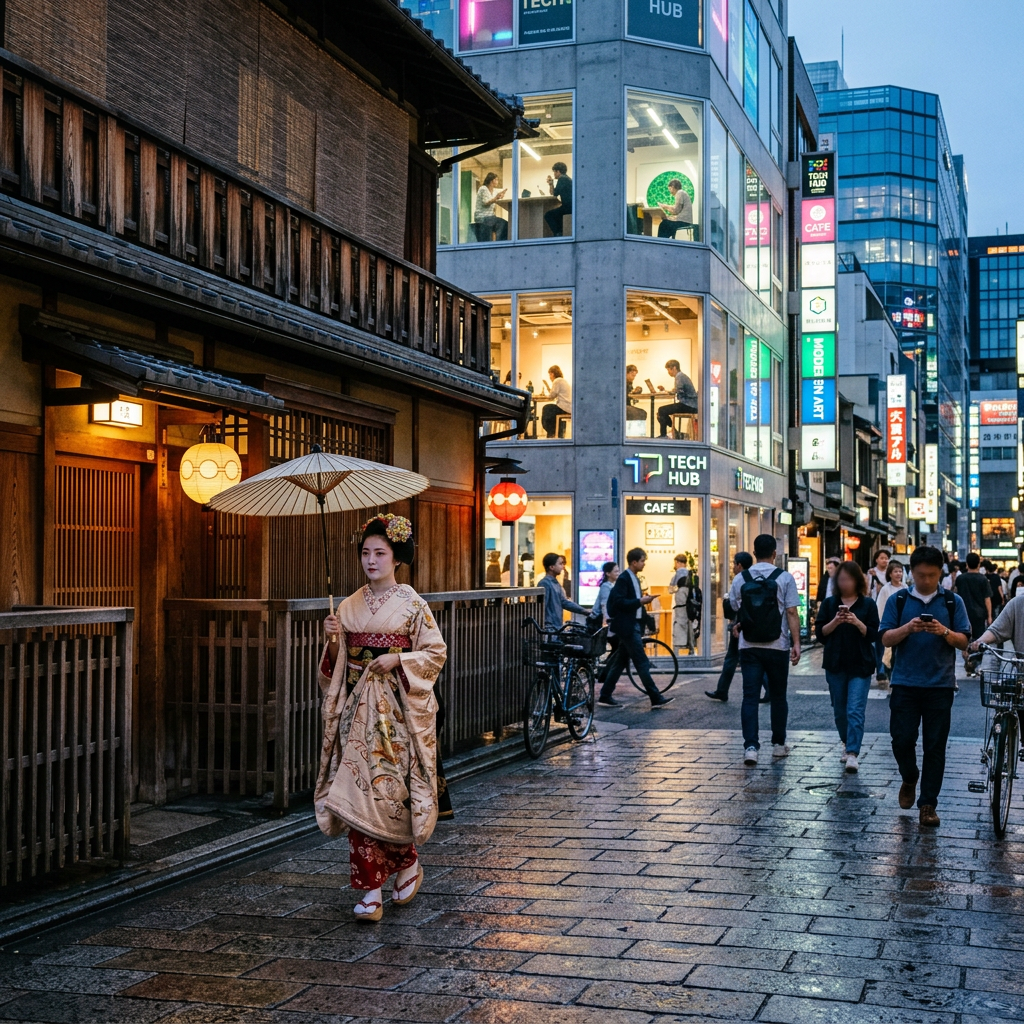
Between Heritage and Innovation: The Shifting Landscapes of Global Culture
Recent cultural developments across the world highlight an era caught between the intense preservation of historic memory, the disruption of emerging technology, and renewed institutional diplomacy.
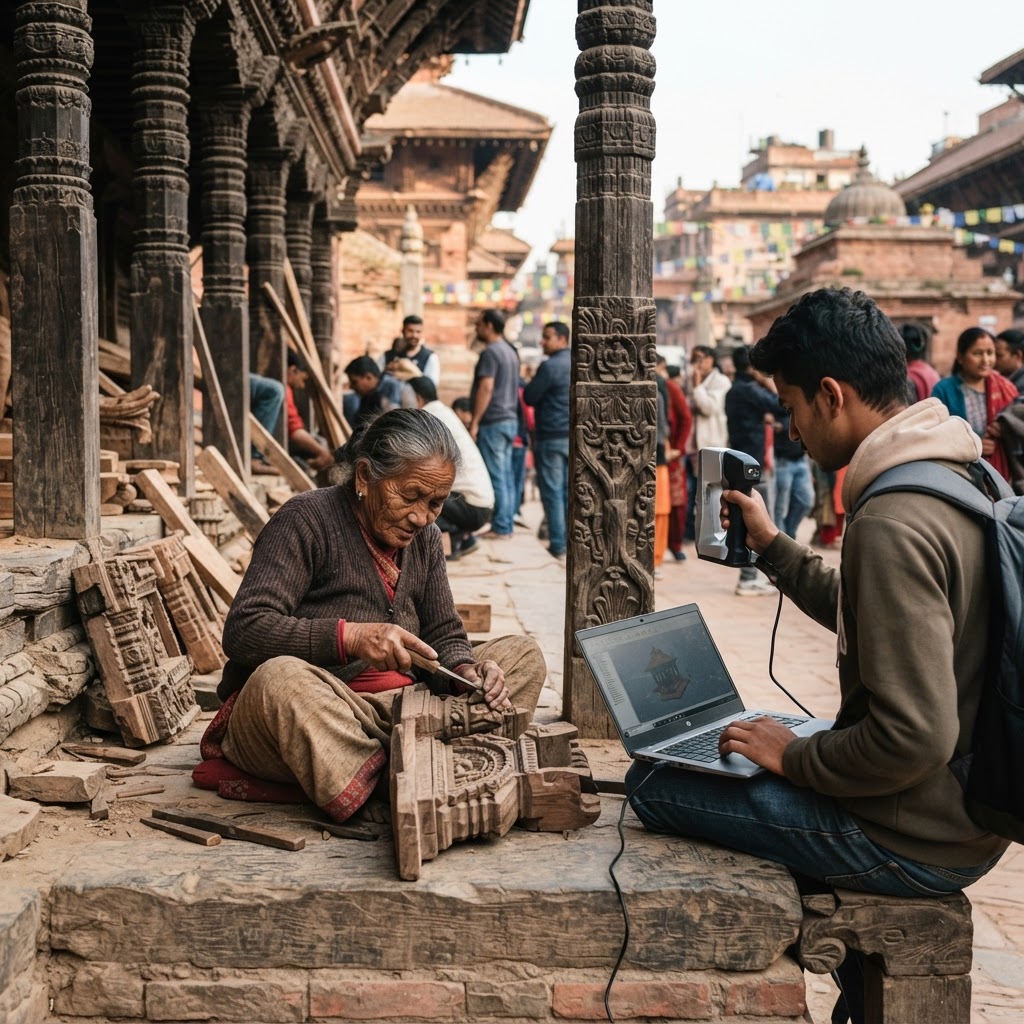
Between Heritage Preservation and Digital Rejuvenation: The Shifting Landscapes of Global Culture
Recent cultural initiatives across the globe highlight an evolving balance between preserving vulnerable community histories and modernizing the performing arts for digital-era audiences.