Between Heritage and Innovation: How Global Culture Is Navigating Modern Transitions
From the restitution of stolen antiquities and living craft revivals to fierce debates over artificial intelligence in literature, recent events highlight a dynamic cultural landscape balancing preservation with modernity.
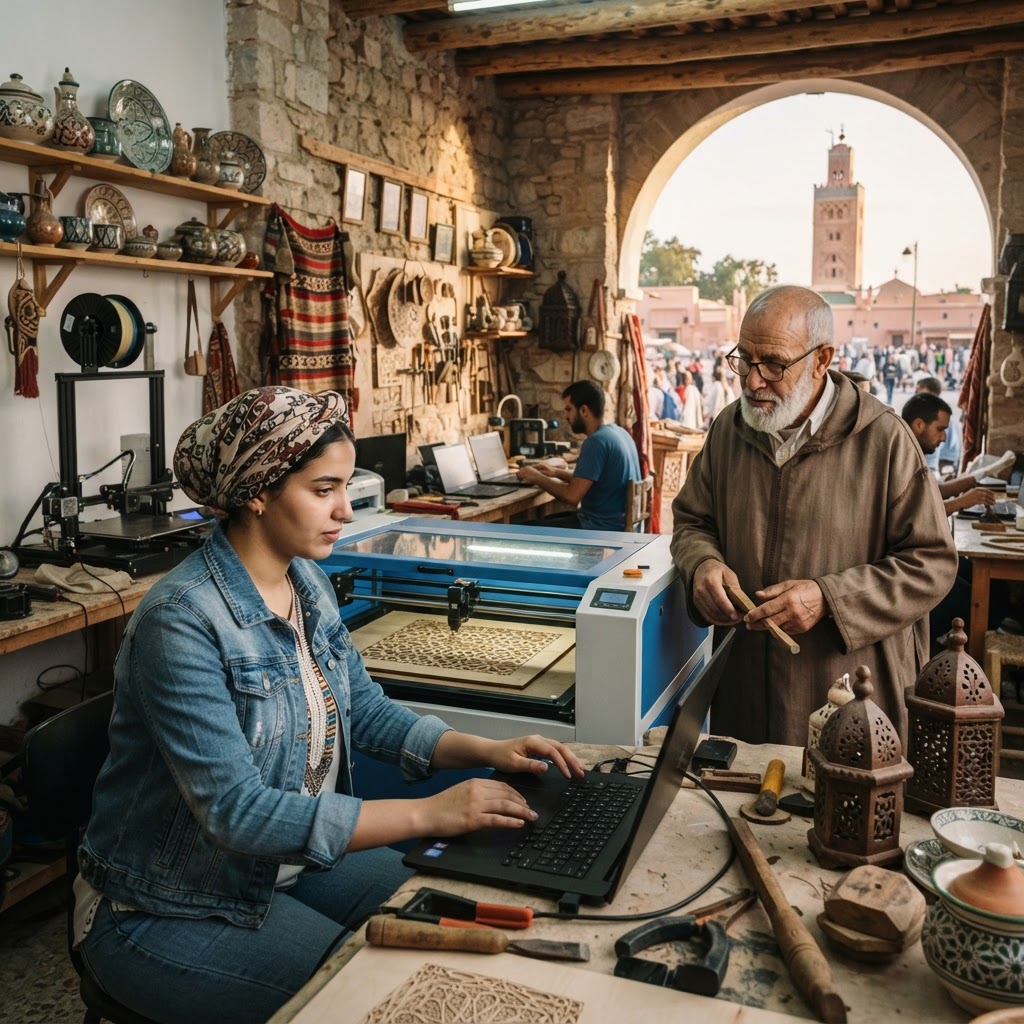
The Revival of Heritage and Living Traditions
Cultural preservation has taken center stage across international platforms in recent days, illustrating how nations balance historical memory against rapid modernization. In Europe and Central Asia, grassroots and institutional initiatives are refocusing attention on traditional crafts and community memory. As reported by Euronews, artisans across Uzbekistan are revitalizing centuries-old Silk Road craft practices, demonstrating the economic and artistic resilience of generational craft workshops. Concurrently, southern European nations are digitizing their community narratives, exemplified by Greece launching a digital historical archive dedicated to preserving the industrial and human heritage of regional ironworks.
These preservation efforts extend far beyond local archives. Major diplomatic and cultural milestones continue to reshape cross-border relationships. The United States has undertaken new repatriations of looted antiquities to China, reflecting an ongoing international consensus on cultural restitution and the moral imperative of returning heritage to its place of origin, a milestone documented by CGTN. Through these initiatives, material artifacts are increasingly treated not merely as museum relics, but as foundational pillars of sovereign identity and diplomatic reconciliation.
Artificial Intelligence Enters the Literary Arena
While ancient artifacts reclaim their rightful homes, contemporary arts are grappling with profound questions of authenticity and technology. The rapid rise of artificial intelligence has moved beyond hypothetical debates to disrupt high-stakes cultural spaces. In France, the literary world was recently rattled when author Thélyson Orélien, longlisted for prestigious literary honors, faced online allegations of relying on generative AI to craft his acclaimed novel. Orélien firmly rejected the claims, pointing to a xenophobic backlash against diverse creators in traditional publishing environments.
The debate mirrors broader friction across cinema and visual media. From international premieres of films examining AI perspectives, such as screenings at the Toronto International Film Festival, to digital biennials in Guangzhou exploring the boundaries between synthetic algorithms and human expression, creators are demanding clear ethical frameworks. Institutions and critics alike are now tasked with determining where computer assistance ends and original artistic vision begins, fundamentally redefining the definition of authorship in the digital age.
Resilience, Loss, and Collective Identity
Even as culture evolves in the digital sphere, it remains intensely vulnerable to physical conflict and the passage of time. In Ukraine, the cultural ministry recently reported devastating losses to national intellectual heritage, with Russian missile strikes destroying millions of volumes at central distribution points. The loss of physical books poses severe challenges to long-term education and literary output, yet it has simultaneously spurred local publishers and global advocates to redouble efforts to protect libraries, archives, and regional publishing ecosystems.
Simultaneously, the global artistic community has gathered to honor cultural figures who defined modern regional expression. Portugal recently mourned the loss of celebrated singer-songwriter Jorge Palma, whose decades-long catalog helped define post-revolutionary Portuguese popular music. From communal gatherings honoring national icons to diaspora-driven traditions—such as lowriding parades celebrating Chicano heritage in North American cities—cultural practice remains an enduring source of unity and collective memory amidst political and technological upheaval.
Recommended for you
Similar to “Culture & Heritage”
Between Heritage and Innovation: How Global Culture Navigates Technological Disruption and Shifting Frontiers
From generative artificial intelligence scandals in literature to the diplomatic restitution of antiquities, recent events highlight a dynamic cultural landscape balancing heritage preservation with modern technology.
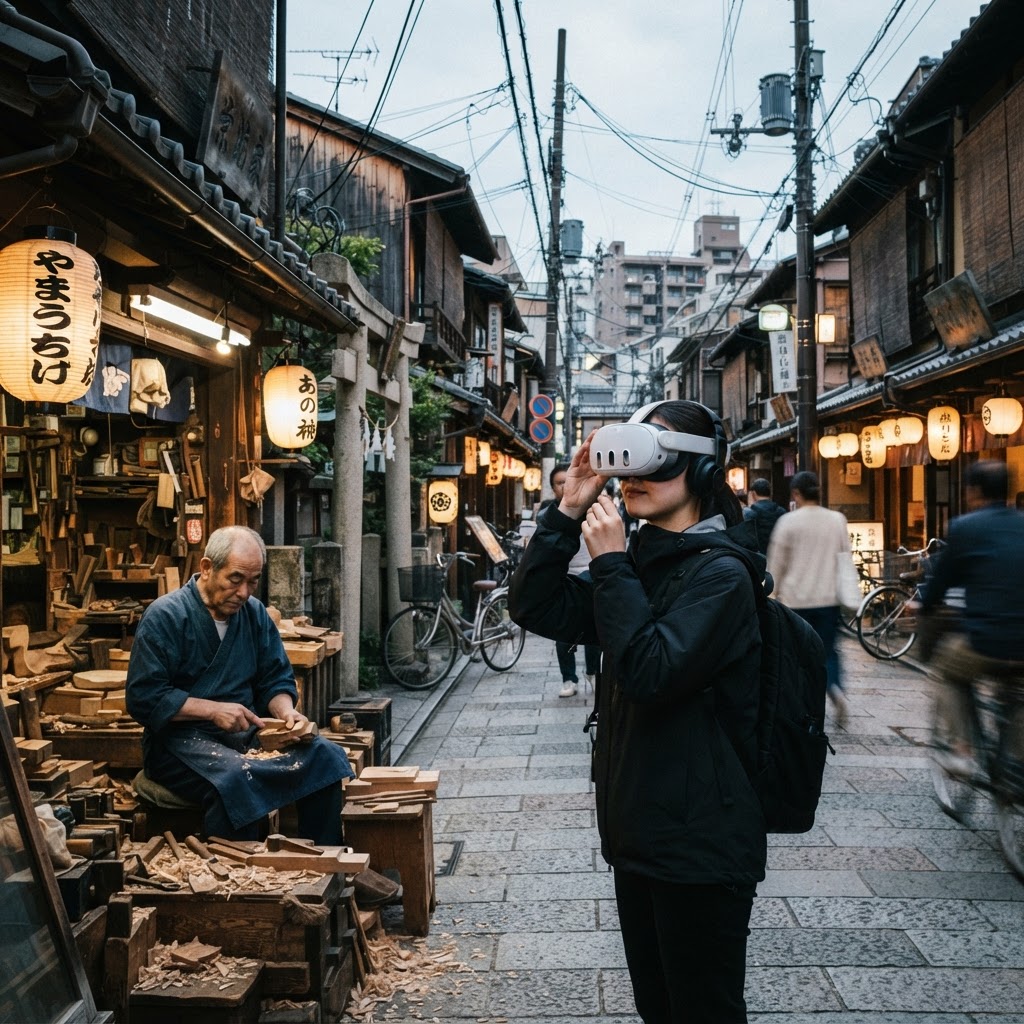
Between Heritage and Innovation: How Global Culture Is Navigating Modern Shocks
From digital streaming milestones and museum thefts to shifting youth vernaculars and disputes over artificial intelligence in art, the global cultural arena is grappling with dramatic transformations.
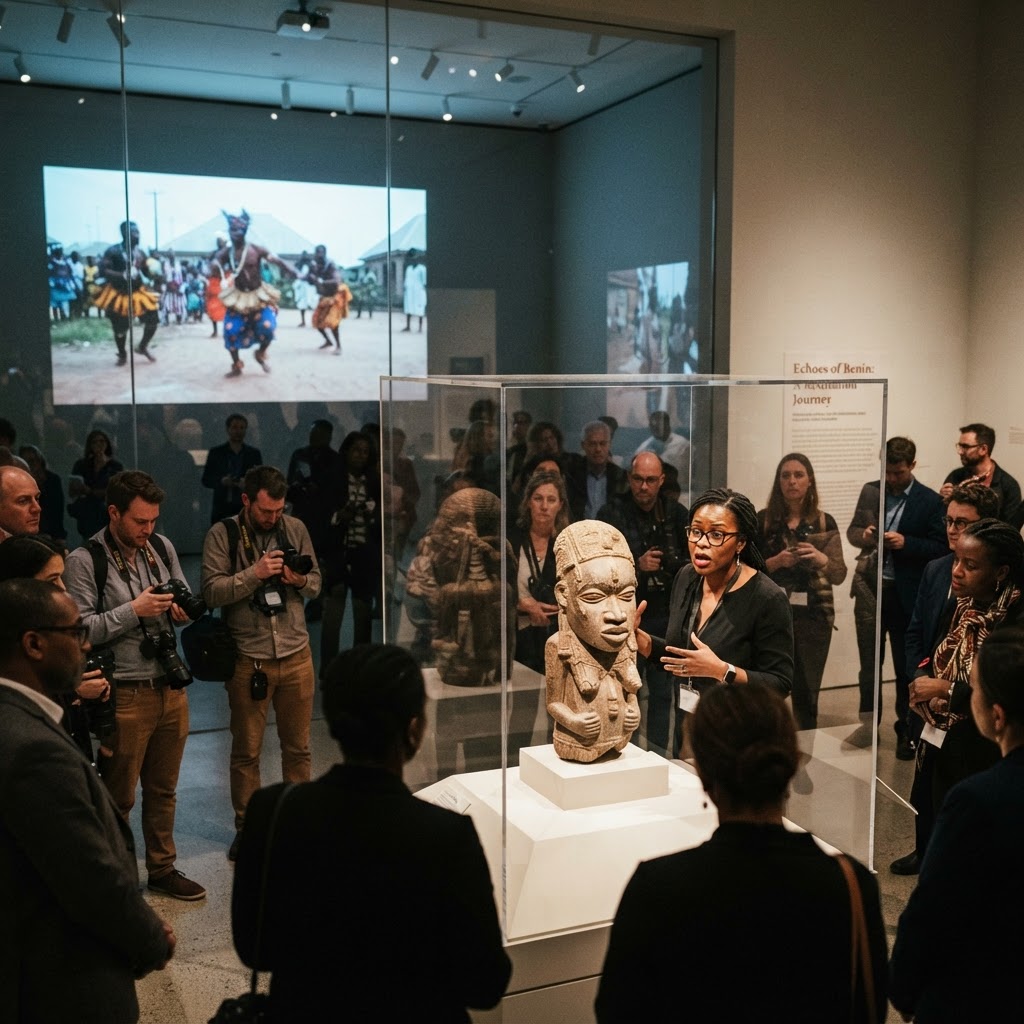
Heritage, Restitution, and Modern Spectacle: The Global Cultural Landscape in Motion
Recent cultural developments highlight an ongoing struggle over historical ownership alongside vibrant revivals in the performing arts and archival history across the globe.