Between Heritage and Innovation: How Global Culture Is Navigating Modern Shocks
From digital streaming milestones and museum thefts to shifting youth vernaculars and disputes over artificial intelligence in art, the global cultural arena is grappling with dramatic transformations.
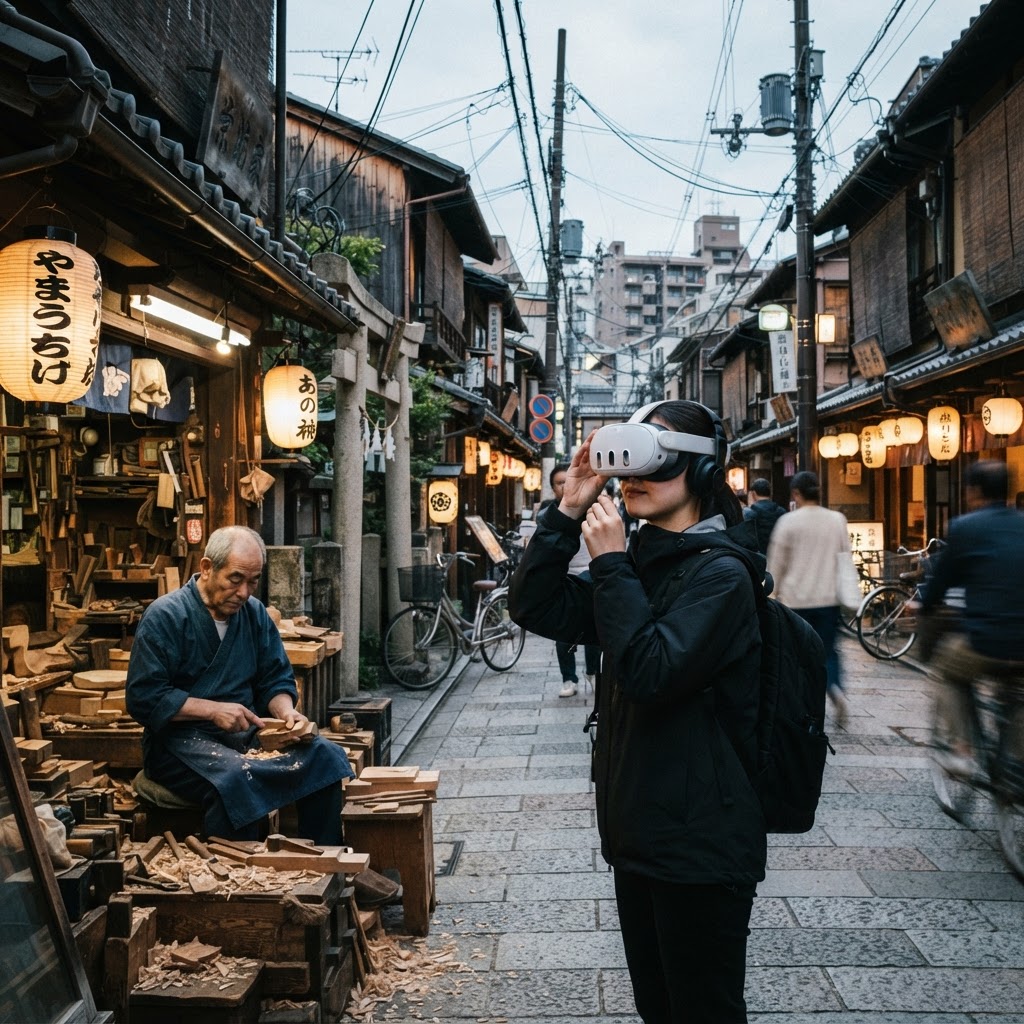
The Collision of Technological Speed and Cultural Identity
In recent days, the international arts and culture landscape has witnessed a rapid acceleration in how creative expression intersects with emerging technology, mass entertainment, and historical preservation. Cultural commentators and industry observers note that societies worldwide are navigating an era marked by shifting communication styles, heightened debates over creative authenticity, and evolving models for sharing art across borders.
As digital tools become integral to production and distribution, prominent figures in the art world have raised concerns over the loss of creative agency. Renowned visual artists and activists have voiced alarms that unbridled technological integration and automated algorithms risk dampening human individuality and complicating free artistic expression according to coverage by Euronews. These conversations are mirrored in contemporary literature and music, where institutions and audiences are actively defining boundaries between authentic human craft and synthetic generation.
Entertainment Reaches New Streaming Milestones
The contemporary music landscape continues to demonstrate how high-speed digital broadcasts can reshape international accessibility. Global pop performers are increasingly choosing massive livestream initiatives that transcend traditional geographic barriers. A prominent example emerged in Madrid, where a worldwide live broadcast by Colombian singer Shakira set streaming viewership benchmarks, illustrating the Spanish capital's growing role as a cultural bridge linking Latin American arts with European audiences, as reported by Euronews.
Yet, this digital boom contrasts with mounting pressures within live event economics. Consumer advocacy organizations have sounded warnings over the rising financial burdens associated with high-profile European musical residencies and arena tours. With lodging, travel, and premium ticketing costs squeezing fans, observers question how long the live-touring economy can maintain its rapid post-pandemic expansion before pricing out the next generation of listeners.
Linguistic Shifts and the Evolution of Youth Vernacular
Beyond the concert stage and art galleries, everyday culture is experiencing rapid mutation through language. European literary and linguistic circles have turned their attention toward international book fairs, where annual selections for youth words highlight the heavy footprint of internet subcultures. In Germany, the shortlist for the youth word of the year has centered largely around internet slang such as 'Crashout' and 'Ragebait', underscoring the deep infiltration of globalized, online-first idioms into local tongues, as detailed by Euronews.
Sociolinguists argue that these linguistic trends reflect far more than fleeting fads. They mirror the digital environments where younger demographics consume culture, communicate, and react to modern news cycles. The viral transmission of ideas across social media platforms has reduced the lifespan of conventional local slang, replacing regional colloquialisms with globally recognized terms driven by algorithmic reach.
Vulnerabilities in Heritage and Institutional Turmoil
While the digital frontier thrives, physical cultural heritage has faced severe material threats. European law enforcement agencies have recently been placed on high alert following daring thefts targeting historic treasures. In central France, authorities launched an intensive search following the theft of the rare 210-kilogram 'Book of the Apocalypse', an art piece valued at over one million euros containing illustrations by Salvador Dalí, Jean Cocteau, and Bernard Buffet, noted by Euronews. Such incidents highlight persistent vulnerabilities in museum and exhibition security networks.
Simultaneously, traditional cinema and state-supported cultural ecosystems are bracing for structural disruptions. European film institutions and distributors are sounding alarms over proposed fiscal adjustments, such as planned tax changes that threaten to curb broadcaster funding for local independent filmmaking. As the financial framework supporting traditional cinema comes under strain, creators and cultural administrators warn of a potential chilling effect on mid-budget independent storytelling.
Looking Ahead
The cultural currents of the past several days paint a picture of a sector caught between two worlds. On one side lies the immense reach of modern technology, enabling historic streaming numbers, borderless subcultures, and novel artistic formats. On the other side stands the fragile, tangible ecosystem of material history, independent cinema, and individual authorship. Navigating the delicate balance between technological democratization and the safeguarding of creative heritage will remain the defining cultural challenge of the coming decade.
Recommended for you
Similar to “Arts and Culture”
Between Heritage and Innovation: How Global Culture Navigates Technological Disruption and Shifting Frontiers
From generative artificial intelligence scandals in literature to the diplomatic restitution of antiquities, recent events highlight a dynamic cultural landscape balancing heritage preservation with modern technology.
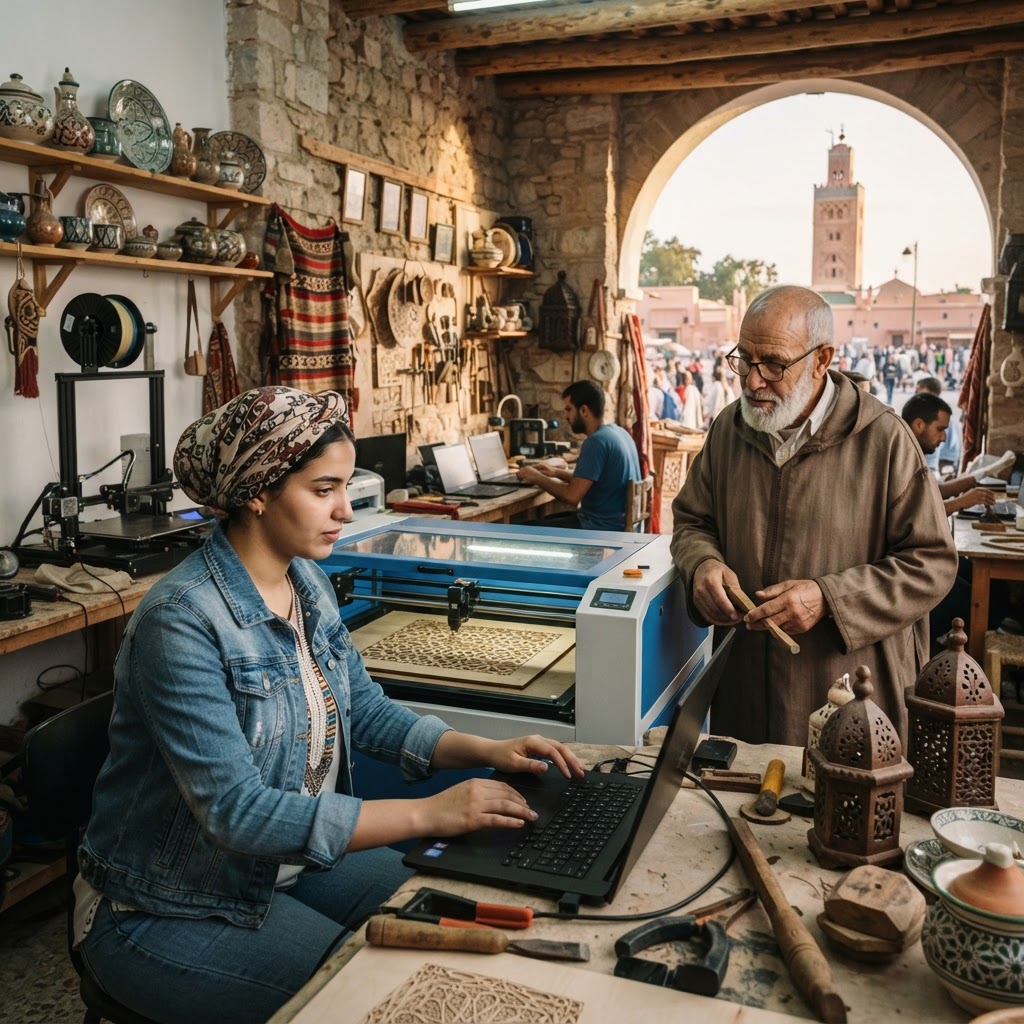
Between Heritage and Innovation: How Global Culture Is Navigating Modern Transitions
From the restitution of stolen antiquities and living craft revivals to fierce debates over artificial intelligence in literature, recent events highlight a dynamic cultural landscape balancing preservation with modernity.
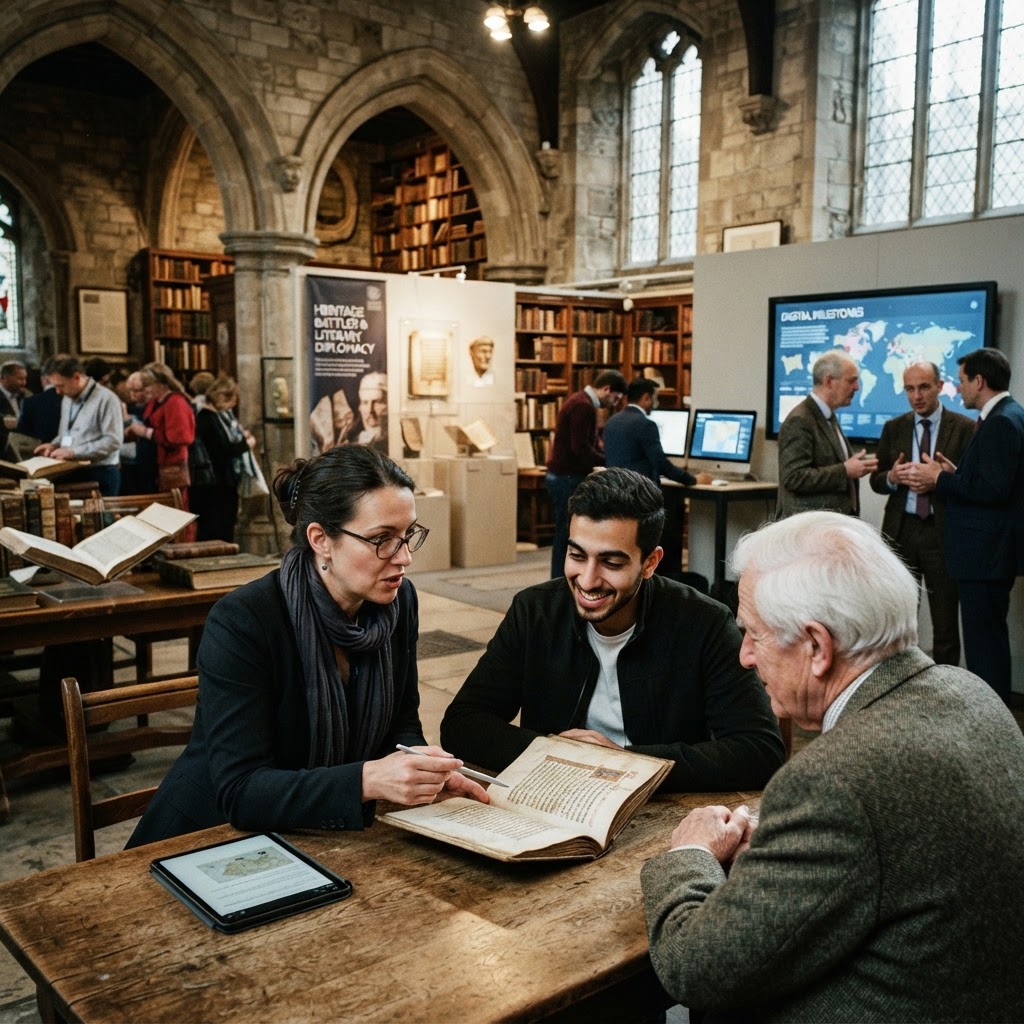
Crossroads of Culture: Heritage Battles, Literary Diplomacy, and Digital Milestones
Recent cultural developments highlight a global landscape navigating the friction between national heritage disputes, shifting publishing dynamics, and record-breaking digital arts consumption.