Diplomatic Realignments and Security Fractures: Global Politics Navigates High-Stakes Summits and Geopolitical Friction
As international leaders reconvene for vital summits amid shifting security alliances and economic strain, high-stakes diplomacy tests transatlantic ties and domestic political stability across major capitals.
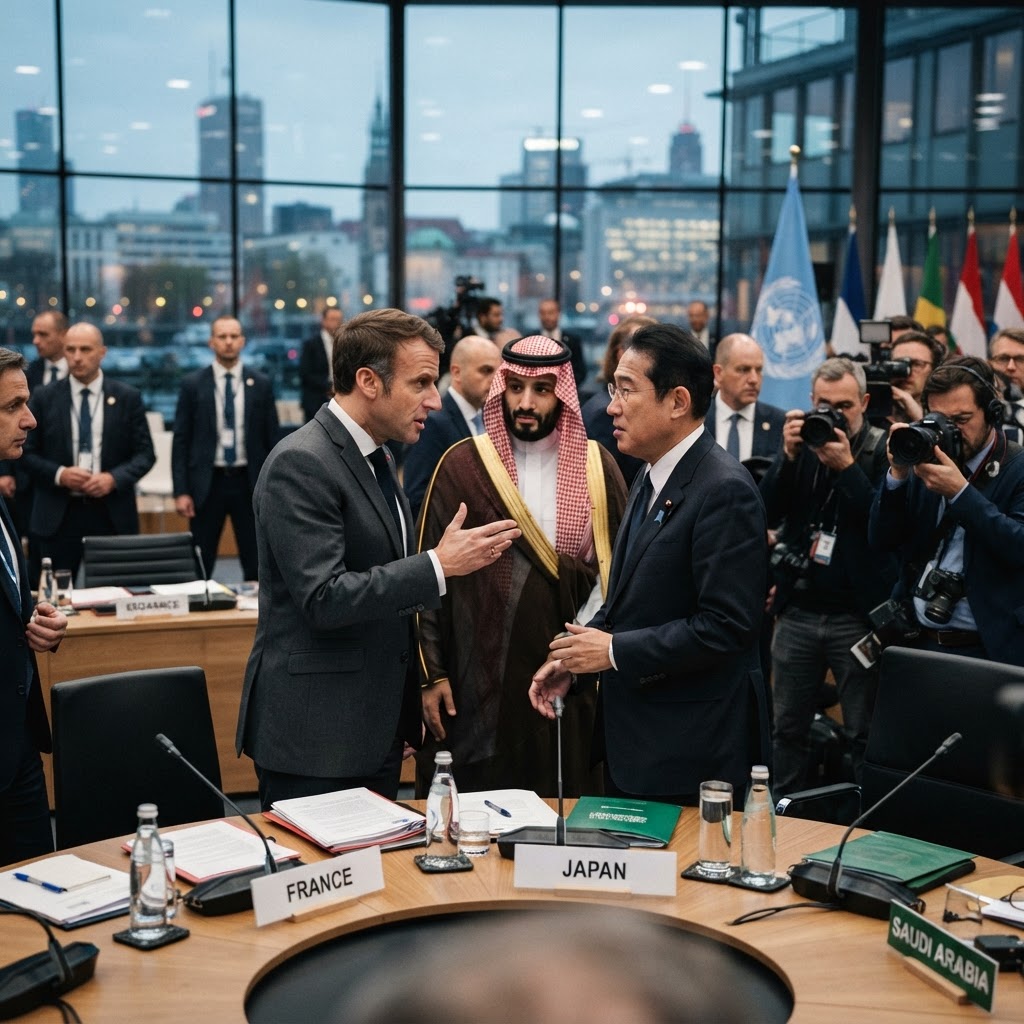
A Landscape of Shifting Alliances
The global geopolitical arena is witnessing profound shifts as leading powers confront a dual crisis of international security guarantees and domestic economic pressures. Amid intensifying political debates across Western capitals, decision-makers are being forced to navigate fractured defense frameworks, unilateral diplomatic overtures, and delicate cross-border trade negotiations. The delicate balance that previously defined postwar multilateral structures has come under renewed scrutiny, prompting calls for strategic recalibration from both sides of the Atlantic.
Transatlantic Strains and New Diplomatic Maneuvers
In Europe, diplomatic focus has converged on strategic resilience and redefined relationships. Developments reported by outlets like the BBC highlight a concerted push by British leadership ahead of crucial continental summits to establish updated cooperation frameworks with European counterparts. Navigating post-exit friction while balancing shared security imperatives has grown increasingly vital, especially as questions emerge concerning defense infrastructure and collaborative intelligence measures.
Simultaneously, international friction points continue to strain transatlantic consensus. Coverage from The New York Times and the Australian Broadcasting Corporation points to heightened European anxiety regarding unpredictable energy agreements and uncoordinated foreign policy pronouncements in the ongoing Eastern European conflict. Abrupt diplomatic signaling and unilateral framework proposals have introduced uncertainty among allied capitals, leaving European defense planners to weigh the long-term reliability of collective security guarantees.
Security Flashpoints and Counter-Threat Strategies
Security concerns have further intensified following sensitive domestic and international incidents. As noted by Ground News and Bloomberg, counterterrorism investigations and defense reviews concerning critical military installations have thrust homeland security back to the top of the legislative agenda. Accusations of state-sponsored proxy interference and targeted sabotage attempts near allied air bases have escalated demands for enhanced surveillance and tightened security protocols.
This heightened threat environment has spurred an urgent modernization drive. According to strategic analysis highlighted by POLITICO, governments are actively accelerating investments into counter-unmanned aerial systems (counter-UAS) and integrated surveillance capabilities. As traditional military apparatuses adapt to asymmetric aerial threats, legislative bodies are grappling with escalating defense budgets at a time when domestic electorates are demanding relief from persistent economic headwinds.
Economic Strain and Legislative Friction
Underpinning these security maneuvers is an uneasy economic backdrop. Broad assessments from institutions tracked by CNBC emphasize that while technological advancements and rapid automation have prevented deeper recessions, international systemic resilience is being stretched thin by prolonged diplomatic gridlock and regional disruptions. Lawmakers find themselves caught between soaring geopolitical commitments and domestic spending priorities.
In the United States, legislative battles reflect this widening polarization. Deep divisions reported across major networks, including NPR and CBS News, illustrate contentious standoffs over foreign engagement authorizations, regulatory transparency, and the balance of executive authority. With looming electoral tests on the horizon, parliamentary and congressional leaders alike face the challenging task of projecting foreign strength while managing deep domestic skepticism. As upcoming multilateral gatherings approach, the capacity of global powers to forge cohesive consensus remains more uncertain than ever.
Recommended for you
Similar to “Global Politics”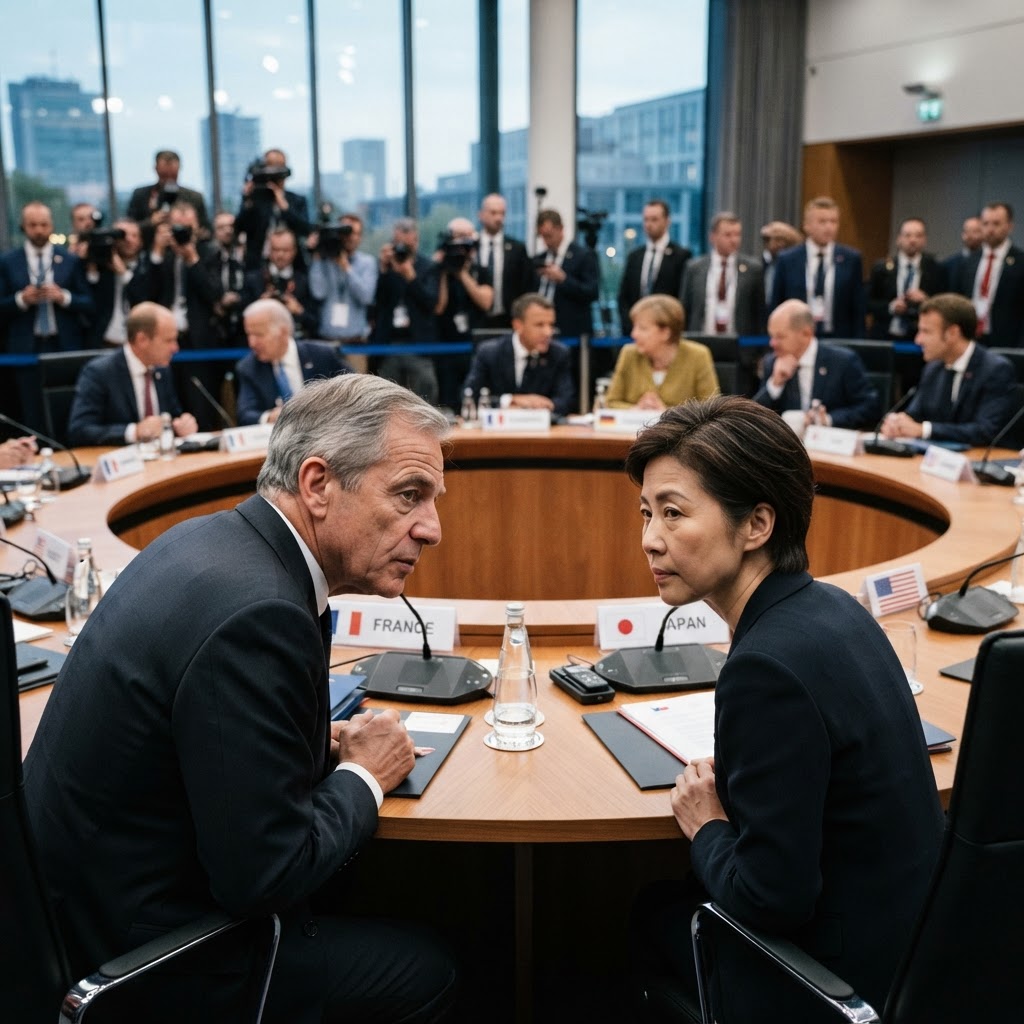
Diplomatic Chessboards and Shifting Alliances: High-Stakes Summits Unfold Amid Rising Geopolitical Friction
As major world leaders converge across Asia for a critical series of regional forums and an unprecedented trilateral summit, intensifying military tensions and domestic political battles test global stability.
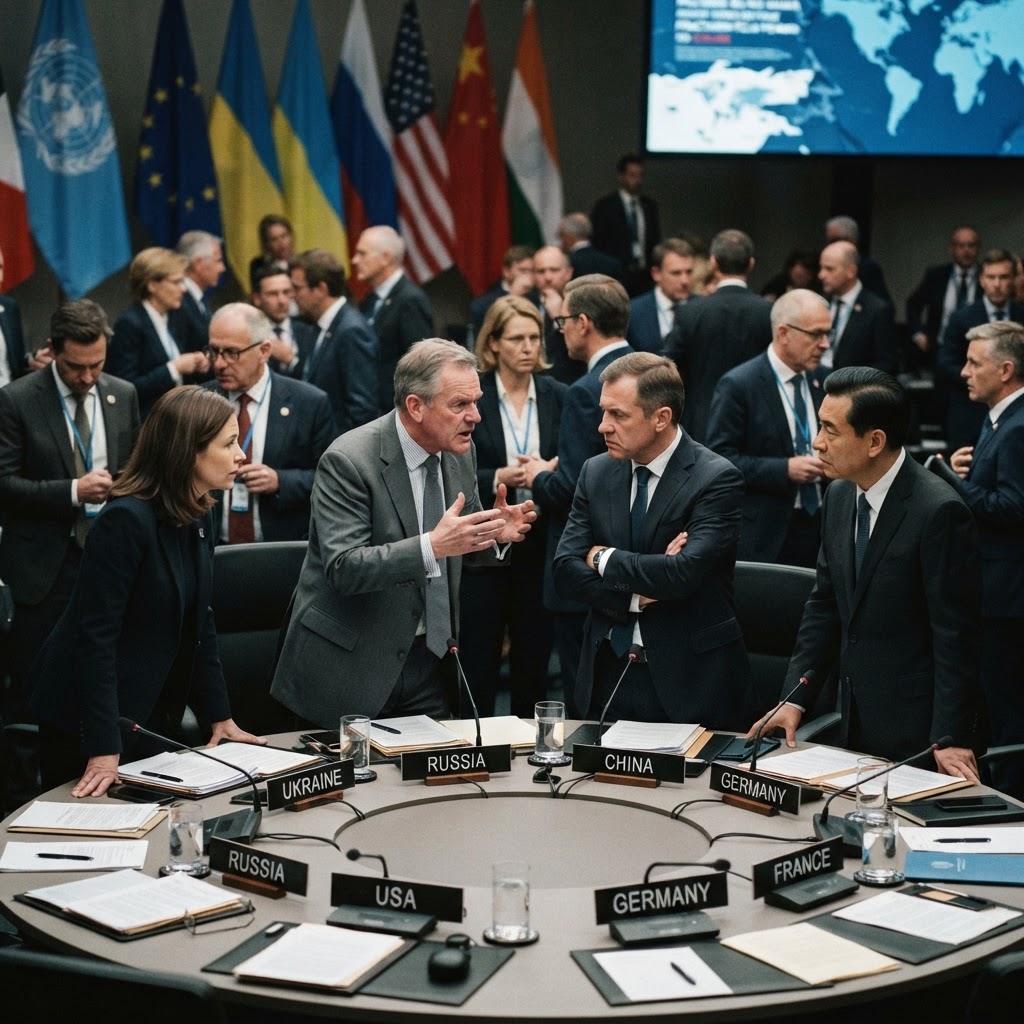
Diplomatic Friction and Shifting Coalitions: The Fracturing Global Political Landscape
Recent cross-border maneuvers and sharp domestic policy debates highlight deepening geopolitical fractures, testing international alliances and internal governance across major capitals.
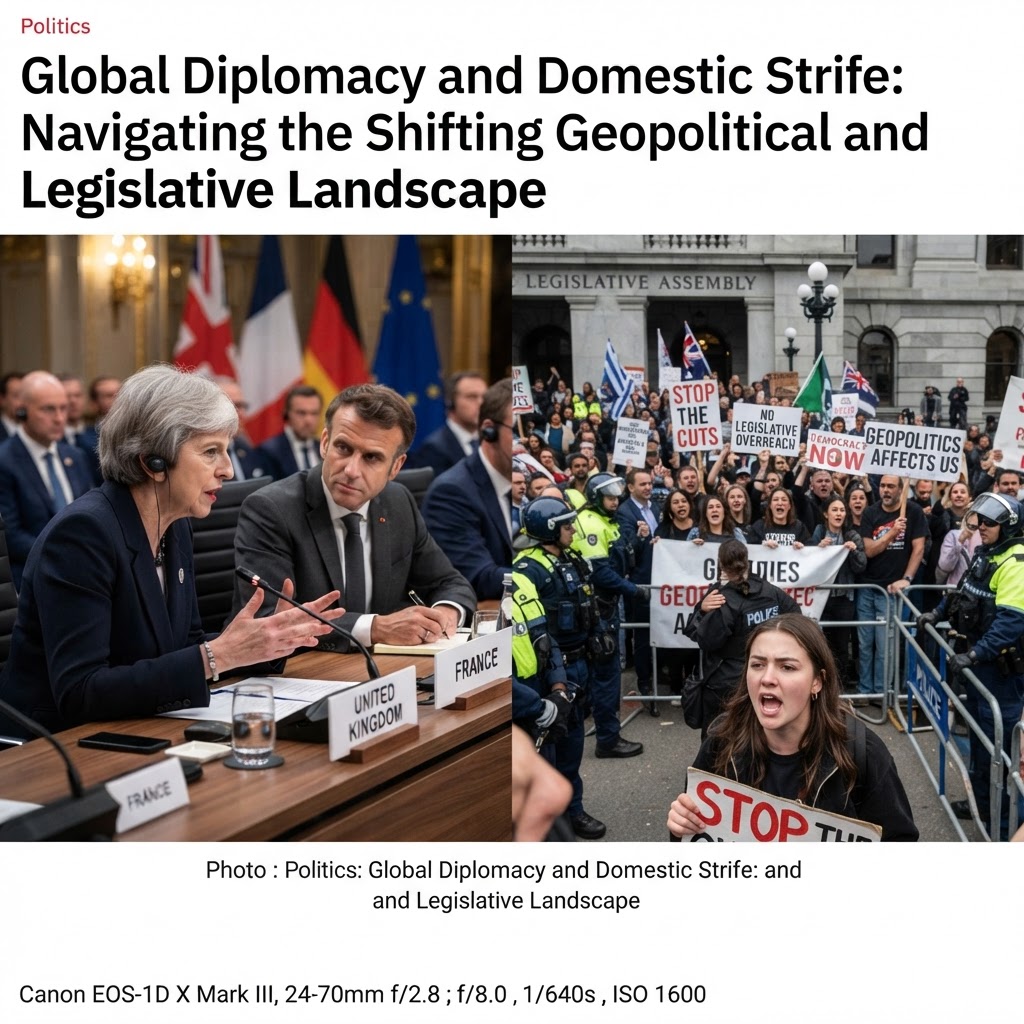
Global Diplomacy and Domestic Strife: Navigating the Shifting Geopolitical and Legislative Landscape
As high-stakes international summits and escalating trade challenges test the limits of foreign policy, governments face rising friction across domestic institutions, courts, and economic sectors.