Fractured Frontlines and Strained Diplomacy: The Shifting Architecture of Global Security
Escalating regional clashes in Eastern Europe and the Middle East, coupled with mounting climate shocks, are testing the resilience of international diplomatic frameworks and humanitarian capacity.
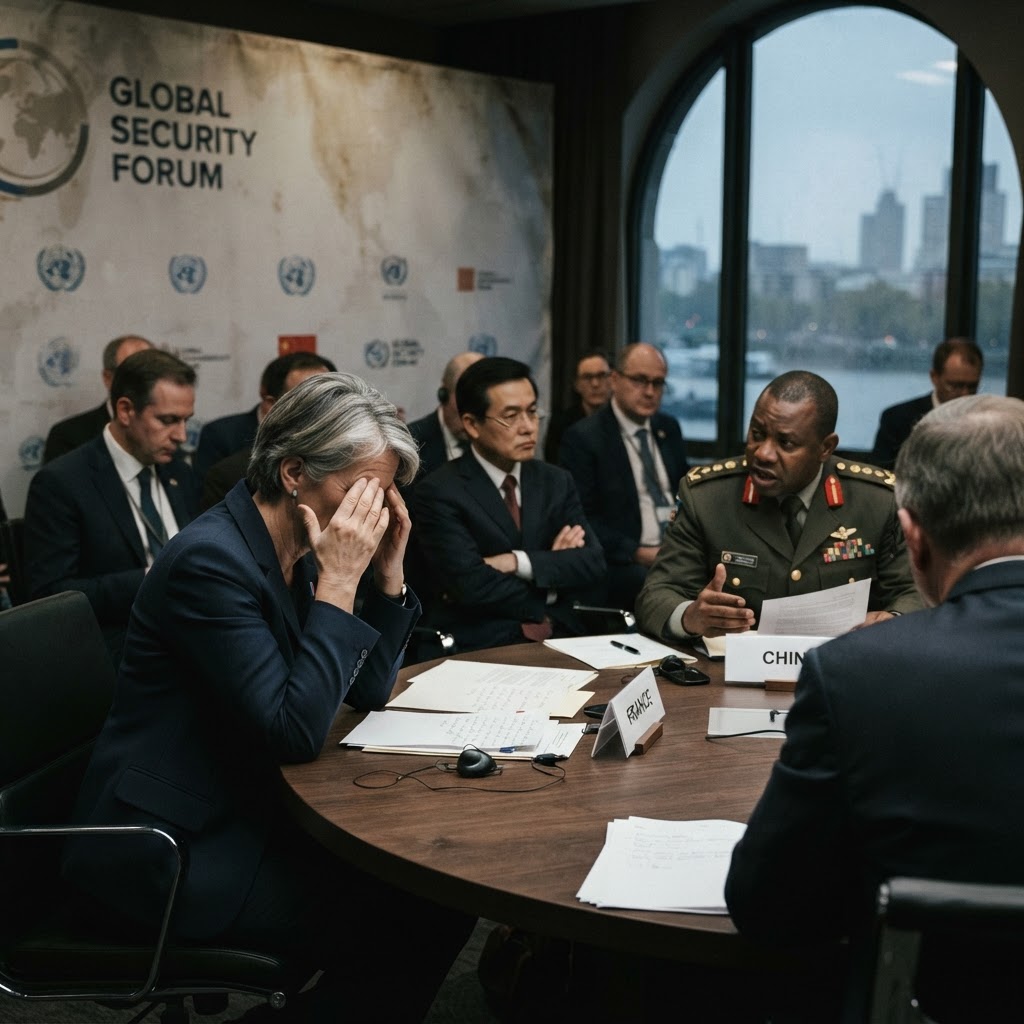
A Complex Web of Geopolitical Pressures
The contemporary international arena faces an intricate convergence of kinetic warfare, regional destabilization, and resource vulnerability. From Eastern Europe to the Levant and the Arabian Peninsula, geopolitical flashpoints have demonstrated heightened volatility over recent days, testing the durability of multilateral coalitions and institutional diplomacy. Cross-border confrontations are not only intensifying military commitments but are also creating severe reverberations across global supply routes, energy corridors, and humanitarian pipelines.
Intensifying Theaters of Regional Conflict
In Eastern Europe, infrastructure strikes continue to reshape the strategic landscape. Ongoing assaults directed at critical transport arteries—including vital bridges around major metropolitan centers such as Kyiv—highlight a continuing doctrine aimed at disrupting civilian and military supply lines, as tracked in coverage by BBC News. These strikes underscore the protracted nature of the conflict, prompting renewed discussions among Western allies regarding the delivery schedule of air defense systems and sustained logistical support.
Meanwhile, tensions across the Middle East present a parallel crisis. The Red Sea corridor and surrounding regions remain active friction zones, with sustained fighting involving Houthi forces in Yemen and widespread operations reported by Al Jazeera. In tandem, escalating friction within the West Bank has disrupted agricultural rhythms and heightened friction between resident populations and military elements. These intertwined theaters demonstrate the fragile nature of deterrence across the broader region, threatening maritime shipping channels that carry significant shares of international trade.
Resource Insecurity and Multilateral Bottlenecks
Beyond traditional statecraft and territorial conflict, non-traditional security crises are placing acute pressure on governing institutions. As detailed in overviews compiled by the United Nations Global Issues program, acute humanitarian emergencies driven jointly by armed strife and extreme weather phenomena are straining relief networks to capacity. Rapid urban disruptions—exemplified by severe municipal flooding displacing populations in major Southeast Asian hubs—are occurring simultaneously with widespread food and fuel vulnerabilities.
Global bodies tasked with poverty reduction, climate adaptation, and emergency relief face growing shortfalls as member states grapple with domestic budgetary limits and localized defense priorities. The compounding impact of displacement and logistical bottlenecks threatens to delay broader sustainable development milestones, reinforcing the necessity for revamped multilateral coordination.
The Trajectory of International Statecraft
As the international community navigates this complex matrix of challenges, the framework of international law and collective security stands at a critical juncture. Sustaining humanitarian access and preventing localized flashpoints from escalating into regional conflagrations will depend heavily on whether diplomatic conduits can operate effectively alongside defense posturing. In an era marked by multi-tiered competition, achieving lasting stability requires a concerted re-evaluation of how international institutions address root causes, reconcile national interests, and safeguard civilian welfare.
Recommended for you
Similar to “World Affairs”
Fragile Frontlines: Global Diplomacy Strains Under Shifting Balances of Power and Humanitarian Shocks
From escalating military frictions across the Middle East to deep security anxieties in Europe and worsening crises across the Global South, the international order faces a turbulent test of diplomatic resilience.
Global Diplomacy at a Crossroads: High-Stakes Summits, Escalating Middle East Tensions, and Climate Reckonings
As world powers prepare for rare trilateral leadership talks amid continuing regional conflicts in Eastern Europe and the Middle East, international negotiators face mounting geopolitical strain and fractured multilateral consensus.
Global Diplomacy Strained as Energy Pacts, Weapon Shortages, and Political Fractures Reshape World Order
Recent diplomatic realignments, shifting energy agreements between major powers, and escalating regional tensions across Eastern Europe, the Middle East, and Asia are testing long-standing geopolitical alliances.