Global Environmental Frontlines: Historic Heat, Renewable Acceleration, and the Battle Over Conservation Accountability
As planetary temperatures break historic thresholds and renewable energy installations expand at unprecedented rates, international bodies and environmental watchdogs are grappling with enforcement gaps in biodiversity protection and climate finance.
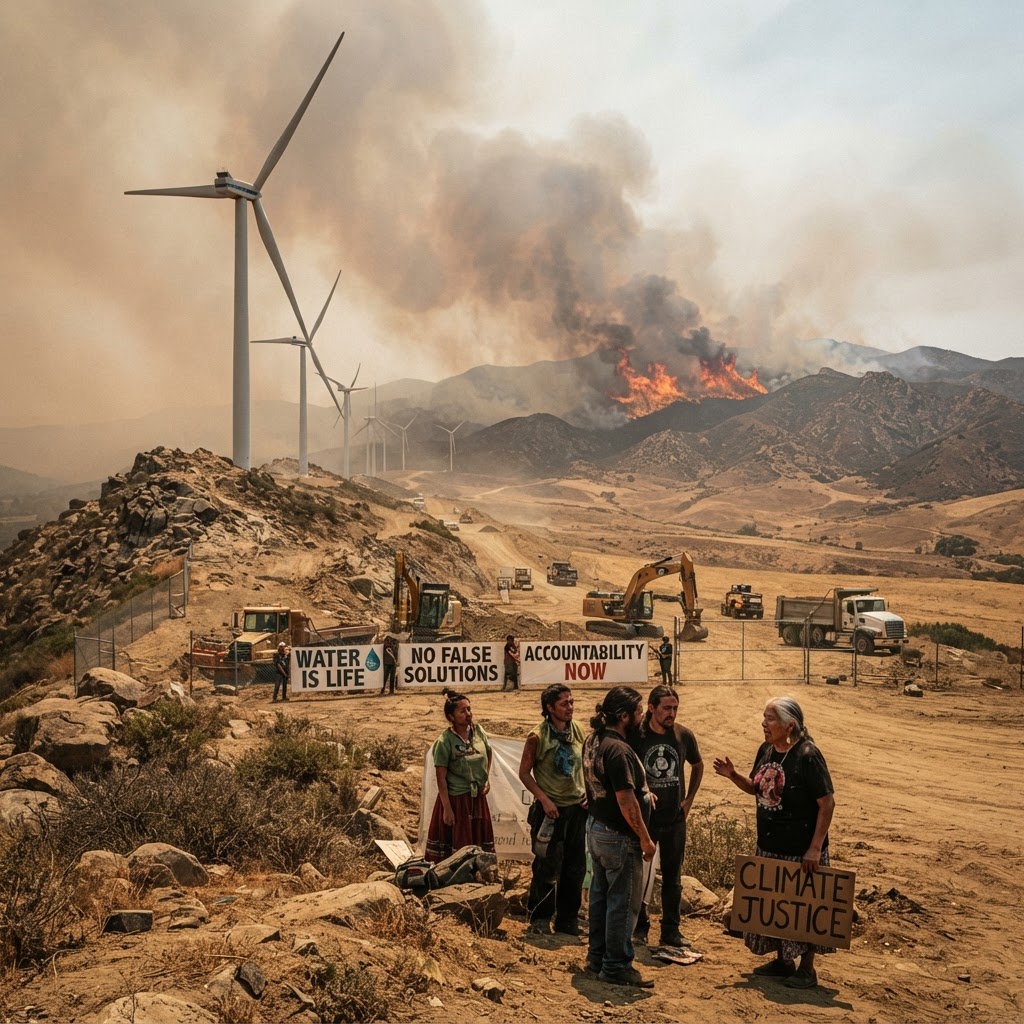
A Warming Planet Crosses Critical Milestones
International environmental monitoring agencies have confirmed a sequence of historic climactic milestones, underscoring the compounding impacts of global greenhouse gas emissions. Continued analysis from earth observation entities, including the European Union's Copernicus Climate Change Service and the World Meteorological Organization, indicates that recent global temperature anomalies have persistently challenged the 1.5°C threshold established under the Paris Agreement according to Earth.Org. Attributions from researchers collaborating with World Weather Attribution suggest that warming trends are materially shifting baseline human exposure, contributing to an estimated several dozen additional days of severe heat annually across inhabited regions.
These persistent temperature anomalies illustrate the growing stakes for energy transition frameworks worldwide. As fossil fuel combustion for electricity and heating remains the dominant contributor to global atmospheric greenhouse gas concentrations, international policymakers are facing acute pressure to align statutory frameworks with binding climate metrics.
Renewable Momentum Versus Structural Decarbonization
The pace of clean technology adoption offers a stark juxtaposition to rising emissions trajectories. International energy analysts indicate that global installations are projected to exceed 5,500 gigawatts of capacity over the coming years, outpacing numerous domestic commitments as reported by Earth.Org. Regional players such as China, the United States, India, and European Union member states are expanding their renewable energy footprints across utility-scale solar and offshore wind developments.
Despite this expansion, structural bottlenecks remain. International targets requiring a tripling of non-fossil capacity continue to face operational hurdles, including critical mineral supply constraints and electricity grid integration challenges. To address supply security and resource governance, multilateral bodies like the United Nations have initiated standard-setting frameworks, establishing guidelines through reports such as Resourcing the Energy Transition to minimize ecological degradation stemming from critical mineral extraction as detailed by the United Nations Environment Programme.
The Conservation Paradox: Protected Areas Under Pressure
While macro-level energy discussions dominate diplomatic agendas, independent academic reviews are exposing significant shortfalls in ecosystem protection. Analyses such as the Environmental Performance Index (EPI), coordinated by the Yale Center for Environmental Law and Policy alongside Columbia University, suggest that designated conservation corridors often fall short of statutory goals as documented by the Yale School of the Environment.
The EPI highlights that widespread commercial activities—ranging from intensive agriculture inside terrestrial zones to commercial fishing inside marine protected areas (MPAs)—persist globally. In developing economies, systemic shortfalls in funding and enforcement personnel frequently undermine protection measures on the ground. Simultaneously, industrialized jurisdictions demonstrate enforcement gaps where designated protection zones coincide with industrial cropland or intensive trawling operations.
Climate Accountability Moves to the Courts
Confronted with inconsistent policy implementation, non-governmental organizations and citizen coalitions are increasingly turning to judicial systems to mandate state and corporate accountability. According to assessments by the UN Environment Programme, climate-related litigation has surged globally, with international courts and regional tribunals issuing precedent-setting decisions affirming governments' legal obligations to reduce emissions as reported by the United Nations Environment Programme.
This shift toward legal accountability parallels persistent friction within multilateral finance discussions. At climate summits, including COP deliberations, developing nations have underscored the inadequacy of voluntary contributions and debt-incurring climate loans. Grassroots advocates continue to emphasize that without direct capital mobilization and transparent enforcement mechanisms, regulatory commitments will struggle to protect vulnerable populations and deteriorating ecological systems.
Recommended for you
Similar to “Environment”
Bridging Paper Promises and Tangible Action: The Evolving Frontlines of Global Environmental Governance
As global average temperatures continue to challenge historic thresholds, international policymakers face rising scrutiny over conservation accountability, climate finance deficits, and enforcement across vulnerable ecosystems.
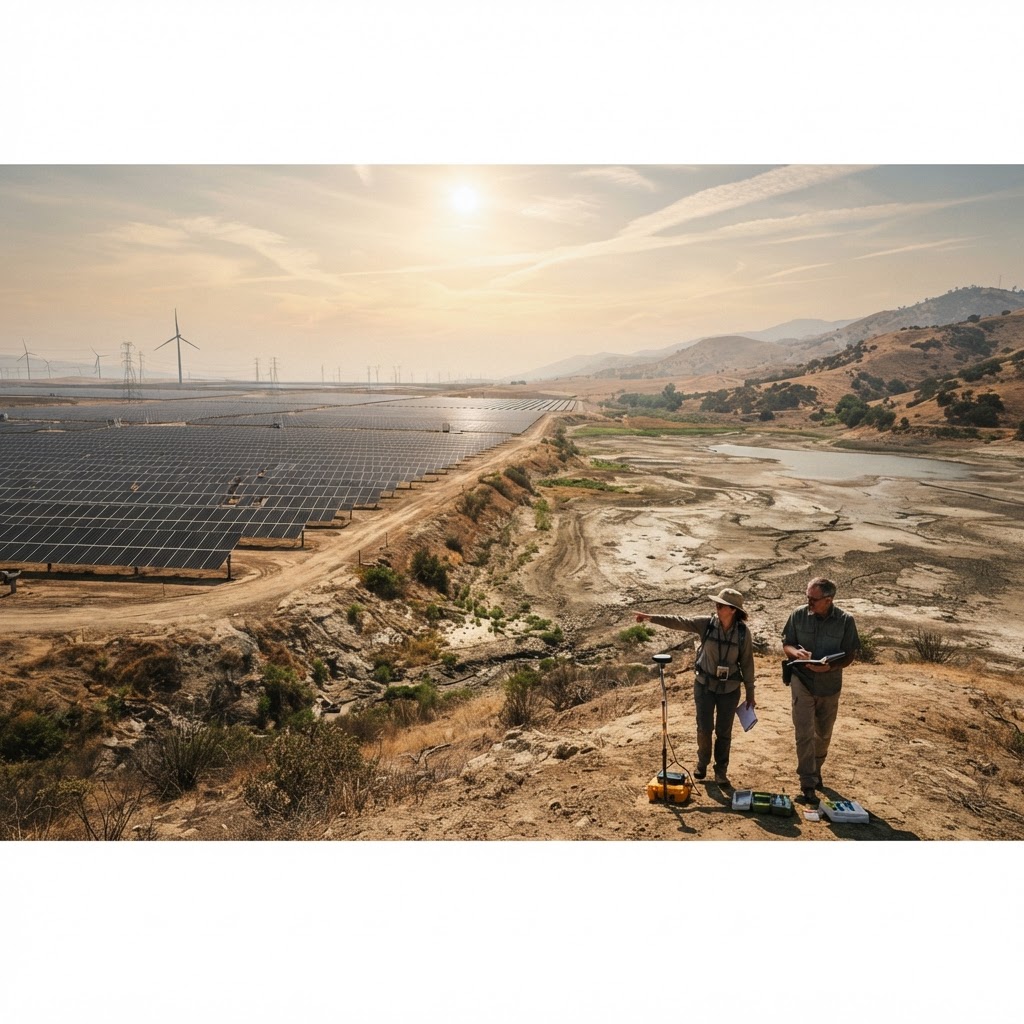
Navigating the Climate Threshold: Surging Clean Energy and Strained Conservation in an Overheating World
As global average temperatures touch historic thresholds and renewable installations reach record highs, world leaders and scientists face growing disputes over environmental financing and biodiversity enforcement.
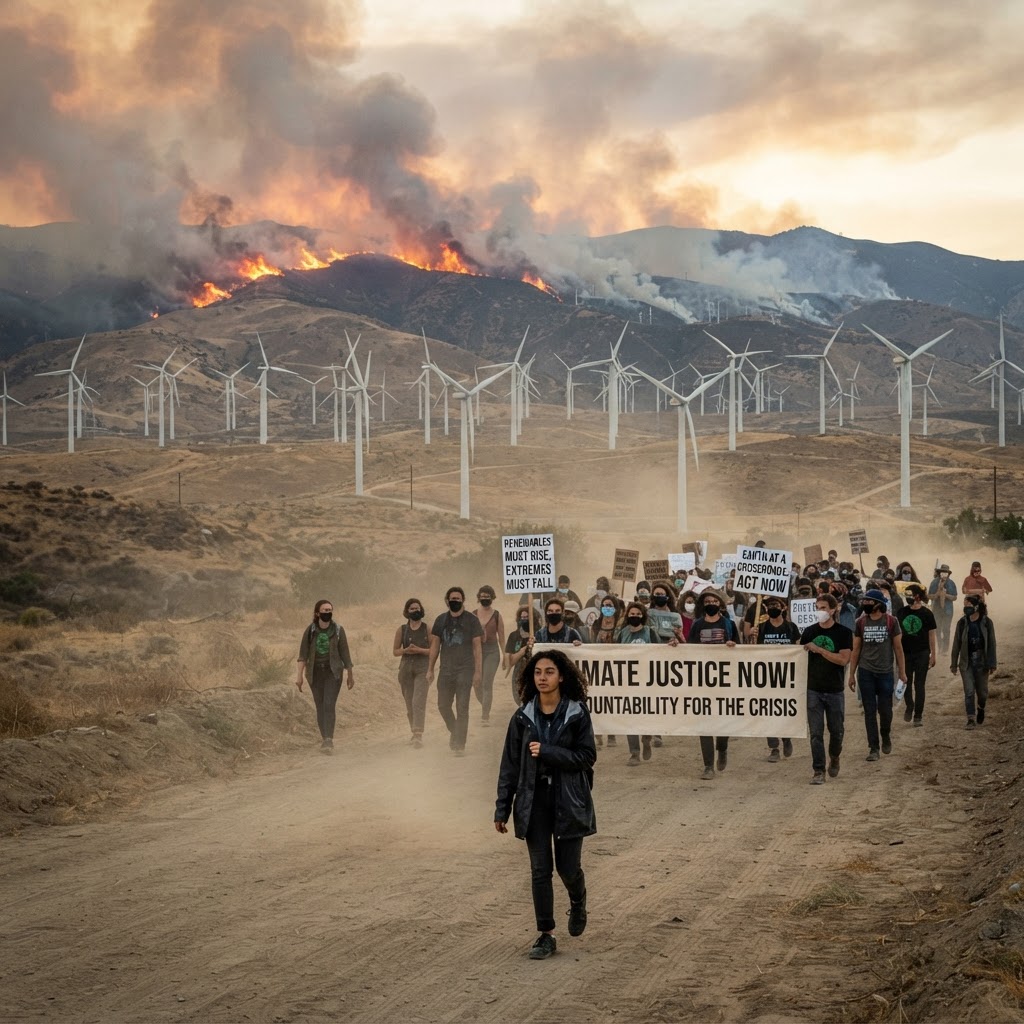
A Crossroads for Earth: Escalating Climate Extremes Collide with Renewable Ambitions and Legal Accountability
As global average temperatures touch historic thresholds and ecosystem indicators flash red, international environmental efforts are being defined by landmark climate litigation, clean-energy records, and fierce debates over conservation funding.